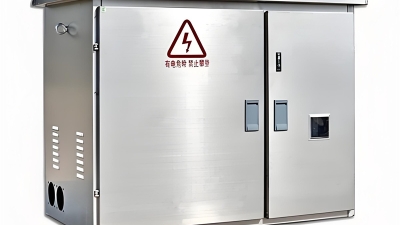
As the demand for reliable Power Distribution Systems keeps growing, it’s more important than ever to find trustworthy suppliers for Distribution Cabinets. I mean, according to a recent report from Research and Markets, the global market for distribution cabinets is expected to grow at a solid annual rate of 7.6% from 2022 through 2029. This growth is mainly driven by more investments in infrastructure and the increasing need for smarter, more efficient ways to manage power. In today’s competitive scene, teaming up with reputable suppliers isn’t just smart — it’s essential for companies wanting to get their power distribution just right.
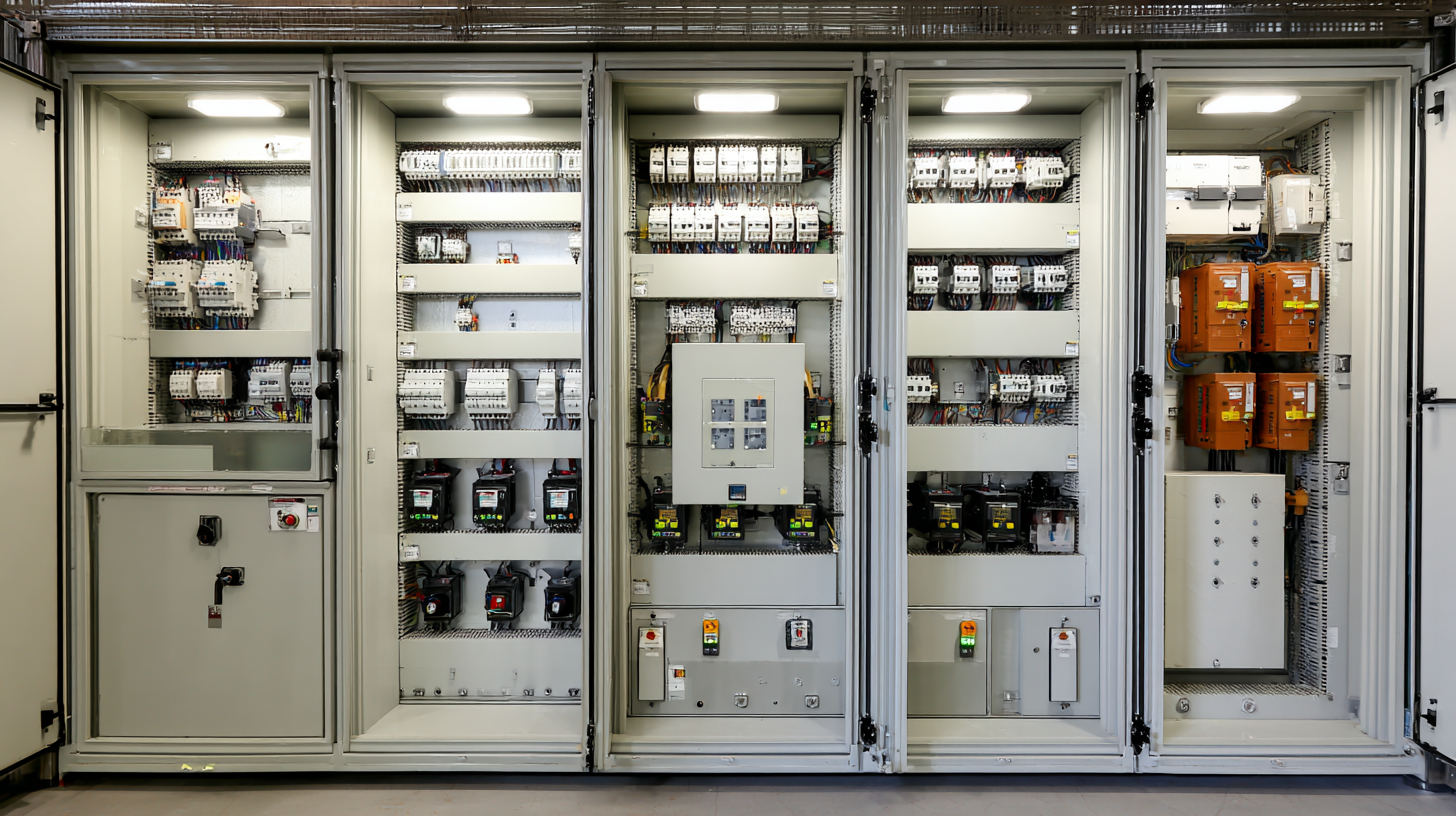
One company that really stands out is Jiangxi Guoxiang Electric Power Equipment Co., Ltd. They’ve been around since 2016 and are recognized as a national high-tech enterprise. They offer all-in-one power solutions, including some seriously high-quality Distribution Cabinets. What makes them special, really, is their full-spectrum approach — from research and development, to manufacturing, to sales and engineering support. Basically, Jiangxi Guoxiang is well-equipped to help businesses sort out the tricky parts of sourcing top-notch components for their power systems, making life a lot easier for anyone in need of reliable equipment.
Identifying Key Performance Indicators for Supplier Evaluation in Distribution Cabinets
In today’s really competitive market, figuring out the right Key Performance Indicators (KPIs) to evaluate suppliers is absolutely essential for companies sourcing things like distribution cabinets. Stuff like delivery on time, product quality, and financial stability are some of the main benchmarks companies look at when choosing suppliers. I read in a recent industry report by ResearchAndMarkets that supply chain hiccups have made these kinds of metrics even more important. In fact, about 70% of supply chain managers say that supplier reliability is a top concern right now. That just shows why companies like Jiangxi Guoxiang Electric Power Equipment Co., Ltd. really need to focus on working with suppliers who can consistently meet these standards.
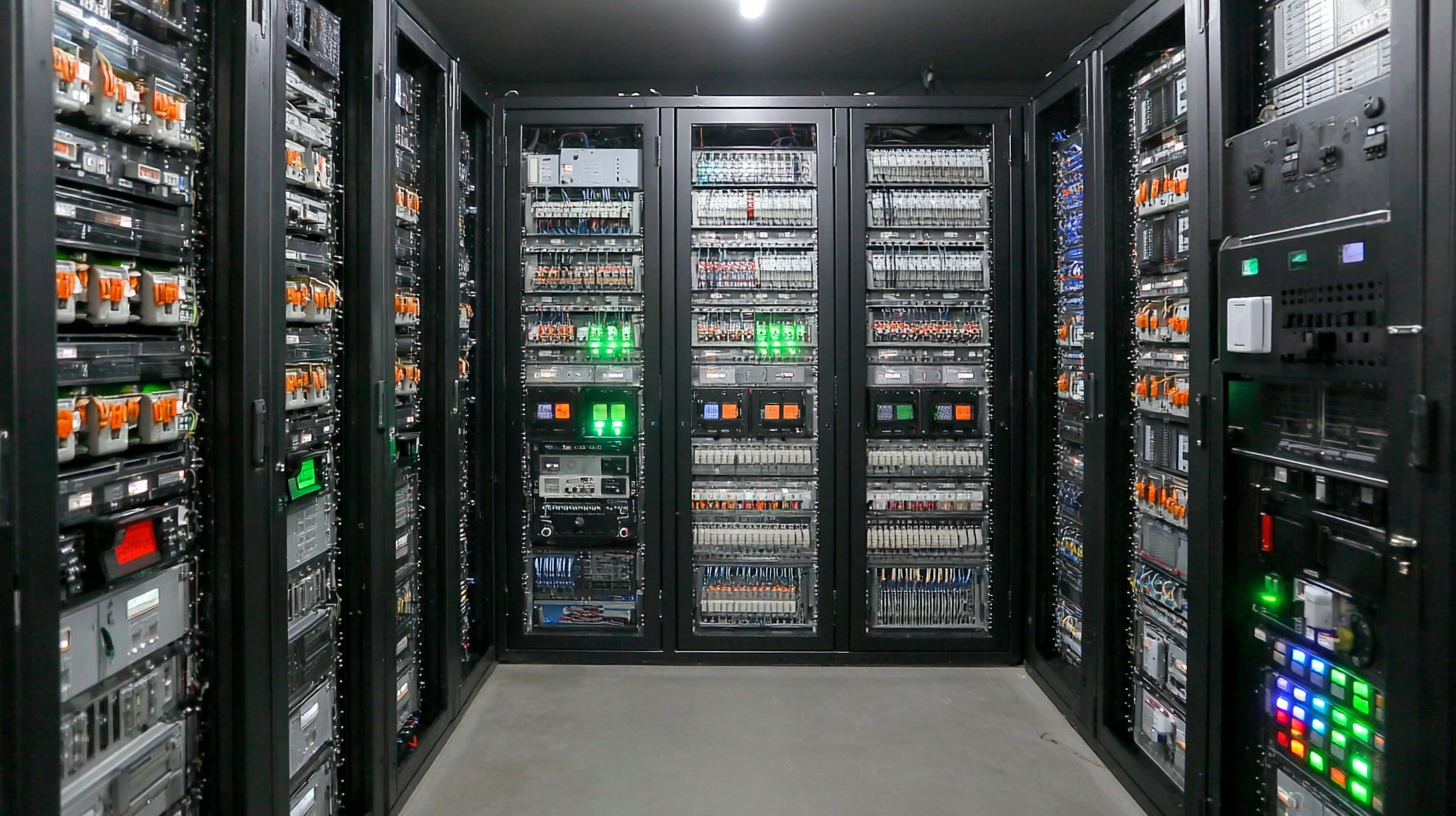
On top of that, using technology to evaluate suppliers can really make the whole process smoother. Advanced analytics tools now allow businesses to look at supplier performance data in real-time, which is pretty game-changing. Gartner’s studies suggest that companies adopting a data-driven approach to supplier management can actually cut procurement costs by up to 15%. So, by setting solid KPIs and keeping a close eye on those, Jiangxi Guoxiang can deliver its integrated power solutions more reliably, helping them keep their reputation as a high-tech company that’s serious about quality and efficiency.
Leveraging Technological Advancements in Supplier Selection Processes
In today's really competitive world, using the latest tech in how companies pick their suppliers isn't just a nice-to-have anymore — it's kind of essential. More and more, organizations are realizing just how important Environmental, Social, and Governance (ESG) factors are. And let’s be honest, technology is really stepping up to help us build more sustainable supply chains. I came across a recent study that pointed out something pretty interesting: companies that actually consider ESG aspects tend to dodge a bunch of risks related to environmental and social issues. Plus, they end up strengthening their brand reputation and gaining more trust from customers — which is huge.
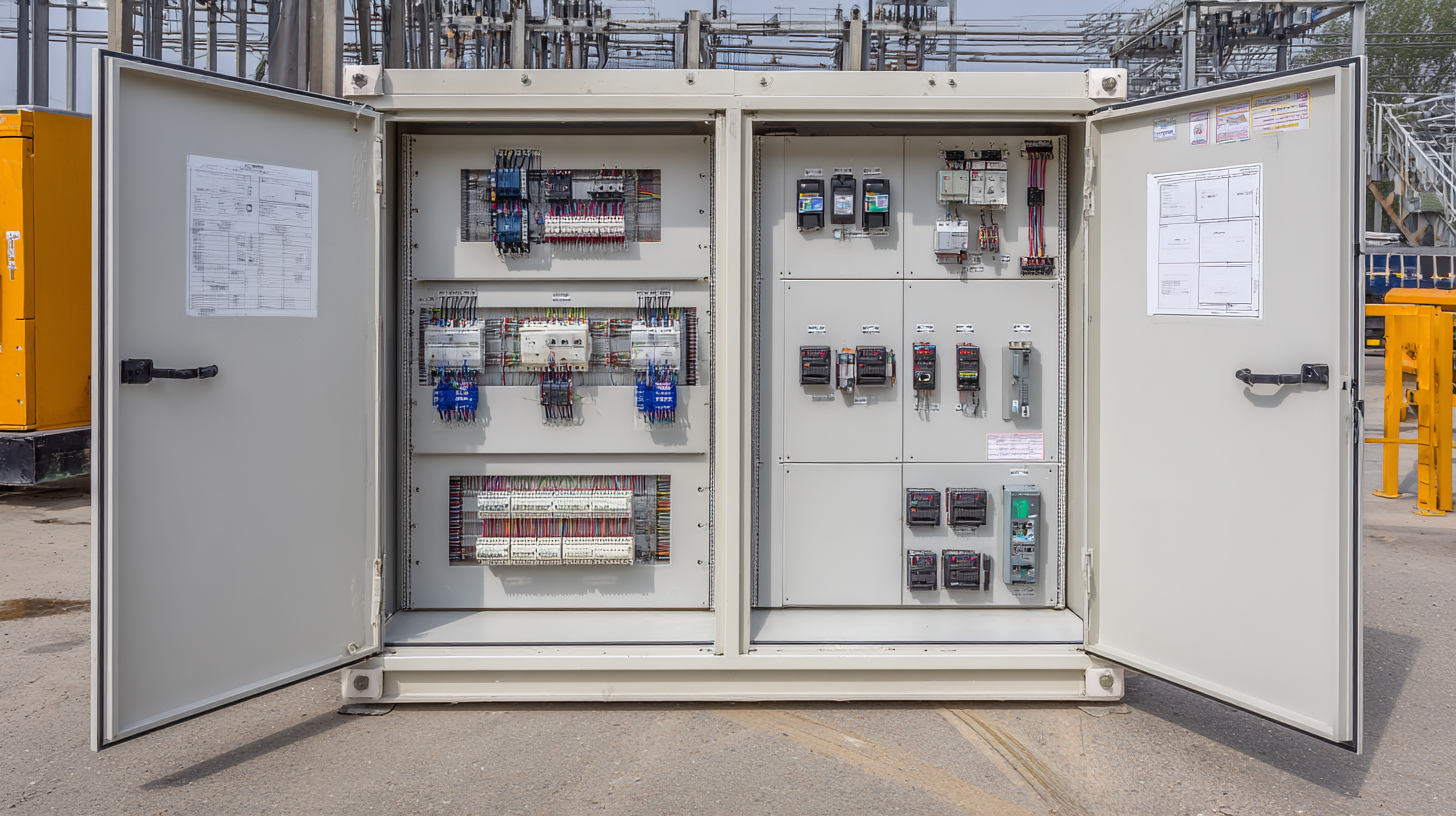
When it comes to choosing top-notch suppliers, today's businesses can really benefit from advanced procurement tools that make the whole process smoother and give us better insight. Things like strategic sourcing software and spend analysis aren’t just fancy buzzwords — they actually empower companies to make smarter decisions and stay agile, especially as global supply chains get more complicated. And with 2024 on the horizon, doubling down on tech-driven solutions seems like the way forward — it’s all about staying flexible and ready for whatever comes next, especially with all the uncertainties out there.
A few tips to keep in mind:
- Use AI and analytics to get a clearer picture of your suppliers’ performance and potential risks.
- Check out blockchain tech to boost transparency and traceability throughout your supply chain.
- Consider investing in lifecycle assessment tools that leverage Industry 4.0 technologies — they can really boost your sustainability metrics and make your processes more efficient.
Assessing Supplier Reliability: Using Data-Driven Metrics and Insights
In today’s fast-changing world of supply chains, really figuring out if suppliers are reliable has become more important than ever. Companies are now using smart analytics and machine learning tools to boost supplier performance and cut down on risks. By bringing in these AI-powered methods, procurement teams can better evaluate their suppliers and catch potential problems early, before they turn into bigger issues. Thanks to the ability to analyze huge amounts of data, organizations are gaining practical insights that help make smarter decisions when choosing and managing suppliers.
On top of that, with companies putting more focus on sustainable sourcing, having solid data to keep tabs on how suppliers perform can really help steer them towards more eco-friendly choices. Real-time analytics tools give businesses the power to stay balanced—boosting profits while also meeting sustainability targets. Looking ahead to 2024, the mix of cutting-edge tech and supplier evaluation strategies is set to not only make operations smoother but also build trust and resilience within the supply chain network. It’s an exciting time, and these shifts are definitely shaping a smarter, more sustainable future for everyone involved.
Unlocking Quality Suppliers for Best Distribution Cabinets with Essential Strategies - Assessing Supplier Reliability: Using Data-Driven Metrics and Insights
| Supplier ID | Supplier Name | Reliability Score | On-time Delivery Rate (%) | Quality Rating (1-5) | Feedback Score |
| 001 | Supplier A | 92 | 98 | 4.5 | 4.7 |
| 002 | Supplier B | 85 | 95 | 4.0 | 4.3 |
| 003 | Supplier C | 78 | 88 | 3.5 | 4.0 |
| 004 | Supplier D | 90 | 97 | 4.8 | 4.9 |
| 005 | Supplier E | 82 | 90 | 4.2 | 4.1 |
Strategic Partnerships: Collaborating for Enhanced Supply Chain Efficiency
You know, strategic partnerships really play a crucial role when it comes to making supply chains run smoother and spurring innovation across different industries—like electrical power equipment, for example. These days, companies such as Jiangxi Guoxiang Electric Power Equipment Co., Ltd. get how important it is to team up, not just to boost their operations but also to add some real value for their clients. By building solid alliances with other organizations, they can share resources, knowledge, and skills—pretty much giving them a leg up in managing their supply chains more effectively.
Take some recent industry examples, for instance. There have been some pretty interesting collaborations where companies are working together to ramp up their logistical game. One that stands out is a big distributor partnering with a last-mile delivery service to get things moving more efficiently and keep customers happy. This kind of trend shows how companies are focusing on creating multi-directional relationships—trust, monitoring performance, and teamwork all play a part. These kinds of collaborations aren’t just about reducing risks—they also help improve product quality and service delivery. All in all, that’s how companies like Jiangxi Guoxiang stay competitive, making sure their entire process—from R&D all the way to engineering solutions—runs seamlessly and efficiently.
Best Practices for Conducting Supplier Audits and Evaluations in the Industry
You know, in the constantly changing world of supply chain management, doing thorough supplier audits and evaluations has really become a must. From what I’ve seen across different industries, putting a spotlight on human rights and sustainable sourcing isn’t just the right thing to do ethically — it’s also a key part of doing your due diligence. More and more companies are starting to understand how their purchasing choices impact local communities and the environment. That’s why having solid, reliable audit processes in place can really help spot potential risks early on and build genuine partnerships with suppliers that actually care about responsibility.
On top of that, using cutting-edge tech like deep learning and machine learning can seriously boost how we evaluate suppliers. These tools give us sharper insights, making it easier to see how well suppliers are doing, especially when it comes to meeting social responsibility standards. Plus, paying attention to things like Scope 3 emissions and the role of internal audits in sustainability reporting helps companies stay mindful of their environmental impact. Taking these kinds of proactive steps doesn’t just protect a brand’s reputation — it also pushes us towards building a more sustainable future for supply chains everywhere.
Supplier Audit Evaluation Metrics
This chart illustrates the evaluation metrics for quality suppliers in the distribution cabinet industry based on various criteria.
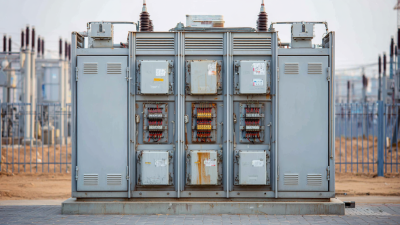
Maximize Your Outdoor Electrical Efficiency with the JP Outdoor Integrated Distribution Box
Maximizing outdoor electrical efficiency is crucial in today’s fast-paced urban and rural development. The JP Outdoor Integrated Distribution Box stands out as a vital component in this endeavor, seamlessly integrating essential functions such as metering, outgoing line management, and reactive power compensation. According to a report by the International Energy Agency, efficient distribution systems can reduce energy losses by up to 15%, highlighting the importance of investing in advanced technologies like the JP distribution box.
This innovative device is designed with comprehensive protection features against short circuits, overloads, overvoltages, and leaks, ensuring a reliable power supply while enhancing safety for outdoor operations. The compact and aesthetically pleasing design allows for easy installation on poles of outdoor pad-mounted transformers, making it an excellent solution for modernizing the power grid in both urban and rural areas. As per the U.S. Department of Energy, technologies that improve grid resilience and efficiency will play a significant role in achieving sustainability goals by 2030.
In conclusion, the JP Outdoor Integrated Distribution Box not only meets the growing demands of electrical efficiency but also serves as a cost-effective solution for utilities looking to upgrade their networks. By utilizing this next-generation distribution solution, municipalities can significantly enhance their power distribution capabilities while ensuring safety and reliability in their electrical systems.
FAQS
: Assessing supplier reliability is crucial because it enables organizations to leverage data-driven metrics to enhance supplier performance and mitigate risks, allowing for better decision-making in supplier selection and management.
Companies are leveraging advanced analytics and machine learning tools to analyze large datasets, providing actionable insights that enhance supplier evaluations and help identify potential issues before they escalate.
Strategic partnerships enhance supply chain efficiency by enabling companies to leverage shared resources, knowledge, and capabilities, ultimately leading to improved operations and value-added services for clients.
Companies ensure sustainable procurement by utilizing reliable data to track and measure supplier performance, which helps in making environmentally responsible choices and achieving profitability alongside sustainability goals.
Organizations should prioritize human rights and sustainable sourcing, implement robust audit processes to identify risks early, and foster meaningful partnerships with responsible suppliers.
Advanced technologies like deep learning and machine learning significantly enhance supplier evaluation processes by providing insights that ensure compliance with corporate social responsibility standards.
Focusing on scope 3 emissions allows companies to monitor their entire supply chain's environmental impact, aiding in sustainability reporting and ensuring a lower environmental footprint.
Collaborative relationships mitigate risks, elevate product quality, and enhance service delivery, helping companies thrive in a competitive landscape while ensuring seamless service integration.
Key components include leveraging data analytics, conducting thorough audits, focusing on sustainability, and fostering strategic partnerships to enhance operational efficiency and build resilience in the supply chain.
Real-time analytics are essential as they provide immediate insights that help organizations react quickly to potential issues, improving supplier management and operational efficiency.