Hey there! In today’s fast-changing world of energy, getting a good grip on Main Power Distribution systems is more important than ever if you want your operations to run smoothly and reliably. Let me introduce you to Jiangxi Guoxiang Electric Power Equipment Co., Ltd.—a company that’s been making waves since 2016 right here in Jiangxi Province. We’re proud to be a national high-tech enterprise, focusing on creating all-in-one power solutions that cover everything from research and development to manufacturing, sales, and engineering support. This guide is all about demystifying these vital power distribution systems—breaking down how they’re designed, put into place, and the huge role they play in keeping energy usage efficient. So, let’s explore the world of power distribution together—so you can make smarter choices and help your systems succeed sustainably.
Key Components of Main Power Distribution Systems and Their Functions
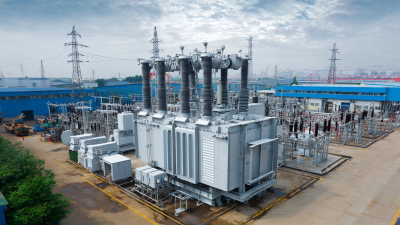
Power distribution systems are pretty much the backbone when it comes to delivering electricity smoothly, whether it’s in homes or huge factories. Honestly, getting a good grip on what the main parts are really helps in making sure everything runs efficiently. Take Transformers, for example—these are key because they tweak voltage levels so that electricity can travel over long distances without wasting too much energy. They're super important for keeping the voltage just right, whether it’s on its way or right at your outlet.
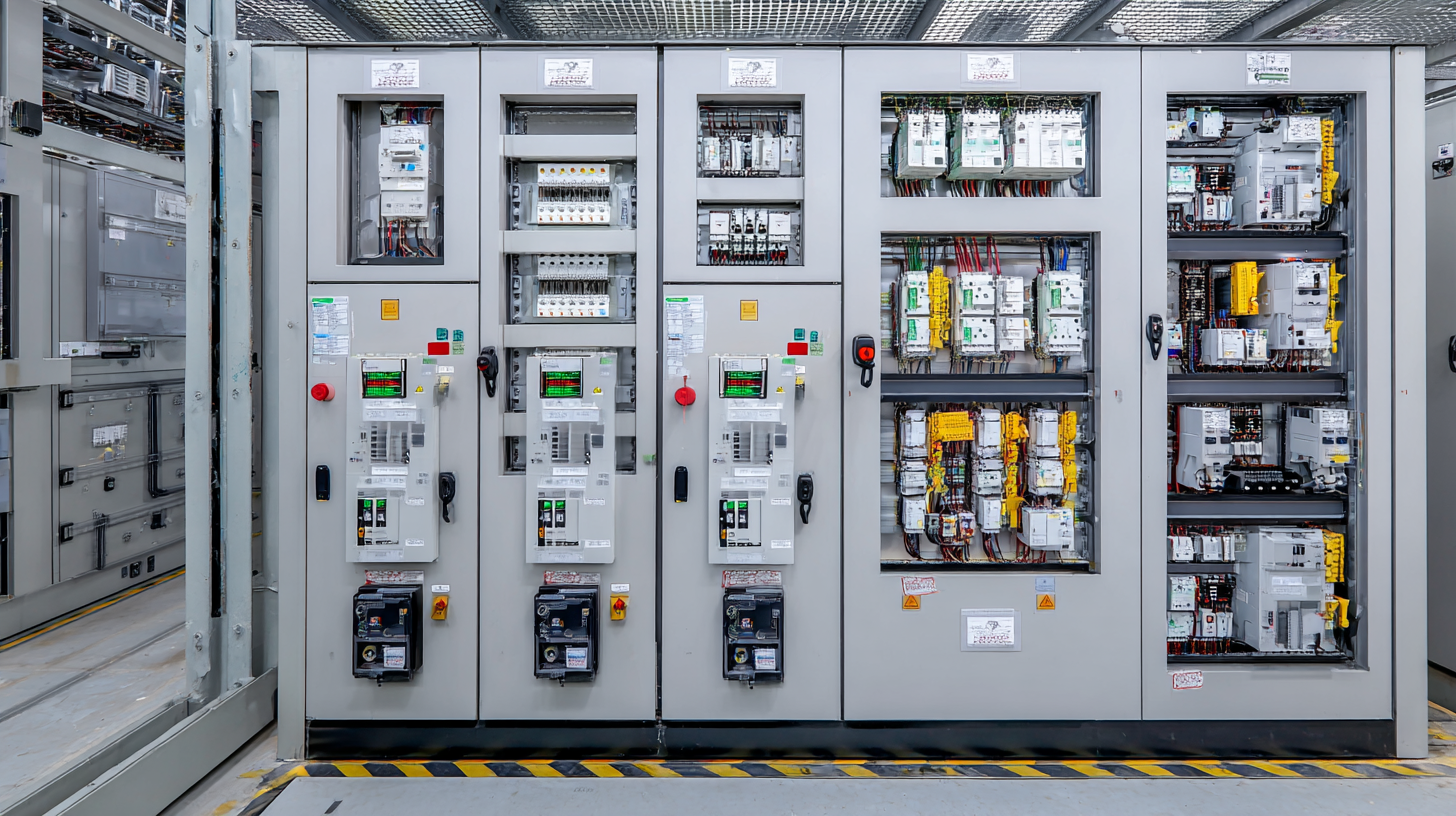
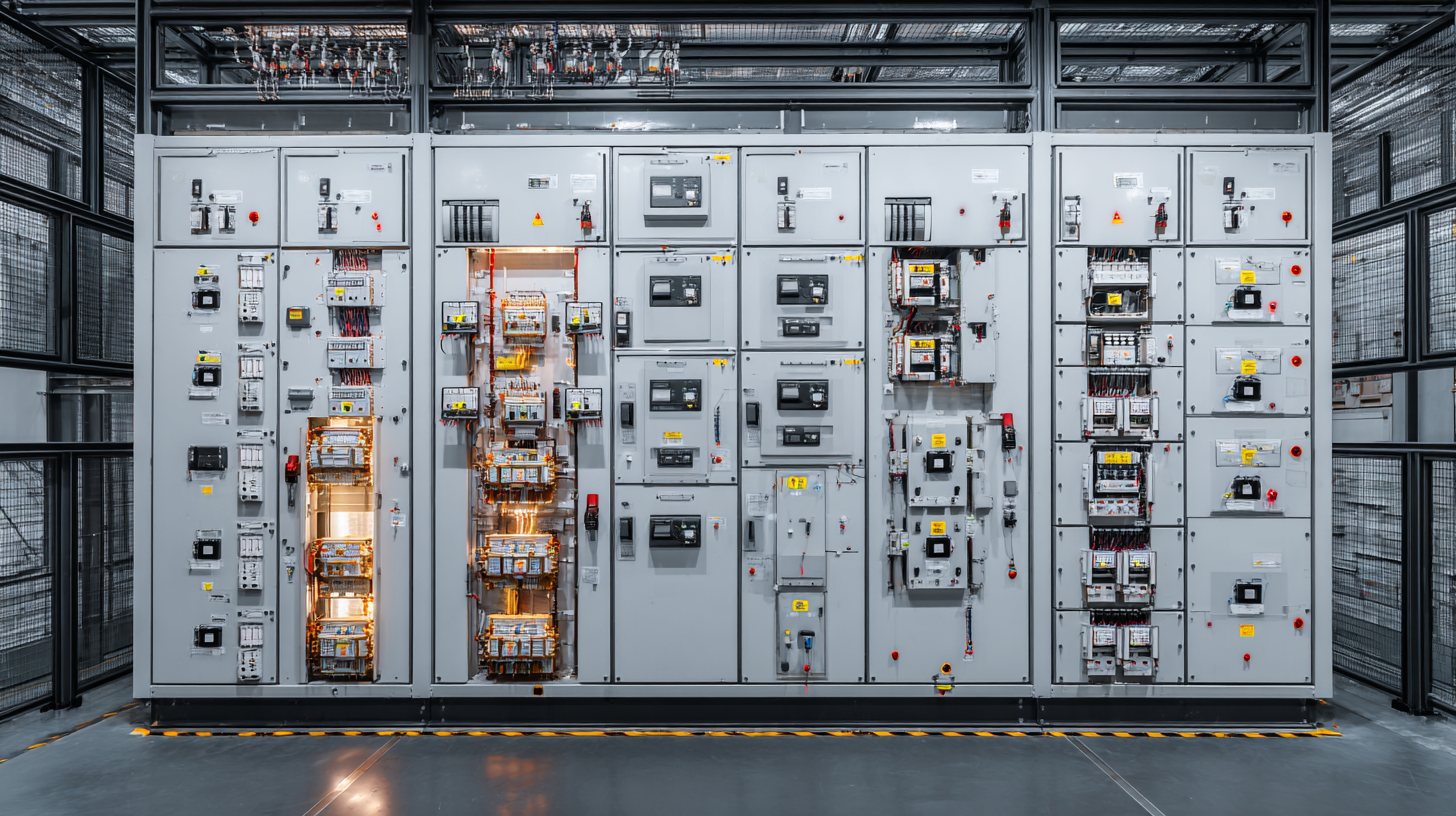
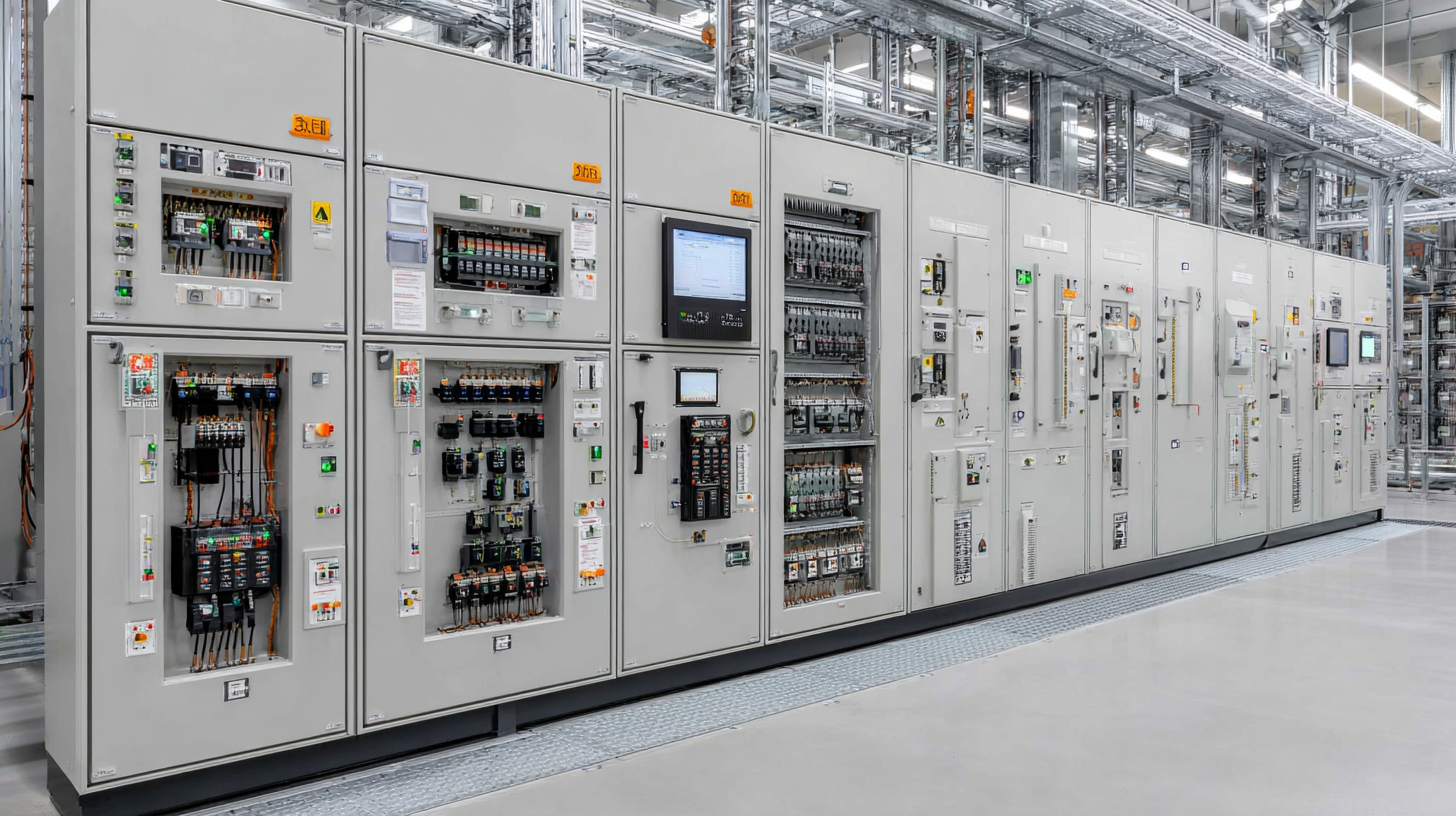
Then, there’s switchgear—think of it as the control center that keeps everything safe and running smoothly. It includes those circuit breakers and disconnect switches that can cut off power to a faulty area, preventing accidents and keeping downtime minimal. Plus, distribution panels are like the control hubs, splitting up the power to different circuits and making it a lot easier to keep an eye on how much energy you're using. All these parts working together not only make the power system more reliable but also help save energy—definitely a big deal in today’s world where energy needs are only growing.
The Importance of Efficient Power Distribution for Industrial Operations
Getting your power distribution right is a big deal for industrial operations. It directly influences how productive you can be, how much you end up spending on energy, and how long your equipment lasts. When your distribution system is optimized, it makes sure every corner of the facility gets the right voltage and current — this helps cut down on energy waste and lowers the chances of equipment breaking down unexpectedly. With energy prices on the rise lately, industries really need to pay attention to beefing up their power systems if they want to save some serious cash.
On top of that, a smartly designed power distribution setup can actually boost how efficiently your entire process runs. It makes load management a lot smoother, so energy gets directed exactly where it’s needed at any moment. This not only helps with cutting peak demand charges but also keeps your machines and gear running at their best. As companies lean more into automation and smart tech, having a reliable, efficient power system is more important than ever — it’s basically the backbone that keeps everything ticking and gives you a competitive edge.
Common Challenges in Power Distribution and Their Impact on Performance
In today's pretty complicated industrial world, power distribution systems are absolutely crucial for keeping things running smoothly. But, let’s be honest, there are plenty of hurdles that can slow things down—things that not only waste energy but also drag down productivity. Common headaches include load imbalances, aging infrastructure, and not enough maintenance, all of which can make power distribution less efficient, leading to unnecessary waste and higher costs. For example, if one phase carries way more load than the others, it can cause overheating and even equipment failures—that’s a direct hit to system reliability.
And with technology moving at lightning speed, these systems have to keep up. Incorporating renewable sources like solar and wind adds another layer of complexity, since they bring in variability that traditional systems just weren’t designed for. That’s why a comprehensive approach is so important—things like real-time monitoring and predictive maintenance can catch issues early, before they turn into big problems. By understanding these challenges and addressing them head-on, companies can make their power systems more efficient, which means lower costs and smoother operations all around.
Strategies to Optimize Energy Efficiency in Power Distribution Systems
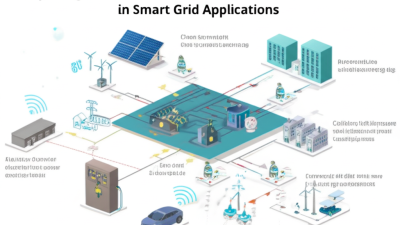
In our world today, where everyone’s pretty tuned into energy usage, finding smarter ways to manage power is more important than ever — both to save money and help out the environment. One of the coolest approaches lately is using smart grid tech. These systems let utilities keep an eye on electricity flows in real-time and make adjustments on the fly. Thanks to fancy sensors and automation, utilities can cut down on energy losses and distribute power more evenly, making sure energy gets where it’s needed most. And with predictive analytics, they can even get a head start on demand spikes, so planning and resource management get way easier.
Another big step is bringing renewable energy sources into the mix. Think solar panels, wind turbines, and storage batteries — adding these not only mixes things up but also cuts down on dependence on fossil fuels. It’s a move that makes the whole system more resilient and efficient, especially when we’re talking about decentralized power setups. Plus, putting money into energy-efficient gear like transformers and wiring can really cut down on waste during distribution, giving the entire system a nice boost. By blending new technology with eco-friendly practices, we can make our power grids way more efficient and better for the planet — it’s a win-win all around.
Future Trends in Power Distribution: Innovations for Improved Efficiency
As we navigate the tricky world of power distribution systems, it’s really important to keep an eye on the future trends that are sparking new innovations and making things more efficient. Recent studies suggest that smart grid tech could totally change how we distribute and manage electricity—kind of like a game-changer. In fact, a report from the International Energy Agency says that investing in smart grids could bump up global energy efficiency by up to 20%, which means a lot fewer energy losses along the way. Pretty cool, right?
And then there’s the whole thing with distributed energy resources, or DERs—they're basically giving consumers the power to generate and control their own energy. According to a report from Navigant Research, the global DER market might hit a staggering $167 billion by 2025. This shift not only makes our power systems more reliable but also pushes sustainability forward by making it easier to bring in renewable sources like solar and wind. As these innovations keep evolving, we're heading toward a more decentralized and smarter energy grid, which really changes the game for how we think about saving energy and protecting the environment.
Case Studies: Successful Implementation of Efficient Power Distribution Solutions
When you start digging into efficient power distribution solutions, it's really helpful to look at some real-world examples that show what's possible. For instance, there’s this manufacturing plant that was wasting a ton of energy because it was still running on old, outdated methods. So, they decided to go with a smart grid system, which helped optimize how they used power and even brought in renewable energy sources. The result? They cut their operational costs by about 20%, and their power supply became way more reliable. It’s a great example of how modernizing power systems can actually make a difference you can see.
Then there’s another case that’s pretty interesting—a
commercial real estate developer who was trying to cut down energy use across multiple buildings. They installed
smart energy management systems and set up
real-time monitoring of energy consumption. Within just a year, they managed to cut their electricity bills by
30%. Not only did this boost the overall efficiency of how they distributed power, but it also positioned them as a leader when it came to sustainable practices in their industry. These stories really show how smart power distribution solutions aren’t just about saving money—they’re about doing things better overall and pushing the industry forward.
2023 Data Insights: Enhancing Efficiency with GZDW DC Power Supply Cabinet in Modern Power Distribution Systems
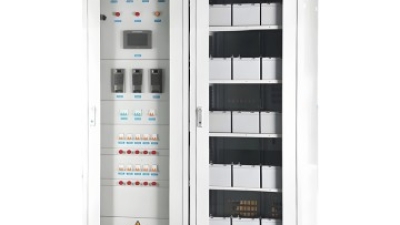
In the rapidly evolving landscape of power distribution systems, the GZDW series DC power supply cabinets stand out as a vital component for enhancing operational efficiency. With their application in power plants and substations, these systems provide a reliable DC power source crucial for high-voltage switch tripping, relay protection, automatic control, and emergency signaling. According to a recent industry report, the demand for advanced power supply solutions is projected to grow by over 8% annually as the reliance on automated systems increases in sectors such as telecommunications and healthcare.
The GZDW series caters to both normal and emergency scenarios, ensuring that critical operations continue without interruption. Microcomputer-controlled models allow for unattended, remotely monitored operations, which significantly reduce the need for on-site personnel. This innovation aligns with findings from the International Energy Agency, which highlight that the implementation of smart technologies can improve energy efficiency by 10-20% in medium to large-scale operations. Industries including metallurgy, rail, mining, and petrochemicals benefit immensely from these advancements, leading to enhanced safety and reliability in power distribution.
Moreover, the versatility of GZDW cabinets extends to high-rise buildings, further asserting their role in modern infrastructure. The ability to meet diverse DC power demands efficiently positions the GZDW DC power supply cabinets as indispensable in the trend towards smart energy solutions. With the increasing integration of technology in power systems, the significance of reliable and efficient DC power solutions cannot be overstated.
FAQS
: The key components include transformers, switchgear, and distribution panels, each playing a crucial role in optimizing the function and efficiency of power distribution.
A transformer converts voltage levels to ensure electricity can be transmitted over long distances with minimal energy loss and maintains suitable voltage levels for transmission and end use.
Switchgear safely manages and controls electrical flow within the distribution system, including circuit breakers and disconnect switches to isolate faulty sections, ensuring safety and reducing downtime.
Distribution panels serve as the central point for distributing electricity to various circuits, allowing for efficient monitoring and management of power usage.
One example is a manufacturing facility that upgraded to a smart grid system, reducing operational costs by 20% and enhancing energy reliability by optimizing power flow and integrating renewable energy sources.
By installing advanced energy management systems, they reduced electricity costs by 30% in the first year and improved overall power distribution efficiency, establishing themselves as leaders in sustainable practices.
Modernizing systems can lead to significant operational cost savings, improved reliability of power supply, and enhanced energy efficiency, which are crucial to meet modern energy demands.
Effective power distribution solutions directly contribute to operational efficiency by minimizing energy wastage, reducing costs, and promoting sustainable practices within various industries.
Conclusion
Today’s industrial world is pretty complex, and getting a good handle on Main Power Distribution Systems is kind of a big deal if you want smooth operations. So, I put together this comprehensive guide to break down the key components and what they do—because, honestly, understanding how power gets distributed efficiently can make a real difference. You’ll also find out about common hiccups in power systems and how these issues can drag down performance. Plus, I throw in some practical tips on how to boost energy efficiency.
Looking ahead, the post also dives into the latest trends and cool innovations shaping the future of power distribution—stuff that could totally reshape things for the better. To back it up, I include real-world examples and case studies showing how companies like Jiangxi Guoxiang Electric Power Equipment Co., Ltd., a high-tech enterprise focused on all-in-one power solutions, are staying ahead of the game. Basically, this resource’s aim is to be a handy tool for companies trying to keep up and lead in this field.