Hey, if you’ve been keeping up with how the energy world is changing so fast, you’ve probably heard about Electrical Transformers. Honestly, they’re kind of the unsung heroes of our power grids. Dr. Emily Carter from PowerTech Solutions even says, “Transformers are basically the backbone of our electrical system and are shaping the future of energy.” It’s not just some random device — it’s a real symbol of innovation, efficiency, and yeah, it faces its fair share of hurdles in today’s engineering scene.
Looking ahead to 2026, the push for energy-efficient solutions is only going to get stronger. The Transformers need to keep up with these changes, right? Still, issues like power losses and inefficiencies are still a thing we deal with. Fortunately, new tech is giving us hope — think smart transformers that can monitor and manage things way better. But, let’s be honest, it's not all smooth sailing; there are some challenges along the way.
Getting a grip on what makes the Electrical Transformer tick means understanding both its cool features and its flaws. This guide is here to dive into where the industry is headed, new technologies popping up, and some of the debates buzzing around this stuff. We’re bringing in insights from industry pros and real-world examples to hopefully light the way forward. At the heart of it all — the Transformer — is all set for its next big transformation.
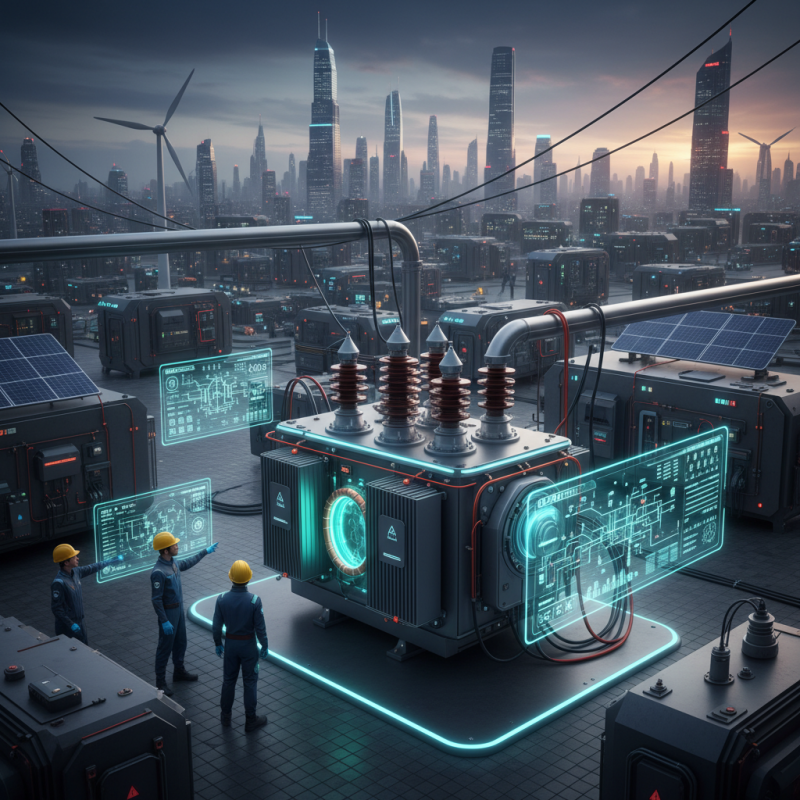
Overview of Electrical Transformers: Key Concepts and Definitions
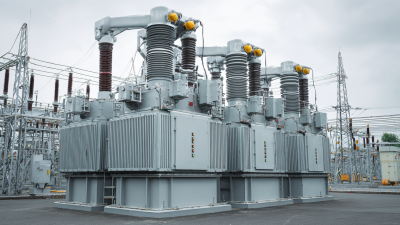
Electrical transformers play a vital role in Power Distribution Systems. They convert high voltage electricity to lower levels. This process allows safe delivery to homes and businesses. Understanding their key components is essential. Most transformers consist of two or more coils, known as windings. These windings are wrapped around a core made of magnetic material.
Tip: Always check the transformer's voltage rating before use to avoid mishaps.
Transformers operate based on electromagnetic principles, allowing energy transfer without a direct connection. Nonetheless, not all transformers are efficient. Some might waste energy as heat. This can lead to increased operational costs over time. Regular maintenance is crucial to ensure optimal performance.
Tip: Schedule routine checks to identify potential issues early.
In understanding transformers, remember that size matters. A larger transformer often handles more power but may take up space. Consider both your power needs and available area. Effective planning can prevent future headaches. Pay attention to specifications and installation guidelines.
Types of Electrical Transformers: Design and Functionality Explained
Electrical transformers play a crucial role in power distribution and regulation. They come in various types, each serving specific functions. The most common varieties include step-up transformers and step-down transformers. Step-up transformers increase voltage levels for long-distance transmission. This helps minimize energy loss. In contrast, step-down transformers decrease voltage levels for safe consumption by homes and businesses.
Another interesting type is the Electrical Box Transformer. This transformer is designed for compact installation. It is often used in residential applications. Its design allows it to fit in smaller spaces while still providing efficient power transformation. However, its smaller size can limit its capacity. Users should consider this when planning installations.
Transformers also vary in design, such as core type and shell type. Each design choice impacts efficiency and performance. It is essential to understand these differences when selecting a transformer. A poorly chosen transformer may lead to energy wastage. This could result in higher costs over time. Hence, it's vital to assess the needs before making a decision.
The Role of Transformers in Modern Power Systems in 2026
In 2026, electrical transformers play a crucial role in modern power systems. These devices efficiently convert voltages, ensuring electricity flows smoothly from generation sites to consumers. They are vital in managing energy during peak demand times, balancing supply and demand effectively.
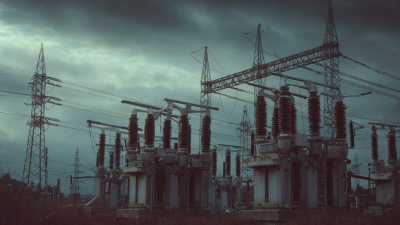
Transformers are not without their challenges. Aging infrastructure can lead to inefficiencies. Some transformers may experience overheating or energy losses. Routine maintenance is essential but often overlooked. An Electrical Transformer Substation may not function optimally without regular checks. So, it's critical to address these issues proactively.
The integration of renewable energy also affects transformer operations. Fluctuating energy sources can confuse traditional systems. Adaptation is necessary for stable performance. Innovations in transformer design are needed. They must better meet the evolving demands of a greener future. Addressing these concerns will enhance the reliability of power systems for all users.
Advancements in Transformer Technologies: Innovations and Trends
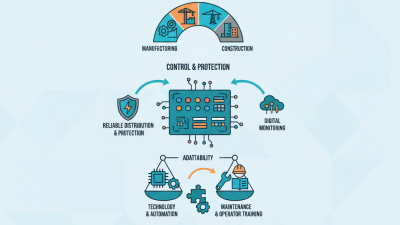
The field of electrical transformers is witnessing remarkable advancements in 2026. Innovative technologies are reshaping how transformers function and integrate into energy systems. Smart transformers are now equipped with digital sensors and IoT connectivity. These features allow for real-time monitoring and data analysis, enhancing efficiency significantly. However, the implementation of such technologies often requires skilled personnel and extensive training.
Sustainability is another key trend driving change in transformer design. Manufacturers are focusing on eco-friendly materials and energy-efficient models. Some transformers are now using biodegradable insulating oils. This reduces environmental impact but raises questions about performance and longevity. Innovation often comes at a cost. We must evaluate whether the benefits truly outweigh potential drawbacks.
Furthermore, there is a push for modular transformer designs. Modularity allows for easier upgrades and maintenance, which can enhance system reliability. Yet, the standardization needed for modular components is still lacking. As the industry grapples with these challenges, it becomes clear that future advancements depend on both technological breakthroughs and practical considerations. The path ahead is filled with potential, but it also demands careful reflection.
Challenges Facing Electrical Transformers: Maintenance and Efficiency Issues
Maintaining electrical transformers is a growing challenge in 2026. Aging infrastructure contributes to frequent issues. According to a recent industry report, 25% of transformers require urgent upgrades. Neglected maintenance leads to inefficiencies. These inefficiencies can result in energy losses up to 5%. That's a significant figure when considering global consumption.
Efficiency matters in today's energy landscape. The International Energy Agency noted that enhancing transformer efficiency could save billions of kilowatt-hours annually. Yet, companies often focus on immediate fixes, overlooking long-term benefits. Regular diagnostics are essential, but many firms skip these crucial steps. This oversight can create a cascade of problems.
Moreover, the rise of renewable energy sources impacts transformer performance. Adapting older systems to new technologies isn't easy. Many transformers remain incompatible with modern electrical systems. The Electrical Panel Transformer plays a vital role in this transition. However, reluctance to invest in updates holds back progress. Embracing change is necessary. The industry must reflect on its approach to maintenance and efficiency.
Ultimate Guide to Electrical Transformers in 2026 - Challenges Facing Electrical Transformers: Maintenance and Efficiency Issues
| Issue | Description | Impact on Efficiency (%) | Recommended Maintenance Frequency |
| Insulation Degradation | Deterioration of insulation materials over time. | 10-15 | Every 2 years |
| Cooling System Failure | Failure in the cooling system can lead to overheating. | 20-25 | Annual |
| Load Imbalance | Uneven distribution of electrical load across phases. | 5-10 | Quarterly |
| Corrosion | Rust and corrosion on metal components affecting performance. | 10-20 | Biannual |
| Transformer Age | Older transformers are more prone to failures and inefficiencies. | 15-30 | Annual Checks |
Future Prospects: Smart Transformers and Their Impact on Energy Grids
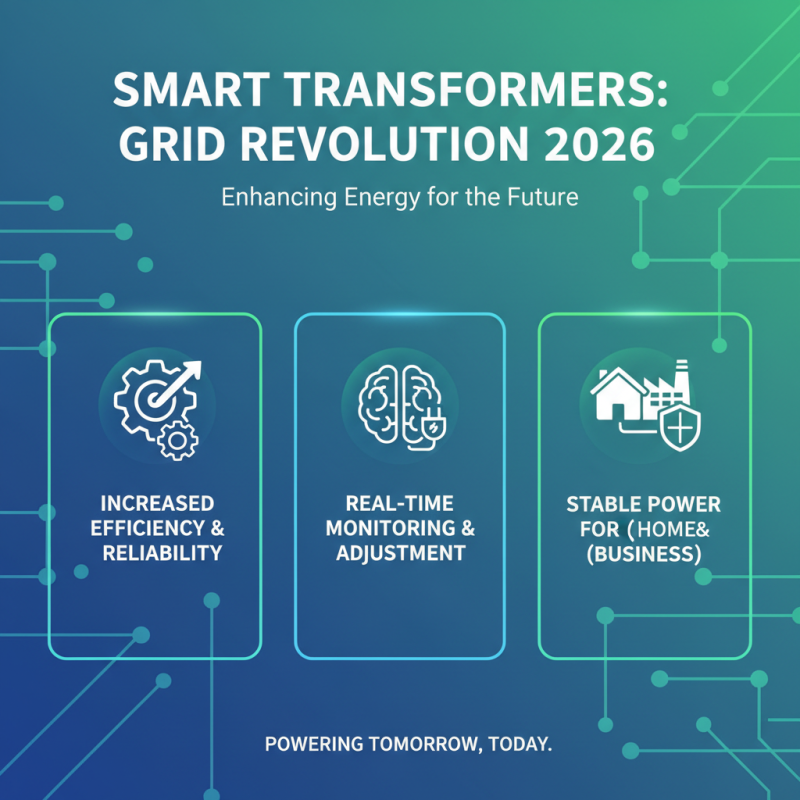
In 2026, smart transformers are poised to revolutionize our energy grids. These advanced devices enhance efficiency and reliability while managing power distribution. They can monitor energy flows in real-time, adjusting operations for maximum efficacy. This means a more stable supply for homes and businesses alike.
Smart transformers integrate communication technologies, allowing them to interact with the broader grid. They enable better integration of renewable energy sources. However, as we embrace their potential, challenges arise. Cybersecurity remains a concern. Protecting these devices from cyber threats is crucial. Moreover, there is a need for skilled personnel to manage these systems.
Adopting smart transformers can also complicate local energy policies. Cities may need to revise regulations to accommodate new technologies. Balancing innovation with oversight will be essential. As we move forward, the journey towards smarter energy systems is fraught with both opportunities and risks. The future is bright, yet requires careful navigation.
Regulatory Frameworks and Standards for Transformers in 2026
In 2026, the regulatory frameworks for electrical transformers are evolving. New standards focus on efficiency and sustainability. The demand for Electrical Substation Transformers is on the rise, driven by changes in energy sources. Reports show a projected growth rate of around 6% annually in transformer efficiency standards. Compliance with these standards ensures safety and reliability.
It's crucial to stay updated on regulations. Check local guidelines and standards regularly. Frequent updates can affect project timelines and budgets. Maintaining compliance will prevent costly delays.
Innovation is key. Companies are adopting smart technology in transformers. These advancements provide enhanced monitoring and predictive maintenance capabilities. However, balancing new tech with traditional practices can pose challenges. Clarity is required to integrate old systems with new standards effectively. Don't overlook the importance of training staff on new regulations and technologies.
Transformers play a vital role in modern power systems. By 2026, understanding the regulatory landscape will be critical for success. Being proactive in response to changes is essential.
FAQS
: Think about your interests and what activities excite you. Time commitment is also important to assess.
Break tasks into smaller steps. Prioritize your work and avoid multitasking to remain focused.
Deep breathing exercises can help. Engaging in physical activity or hobbies can relieve stress.
Yes, goals provide direction. However, be flexible and ready to adjust them as needed.
Regular communication is key. Show appreciation and be open to understanding different perspectives.
It allows for personal insight. Sometimes, it highlights areas for improvement that need attention.
Conclusion
The article titled "Ultimate Guide to Electrical Transformers in 2026" provides a comprehensive examination of electrical transformers, covering essential concepts and definitions that underpin their functionality. It explores various types of electrical transformers, detailing their design and roles in modern power systems as of 2026. Additionally, the article delves into advancements in transformer technologies, highlighting innovations and trends that are reshaping the industry.
Challenges such as maintenance and efficiency issues are discussed, providing a realistic perspective on the operational hurdles faced by electrical transformers today. Looking ahead, the article emphasizes the emergence of smart transformers and their significant potential to transform energy grids, while also addressing the evolving regulatory frameworks and standards that will impact the future of electrical transformers in the coming years.