When it comes to managing power, choosing the right Distribution Cabinet really can’t be overstated. Experts agree that getting the electrical distribution just right depends heavily on having the proper infrastructure. John Smith, who's a well-known electrical engineer over at Power Solutions Inc., puts it simply: "A good-designed Distribution Cabinet not only saves energy but also keeps things safe and reliable when you're distributing power." As industries keep growing and the need for a stable power supply gets more urgent, having high-quality Distribution Cabinets is more important than ever. These cabinets are pretty much the backbone of making sure electrical systems run smoothly, and they give you better control and monitoring of the power flow. Nowadays, there’s a wide range of cabinets out there, tailored for everything from homes to big industrial setups. Getting to know the main types of Distribution Cabinets helps companies make smarter choices, which leads to better energy efficiency. By understanding what each type offers — their features and benefits — organizations can boost their electrical systems, helping them be more productive and cut down on costs. When you’ve got the right info, you can really tap into the full potential of your Power Distribution System, making sure your energy future stays reliable and efficient.
Overview of Distribution Cabinets in Power Management
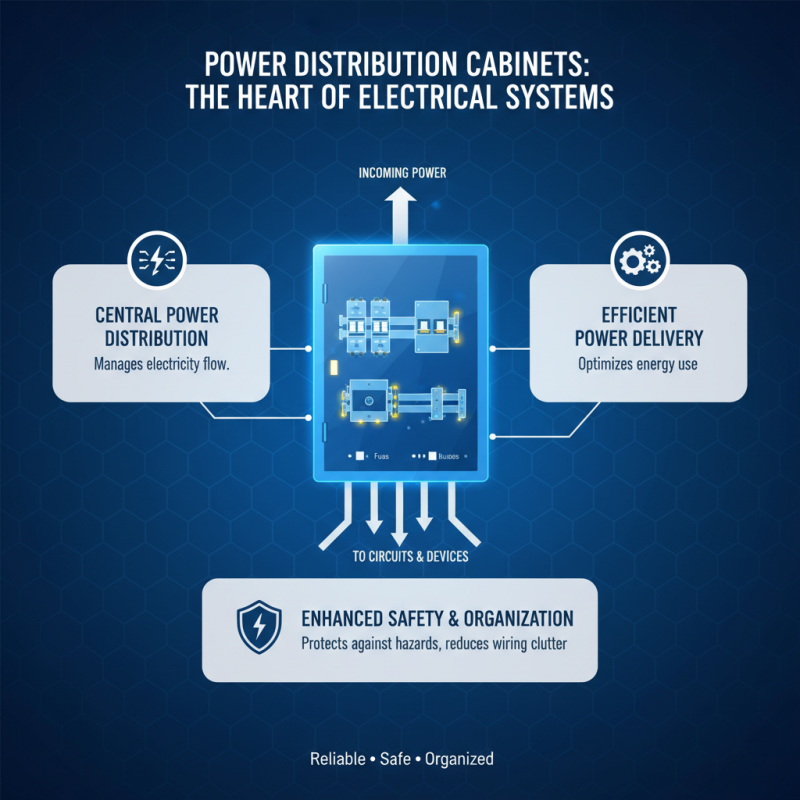
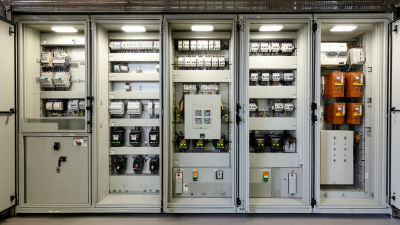
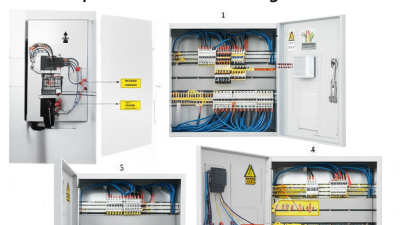
Distribution cabinets play a crucial role in power management, serving as the central point for distributing electricity to various circuits and devices within a system. They house essential components such as Circuit Breakers, fuses, and busbars, ensuring that electrical power is distributed efficiently and safely. By organizing multiple circuits within a single cabinet, they reduce the risks associated with tangled wiring and enhance the overall safety of electrical installations.
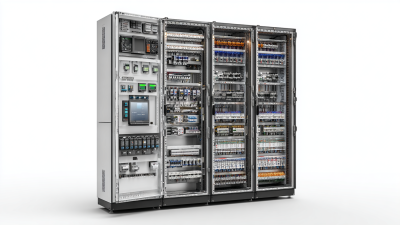
In power management, the selection of the right type of distribution cabinet can significantly affect performance and energy efficiency. Different designs, such as floor-mounted or wall-mounted cabinets, cater to varying space requirements and functional needs. Additionally, cabinets can be customized with features like ventilation systems or climate control to protect sensitive equipment from environmental factors. By understanding the specific demands of their electrical systems, users can choose distribution cabinets that optimize energy distribution and enhance operational reliability.
Key Functions and Benefits of Distribution Cabinets
Distribution cabinets play a crucial role in efficient power management, serving as the central point for electrical distribution and protection. These cabinets house various components like circuit breakers, fuses, and disconnect switches, facilitating the organized distribution of electrical power throughout a facility. One of the key functions of distribution cabinets is their ability to enhance safety. By protecting electrical circuits from overloads and short circuits, they minimize the risk of electrical fires and equipment damage.
In addition to safety, distribution cabinets contribute to energy efficiency. By allowing for better organization and monitoring of electrical systems, these cabinets enable facility managers to identify excess energy usage and make informed decisions on power allocation. Moreover, modern distribution cabinets often come equipped with smart technology, enhancing their capability to track energy consumption and automate responses to overload situations.
Tip: When selecting a distribution cabinet, consider the specific power requirements of your facility. Ensure that the cabinet’s capacity aligns with the anticipated load to maximize performance and safety.
Regular maintenance is also essential for optimal operation. Inspecting connections and components frequently can help identify wear and tear before it leads to significant issues. Implementing a routine check-up schedule ensures that your power distribution systems remain efficient and reliable.
Types of Distribution Cabinets for Different Applications
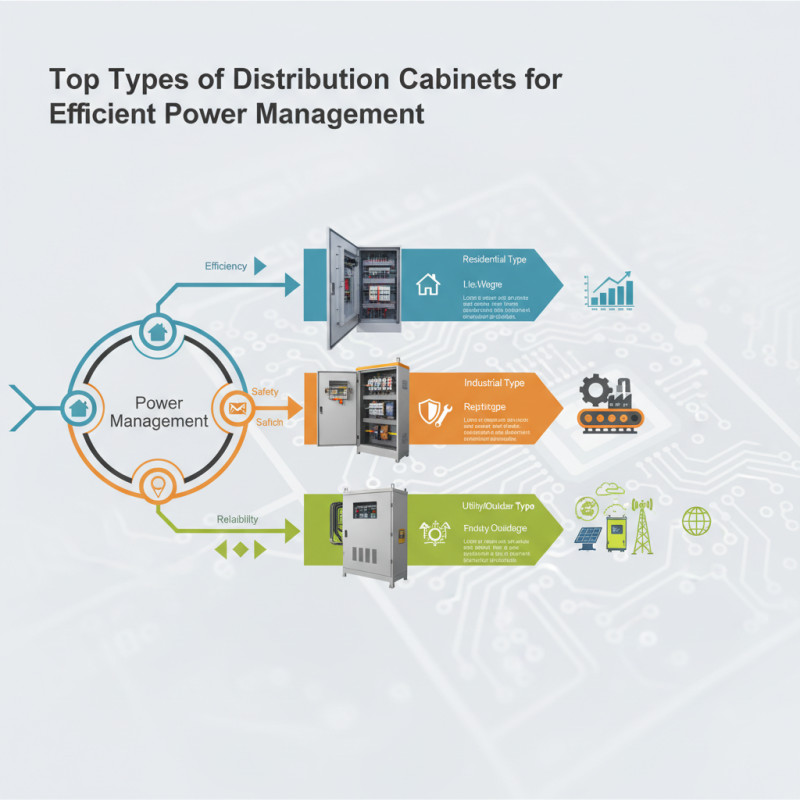
When it comes to power management, choosing the right distribution cabinet is crucial to ensuring operational efficiency across various applications. Distribution cabinets serve as a central hub for controlling and distributing electrical power to multiple circuits. There are several types designed for specific applications, including industrial, commercial, and residential usage, each with unique requirements. According to industry research from the International Electrotechnical Commission (IEC), approximately 30% of power supply issues are linked to inadequate infrastructure, making the selection of an appropriate distribution cabinet critical.
In industrial settings, metal enclosures are often preferred due to their durability and resistance to harsh environments. These cabinets can withstand high temperatures and exposure to dust and chemicals, ensuring reliability in challenging conditions. On the other hand, modular distribution cabinets are gaining popularity in commercial applications, as they offer flexibility and scalability to adapt to evolving power demands. As reported by the National Electrical Manufacturers Association (NEMA), modular systems can reduce installation time by up to 20%.
Tips: When selecting a distribution cabinet, consider the load requirements and environmental factors. Always ensure that the cabinet is compliant with local codes and standards, as this can significantly impact safety and efficiency. It’s also beneficial to integrate smart monitoring solutions to track energy consumption and identify potential issues early. For residential applications, opting for compact and aesthetically pleasing designs will not only enhance functionality but also blend seamlessly with interior decor.
Factors to Consider When Selecting a Distribution Cabinet
When selecting a distribution cabinet for efficient power management, several critical factors should be considered to ensure optimal performance and safety. First, the size and capacity of the cabinet are paramount. It’s essential to choose a cabinet that can accommodate the current load and any future expansion needs. This involves assessing the electrical load requirements, as an undersized cabinet may lead to overheating and increased risk of failure, while an oversized one can be unnecessarily costly.
Another key consideration is the material and construction of the cabinet. Distribution cabinets can be made from various materials, including steel, plastic, or aluminum, each offering different levels of durability and resistance to environmental factors. For instance, cabinets used in outdoor settings should be weatherproof and corrosion-resistant to protect the internal components from damage. Additionally, the design should allow for adequate ventilation to dissipate heat away from the electrical components, thereby enhancing reliability and longevity.
Lastly, compliance with local electrical codes and standards is critical when selecting a distribution cabinet. This ensures not only the safety of the installation but also legal adherence, as regulations can dictate specific design and operational requirements. Furthermore, features such as accessibility for maintenance, the ease of installation, and integration capability with existing systems should be taken into account to facilitate effective management of power distribution.
Installation and Maintenance Best Practices for Distribution Cabinets
When it comes to installation of distribution cabinets, adherence to best practices is crucial for optimal performance and safety. Firstly, ensuring proper placement is vital; distribution cabinets should be located in a dry, accessible area, away from direct sunlight and potential water ingress. This not only protects the electrical components but also facilitates easier maintenance access. Additionally, it’s important to maintain adequate spacing around the cabinet for ventilation, as overheating can lead to system failures.
Maintenance practices play an equally significant role in the longevity and functionality of distribution cabinets. Regular inspections should include checking connections for signs of wear, ensuring that all components are securely fastened, and monitoring for any signs of corrosion or moisture buildup. Dust and debris should be cleared periodically to prevent electrical faults. Moreover, conducting routine testing of circuit breakers and other protective devices can enhance safety and mitigate the risk of unexpected outages. Implementing these installation and maintenance best practices will contribute to effective power management and reliability of electrical systems.
Innovative Features in Modern Distribution Cabinets
Modern distribution cabinets have evolved significantly, equipped with innovative features designed to enhance power management efficiency. Recent industry reports indicate that the global market for electrical distribution cabinets is projected to grow at a CAGR of approximately 6.3% through 2028, driven by the increasing demand for energy efficiency and advanced electrical systems. One of the standout innovations in contemporary distribution cabinets is the integration of smart monitoring technologies. These systems utilize IoT connectivity to provide real-time data on energy consumption and load distribution, allowing for proactive management and the mitigation of potential failures.
Another critical advancement in modern distribution cabinets is the implementation of modular designs that enable flexible configuration. According to a study by Technavio, modular distribution cabinets enhance scalability, allowing businesses to adapt their electrical systems swiftly in response to evolving energy demands. This flexibility not only streamlines installations but also reduces downtime during upgrades or repairs. Enhanced thermal management features, such as improved ventilation systems and temperature monitoring sensors, are also increasingly standard, preventing overheating and ensuring optimal performance under varying load conditions.
Moreover, safety features have also seen considerable enhancements. Many new distribution cabinets come equipped with advanced surge protection devices and fault detection technology. This aligns with the National Fire Protection Association (NFPA) reports that highlight a growing necessity for improved safety standards in electrical installations, especially in commercial and industrial settings. Such innovations collectively ensure that distribution cabinets not only meet modern energy demands but also prioritize safety and efficiency, solidifying their role as critical components in contemporary power management systems.
Top Types of Distribution Cabinets for Efficient Power Management - Innovative Features in Modern Distribution Cabinets
| Type of Distribution Cabinet | Key Features | Applications | Efficiency Improvements |
| Modular Distribution Cabinet | Flexible configuration, scalable design | Industrial and commercial applications | Improves space utilization and lowers installation time |
| Floor Standing Cabinet | Durable construction, ample storage space | Data centers, electrical control | Accommodates high-capacity systems while maintaining airflow |
| Wall Mounted Cabinet | Space-saving design, easy access | Small offices, retail environments | Reduces floor space usage and enhances accessibility |
| Outdoor Distribution Cabinet | Weather-resistant, secure enclosure | Telecommunications, renewable energy | Protects equipment and maintains operational integrity |
| Smart Distribution Cabinet | IoT integration, remote monitoring | Smart cities, advanced manufacturing | Enhances energy efficiency through real-time data |
Future Trends in Distribution Cabinet Technology
The future of distribution cabinet technology is poised for remarkable advancements driven by evolving demands for efficiency and sustainability in power management. As organizations focus on reducing their carbon footprint, the integration of smart technologies in distribution cabinets has become increasingly important. A recent report from the International Energy Agency highlights that smart grid technologies, including advanced metering infrastructure in distribution systems, could enhance energy efficiency by up to 30% by 2030. This trend suggests a shift towards more adaptive, real-time management of power flow, optimizing resource utilization while minimizing waste.
Additionally, the incorporation of IoT (Internet of Things) capabilities is transforming distribution cabinets into intelligent hubs capable of data collection and analysis. According to a survey by ResearchAndMarkets, the global smart energy market, which includes intelligent distribution systems, is projected to grow at a compound annual growth rate (CAGR) of 20.3% from 2022 to 2030. This expansion reflects the growing interest in predictive maintenance and remote monitoring functionalities, positioning distribution cabinets at the forefront of energy management strategies. The growing emphasis on modular designs also caters to the need for scalability in electrical distribution, allowing facilities to efficiently adapt to increasing power demands without overhauling existing infrastructure.
Top Types of Distribution Cabinets for Efficient Power Management
FAQS
: Distribution cabinets serve as central hubs for controlling and distributing electrical power to multiple circuits, crucial for operational efficiency in various applications.
Industrial settings typically prefer metal enclosures due to their durability and resistance to harsh environments, ensuring reliability under high temperatures and exposure to dust and chemicals.
Modular distribution cabinets offer flexibility and scalability, allowing businesses to adapt to changing power demands and can significantly reduce installation time.
Key considerations include load requirements, environmental factors, local code compliance, and the potential integration of smart monitoring solutions for efficient energy management.
Distribution cabinets should be installed in dry, accessible areas away from sunlight and water, with adequate spacing for ventilation to prevent overheating.
Regular inspections, monitoring for wear or corrosion, clearing dust, and routine testing of protective devices are essential for maintaining longevity and operational reliability.
Innovations include smart monitoring technologies utilizing IoT for real-time data, modular designs for flexible configurations, and enhanced thermal management features.
Enhanced safety features, like surge protection devices and fault detection technology, address the increasing necessity for improved safety standards in electrical installations.
Smart technology allows for proactive management of energy consumption and potential failures, improving overall efficiency and reliability of electrical systems.
Modular designs enable easier configurations and upgrades, reducing downtime and streamlining installation processes, making them more adaptable to evolving energy demands.
Conclusion
Distribution cabinets play a crucial role in efficient power management by housing and protecting electrical components and ensuring optimal distribution of electricity throughout a facility. They not only provide organization and safety but also include key functions that enhance reliability and performance. Various types of distribution cabinets are designed for different applications, from residential to industrial uses, allowing for customization based on specific power needs.
When selecting a distribution cabinet, important factors such as size, material, and installation environment must be considered. Best practices for installation and maintenance ensure longevity and functionality, while innovative features in modern distribution cabinets, such as smart monitoring capabilities, are paving the way for future advancements in technology. Understanding these aspects is vital for any business looking to improve their electrical infrastructure and power management strategies.