In today's electrical systems,Transformer Coils are absolutely essential for making sure power gets distributed efficiently and reliably. Have you heard that, according to theInternational Energy Agency, global electricity needs are expected to jump by around 60% by 2030? That’s a huge increase, and it really underscores the need for smarter solutions to keep our energy infrastructure running smoothly.
Here at Jiangxi Guoxiang Electric Power Equipment Co., Ltd., which has been around since 2016, we truly understand just how important transformer coils are when it comes to voltage regulation and Energy Efficiency. As a high-tech company focused on integrated power solutions, we’re all about innovating and providing top-quality transformer coils.
Our work spans everything from research and development to manufacturing and engineering—keeping us at the forefront of the electrical equipment scene. By harnessing the latest technology, we're ready to meet the growing energy demands and help shape a more reliable and efficient future.
The Fundamentals of Transformer Coils in Electrical Systems
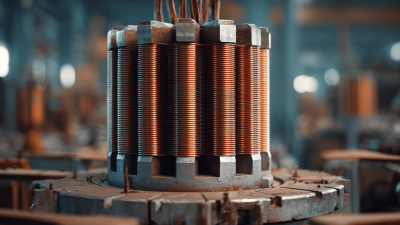
Transformer coils might sound pretty technical, but they’re actually pretty vital parts of electrical systems. Basically, they help make sure power gets transmitted efficiently and voltage levels stay just right. At their core, these coils are just wires wrapped around a magnetic core, and they work based on the whole electromagnetic induction thing. So, when you run alternating current through the primary coil, it creates a changing magnetic field that then induces a current in the secondary coil. That’s how transformers can boost or reduce voltage – it’s all about adapting electricity for different uses.
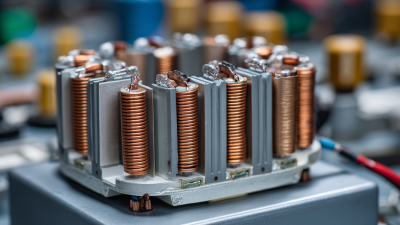
The way these coils are designed, and what materials are used, really matters when it comes to how well they perform. Usually, copper or aluminum are the go-to choices because they’re good conductors and affordable too. The number of turns in the coil decides how much the voltage will be stepped up or down. For example, more turns in the primary compared to the secondary can mean a higher voltage output, which comes in handy for things like transmitting power over long distances. And don’t forget, aspects like insulation, cooling methods, and winding techniques play a big role in keeping these coils efficient and lasting longer in today’s electrical setups.
Types of Transformer Coils and Their Specific Functions
Transformer coils are kinda the backbone of modern electrical systems, and there are different types, each designed for specific jobs. Really, the two main ones you hear about are the primary and secondary coils. The primary coil gets the input voltage — that’s what powers things up — and creates a magnetic field, while the secondary coil takes that and steps the voltage up or down to something suitable for different devices. Getting these coils just right is super important because they directly impact how well the whole transformer works. And get this — industry experts are even predicting that the market for transformers could hit around $57.8 billion by 2030. Pretty wild, huh?
On top of the classic designs, there’s been some pretty cool advancements in how coils are made. Like, now we have dry-type transformers with foil windings, which are not only more efficient but also smaller compared to those traditional oil-filled ones. All these innovations are thanks to ongoing research in electrical engineering—stuff like using wavelet transforms and neural networks for smarter fault detection. These tech leaps boost the reliability and safety of power transformers, highlighting just how vital these coils are in keeping our energy flow smooth and efficient.
Key Factors Influencing Transformer Coil Performance
Transformer coils are pretty much the backbone of electrical systems, really playing a big role in how well everything works. One thing that’s super important? The type of core material you choose. Materials like silicon steel are favorites because they boost magnetic efficiency and help cut down energy losses – it’s like giving the system a bit of a boost. The design of the core itself also matters a lot. Laminated cores, for example, are great because they help reduce eddy current losses, and amorphous steel cores take it even further by lowering hysteresis losses, which means overall better energy efficiency.
Then there’s the winding setup – how you arrange those conductors makes a difference too. Whether in cylindrical or disc shapes, the winding setup can change the voltage transformation ratio and even affect how hot the transformer gets during use. Oh, and let’s not forget about insulation. Picking the right insulation material—something that can handle high temps and last a long time—is crucial for safety and making sure the transformer keeps running smoothly over the years. Lastly, environmental stuff like temperature and humidity can impact how coils perform, so designing with those factors in mind is key to keeping everything working reliably in different conditions.
Common Applications of Transformer Coils in Modern Technology
You know, transformer coils might not be something everyone thinks about, but they actually play a pretty crucial role in so many of our modern tech gadgets. Whether it's keeping the power flowing smoothly across the grid, supporting renewable energy setups like solar and wind, or even powering up electric vehicles, these little devices are everywhere. I read somewhere that the global market for transformers is expected to hit around $76.6 billion by 2026—no small feat, right? That just shows how essential they are in handling and managing electrical energy. In power grids, transformer coils basically help ramp up or bring down voltage levels, making sure electricity can travel long distances without losing too much power and safely reach homes and factories alike. Then, in renewable energу, they're super important for connecting things like wind turbines and solar panels to the main grid. They transform the voltage levels to make everything compatible, which is a pretty neat trick. The International Energy Agency even says that by 2025, over 30% of the world’s electricity might come from renewable sources—that’s a huge deal, and it means transformer coils will be more and more vital. Oh, and in electric cars, these coils are used inside charging systems to manage how power flows, which makes charging safer and more efficient. As technology keeps moving forward, I think we’re going to see transformer coils playing an even bigger role in our lives—kind of like the unseen heroes of the electrical world.
Understanding the Role of Transformer Coils in Modern Electrical Systems - Common Applications of Transformer Coils in Modern Technology
| Application | Description | Typical Voltage Range | Efficiency |
| Power Distribution | Used to step up or step down voltage levels for efficient power transmission. | 11kV to 132kV | 95% - 98% |
| Voltage Regulation | Maintains constant voltage levels for electrical loads. | 120V to 480V | 90% - 95% |
| Isolation | Used to isolate different parts of a circuit for safety and protection. | 1kV to 20kV | 90%+ |
| Audio Equipment | Utilized for impedance matching and signal coupling in audio systems. | Low voltage (1V to 10V) | 85% - 90% |
| Renewable Energy | Converts the variable voltage output from solar panels or wind turbines. | 300V to 1000V | 95% - 97% |
Maintenance Practices for Ensuring Optimal Transformer Coil Efficiency
Transformer coils are honestly pretty crucial when it comes to modern electrical systems. Keeping them running smoothly isn't just a good idea—it’s key for everything to work well overall. Doing regular maintenance, like thermal imaging checks and insulation resistance tests, can really extend how long these coils last. For example, the IEEE standards on maintaining power transformers suggest that staying on top of these practices can cut down unexpected outages by up to half! Basically, catching issues early helps avoid big problems down the line, saving money and making the whole system more reliable.
And get this—following the manufacturer’s maintenance advice can boost coil efficiency by around 30%. Keeping the coils clean and free from dirt or other contaminants, plus testing the oil regularly, makes sure they stay cool and perform at their best. A 2019 report from the International Energy Agency even said that making transformers more efficient could help cut global electricity use by up to 10%. So, putting effort into proper maintenance isn’t just good for the coils—it’s also a smart move for energy savings and sustainability. All in all, staying diligent here means better performance, fewer surprises, and yeah, better for the planet too.
Future Trends in Transformer Coil Design and Innovation
Looking ahead, the future of transformer coil design and innovation is really being driven by new materials and tech. Researchers are diving into fresh insulation options that can handle more heat and electricity — which not only boosts efficiency but also helps transformers last longer. Plus, the buzz around nanomaterials and composite polymers is all about making lighter, more compact coils that can manage higher power loads. That means smaller, more efficient electric systems are getting closer to reality.
On top of that, smart tech is totally changing the game for transformer coils. By tossing in sensors and IoT connectivity, these coils can now be monitored in real-time, making it easier to predict issues before they become serious and cutting down on unexpected downtime. As industries and utilities push toward greener solutions, having smart, eco-friendly transformers will really help with better energy management and seamlessly integrating renewable sources. And with a focus on recyclable materials, these designs are not only smarter but also better for the planet in the long run.
Design and Benefits of the American Type Combined Transformer Substation for Modern Power Distribution Systems
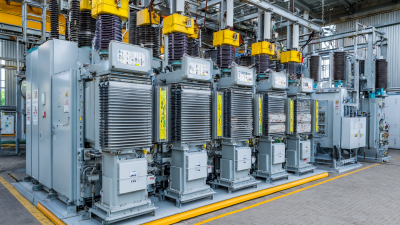
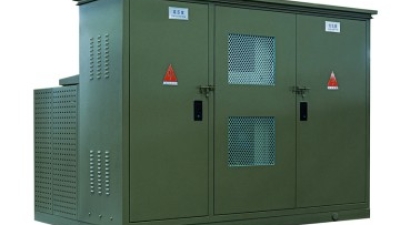
The design of the American Type Combined Transformer Substation plays a crucial role in modern power distribution systems, particularly in optimizing efficiency and ensuring reliable energy delivery. The ZGS Series is specifically engineered for 7.2/12kV applications, supporting ring main, dual-power, and terminal power supply systems. With its integration of high voltage power distribution, metering, compensation, and protection functionalities, it addresses the growing demands of today’s industrial and commercial environments.
Notably, the HV side of the ZGS Series incorporates multi-position load switches and fuses, which enhance operational safety and flexibility. Simultaneously, the LV side is designed to accommodate customized power distribution modules, enabling the integration of control devices, reactive power compensation, and advanced energy metering solutions. This customization is vital for facilities that require tailored energy management strategies to maximize operational efficiency and reduce costs.
The versatility of the ZGS Series allows for both indoor and outdoor installations, making it ideal for diverse applications such as industrial parks, commercial centers, and high-rise buildings. According to the International Energy Agency, power distribution losses can account for up to 8% of total electricity generation. Therefore, integrating efficient systems like the American Type Combined Transformer Substation is essential to minimize these losses, streamline operations, and contribute to sustainable energy consumption in modern infrastructures.
FAQS
: Transformer coils are essential components that serve crucial functions such as efficient power transmission and voltage regulation by utilizing electromagnetic induction to induce current and adjust voltage levels.
Copper and aluminum are commonly used due to their excellent conductivity and affordability, which are essential for effective energy transmission.
The number of turns in the coils determines the voltage transformation ratio, with a higher number in the primary coil relative to the secondary resulting in increased voltage output, crucial for long-distance power distribution.
High-quality magnetic materials, like silicon steel, improve magnetic efficiency and reduce energy losses, while core design can also minimize losses through laminated or amorphous materials.
The arrangement of winding conductors affects the voltage transformation ratio and impacts the thermal characteristics of the transformer, influencing overall performance.
Regular maintenance practices such as thermal imaging, insulation resistance testing, and adhering to manufacturer guidelines can significantly enhance transformer coil longevity and efficiency.
Proper maintenance can reduce unplanned outages by as much as 50% by identifying potential issues early, leading to cost savings and improved reliability.
Improving transformer efficiency through diligent maintenance practices could lead to a reduction in global electricity consumption by up to 10%, aligning with energy sustainability goals.
High-quality insulation materials are vital for safety and operational longevity as they withstand electrical and thermal stresses, maintaining reliable function over time.
Temperature and humidity can impact coil performance, making careful design considerations necessary to ensure efficiency and reliability across various operating conditions.
Conclusion
Transformer coils might not be the most glamorous part of modern electrical setups, but honestly, they're kinda the unsung heroes when it comes to moving energy smoothly and efficiently. If you wanna get the most out of these systems, it's really important to get a handle on the basics — things like the different types of transformer coils and what exactly they do. Plus, there's a bunch of factors that can make or break their performance, such as how they're designed, what materials are used, and the conditions they operate under. All of these directly influence how reliable and efficient they are.
Keeping up with good maintenance habits is super important too. It helps ensure the coils keep working great longer, which in turn boosts the whole system's performance. And as tech keeps advancing, we can expect some pretty exciting innovations in transformer coil design that will make them even better at handling new energy challenges. Here at Jiangxi Guoxiang Electric Power Equipment Co., Ltd., we're really proud to stay at the cutting edge of this tech. We offer integrated power solutions, including high-tech transformer coils crafted for all sorts of different needs.