When you think about electrical stuff, the Transformer Coil is kind of a big deal. It’s this electromagnetic device that does the important job of changing voltage levels—super critical whether you're dealing with power plants or just your gadgets at home. I mean, Dr. Emily Richardson, who's a total expert in electrical engineering and the lead tech wiz over at PowerCoil Innovations, once said, 'The Transformer Coil is basically the backbone of our electrical grid. It keeps the energy flowing smoothly, no matter how far it's got to go.'
Getting how these coils work means diving into some basics like electromagnetic induction and circuit design. They’re not just helping transfer power efficiently—they also make sure our electrical systems stay safe and reliable. And as technology keeps rolling forward, the role of these coils only gets more exciting. We’re talking about new applications in renewable energy and smart grids—you know, the stuff that’s shaping our energy future.
Looking into Transformer Coils is like peeking into where science and engineering meet—pretty fascinating! They’re absolutely essential for modern electrical systems. As we go deeper into this topic, we’ll discover how they’re designed, how they work, and why they’re such a big part of the energy landscape on the horizon.
Definition and Purpose of Transformer Coils in Electrical Systems
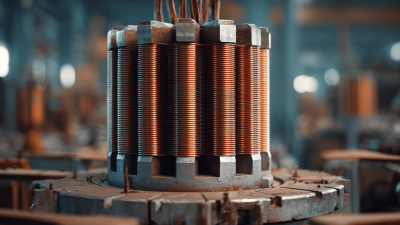
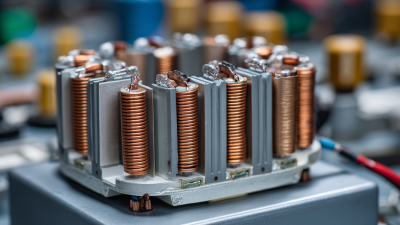
Transformer coils play a crucial role in electrical systems, serving as the primary components that enable voltage transformation. These coils consist of wire windings, typically made of copper or aluminum, which are wrapped around a magnetic core. The primary purpose of transformer coils is to convert electrical energy from one voltage level to another, ensuring that electricity is transmitted efficiently and safely throughout various applications, from residential areas to industrial settings. According to the IEEE Power Sources and Supplies Group, transformers account for approximately 90%of the electrical energy transmitted in Power Systems.
In terms of functionality, when alternating current flows through the primary winding of a transformer coil, it generates a magnetic field that induces a voltage in the secondary winding. This design allows for a variety of configurations, such as step-up and step-down transformers, making them versatile for different applications. The efficiency of transformer coils is paramount; modern designs boast efficiencies exceeding 98%, minimizing energy loss during transmission and facilitating the integration of renewable energy sources into the grid.
Tips:
When selecting a transformer for a specific application, consider both the voltage requirements and the load characteristics. Operating transformers at their optimal load levels can substantially increase their lifespan and efficiency. Additionally, regular maintenance and inspection of transformer coils can prevent unexpected failures and ensure long-term reliability in electrical systems.
Basic Principles of Electromagnetic Induction in Transformer Coils
Transformer coils play a crucial role in the transmission and transformation of electrical energy through the principle of electromagnetic induction. At its core, electromagnetic induction refers to the generation of electric current in a conductor when it is exposed to a varying magnetic field. This principle was first explored by Michael Faraday in the 1830s, and it remains central to the operation of transformer coils today. According to the International Energy Agency, efficient energy transmission through transformers can reduce energy losses by as much as 10%, making them essential for modern electrical grids.
In a transformer, two coils, known as the primary and secondary windings, are situated around a core made of ferromagnetic material. When an alternating current flows through the primary coil, it creates a varying magnetic field around it. This magnetic field induces a voltage in the secondary coil according to Faraday's law of induction. The ratio of the number of turns in the two coils determines whether the transformer steps up or steps down the voltage. Research from the Electric Power Research Institutehighlights that precise design and construction of these coils can enhance their efficacy, resulting in improved Energy Efficiency and minimized electrical losses.
Tips: When working with transformer coils, ensure that the insulation materials used can withstand the operating temperature and voltage. Regular maintenance checks will also help identify any issues before they lead to significant failures. Understanding the frequency of the alternating current being used is vital, as it affects the efficiency and performance of the transformer.
Components and Structure of Transformer Coils Explained
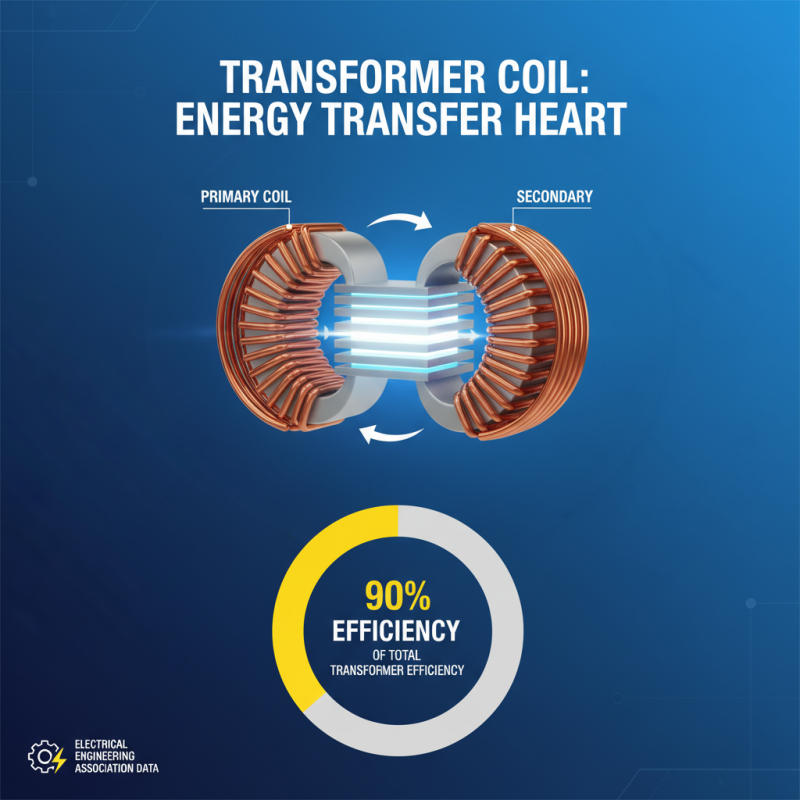
Transformer coils are critical components in electrical applications, designed to fit into the larger framework of transformers that facilitate the transfer of electrical energy. They primarily consist of two or more wire coils wrapped around a magnetic core. The two main components of a transformer coil are the primary coil and the secondary coil, which are wound around a magnetic core to enhance efficiency. According to industry data from the Electrical Engineering Association, the performance of transformer coils accounts for approximately 90% of a transformer's total efficiency.
The structure of these coils can vary depending on the application and design requirements. The primary coil receives input voltage, generating a magnetic field, while the secondary coil transforms this magnetic energy back into electrical energy at a different voltage. The insulation materials used in transformer coils are also crucial; they must withstand high temperatures and potential electrical discharges. Recent reports have shown that advancements in insulation technology can improve the lifespan of transformer coils by up to 30%.
Tips: When selecting a transformer coil, it is crucial to ensure that the core material and coil winding configuration match the application needs for efficiency and reliability. Regular maintenance checks can also identify wear and tear on the coils before they lead to more significant issues, prolonging the life of your transformer.
How Transformer Coils Convert Voltage Levels in Electrical Circuits
Transformer coils are essential components in electrical applications, primarily responsible for converting voltage levels in circuits. This process utilizes the principle of electromagnetic induction, where an alternating current (AC) in the primary coil generates a magnetic field. This magnetic field induces a voltage in the secondary coil. The ratio of turns between the primary and secondary coils determines whether the voltage is increased or decreased, making transformers crucial for efficient power distribution.
In transformer designs, core materials and winding configurations play significant roles in their effectiveness. Magnetic cores, typically made of iron or ferrite, enhance the magnetic coupling between the coils, ensuring minimal energy loss during voltage conversion. The ability to step up or step down voltage levels allows transformers to adapt to different electrical needs, from high-voltage transmission lines to low-voltage consumer electronics. By adjusting the number of turns in each coil, engineers can tailor transformers for specific applications, optimizing energy transfer and maintaining system efficiency.
Different Types of Transformer Coils and Their Applications
Transformer coils are essential components in electrical applications, designed to transfer electrical energy between circuits through electromagnetic induction. Among the various types of transformer coils, the most common are the step-up, step-down, and isolation transformers. Each type serves a distinct purpose based on voltage conversion requirements.
For instance, according to a report by the International Energy Agency (IEA), step-up transformers are primarily used in power generation facilities to increase voltage levels for efficient long-distance transmission, significantly reducing energy loss over distance.
In contrast, step-down transformers are critical in residential and commercial settings where they lower voltage levels to safe and usable values. According to a study published by the Global Industry Analysts, the demand for step-down transformers is expected to grow as urbanization increases, necessitating more efficient power distribution networks.
Isolation transformers, often employed in medical and sensitive electronic equipment, serve to protect devices from voltage spikes, thus enhancing safety and reliability in operations. Their growing application in data centers and hospitals highlights the evolving needs for specialized transformer coils in modern electrical engineering.
Benefits and Limitations of Using Transformer Coils in Electrical Systems
Transformer coils play a crucial role in electrical systems, providing essential benefits that enhance efficiency and performance. One of the primary advantages of transformer coils is their ability to change voltage levels, which is vital for electricity distribution. By stepping up or stepping down voltage, transformer coils ensure that electricity can be transmitted over long distances without significant energy loss. This capability not only improves the overall efficiency of electrical systems but also enables safe and effective power delivery to various applications, from residential to industrial settings.
However, transformer coils also come with certain limitations. One significant drawback is their size and weight, which can pose challenges in space-constrained environments. Larger transformers can be impractical in smaller installations, limiting their use in some applications. Additionally, transformer coils require regular maintenance to ensure optimal performance, and if not properly maintained, they may suffer from overheating or insulation breakdown. Furthermore, the initial cost of transformer coils may be high, necessitating careful consideration and analysis of their suitability for specific electrical systems.
Balancing these benefits and limitations is essential for engineers and designers when integrating transformer coils into electrical applications.
Maintenance and Safety Considerations for Transformer Coils
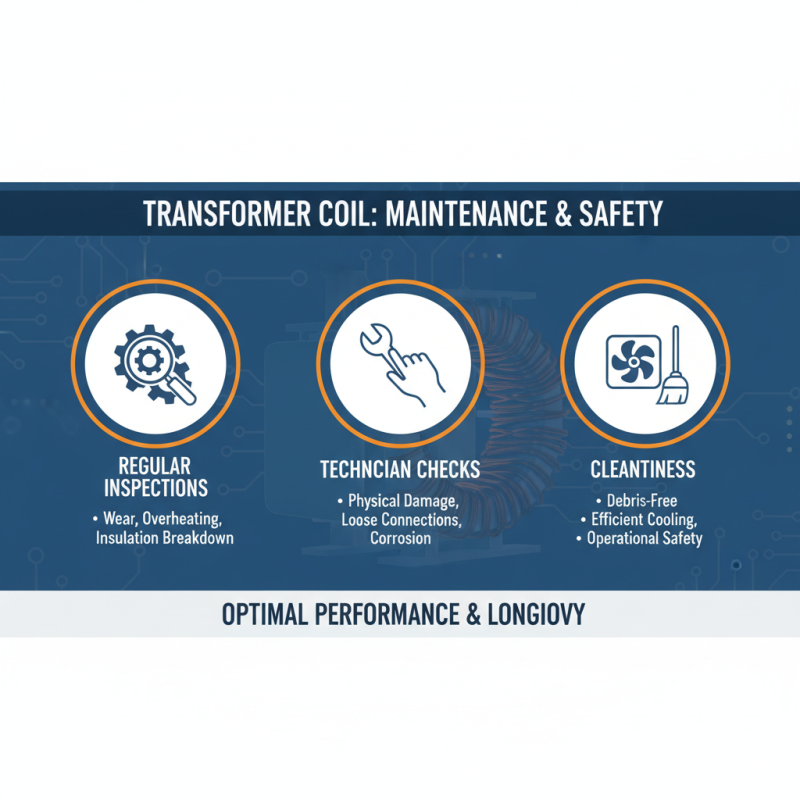
When it comes to transformer coils, maintenance and safety are paramount in ensuring optimal performance and longevity. Regular inspections are essential to identify signs of wear, overheating, or insulation breakdown, which can lead to malfunctions or failures. Technicians should check for physical damage, loose connections, and signs of corrosion that may compromise the coil's integrity. Keeping transformer coils clean and free of debris also contributes to efficient cooling and operational safety.
Safety considerations are critical when working with transformer coils, as they carry high voltage and can pose significant hazards if not handled correctly. Proper personal protective equipment (PPE) must be used to prevent electrical shock and injuries. Implementing lockout/tagout procedures during maintenance work is crucial to ensure that the equipment remains de-energized while being serviced. Furthermore, training personnel on safety protocols related to high-voltage systems is vital to foster a culture of safety and awareness in the workplace. By prioritizing maintenance and adhering to safety guidelines, the risks associated with transformer coils can be significantly reduced, ensuring reliable electrical applications.
Innovative Solutions for Quiet Power: Exploring the Benefits of Noise-Free Sealed Underground S-Series Transformers
The Noise-Free Sealed Underground S-Series Transformer is an innovative solution that addresses the growing demand for silent power distribution in urban environments. Focusing on noise reduction and complete sealing, these transformers are ideally suited for various underground installations. Their S-series oil-immersed structure ensures that moisture and corrosion do not compromise the unit's integrity, thereby enhancing both longevity and performance.
Engineered to comply with international standards, the S-Series Transformers offer a range of energy efficiency levels while allowing for flexible voltage regulation. This design consideration not only prioritizes safety and reliability but also emphasizes energy-saving capabilities and economic viability. By minimizing operational noise and environmental impact, these transformers provide an efficient and stable power transmission solution, making them the go-to choice for modern underground electrical systems.
FAQS
: Transformer coils are essential components designed to transfer electrical energy between circuits through electromagnetic induction, with the primary function of changing voltage levels for electricity distribution.
The most common types of transformer coils are step-up transformers, which increase voltage levels, step-down transformers, which decrease voltage levels, and isolation transformers, which protect devices from voltage spikes.
Step-up transformers are primarily used in power generation facilities to increase voltage levels for efficient long-distance transmission, reducing energy loss over distance.
Step-down transformers lower voltage levels to safe and usable values, which is essential for ensuring efficient power distribution in residential and commercial settings.
Isolation transformers are employed to protect sensitive electronic equipment, particularly in medical and data center applications, by safeguarding devices from voltage spikes.
Transformer coils enhance efficiency by changing voltage levels, enabling safe power delivery over long distances while reducing energy loss, which improves overall system performance.
Transformer coils can be large and heavy, posing challenges in space-constrained environments, and they require regular maintenance to prevent issues such as overheating or insulation breakdown.
Regular maintenance is crucial to identify wear, overheating, or insulation damage, ensuring reliable performance and preventing malfunctions or failures.
Proper personal protective equipment (PPE) should be used, lockout/tagout procedures must be implemented during maintenance, and personnel should be trained on safety protocols related to high-voltage systems.
By prioritizing maintenance and adhering to safety guidelines, the risks of electrical shock and equipment malfunction can be significantly reduced.
Conclusion
A Transformer Coil is a vital component in electrical systems, designed to transfer electrical energy between circuits through electromagnetic induction. It plays a crucial role in converting voltage levels to meet the requirements of various applications, from power distribution to electronic devices. The basic principles underpinning the Transformer Coil include electromagnetic induction, which allows the coil to induce varying voltages based on its configuration and operating conditions.
The structure of Transformer Coils includes essential components such as windings and magnetic cores, which work together to facilitate efficient energy transfer. Different types of Transformer Coils serve unique purposes in various fields, providing benefits like improved voltage regulation and energy efficiency; however, they also come with limitations that must be considered. Regular maintenance and safety protocols are necessary to ensure optimal performance and longevity in electrical applications, highlighting the importance of proper knowledge and handling of Transformer Coils.