In the electrical world, picking the right Aluminum Transformercan really make a big difference when it comes to efficiency and costs. Did you know that, according to the International Energy Agency (IEA), Transformers are responsible for about 10% of the world’s electricity use? Crazy, right? So, choosing the right transformer isn’t just a small detail — it’s pretty important.
When you're weighing your options, it’s a good idea to look at things like how much load it can handle, its efficiency ratings, and how well it can withstand heat. Aluminum Transformers are often lighter and cheaper than copper ones, which is a big plus. But, it’s not all sunshine — they tend to have lower conductivity, so there's a chance they might overheat if you’re not careful. If you don’t consider these details, it could impact how well things run over time.
Actually, data from the Electric Power Research Institute (EPRI) shows that about 20% of transformers fail because they aren’t properly specified from the start. So, understanding what makes aluminum transformers tick is pretty crucial. Picking the right one means doing your homework and reviewing all the technical specs carefully. It’s easy to miss some key details along the way, so make sure your choice really suits your operational needs. Trust me, taking the time now can save you tons of hassle later!
Understanding aluminum transformers is crucial for various electrical applications. These transformers are lighter than their copper counterparts. This characteristic allows for easier handling and installation. They are often used in Power Distribution and industrial settings. However, they may not always be the ideal choice for every situation.
Aluminum transformers can suffer from oxidation, leading to reduced conductivity. This issue requires regular maintenance to ensure optimal performance. Their durability is another factor to consider. While they resist corrosion well, extreme temperatures can still impact their efficiency. Users should be aware of these potential drawbacks.
When choosing an aluminum transformer, consider weight and durability. Not all applications will benefit from aluminum's lightweight properties. Electrical load requirements vary significantly across projects. A detailed assessment is essential. Ultimately, understanding these essential factors can guide decision-making and help avoid future complications.
When selecting an aluminum transformer, key factors play a crucial role. One major consideration is the load requirement. Each system has specific needs regarding voltage and current capacity. For example, a transformer designed for high-stress applications must handle increased load demands. A study by the Electric Power Research Institute noted that improper sizing can lead to inefficiency and increased failure rates. This means calculations must be precise.
Temperature management is another vital element. Aluminum transformers can heat up quickly, potentially damaging internal components. In fact, a report from the Institute of Electrical and Electronics Engineers highlighted that optimal operating temperatures enhance longevity and performance. Ensuring effective cooling mechanisms is essential. Often, overlooked factors like ambient conditions can significantly affect efficiency and lifespan.
Cost is an inevitable aspect too. While aluminum transformers might appear to be less expensive upfront, hidden costs can arise. Maintenance and operational efficiency can lead to higher long-term expenses. A report indicated that poorly chosen transformers can increase operational costs by 25% over their lifetime. Choosing the right aluminum transformer requires a balance of initial investments and long-term savings. Each decision shapes the future of the electrical system, so careful consideration is necessary.
When evaluating aluminum transformers, understanding their electrical specifications is crucial. One key aspect is the voltage rating. Transformers often operate at different voltage levels. For example, a 10 kV transformer is common in industrial settings. It’s important to match the voltage rating to your application.
Another specification to consider is the power rating. This is usually measured in kVA. Many aluminum transformers range from 10 kVA to several hundred kVA. They should handle the expected load without overheating. Cooling efficiency also plays a role. If a transformer overheats, it can fail prematurely. Data suggests that about 30% of transformer failures stem from poor thermal management.
Efficiency impacts operational costs, too. Industry studies indicate that transformers using Aluminum Coils can save up to 10% more energy compared to their copper counterparts. However, aluminum may not have the same current-carrying capacity. Overestimating capabilities can lead to failure. It's vital to assess these details to prevent costly mistakes in your project. Pay attention to Insulation classes. They affect the longevity and performance of your transformer. Suitable insulation can enhance reliability and minimize risk factors.
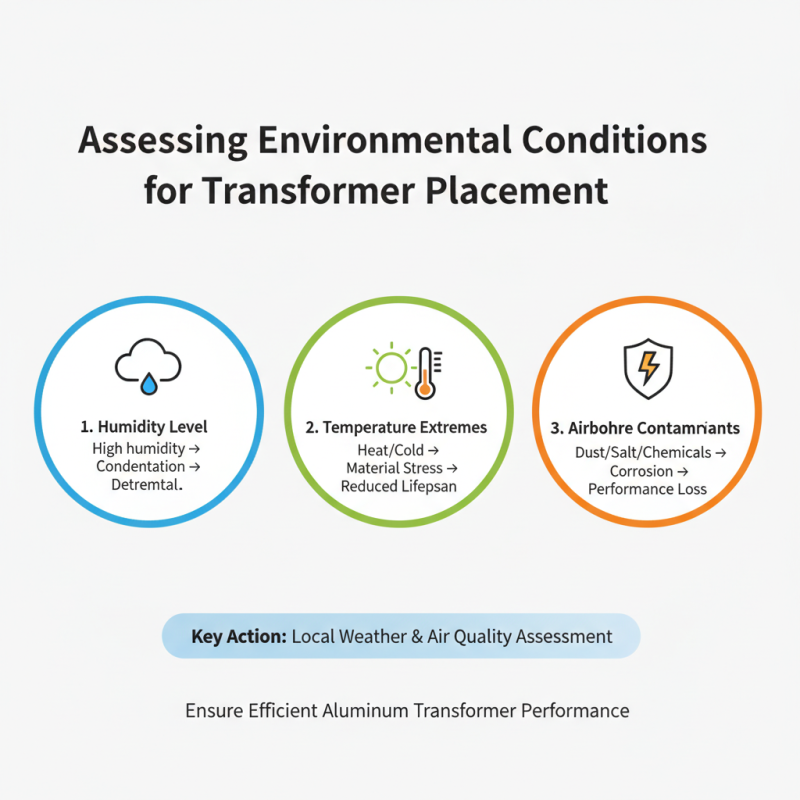
When choosing the right aluminum transformer, environmental conditions play a crucial role in placement and performance. Understanding these conditions helps ensure that your transformer operates efficiently. For instance, consider the level of humidity in the area. High humidity can lead to condensation, which is detrimental to Power Transformers. A simple assessment of local weather patterns can provide valuable insights.
Next, examine the surrounding terrain. Placement on uneven land can affect stability. Ensure the location can support the transformer’s weight, especially for larger power transformers and distribution transformers. Factors like drainage and soil composition should not be overlooked. Poor drainage can lead to water pooling, which is a danger to electrical equipment.
Lastly, consider nearby vegetation. Trees and shrubs can interfere with transformer clearance and maintenance access. They might also pose risks during storms. A clear, safe zone around the transformer is essential for efficient operation. As you assess these factors, remember that overlooking even minor details could lead to potential issues in the future.
When considering aluminum transformers, cost analysis plays a significant role. Materials like aluminum are generally cheaper than copper. This makes aluminum transformers attractive for budget-conscious projects. However, always evaluate long-term performance against initial savings. Cheaper options may lead to higher maintenance costs eventually.
Evaluate installation expenses as well. Installation for aluminum transformers can vary based on the specific model. This means hidden costs can pop up during the installation phase. Understand these potential pitfalls to avoid surprises. Talking to professionals can help clarify what to expect.
For better decision-making, conduct thorough research on specifications. Not all Distribution Transformer And Power Transformer models are equal. Check ratings and features carefully. Look for reliable technical support as well. This can save time and money later. Balancing initial investment with future performance is key. Reflect on your needs to make a sound choice.
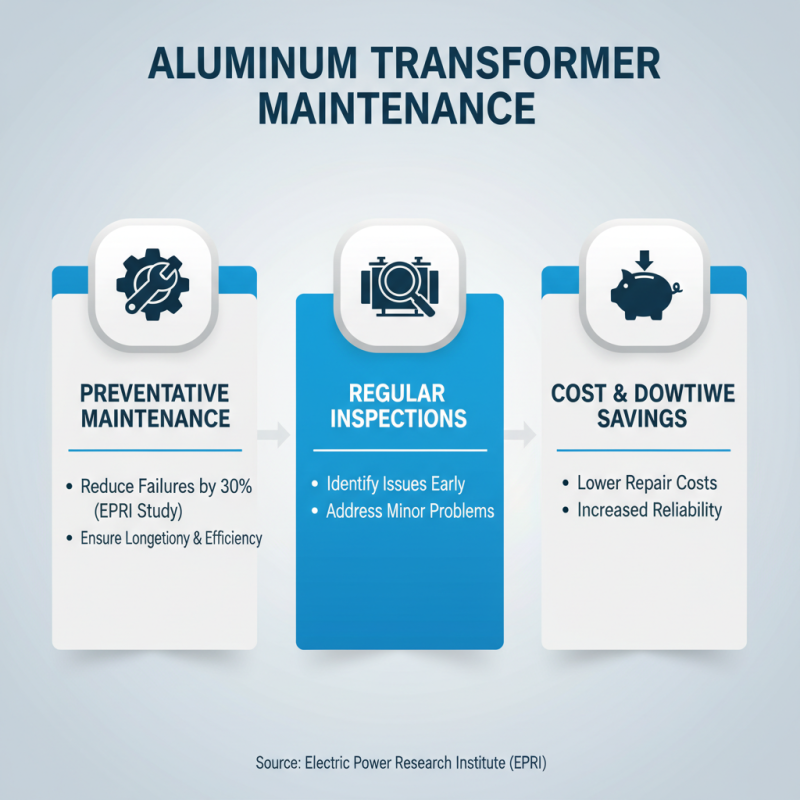
Aluminum transformers require specific maintenance to ensure their longevity and efficiency. A study conducted by the Electric Power Research Institute (EPRI) highlights that preventive maintenance helps reduce failures by up to 30%. Regular inspections can identify issues before they escalate. You can save costs and prevent downtime by addressing minor problems early.
One crucial tip is to monitor the insulation resistance regularly. Over time, insulation can degrade, especially in harsh environments. Testing insulation levels periodically helps maintain optimal performance. Additionally, keep an eye on thermal imaging to identify hot spots. These hot spots indicate potential failures and need urgent attention.
Another essential aspect is cleaning. Dust and debris can accumulate, affecting efficiency. Ensure that the cooling systems are clean and free from obstructions. This simple step can improve lifespan and performance. Remember, the environment plays a big role in the transformer's health. Extreme temperatures can accelerate wear and tear. Proper ventilation and a suitable location are vital for any aluminum transformer. Regularly revisiting these maintenance strategies promotes better efficiency and reliability.
Aluminum transformers have become increasingly popular in various industrial applications due to their lightweight and cost-effective nature. These transformers can be found in settings such as power distribution systems, renewable energy grids, and motor drives. In such applications, aluminum's properties help improve efficiency and performance without significantly increasing overall weight.
When choosing the right aluminum transformer, it’s essential to consider specific factors. Understand the operational conditions it will face. Assessing temperature ranges and potential environmental impacts can lead to better decisions. Always check for efficiency ratings. Higher efficiency translates to lower operational costs over time. This is particularly important in Power Transformer Distribution Transformer applications.
Identifying the right transformer for your needs requires a thorough analysis. Don’t settle for the first option. Comparing specifications and pricing is critical. Sometimes, the cheapest choice may not be the best in the long run. Trust your instincts when something doesn't seem right. Choosing wisely can make a significant difference in efficiency and durability.
: The voltage rating is crucial. It should match your application, like a 10 kV transformer for industrial use.
Power ratings are usually measured in kVA. Many aluminum transformers range from 10 kVA to several hundred kVA.
Overheating can cause premature failure. Poor thermal management is a major reason for around 30% of transformer failures.
Higher efficiency leads to lower operational costs. Aluminum transformers can save up to 10% more energy than copper ones.
Suitable insulation classes enhance reliability and performance. They help prevent risks and increase the longevity of transformers.
Humidity levels, terrain stability, and drainage are key factors. Poor conditions can lead to major operational issues.
Trees and shrubs can block access and pose risks during storms. A clear zone around transformers ensures efficient operation.
Yes, overestimating can lead to failure. It's vital to assess the transformer's current-carrying capacity correctly.
Uneven land can affect stability. Ensure the ground can support the transformer's weight to avoid accidents.
We need to ensure proper drainage to prevent water pooling. Poor drainage can be a danger to electrical equipment.
When choosing the right Aluminum Transformer, it's essential to understand its key features and specifications. Aluminum Transformers provide an efficient solution for various industrial applications, but selecting the right one requires careful consideration of several factors. Among these, electrical specifications, environmental conditions for placement, and maintenance requirements play crucial roles. Evaluating technical parameters ensures the transformer can handle the demands of its specific application while complying with safety standards.
Additionally, analyzing costs and budgeting is vital, as Aluminum Transformers can vary significantly in price depending on their specifications and intended use. By weighing these aspects, industries can make informed decisions that lead to optimal performance and longevity of their Aluminum Transformers, ultimately enhancing operational efficiency and reliability in power distribution systems.