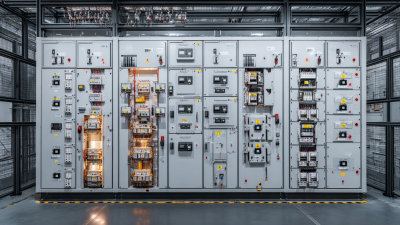
Mains Distribution systems are pretty crucial when it comes to managing electrical power across different kinds of settings. If you’re shopping around, chances are you’re looking for something reliable and efficient. The rightMains Distribution Unit can really make a difference — helping you optimize energy use whether it’s for industrial, commercial, or even residential stuff. The market’s pretty crowded too, with loads of companies offering all sorts of technologies and designs.
Figuring out what you need isn’t always straightforward though. Your choices depend a lot on where you’re located, the size of your project, and specific demands you might have. Some brands have been around the block and are pretty trusted, while others are still emerging on the scene. Every company’s got its own set of features and perks, which can make comparing options a bit overwhelming. But honestly, taking the time to do that research is so worth it — it helps you make smarter, more informed decisions.
Getting a good handle on all these details can really steer you in the right direction. Think about what’s most important for your situation, and don’t just go for the cheapest option — that might not always mean the best in terms of performance or dependability. At the end of the day, choosing the right Mains Distribution Unit isn’t just about saving a buck; it can seriously impact how safely and effectively your system runs.
Overview of Mains Distribution Systems
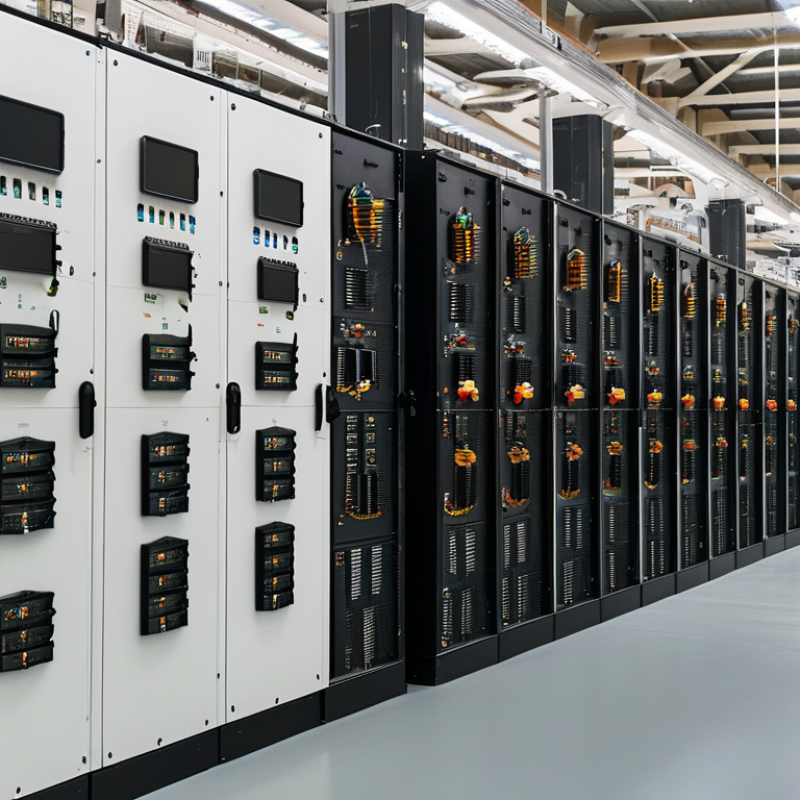
Mains distribution systems play a vital role in electrical infrastructure. These systems ensure electricity flows safely and efficiently from the grid to various end users. Understanding the components of these systems can help in selecting the best options for diverse applications.
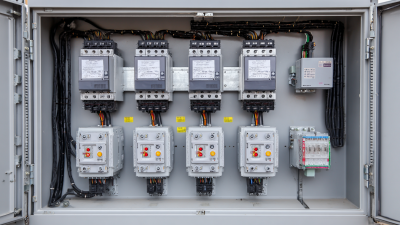
The core of a mains distribution system includes transformers, switches, and Circuit Breakers. Transformers adjust voltage levels for safe delivery. Meanwhile, switches control the path of electricity. Circuit breakers provide safety by interrupting current when necessary. Each component must be carefully chosen based on efficiency and reliability.
One must also consider the installation environment. Harsh conditions may affect performance. Regular maintenance is crucial to prevent failures. Professionals often recommend regular inspections to identify potential issues early. Balancing cost with quality can lead to long-term benefits. In the end, informed decisions hinge on understanding how these systems work.
Top 10 Mains Distribution Systems
Criteria for Evaluating Mains Distribution Systems
When evaluating mains distribution systems, several key criteria emerge. Reliability is paramount. A distribution system must consistently deliver electricity without interruptions. Buyers should examine historical performance data. Systems that have operated smoothly over time often indicate trustworthiness.
Next, consider scalability. A good mains distribution system should adapt to changing demands. This flexibility is essential for growing businesses. Evaluating how easily a system can integrate with future technology is critical. It can save costs down the line.
Cost-effectiveness also plays a significant role. Buyers need a system that balances quality with affordability. The cheapest solution might not always deliver. Maintenance costs should be factored in. Systems that require frequent repairs can lead to unexpected expenses. In evaluating options, a holistic view of initial and long-term costs is necessary.
Top 10 Mains Distribution Systems in Use Worldwide
Mains Distributionsystems play a crucial role in the global electrical infrastructure. They ensure Reliable Power delivery in residential, commercial, and industrial settings. Recent reports indicate that the demand for efficient Mains Distribution systems has increased by 30% over the past five years. This surge highlights a growing recognition of the need for modernized electrical systems.
In urban areas, smart Mains Distribution systems are gaining traction. These systems, equipped with digital technology, enhance monitoring and control. They help reduce energy waste while improving reliability. According to industry analysis, by 2025, over 50% of new installations will include smart technology. However, some challenges remain. Implementation costs and the need for skilled technicians can hinder progress.
Regions vary significantly in their Mains Distribution practices. For example, developing countries often rely on outdated systems. This can lead to inefficiencies and safety risks. Innovations must adapt to local needs. Efforts to modernize Mains Distribution systems are crucial for fostering sustainable energy. Balancing advancement and access is the key challenge for global buyers.
Key Features of Effective Mains Distribution Systems
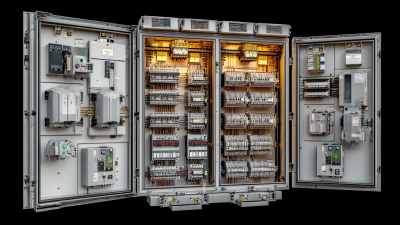
When considering mains distribution systems, certain features stand out as essential. A reliable Mains Distribution Box ensures stable power delivery. It mitigates overcurrent risks through effective circuit protection. This promotes both safety and efficiency in industrial and commercial settings.
An effective system prioritizes scalability. As operations evolve, the distribution system must adapt to changing power demands. Flexibility in design can prevent costly upgrades in the future. User-friendly interfaces enable quick assessments. Operators should easily monitor performance and troubleshoot issues.
Also, consider energy efficiency. A well-designed mains distribution system minimizes energy losses. Efficient transformers and optimized wiring play a major role in this aspect. However, some designs may not achieve the desired efficiency right away. Continuous testing and refinement are crucial. This ongoing process helps identify potential gaps and enhance performance over time.
Emerging Trends in Mains Distribution Technology
Emerging trends in mains distribution technology are reshaping the landscape of energy management. A notable shift is towards digitalization. Advanced monitoring systems provide real-time data. This allows for better decision-making. Mains Transformers now often integrate smart technology. They enhance efficiency and reliability.
Another trend is sustainability. Many distribution systems focus on energy conservation. This is essential as industries aim to reduce their carbon footprint. Renewable energy integration is becoming more common. Systems are now designed to accommodate solar and wind energy. This shift leads to a more sustainable future for mains distribution.
However, the transition is not without challenges. Installing new technology can be costly and time-consuming. There are still areas lacking the infrastructure needed for upgrades. Companies must weigh investment against potential long-term benefits. The evolution of mains distribution systems requires careful planning and foresight. Adaptability is crucial in this rapidly changing environment.
Challenges in Mains Distribution and Solutions
Challenges in mains distribution systems pose significant risks to efficiency and safety. Many global buyers grapple with outdated infrastructure, leading to power losses and costly downtimes. According to a report by the International Electrotechnical Commission, about 30% of electricity is lost due to ineffective distribution. This highlights the pressing need for innovative solutions.
One common issue is the reliability of Power Distribution Boxes. Aging components may fail, causing outages. Regular inspections and upgrading equipment can mitigate risks. Implementing smart grid technology can improve real-time monitoring, reducing the likelihood of failures. Companies are investing in such technologies to enhance efficiency.
Tip: Conduct routine maintenance on power distribution boxes. This simple step can prolong their lifespan.
Another challenge is the increasing demand for renewable energy integration. This shift can complicate existing distribution systems. Proper planning is essential to handle fluctuating energy sources. Engaging with experienced engineers can provide insights into effective implementation strategies.
Tip: Collaborate with industry experts. Their knowledge can help navigate complex challenges in mains distribution.
Future Outlook for Global Mains Distribution Systems
The future outlook for global mains distribution systems appears promising, driven by increasing energy demands and technological advancements. According to a recent market report by MarketsandMarkets, the mains distribution systems market is projected to grow significantly, with a CAGR of around 6% from 2023 to 2030. This growth reflects rising investments in smart grid technology and renewable energy integration.
As industries shift towards automation, the need for efficient distribution systems becomes more critical. Innovations like digital twins and predictive maintenance offer opportunities to optimize performance and reduce downtime. However, companies face challenges such as legacy infrastructure and evolving regulatory standards. Addressing these issues is vital for future success.
Tips: Regularly assess your distribution systems for efficiency. Upgrading to smart technology can enhance reliability. Stay informed about regulatory changes in your region. Adaptation is key in this rapidly evolving landscape.
Transforming the Energy Sector: Insights from the Latest Market Reports on European Box-Type Transformer Substations and Prefabricated Solutions
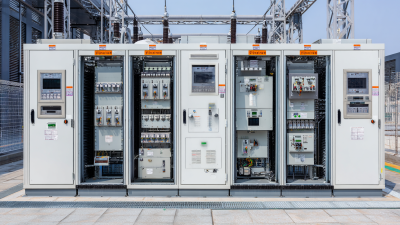
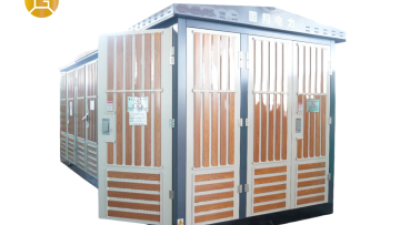
The energy sector is undergoing a significant transformation, driven by the demand for efficient and sustainable power solutions. One of the key innovations in this field is the development of compact, fully integrated power distribution units, designed to streamline infrastructure while maximizing space efficiency. These modern units combine high-voltage switchgear, transformers, and low-voltage panels into a single, cohesive unit, making them ideal for a variety of applications including urban buildings, residential complexes, and industrial parks.
One of the standout features of this technology is its remarkably small footprint, occupying only 1/10 to 1/5 the area of traditional substations. This not only leads to reduced construction time and costs but also allows for flexible installation in densely populated areas. The fully sealed structure enhances safety and reliability, supporting configurations like dual-power and ring main systems, which are crucial for ensuring continuous electricity supply. Furthermore, with easy maintenance requirements, these units promise minimal downtime, making them highly attractive for grid modernization projects in both urban and rural settings. Through these advancements, the energy sector is poised to meet the evolving demands of modern society.
FAQS
: The main components include transformers, switches, and circuit breakers. Each component plays a crucial role in safe electricity flow.
Transformers adjust voltage levels for safe delivery. They ensure that electricity is at the right voltage for end users.
Regular maintenance prevents failures. Inspections help identify potential issues before they become serious problems.
Developing countries often use outdated systems. This can lead to inefficiencies and safety risks for the population.
Smart systems use digital technology. They enhance monitoring and control, reducing energy waste and improving reliability.
Consider installation environment, maintenance needs, and energy efficiency. These aspects greatly affect performance and reliability.
Scalability allows systems to adapt to evolving power demands. This flexibility can reduce the need for costly upgrades later.
Energy efficiency minimizes losses during power distribution. Efficient designs help ensure that more energy reaches the end users.
User-friendly interfaces are essential. They enable operators to monitor performance and troubleshoot issues easily.
Some designs may not achieve desired efficiency right away. Continuous testing and refinement are vital to identify gaps.
Conclusion
The article titled "Top 10 Mains Distribution Systems for Global Buyers" offers a comprehensive overview of various mains distribution systems utilized globally. It outlines the criteria for evaluating these systems, such as reliability, efficiency, and adaptability. The top 10 mains distribution systems are highlighted, showcasing their key features that contribute to effective operation in diverse environments.
Additionally, the article discusses emerging trends in mains distribution technology, including innovations aimed at enhancing performance and sustainability. It also addresses the challenges faced in mains distribution, presenting potential solutions to these issues. Finally, the future outlook for global mains distribution systems is explored, emphasizing the importance of continual evolution to meet the demands of modern infrastructure. Overall, the insights provided aim to guide investors and stakeholders in making informed decisions in the mains distribution sector.