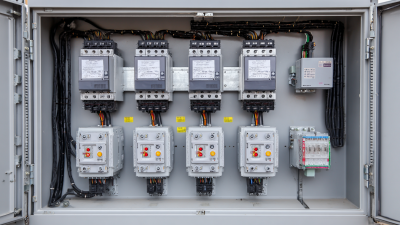
Electrical engineering is always changing, and Gas Insulated Switchgear—often called GIS—is really shaking things up. Industry folks often point out how it's super efficient and safe, which is a big deal. I recently heard Dr. Emily Johnson from PowerTech Solutions say, “The future of energy distribution is leaning heavily on reliable gas insulated switchgear,” and honestly, that stuck with me. It’s clear there’s a growing need for smarter, more advanced solutions.
As people all over the world look for the best tech out there, it’s pretty important to get a handle on what the top gas insulated switchgear options are. The market isn’t standing still—companies are constantly innovating, pushing out new products that fit different needs. Some of the high-voltage GIS systems, for example, are fantastic because they’re not just reliable—they're also smaller in size, which is a big plus. All these advancements don’t just mean better performance—they often save a lot of money too.
But, honestly, diving into all these options can be a bit overwhelming. The tech specs can look intimidating at first, and figuring out what’s best for your setup involves considering things like how tricky the installation might be or what kind of maintenance each system needs. The market's full of choices, yeah, but finding the right fit takes some research and patience. It’s kind of like a journey—full of trials, learning, and eventually, success. And in the end, that’s what makes it all worth it.

Overview of Gas Insulated Switchgear (GIS) Technology
Gas Insulated Switchgear (GIS) technology is a pivotal component in modern electrical systems. It efficiently reduces space requirements and enhances safety. GIS utilizes a gas, usually sulfur hexafluoride (SF6), as an insulating medium. This allows for compact design in urban areas where space is limited. According to a report by MarketsandMarkets, the GIS market is expected to grow from USD 27.77 billion in 2020 to USD 41.35 billion by 2025, reflecting its increasing importance.
GIS systems offer numerous advantages, including resilience during extreme weather events. They can operate effectively in harsh environments, ensuring continuous performance. Yet, despite their benefits, GIS comes with challenges. Maintenance can be complex and requires specialized skills. The disposal of SF6 raises environmental concerns due to its high global warming potential. Awareness of these issues is essential for industry stakeholders.
Recent technological advancements aim to address these challenges. Innovations focus on enhancing the eco-friendliness of GIS. Researchers are exploring alternative gases with lower environmental impacts. Embracing these changes will ensure that GIS remains a reliable solution for future electrical infrastructures. As the industry evolves, a balance between efficiency and sustainability is critical.
Key Advantages of Gas Insulated Switchgear for Utilities
Gas Insulated Switchgear (GIS) presents significant advantages for utilities worldwide. These systems utilize insulating gas, such as SF6, which enhances safety and reduces the space required for installations compared to traditional air-insulated switchgear. A report by the Global Gas Insulated Switchgear Market indicates that the market is projected to reach $30 billion by 2027, reflecting increased adoption among power utilities.
One notable benefit of GIS is its ability to withstand extreme weather conditions. This resilience minimizes outages and maintains system reliability. For instance, GIS can operate in temperatures as low as -50°C and as high as +40°C. Reduced maintenance is another advantage. The sealed environment means less pollution exposure, leading to longer lifespan and minimal operational costs.
Power utilities should consider their specific needs. GIS solutions can be expensive upfront, which raises concerns about ROI. However, the long-term savings in maintenance and operational efficiency often justify the investment. Do thoughtful research to choose the right model. Custom solutions may offer better results. Balancing initial costs with future benefits is crucial for decision-making in this evolving industry.
Top 10 Global Manufacturers of Gas Insulated Switchgear
The global gas insulated switchgear (GIS) market is evolving rapidly, driven by the need for reliable and efficient electrical infrastructure. In 2021, the market value was estimated at $16.92 billion and is expected to exceed $27 billion by 2030. This growth reflects the increasing demand for smart grids and renewable energy integration. GIS offers compact designs, allowing use in high-density urban areas where space is limited.
Key players in the industry are adopting innovative technologies to enhance performance. For instance, advancements in Insulation materials and design optimization are improving reliability under extreme conditions. However, challenges remain, such as the high initial investment costs and the need for specialized maintenance. The industry must address these barriers to boost adoption.
The top global manufacturers of GIS are focused on sustainability. Many are investing in eco-friendly production processes and materials. Transitioning to greener solutions is essential as environmental regulations become stricter. While innovation is promising, the need for consistency and reliability still poses a challenge for manufacturers striving for excellence in the GIS market.
Comparative Analysis of Leading GIS Solutions
Gas insulated switchgear (GIS) is revolutionizing electrical infrastructure globally. Its compact design makes it suitable for urban environments where space is limited. However, the performance of GIS varies among different solutions. It’s essential to analyze these options to choose the right one.
A key factor in GIS selection is reliability. Solutions should withstand harsh conditions while maintaining optimal performance. Some options may excel in automation features, but might lack in environmental sustainability. It's vital to balance these aspects. Buyers should also consider the long-term operational costs. Some systems may appear cost-effective initially but could incur high maintenance expenses.
Compatibility with existing equipment is another crucial point. Some GIS solutions integrate seamlessly, while others may require additional investments for upgrades. This can lead to unexpected challenges down the line. Awareness of these potential drawbacks allows for more informed decisions. Each buyer should thoroughly assess their specific needs. This careful analysis can lead to better investment choices and enhanced operational efficiency.
Top 10 Gas Insulated Switchgear Solutions for Global Buyers - Comparative Analysis of Leading GIS Solutions
| Solution Model | Rated Voltage (kV) | Rated Current (A) | Short-Circuit Current (kA) | Number of Switchgear Units | Operating Temperature (°C) |
| GIS Model A | 72.5 | 2000 | 25 | 5 | -30 to +50 |
| GIS Model B | 123 | 2500 | 31.5 | 4 | -25 to +45 |
| GIS Model C | 145 | 3000 | 40 | 6 | -20 to +55 |
| GIS Model D | 72.5 | 1600 | 25 | 5 | -30 to +70 |
| GIS Model E | 145 | 2000 | 40 | 7 | -25 to +60 |
| GIS Model F | 420 | 4000 | 63 | 3 | -40 to +60 |
| GIS Model G | 72.5 | 1600 | 25 | 4 | -25 to +50 |
| GIS Model H | 123 | 2500 | 31.5 | 5 | -20 to +45 |
| GIS Model I | 145 | 3000 | 40 | 6 | -30 to +55 |
| GIS Model J | 420 | 4000 | 63 | 3 | -40 to +60 |
Factors to Consider When Selecting GIS for Your Project
When selecting gas insulated switchgear (GIS) for your project, several factors are crucial. First, assess the environmental conditions of your installation site. GIS systems are designed to operate in various climates. However, specific models may perform better in extreme conditions. Consider factors such as temperature, humidity, and potential exposure to corrosive elements.
Another important aspect is space constraints. GIS technology allows for compact installations, making it suitable for urban areas with limited space. Evaluate your layout and determine how much room is available for installation and future expansion. Selecting a model that fits your spatial requirements can prevent costly redesigns later.
Cost-effectiveness should also be part of your decision process. While the initial investment in GIS might be higher than traditional systems, think about long-term savings on maintenance and Energy Efficiency. Ensure you analyze the total lifecycle costs, not just the upfront price. Engaging experts to assess your needs and project specifications can provide valuable insights. This can help avoid pitfalls in your selection process.
Top 10 Gas Insulated Switchgear Solutions
Innovative Technologies in Modern Gas Insulated Switchgear
The landscape of gas insulated switchgear (GIS) is evolving rapidly, driven by technological advancements. A recent report from MarketsandMarkets projects that the GIS market will grow to $30 billion by 2025, largely due to the increasing demand for reliable and efficient Power Distribution. Innovations like digital integration and improved insulation techniques are redefining industry standards. By incorporating IoT technology, GIS systems can now provide real-time monitoring, enhancing operational efficiency.
Moreover, manufacturers are focusing on sustainability. Newer gas mixtures reduce environmental impact and improve insulation properties. For instance, Sulfur Hexafluoride (SF6) is being replaced with eco-friendly alternatives that have a significantly lower global warming potential. Such transitions indicate a commitment to addressing climate change while meeting energy demands.
Yet, the reliance on modern technologies poses challenges. Not all power grids can support advanced GIS infrastructures immediately, highlighting a need for careful planning and incremental upgrades. In this fast-paced environment, continuous research is essential.
The integration of AI-driven analytics offers potential for better predictive maintenance. However, the complexity of these systems raises concerns about cybersecurity. Balancing technological advancement with security measures is crucial. As the industry grows, stakeholders must reflect on these challenges to harness the full potential of GIS solutions.
Future Trends in Gas Insulated Switchgear Industry
The gas-insulated switchgear (GIS) industry is evolving rapidly. Future trends indicate a shift towards sustainable practices and advanced technologies. As the demand for renewable energy grows, GIS solutions must adapt. Efficient insulation materials and innovative designs are essential for enhancing performance. This shift also opens avenues for reducing environmental impact.
Technological integration is another focus area. Digitalization enhances monitoring and maintenance capabilities. Smart grid applications require reliable switchgear solutions. Real-time data can improve operational efficiency and reduce downtime. Customers should look for systems that offer seamless integration with existing infrastructure. Reliability is key amid increasing energy demands.
Investing in GIS now can yield long-term benefits. Assessing the adaptability of different solutions is crucial. Not all systems are suited for every application. Engage with experts to understand future trends and align with your unique needs. Stay informed to make strategic decisions. Embracing innovation will be vital as the industry continues its transformation.
FAQS
: GIS is a compact electrical infrastructure solution designed for urban areas with limited space.
The GIS market is expanding due to increasing demand for smart grids and renewable energy integration.
GIS offers reliability, efficiency, and space-saving designs, making it ideal for cramped urban environments.
Manufacturers must overcome high initial costs and the need for specialized maintenance to encourage wider adoption.
Reliability is crucial as GIS must perform well under harsh conditions without frequent failures.
Yes, long-term maintenance costs are essential. Some initially affordable systems may incur high future expenses.
Sustainability is increasingly important. Many manufacturers are investing in eco-friendly materials and production processes.
Compatibility with existing equipment is vital. Incompatible systems may require additional investment for upgrades.
Buyers should evaluate reliability, automation features, operational costs, and specific needs for informed decisions.
While innovation is important, consistency and reliability can sometimes be overlooked, requiring careful reflection.
Conclusion
Gas insulated switchgear (GIS) technology offers a compact and efficient solution for electrical substations, making it increasingly popular among utilities. The key advantages of GIS include enhanced reliability, reduced maintenance costs, and the ability to operate in harsh environmental conditions. This article explores the top 10 global manufacturers of gas insulated switchgear and provides a comparative analysis of their leading solutions, enabling buyers to make informed decisions.
When selecting GIS for a specific project, it is crucial to consider various factors such as voltage ratings, environmental impact, and innovation in design. The article also sheds light on the latest advancements in GIS technology and highlights future trends shaping the industry, indicating a significant shift towards sustainable and smart grid solutions. Overall, the insights provided cater to the growing demand for gas insulated switchgear in modern energy infrastructure.