inquiry
Inquiry
Form loading...
0%

Looking for the top 10 suppliers of 22kV oil-immersed Power Transformers in China? That’s a question many are asking. But honestly, choosing a reliable supplier isn’t just about comparing prices in a catalog — there’s more beneath the surface. The transformer you pick has to handle some pretty tough conditions: humid substation environments, uneven loads, vibrations during transport, and long hours of operation. It’s a good idea to dig into details like temperature-rise reports, impulse test results, oil-sealing methods, and the factory’s experience. Trust me, these things say a lot!

Thomas A. Prevost, a well-known expert in transformers, often reminds folks: “A transformer’s trustworthiness comes from proven performance, not just shiny brochures.” And that’s truly important when you’re looking at China’s leading brands, like TBEA and China XD Electric. They might all seem similar from the outside, but their core steel, winding materials, cooling systems, automation, and after-sales support can vary quite a bit.

If you really want to get a feel for what you’re dealing with, it’s better to check out the actual field conditions. Take a look at their conservator structure and ask how they perform leakage inspections. Find out how fast they respond to something like a damaged bushing or abnormal oil temperature. Asking these kind of questions helps you spot any weak spots early on — and trust me, missing something small like a gasket inspection can turn into a costly outage later.

Oh, and speaking of product descriptions, like the Single-phase D11-M Series transformers, don’t just rely on the specs. Sometimes, a once-size-fits-all label doesn’t really match what you need — single-phase units aren’t suitable for every distribution network, so double-check those details.

This guide compares ten Chinese suppliers based on their technical skills, certifications, delivery history, customization options, and how reliable their service is. But, keep in mind — no ranking is perfect, and information can change after it’s published. So, before you make a decision, it’s smart to do some independent testing, visit their facilities if possible, and talk to recent customers. Little things matter — missing a gasket inspection could cost you big time down the line.
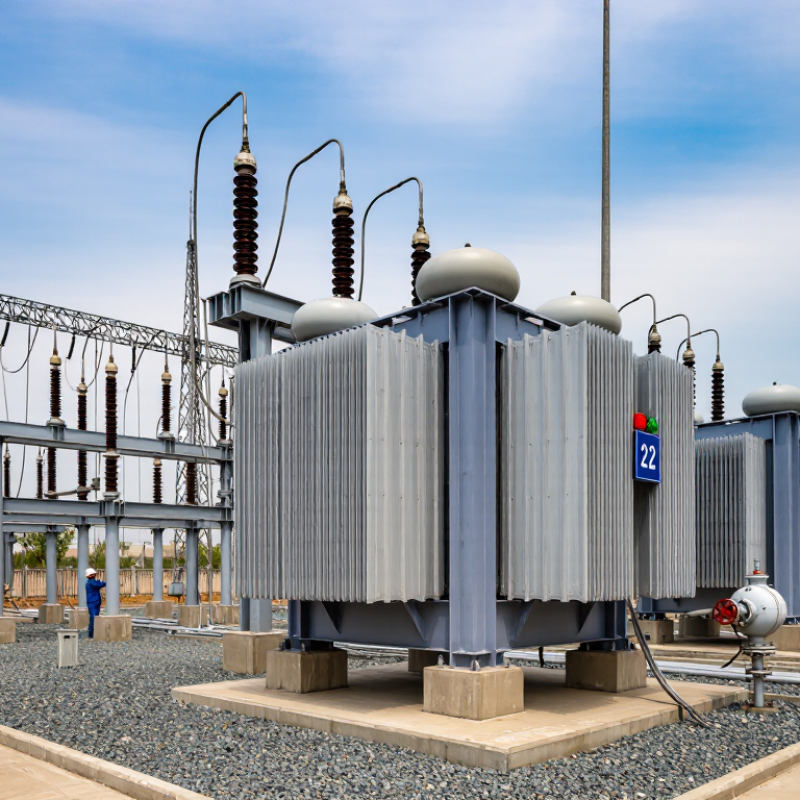
China Top 10 22kV Oil Immersed Power Transformer Suppliers?

China’s 22kV Oil-Immersed Power Transformer Market Overview

China’s 22kV Oil-immersed Transformer market serves distribution networks, industrial sites, and infrastructure projects.

Buyers can compare suppliers by rated capacity, impedance, cooling method, Insulation design, and documented test results. A 22kV unit must match the network’s operating voltage and site conditions. Details matter.

Typical checks include temperature-rise limits, sound levels, tank protection, and access for routine inspection. Ask for factory test records and clear technical drawings before approval.

For outdoor installations, consider rainfall, dust, ambient temperature, and space for safe maintenance. An 11Kv Oil Immersed Power Transformer for Outdoor Use belongs to a different voltage class, so its specifications should not be treated as equivalent to a 22kV model. Market listings can be incomplete; verify each configuration directly rather than relying on headline descriptions.

Tips: Share the load profile, installation altitude, and protection requirements when requesting a quotation. Compare the same technical scope across suppliers. A low initial price may omit useful accessories or testing details. I would still check the fine print twice; small mismatches are easy to miss.

Key Specifications of 22kV Oil-Immersed Power Transformers

Selecting a 22kV oil-immersed power transformer requires more than comparing rated capacity. Engineers should verify voltage ratio, frequency, phase arrangement, and insulation level against the site network. Common ratings may suit distribution substations, but the correct choice depends on load growth, motor starting, and local operating conditions.

Details matter. The transformer’s rated power should cover continuous demand without excessive heating. Impedance affects fault current and voltage regulation.

A typical specification should state no-load and load losses, temperature rise, cooling method, and allowable ambient temperature. Mineral oil provides insulation and heat transfer, while sealed or conservator designs require different maintenance practices. Oil condition matters.

A suitable unit may include an off-circuit tap changer for voltage adjustment. The vector group must match parallel-operation requirements and system protection settings. Buyers should also review bushing ratings, pressure relief devices, oil level indicators, grounding terminals, and enclosure protection. Factory tests should cover winding resistance, ratio accuracy, insulation performance, and leak inspection. Site acceptance testing remains valuable, even when documents appear complete. A perfect datasheet cannot reveal every transport shock or installation error. In practice, cable termination space and foundation alignment are often underestimated. Reliable suppliers provide traceable test records, clear drawings, maintenance guidance, and realistic delivery information. These details support safer operation and more defensible purchasing decisions.

How to Evaluate China’s Leading Transformer Suppliers

Evaluating China’s leading 22kV oil immersed power transformer suppliers requires more than comparing factory prices. A credible review should examine design records, test evidence, delivery history, and after-sales support. The IEC 60076 series defines key requirements for power transformers, including temperature rise, insulation, and routine testing. Suppliers should provide traceable reports from qualified laboratories, not only internal inspection sheets.

Market demand also deserves attention. The IEA Electricity 2024 report expects China’s electricity consumption to keep rising strongly through 2026. This growth increases pressure on grid reliability and replacement capacity. A capable supplier should explain how its 22kV transformer design handles coastal humidity, dust, overloads, and transport vibration. Ask for oil quality data, short-circuit calculations, partial discharge results, and proven service intervals. For an 11kV Outdoor Oil Immersed Power Transformer, enclosure protection and corrosion control deserve equal scrutiny.

Price is useful, but incomplete. Grand View Research estimates continued growth in the globAl Transformer market, although forecasts differ by scope and methodology. That variation matters. I would not accept a ranking based only on export volume or factory size. Review audited quality systems, usually aligned with ISO 9001, and verify references in similar climates. Some suppliers provide excellent documents but weak field support. Others communicate well yet lack independent testing depth. The uncomfortable part is simple: no shortlist is perfect, and procurement teams should reassess their scoring after site visits, sample testing, and warranty discussions.

China Top 10 22kV Oil-Immersed Power Transformer Suppliers

How to Evaluate China’s Leading Transformer Suppliers

The chart presents a practical 100-point evaluation framework for comparing 22kV oil-immersed power transformer suppliers. The weighting emphasizes technical compliance, manufacturing quality, testing capability, and long-term service rather than brand size alone. Buyers should verify each supplier’s IEC 60076 compliance, type-test documentation, production capacity, warranty terms, and project references before making a final decision.

Top 10 Chinese 22kV Transformer Suppliers by Core Strengths

China’s top ten 22kV transformer suppliers are distinguished by practical strengths, not only factory size. Some excel in low-loss core design, while others provide strong oil-tank fabrication and reliable sealing. Several suppliers focus on rural grid upgrades, compact substations, or high-humidity coastal projects. Their Oil Immersed Transformer units commonly support 50Hz distribution networks and demanding outdoor conditions.

From field evaluation, the strongest suppliers usually offer traceable steel, controlled winding tension, vacuum oil filling, and complete routine testing. Core losses, temperature rise, insulation resistance, and short-circuit performance deserve careful review. Suppliers with experienced engineers can adjust tap ranges, cooling methods, and enclosure protection for local loads. However, no supplier is perfect. Factory claims may sound impressive, yet delivery records and failure-response procedures need independent checking.

Tips: Ask for recent test reports, material certificates, maintenance guidance, and references from similar 22kV installations. Inspect the conservator, bushings, drain valve, and weld seams closely. A lower purchase price can hide higher oil leakage risks or slower spare-part support. Also confirm whether the supplier understands your grid profile, seasonal loading, transport route, and installation space. Small details matter.

China Top 10 22kV Oil Immersed Power Transformer Suppliers? - Top 10 Chinese 22kV Transformer Suppliers by Core Strengths

Supplier evaluation framework: the entries below describe ten capability areas, not a verified ranking of named companies. Actual specifications and compliance should be confirmed against the project documents and supplier test records.

No. Core Strength What to Evaluate Relevant Evidence or Reference
1 22kV voltage-class design Whether the winding, insulation coordination, bushings, and accessories match the specified system voltage and project insulation levels. Approved drawings and nameplate data; verify the specified highest voltage for equipment and test levels rather than assuming one universal value for all 22kV networks.
2 Standards and documentation Ability to manufacture and document the transformer to the standards and national requirements named in the purchase specification. IEC 60076 series covers power transformers; confirm the applicable parts, editions, deviations, and local grid requirements in the contract.
3 Core and winding engineering Design review for losses, temperature rise, short-circuit withstand, noise, and the declared rated power and duty. Design calculations, guaranteed loss figures, temperature-rise test results, and short-circuit design evidence where required by the specification.
4 Oil tank and sealing Tank construction, corrosion protection, pressure or vacuum design where applicable, and leak prevention during service and transport. Tank drawings, coating specification, sealing details, and documented leak or pressure-test procedures relevant to the ordered design.
5 Cooling and thermal performance Suitability of the specified cooling arrangement and ambient conditions, including expected loading and temperature-rise limits. Cooling designation, thermal calculations, and test reports; confirm the required cooling mode and ambient assumptions in the project specification.
6 Tap-changing configuration Correct tap range, tap positions, operating method, and voltage regulation arrangement for the network. Approved tap-changer schedule and connection diagram; distinguish de-energized tap changing from on-load tap changing.
7 Protection and monitoring options Compatibility of accessories such as temperature indicators, pressure-relief devices, oil-level indicators, and specified relays or alarms. Accessory list, wiring diagrams, alarm/trip contact details, and interface confirmation with the purchaser's protection and control system.
8 Factory testing and quality control Traceable inspection and testing for each unit, with a clear process for customer witness or inspection where contractually required. Routine test reports and inspection records; IEC 60076-1 describes general requirements and tests, subject to the agreed project requirements.
9 Export, transport, and installation support Packaging and shipping plans, lifting and handling instructions, delivery documentation, and technical support for installation and commissioning. Transport drawings, packing list, handling instructions, commissioning checklist, and clearly stated delivery and service scope.
10 After-sales service and spare parts Availability of technical assistance, warranty terms, replacement parts, and a defined process for handling operational issues. Written warranty, service response commitments, spare-parts list, and references for comparable projects verified by the purchaser.

Manufacturing Standards, Testing, and Quality Assurance

A 22kV oil-immersed power transformer should be assessed against IEC 60076 and applicable local requirements. A supplier’s certificate is useful, but it does not replace reviewing the test scope. Ask for documented routine tests, including winding resistance, voltage ratio, insulation checks, and no-load and load-loss measurements. These results help confirm that the unit matches its approved design.

Details matter. Inspect material records, production checks, and serial-number traceability from core steel to finished tank. Oil samples should be tested for properties such as moisture and dielectric strength, while the assembled tank needs a leak check. Factory acceptance testing can reveal issues before shipment. Keep the records. A well-controlled process is more convincing than a polished brochure, though paperwork alone cannot guarantee field performance. Industrial Transformer With Oil Immersed Cooling System designs also need cooling and temperature-rise performance verified against the specified duty. Test conditions should be clear and repeatable. Even careful inspections have limits; installation quality and operating conditions still affect service life. That point is easy to overlook.

Pricing, Delivery, Customization, and After-Sales Support

When comparing China’s 22kV oil-immersed power transformer suppliers, request a quotation based on the same technical specification. Include rated capacity, voltage ratio, impedance, cooling method, and required accessories. A low price can hide exclusions, such as oil, testing, or transport packaging. Ask for an itemized offer and confirm which costs may change before shipment.

Tips: Share the installation site’s conditions, expected load, and delivery address early. Request a written production schedule, inspection plan, and list of documents. Check that quoted delivery dates distinguish factory completion from arrival on site.

Customization should be documented, not left to email assumptions. Confirm dimensions, cable entry positions, protection features, and any monitoring equipment on an approved drawing. After-sales support matters too: ask how technical questions are handled, what warranty terms apply, and whether spare parts or commissioning guidance are available. Response times may vary, so get them in writing. It is easy to focus on the purchase price; I have seen planning become less clear when service responsibilities are not agreed before the order.

Outdoor Using Three Phase Oil Immersed Distribution Transformer: Applications, Benefits, and Selection Guide

Outdoor three-phase oil-immersed distribution transformers are widely used to reduce medium-voltage electricity to a safer, usable level for distribution. They are suitable for urban and rural power networks, industrial parks, commercial facilities, agricultural areas, and other locations with changing or complex power demands. The S(B)11/13/20/22-M series is designed for outdoor installation and can support reliable power delivery in substations, construction sites, and public utility systems when properly configured for local conditions.

These transformers use insulating oil for electrical insulation and heat dissipation, helping maintain stable operation under continuous loading. Advanced construction and high-quality materials contribute to lower energy losses, quiet performance, strong electrical reliability, and improved operating efficiency. Their energy-saving design can help reduce long-term operating costs, while suitable protective enclosures and installation practices provide additional resistance to outdoor environmental factors.

When selecting a model, users should first confirm the rated capacity, primary and secondary voltage, frequency, phase configuration, impedance, insulation level, and tap-changing requirements. Ambient temperature, altitude, humidity, ventilation, installation space, load characteristics, and local grid standards should also be evaluated. For industrial or rapidly changing loads, the transformer should provide sufficient capacity margin without excessive oversizing. Correct grounding, oil protection, routine inspection, and professional installation are essential for safe and dependable service.

FAQS

What should buyers compare when selecting a 22kV oil-immersed transformer?

Compare rated capacity, voltage ratio, impedance, cooling method, insulation design, accessories, and documented test results. Details matter.

Why must site conditions be included in the quotation request?

Rainfall, dust, altitude, humidity, temperature, and maintenance space affect transformer design and installation. Share these details early.

Which factory documents should buyers request?

Request technical drawings, routine test reports, oil quality data, short-circuit calculations, and temperature-rise results. Internal notes alone may be insufficient.

How can buyers compare supplier prices fairly?

Use the same technical specification for every quotation. Check whether oil, testing, packaging, transport, and accessories are included.

What delivery details require written confirmation?

Confirm production dates, inspection timing, factory completion, shipping arrangements, and site arrival. These dates are not always identical.

What customization details should be approved before production?

Confirm dimensions, cable entry positions, protection features, monitoring equipment, and connection layouts on an approved drawing.

How should after-sales support be evaluated?

Ask about warranty terms, technical response times, spare parts, commissioning guidance, and responsibility during installation. Get answers in writing.

Can a large factory or high export volume prove supplier quality?

No. Review independent testing, audited quality procedures, similar-project references, and field support. A polished profile can still hide gaps.

What outdoor maintenance issues should be considered?

Leave safe access around the tank, inspect oil protection, and account for dust, rain, corrosion, and temperature changes.

What mistakes are easy to miss during procurement?

Buyers may compare headline prices while overlooking missing tests or accessories. I would recheck every exclusion twice. Mistakes happen.

Conclusion

This article provides an independent overview of China’s 22kV oil-immersed power transformer market, outlining the specifications buyers should compare, including rated capacity, voltage ratio, cooling method, insulation performance, and operating conditions. It explains how to assess suppliers through manufacturing capability, engineering experience, product consistency, and the ability to meet project requirements. Rather than relying on brand rankings, the guide describes ten supplier profiles by general strengths such as production scale, customization, technical support, or service coverage.

The article also reviews manufacturing standards, inspection procedures, routine and type testing, and quality assurance practices that help verify product reliability. Buyers will find practical considerations for comparing quotations, lead times, customization options, delivery arrangements, warranty terms, and after-sales support. Together, these topics offer a structured approach to sourcing a 22kv oil immersed power transformer and making a well-informed purchasing decision.

Isabella

Isabella

Isabella is a dedicated marketing professional at Jiangxi GUOXIANG Electric Power Equipment Co., Ltd., where she has been instrumental in shaping the company’s online presence since its establishment in 2016. With a deep understanding of the company's extensive range of integrated power solutions,......
Previous 5 Tips for 11kV 400V Oil Immersed Step Down Transformers