inquiry
Inquiry
Form loading...
0%

Picking the right Transformer Boxis super important if you want your electrical setup to run smoothly. I remember Thomas Smith from PowerTech Solutions mentioning once that “Choosing the right Transformer Box can really make a difference when it comes to efficiency.” His point? You gotta understand the specs and what they mean for your system.

When you're looking at different Transformer Boxes, keep in mind things like how much load they can handle and the environment where they'll be installed. A good fit can really boost performance and help your equipment last longer. But honestly, a lot of folks tend to overlook some key features—like they don’t quite think about what they *really* need, which can lead to some pretty meh choices.

With so many options out there, it’s easy to get overwhelmed. Some products look reliable at first glance, but they might not be the quality you actually want. So, do your homework—read reviews, compare specs—and if you can, ask a professional who knows their stuff. In the end, the best Transformer Box for you should match your specific needs and meet all safety standards. Trust me, it’s worth taking the time to get it right.
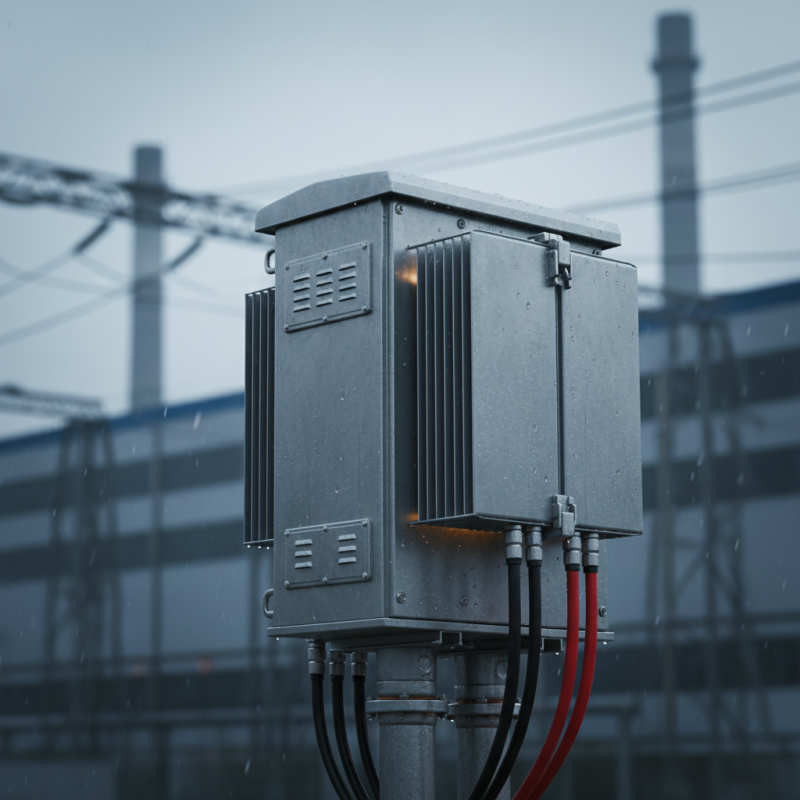
Top 10 Tips for Choosing the Right Transformer Box?

Understanding the Purpose and Functionality of Transformer Boxes

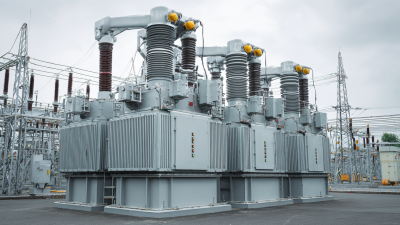
Transformer boxes play a crucial role in electrical systems. They step down High Voltage Electricity to safer levels for residential or commercial use. Understanding how they function helps in making informed decisions when selecting one. Each box serves specific needs, making it essential to consider local voltage requirements and system capacity.

In addition to voltage transformation, these boxes often include protective features. Fuses or Circuit Breakers help safeguard the electrical system. Awareness of these elements is essential, especially for safety. Many people overlook the importance of proper installation. An improperly installed transformer box can lead to failures or hazards.

Choosing the right transformer box also involves assessing environmental factors. Extreme weather might affect performance. Some boxes are more resilient than others. Reflecting on past experiences, ensuring reliability is vital. The selection process may seem straightforward, but every detail matters. Even small oversights can lead to significant consequences.

Evaluating Power Requirements for Your Specific Application

Choosing the right transformer box involves careful analysis of your specific power needs. Start by calculating the total power requirements of all connected devices. Each device typically has a power rating, measured in watts or kilowatts. It's essential to add these ratings to determine the overall wattage. Overestimating can lead to unnecessary expenses, while underestimating risks inadequate power supply.

Consider the voltage levels required for your application. Domestic appliances may operate at lower voltage levels than industrial machinery. Every transformer box is created for specific voltage settings. It’s vital to match the voltage of the transformer box to your application to avoid damage.

Don't overlook environmental factors. The installation location often affects performance. Humidity, temperature, and exposure to elements can influence efficiency. Make choices based on real-world conditions, not just specifications. Seek out expert opinions, but remember that every situation may reveal unique challenges. Being adaptable is key to achieving optimal results.

Choosing the Right Size and Configuration for Efficient Performance

When selecting a transformer box, size and configuration are critical for efficient performance. Incorrect sizing can lead to overheating or inadequate power supply. According to industry data, about 30% of transformer failures result from poor sizing practices. A Transformer In Box needs to match the load requirements precisely. This ensures optimal performance and longevity.


The configuration also plays a vital role in performance. Factors such as the environment, expected load, and installation space must be considered. Studies show that outdoor transformers require different configurations due to environmental stressors. Failing to accommodate these factors can reduce efficiency by up to 20%. Understanding these nuances can prevent costly mistakes during the selection process.


In practice, it’s essential to consult with experts and use reliable data to guide your choices. Many users overlook the importance of load calculations. Neglecting this can lead to systems that underperform or fail entirely. Balancing size and configuration is a nuanced process that demands attention and expertise in the field. Through careful evaluation and informed decisions, one can achieve an effective and durable transformer in box solution.

Assessing Environmental and Installation Considerations

Top 10 Tips for Choosing the Right Transformer Box?

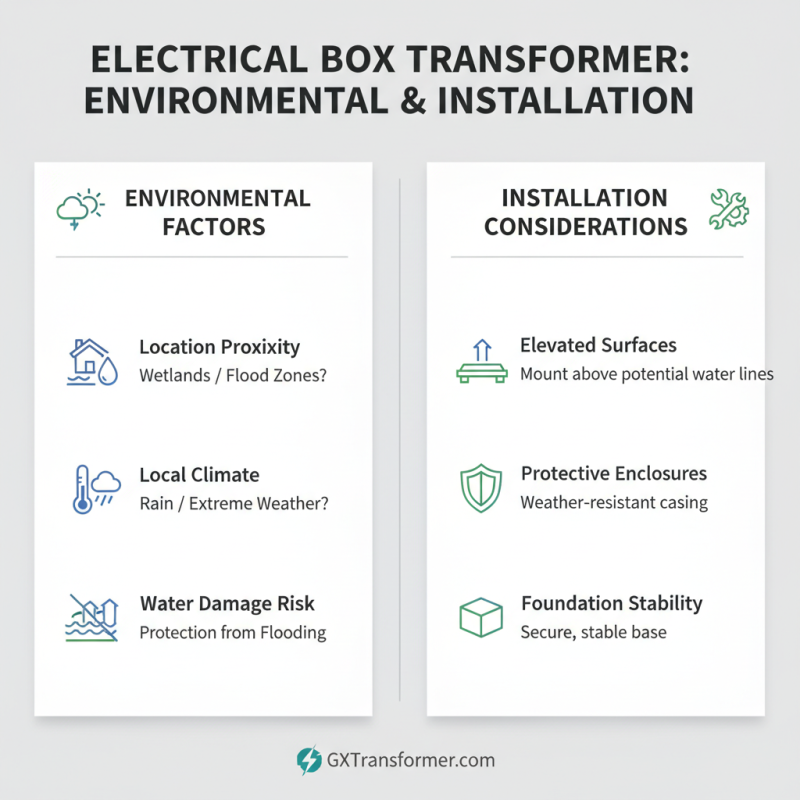
When considering an Electrical Box Transformer, assessing environmental factors is crucial. Take into account the location where you plan to install the box. Is it near wetlands or in an area prone to flooding? Understanding the local climate can prevent future issues. Elevated surfaces may help protect the transformer from water damage.

Additionally, think about the surrounding area. Is there adequate space for airflow? Proper ventilation is necessary for the transformer’s longevity and efficiency. If plants or structures obstruct airflow, it could affect performance.

Always review installation guidelines. Each environment presents unique challenges. Local regulations might influence how you position the transformer. Missteps can lead to increased costs or safety hazards. Seek advice from professionals with experience in installation best practices and environmental safety. This can save time and resources.

Identifying Standards and Compliance for Safety and Reliability

Selecting the right transformer box requires a keen understanding of safety standards and compliance. The International Electrotechnical Commission (IEC) sets crucial benchmarks. Their guidelines ensure that transformer boxes operate safely under various conditions. According to a 2020 report, over 30% of transformer failures stem from non-compliance with these essential standards.

Reliability does not merely come from quality materials. It also hinges on adhering to safety regulations. The National Electrical Manufacturers Association (NEMA) emphasizes that improper installations can increase risks. Studies indicate that nearly 15% of accidents involve poorly maintained systems. Regular inspections and adherence to compliance can prevent such failures.

Understanding local and national regulations is vital. Compliance assures not just operational efficiency, but also the safety of personnel. Unfortunately, many businesses overlook these details. The lack of diligence can lead to costly incidents. Make it a priority to familiarize your team with the relevant standards. Ultimately, ensuring compliance is a non-negotiable aspect of transformer box selection.

Top 10 Tips for Choosing the Right Transformer Box

Exploring Different Types and Technologies of Transformer Boxes

When exploring different types and technologies of transformer boxes, it's essential to understand the options available. Transformer Power Boxes vary significantly in design and application. For instance, one can find outdoor transformer boxes designed for utility companies, while indoor versions often cater to office buildings. Each serves a unique purpose, leading to distinct specifications.

Another critical factor is the technology behind these transformer boxes. Modern options may incorporate smart technology for monitoring and control. These advancements improve energy efficiency and system reliability. However, integrating such technology can present challenges, like compatibility with existing infrastructure.

It's also worth noting the importance of safety features. Moisture control and thermal management are often overlooked but crucial. The selection of materials should consider durability and environmental factors. Reflecting on these details ensures a well-rounded approach to choosing the right transformer box for your needs. Understanding not just the capabilities, but also the limitations, can guide more informed decisions.

Top 10 Tips for Choosing the Right Transformer Box

Tip Number Tip Type of Transformer Key Feature
1 Consider Your Power Requirements Step-Up Transformer Increases voltage for long-distance transmission
2 Evaluate Efficiency Ratings Isolation Transformer Provides voltage isolation to enhance safety
3 Assess Installation Space Shell-Type Transformer Compact design for limited spaces
4 Check for Environmental Ratings Dry-Type Transformer Low maintenance and suitable for indoor use
5 Understand Load Types Auto-Transformer Cost-effective solution for variable loads
6 Look for Noise Levels Cast Resin Transformer Quiet operation ideal for urban areas
7 Inspect Cooling Methods Liquid-Filled Transformer Efficient cooling for high power requirements
8 Determine Service Life & Warranty Distribution Transformer Reliable for long-term utility service
9 Research Manufacturer Credentials Power Transformer Designed for power generation and transmission
10 Consult with Professionals Custom Transformers Tailored solutions to specific application needs

Budgeting and Cost Considerations for Transformer Box Selection

Top 10 Tips for Choosing the Right Transformer Box?

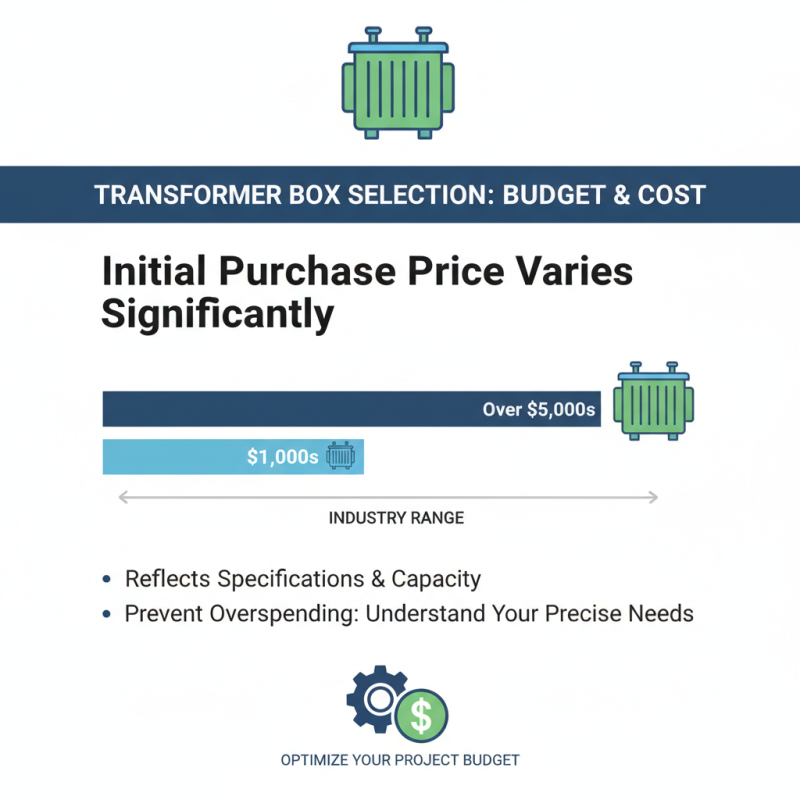
When selecting a transformer box, budgeting and cost considerations are essential. The initial purchase price can vary significantly. Industry reports indicate that transformers can range from $1,000 to over $5,000. This wide range often reflects the specifications and capacity needed for your project. Understanding your precise needs can help prevent overspending.

Operational costs are another critical factor. Transformers consume energy, impacting your long-term expenses. On average, transformer losses can account for 2-5% of total energy consumption. Failing to account for these losses can result in unexpected costs that might exceed the initial purchase price. An efficient transformer can save hundreds of dollars annually.

Maintenance costs are often overlooked. Regular checks can prevent costly repairs down the line. Depending on the transformer type, annual maintenance can range from $200 to $1,000. Understanding these factors enables better decision-making. Investing time upfront in research and calculation can lead to significant savings over time. It's crucial to assess potential future expenses and not just initial capital outlay.

Innovative Solutions for Modern Energy Needs: The S11 Series 10kV Three Phase Oil Immersed Power Transformer

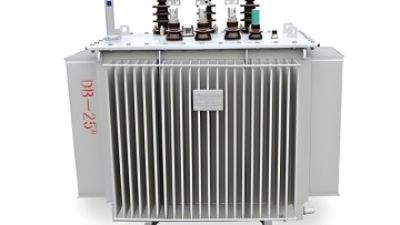
The S11 Series 10kV Three Phase Oil Immersed Power Transformer represents a significant advancement in addressing the modern energy needs of diverse applications. Designed specifically for energy efficiency and silent operation, the S11 series caters to the dynamic requirements of urban-rural power networks and industrial parks. Its robust reliability ensures consistent performance even in complex power environments, positioning it as a critical component for a wide range of infrastructure projects.

Engineered with cutting-edge technology and high-quality materials, these transformers are built to meet the stringent demands of contemporary power grids. Their innovative design incorporates optimized core configurations and advanced insulation systems that effectively reduce energy losses. This focus on minimizing energy dissipation aligns with eco-friendly practices, making the S11 series not only a top choice for performance but also for sustainability in energy distribution.

In an era where reliable power supply is imperative, the S11 series stands out for its ability to maintain stable operation in various operating conditions. By integrating strict energy-saving protocols, this transformer series exemplifies a commitment to both performance excellence and environmental stewardship, ensuring that it meets the evolving needs of modern energy systems.

FAQS

: What are transformer boxes used for?

: Transformer boxes regulate electrical voltage. They are vital for utility companies and commercial buildings.

How do outdoor and indoor transformer boxes differ?

Outdoor boxes are built for utility use. Indoor versions serve office buildings and other enclosed spaces.

What technological advancements are in modern transformer boxes?

Many boxes now feature smart technology. This helps with monitoring and improves energy efficiency.

Are there specific safety features to consider?

Yes, moisture control and thermal management are important. These features help ensure reliable operation.

How much do transformer boxes typically cost?

Prices can range from $1,000 to over $5,000. Costs depend on specifications and capacity needed.

What should I know about the operational costs?

Transformers can cause energy losses of 2-5%. Ignoring this can lead to unexpected expenses.

What about maintenance costs?

Annual maintenance might range from $200 to $1,000. Regular checks can prevent expensive repairs later on.

Can choosing the wrong transformer box impact my budget?

Yes, selecting a box that doesn’t fit your needs can lead to overspending and increased costs.

Is it important to consider future expenses?

Absolutely. Evaluating long-term costs helps in making wiser financial decisions for your project.

Why is it crucial to reflect on different transformer options?

Understanding the variations and limitations helps in selecting the best box for your specific requirements.

Conclusion

Choosing the right transformer box is crucial for ensuring optimal performance and reliability in electrical applications. Understanding the purpose and functionality of transformer boxes is the first step, as it informs the decision-making process. Evaluating the power requirements specific to your application allows for a tailored approach, ensuring that the transformer box can handle the necessary load efficiently. Size and configuration play a vital role in performance, while environmental and installation considerations can impact usability and longevity.

Furthermore, identifying relevant standards and compliance measures is essential for safety and reliability. Exploring different types and technologies of transformer boxes expands your options, as each type may offer unique benefits suited to particular needs. Lastly, budgeting and cost considerations should align with the overall objectives of the project, balancing performance with financial constraints. By following these top tips, you can select a transformer box that meets your specific requirements effectively.
Sophia

Sophia

Sophia is a dedicated marketing professional at Jiangxi GUOXIANG Electric Power Equipment Co., Ltd., a national high-tech enterprise established in 2016. With a strong background in integrated power solutions, she possesses in-depth knowledge of the company's innovative products and services.......
Previous Best Low Voltage Electrical Equipment for Global Buyers?