The Three Phase Electric System is a pretty essential tech when it comes to modern power distribution. I was chatting with Dr. Emily Carter, who's an electrical engineering whiz at PowerTech Solutions, and she mentioned that, 'The efficiency and reliability of a three-phase system basically let industries run smoothly without a hitch.' It's pretty impressive how this advanced setup helps distribute energy more evenly in homes and businesses—really a big deal for anyone working in that field.
So, here’s the deal: a Three Phase Electric System uses three alternating currents, which helps keep the load balanced. And that balance is kind of a big deal because it cuts down on energy losses and makes the whole electrical supply way more stable. Unlike the usual single-phase setups, this one’s way more efficient, especially useful for running heavy machinery. But, I gotta say, understanding all the ins and outs isn’t always a walk in the park—even for seasoned pros.
That said, it’s not all perfect either. Installing these systems isn’t a simple task—requires really precise calculations and skilled techs. Sometimes, stuff goes wrong—like wiring mistakes or equipment failing—which can cause some nasty downtime. As more industries jump on the bandwagon and adopt this system, ongoing training and research are more important than ever to tackle these challenges head-on."
Three-phase electric systems are essential in modern industrial applications. They consist of three alternating currents, each phase offset by 120 degrees. This design allows for a more consistent and efficient power supply compared to single-phase systems. Research indicates that three-phase systems can transmit power with less conductor material. This results in reduced energy losses. Data from the Electric Power Research Institute shows that three-phase systems are up to 30% more efficient for large motors.
A key benefit of the three-phase system is its capacity to handle higher loads. It can support larger machinery without compromising performance. This capability is particularly significant in manufacturing settings, where operational efficiency is critical. A report published by the International Energy Agency notes that three-phase systems reduce the electrical load on infrastructure, providing a more stable power supply.
Tip: When planning for electrical installations, consider how three-phase systems can optimize your setup for larger equipment.
Another point of consideration is the initial cost of implementing a three-phase system. While it offers savings in the long run, the up-front investment can deter some businesses. It’s crucial to evaluate your specific power needs and future expansion plans. Proper analysis can prevent costly upgrades later.
Tip: Consult with an electrical engineer to assess your facility's requirements. This ensures that you choose the optimal system for your needs.
A three-phase electric system operates using three alternating currents. These currents are offset by one-third of a cycle. This arrangement allows for a more balanced power delivery. The system is commonly found in industrial settings.
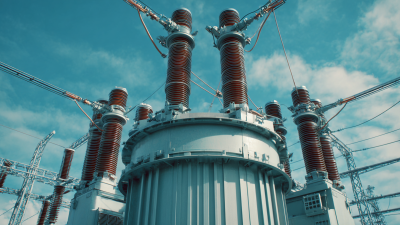
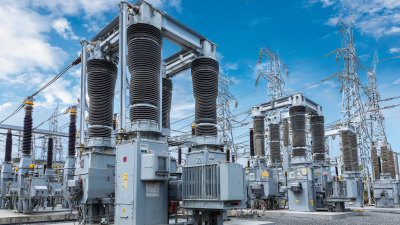
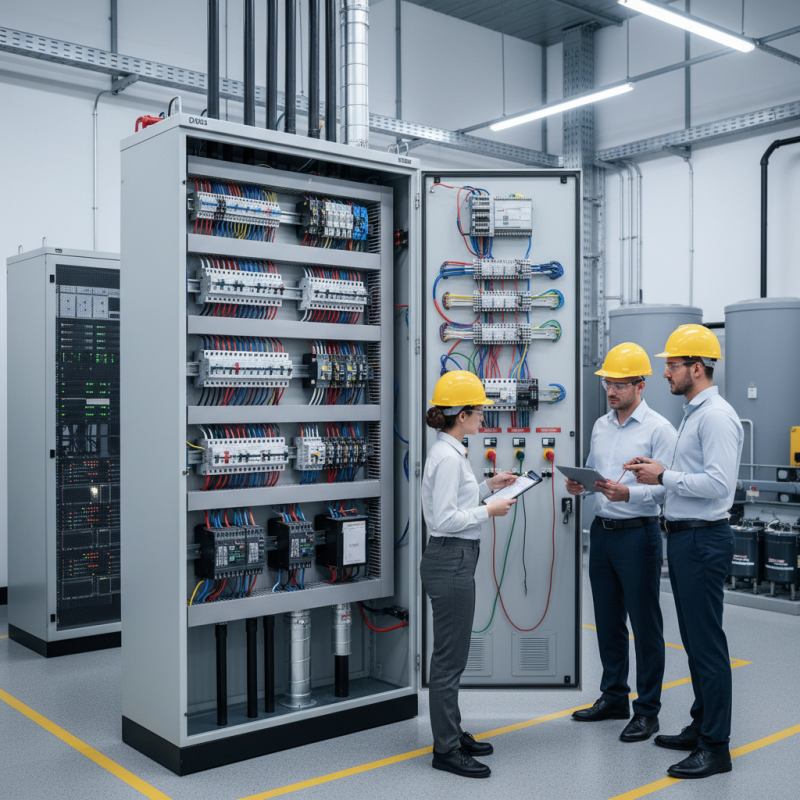
Key components include the three-phase generator, Transformer, and motors. The generator produces electrical energy from mechanical sources. Transformers step up or down voltage as needed. Motors convert electrical energy into mechanical energy. These elements work together to enhance efficiency.
The benefits of this system are significant. Three-phase systems are capable of delivering consistent power. They reduce equipment size and costs. However, maintenance can be complex. Understanding these components helps in running operations smoothly. Missteps in maintenance can lead to unexpected downtime. Balancing loads is crucial for optimal performance.
The three-phase electric system offers numerous benefits, including increased efficiency, higher power density, reduced voltage drop, balanced load, and cost-effectiveness. This chart illustrates the perceived rating of these benefits, demonstrating the advantages that make three-phase systems popular in various applications.
Three-phase electric systems are crucial for power generation and distribution. They consist of three alternating currents, offset by 120 degrees. This setup allows for a more balanced load and smoother power delivery. In practical terms, this means that machinery operates more efficiently. It reduces the risk of voltage drops, which can occur in single-phase systems.
Power generation in three-phase systems occurs in large generators. Each phase can be connected to transformers that distribute power effectively. This reduces energy losses during transmission. The three-phase system supports larger motors and heavy-duty equipment. It allows for variable speed control, increasing operational efficiency. However, these systems can be complex. Proper maintenance and safety protocols are essential. The equipment must be aligned and managed with care.
The advantages are clear. Three-phase systems provide better voltage stability, enhancing performance in industrial applications. Yet, users must be aware of potential drawbacks. Installation costs can be higher compared to single-phase systems. It requires skilled professionals for installation and maintenance. Each system must be customized to ensure reliability and efficiency. Understanding these nuances is essential for optimal operation.
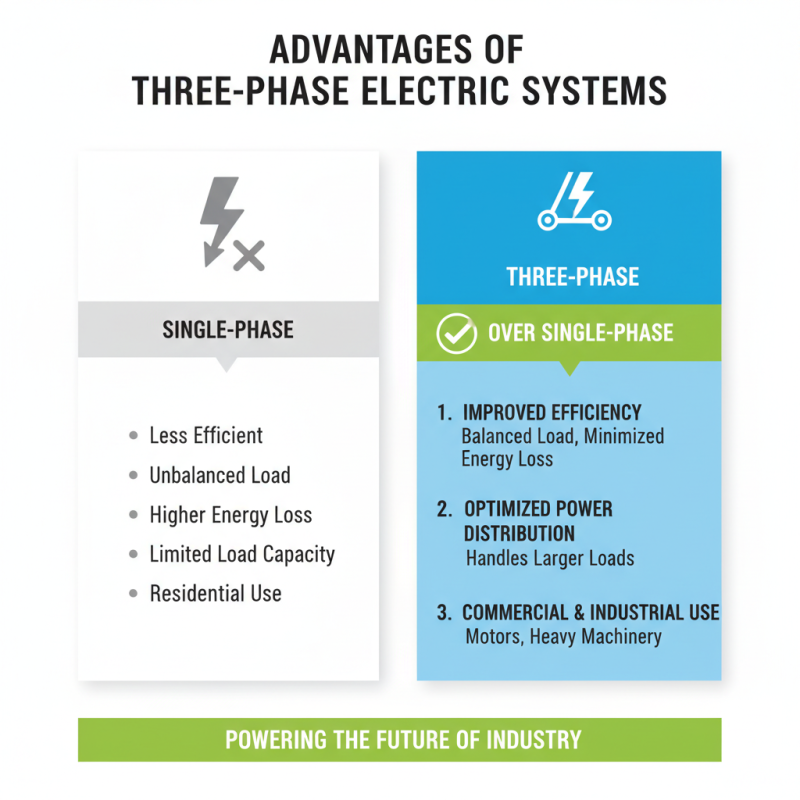
Three phase electric systems offer significant advantages over single phase systems. One key advantage is improved efficiency. With three conductors carrying current, the load is better balanced. This balance minimizes energy loss and optimizes power distribution. In many commercial and industrial applications, three phase systems can handle larger loads without overloading.
Another benefit is reduced conductor size. Because three phase systems deliver more power with less current, the wire sizes can be smaller. This leads to lower material costs and easier installation. Furthermore, three phase motors have a smoother operation compared to single phase motors. They start with greater torque and run more efficiently, reducing wear and extending their lifespan.
However, some may argue that three phase systems are more complex. Not everyone needs such an advanced setup. Smaller applications might find single phase systems sufficient. The initial setup cost can be higher for three phase systems. In cases where simplicity is preferred, that cost may not justify the benefits. It’s essential to consider the specific needs when choosing between these systems.
Three phase electric systems are integral to many industrial applications. They are efficient and reliable. In fact, this system can transmit three times the power of a single phase system. According to a report from the International Energy Agency, three phase systems account for over 70% of industrial electricity consumption.
These systems are popular for powering heavy machinery, motors, and equipment in factories. They provide a more stable and continuous supply of electricity. The smooth power delivery helps to extend the life of industrial equipment. Additionally, industries like manufacturing and construction benefit from reduced operational costs due to lower energy losses.
Tips: Regular maintenance of three phase systems can prevent costly downtime. Always monitor voltage levels to avoid equipment failure. Keeping connections clean also enhances performance.
In many cases, companies find it challenging to implement these systems effectively. Issues may arise from improper installation or outdated wiring. Training personnel on proper usage is crucial for safety and efficiency. Many businesses still rely on older systems, limiting their growth potential in today’s competitive market.
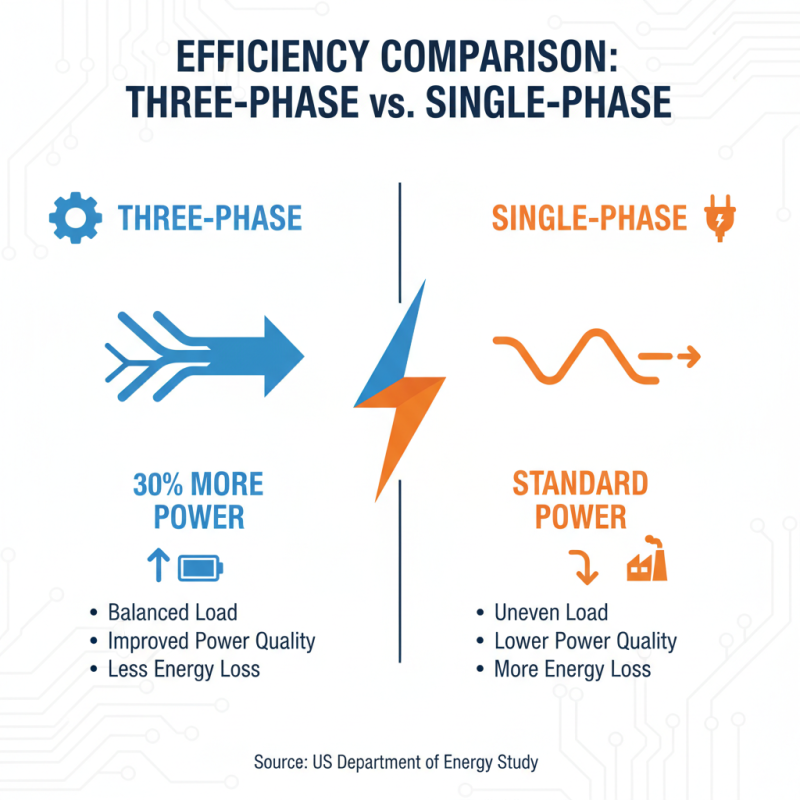
When comparing efficiency between three-phase and single-phase electric systems, several key factors emerge. Three-phase systems typically offer a more balanced load and improved power quality. A study from the U.S. Department of Energy noted that three-phase systems can deliver approximately 30% more power than single-phase systems for the same amount of energy consumed. This increased efficiency translates into less energy loss and more effective operation of heavy machinery.
In contrast, single-phase systems face limitations, especially in industrial settings. They often struggle with high loads and can lead to voltage drops. Research indicates that up to 50% of industrial plants face power quality issues related to single-phase systems. The ripple effect of these problems can result in higher operational costs and reduced equipment lifespan.
Using a three-phase system can help avert these issues. They run smoother and generate less vibration. This lowers maintenance needs. Moreover, industries utilizing three-phase power often experience up to a 20% reduction in electricity costs according to the International Journal of Electrical Power. Even though three-phase systems require more complex wiring and initial installation costs, the long-term benefits can outweigh these challenges.
The future of three-phase electric technology is bright and full of potential. There's a strong push for efficiency and sustainability in energy systems. The growing demand for renewable energy sources is driving this change. Solar and wind power can integrate smoothly with three-phase systems. This reduces energy loss and enhances stability.
Innovations in smart grid technology are also emerging. These grids allow for real-time monitoring and management of electrical distribution. They help optimize energy flow, reducing operational costs. However, challenges remain in ensuring reliability and security against breaches. Investing in training for engineers and operators is crucial to tackle these issues. While progress is evident, ongoing improvements are necessary to harness the full potential of three-phase systems. The integration of artificial intelligence may reshape operational efficiency further, but concerns about data privacy should not be overlooked.
In the realm of sustainable power distribution, innovation plays a crucial role in addressing the demands of modern infrastructure. The Zero-Occupancy Three-Phase Oil-Immersed Underground Transformer represents a significant advancement in this field, providing an effective solution for noise-free and efficient power distribution in urban environments. This product is particularly suited for underground applications, where space and environmental factors limit traditional transformer installations.
The S11/13/20/22-M▪D Series of transformers is designed with a fully sealed oil-immersed structure, ensuring exceptional moisture-proof and anti-corrosion capabilities. This rugged design allows the transformers to thrive in various challenging underground conditions, from high humidity to extreme temperatures. Importantly, the zero-occupancy nature of these units minimizes space usage without compromising performance, allowing for a more streamlined integration into existing power distribution networks. With their silent operation, they adhere to strict noise control standards, making them ideal for densely populated areas where noise pollution can be a concern.
Overall, the innovative features of this transformer series align perfectly with the growing need for sustainable solutions in urban power distribution systems. Their ability to operate without environmental disruption while offering durable, reliable service underscores the importance of investing in advanced technologies that promote efficiency and harmony with urban life.
: Three-phase systems consist of three alternating currents. These currents are offset by 120 degrees.
They provide balanced loads and smoother power delivery, improving machinery efficiency.
They reduce energy losses, handle larger loads, and require smaller conductor sizes.
Yes, installation costs can be higher. They require skilled professionals for setup and maintenance.
Three-phase motors start with greater torque and run more efficiently, extending their lifespan.
Not necessarily. Smaller applications might find single-phase systems sufficient and simpler.
They require careful alignment and management of equipment for optimal performance.
It enhances voltage stability, allowing for better performance in heavy-duty equipment.
Yes, proper setup can be complex and might be unnecessary for certain applications.
Definitely. Customization ensures reliability and efficiency for specific operational needs.
The "Three Phase Electric System" is a robust method of power generation and distribution that utilizes three alternating currents, resulting in a consistent and efficient energy supply. This system consists of key components such as transformers, generators, and conductors, which work together to ensure voltage stability and reduced power losses. Unlike single-phase systems, three-phase systems are able to deliver more power with less current, making them ideal for industrial applications where heavy machinery operates continuously.
The advantages of a Three Phase Electric System include enhanced efficiency, lower energy costs, and improved load balancing. This makes them preferable in various industries, from manufacturing to commercial facilities. As technology advances, the future trends indicate further enhancements in three-phase systems, promising greater efficiency and sustainability in power generation and utilization. Overall, the three-phase approach offers significant benefits over traditional single-phase systems, making it an essential aspect of modern electrical engineering.