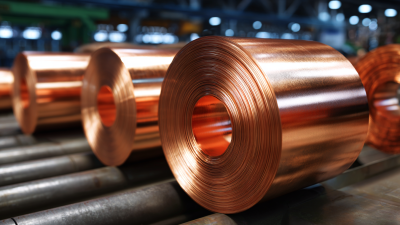
As industries keep moving forward, finding high-quality materials like Copper Coilsbecomes more and more important. I mean, a recent report from Research and Markets actually shows that the worldwide demand for Copper Coils is expected to climb pretty significantly. This surge is mainly fueled by sectors like construction and electronics — so, yeah, there's a real push for suppliers to get smarter about their sourcing strategies.
Staying on top of market trends is super important here. Suppliers really need to keep an eye on price changes. For example, in 2023, the average price of copper was around $4.25 per pound—though that number can shift quite a bit depending on geopolitical stuff and market swings. Big players like Southwire and Kingwire tend to set the bar when it comes to quality and reliability in the copper coil game.
But, it’s not all smooth sailing. Sourcing from different regions can sometimes cause inconsistencies in quality, which is a pain. Each supplier has its pros and cons, so finding the right balance between cost and quality can be a real challenge. Watching how industry leaders handle things can give us some useful insights, but it also means constantly checking if your suppliers are reliable and if their products meet standards — because, let’s face it, that’s key to staying competitive.

The global copper coil market is evolving rapidly. In 2026, trends indicate a growing demand for sustainable sourcing practices. Manufacturers are focusing on green initiatives. Copper recycling is key to minimizing environmental impact. Sourcing from responsible suppliers will become crucial.
Tips for sourcing copper coils effectively:
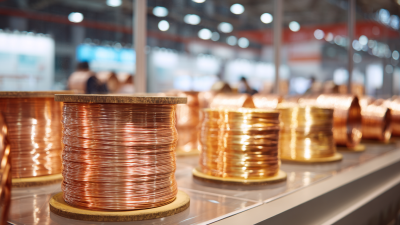
When sourcing copper coils globally, understanding the landscape is crucial. Researching manufacturers is essential. Look for those with proven track records in providing quality products. Validating supplier credentials can save time and resources. Trade shows and industry conferences are good platforms. They attract key players in the copper coil industry. Engaging directly with suppliers allows for real-time insights.
Every region has its strengths. For instance, Asia is known for competitive pricing. Europe often leads in innovation. However, not all suppliers meet high standards. Checking certifications is important. Quality checks prevent potential issues later. Quality ensures that your Copper Transformer operates efficiently. Be mindful of supplier locations too; logistics can add layers of complexity.
Networking is another valuable tool. Connecting with industry experts can yield useful recommendations. Online platforms can help identify lesser-known manufacturers. Conducting due diligence is critical in this process. Look beyond the obvious choices. Some emerging suppliers offer excellent products. They might lack the visibility larger companies have. This careful approach can lead to finding the right copper coil suppliers for your needs.
This chart represents the projected sourcing of copper coils from different regions across the globe in 2026. The data illustrates the expected supply volume in metric tons from each region.
When sourcing copper coils, quality standards are crucial. Many suppliers may claim to meet industry specifications, but not all deliver. Assessing the quality of copper coils often involves examining the material's purity, which should be at least 99.9%. If the purity is lower, it can affect conductivity and longevity. Moreover, copper coils should adhere to specific standards, such as ASTM B280 for refrigeration applications. This ensures their performance aligns with global expectations.
In addition to purity, consider the coil's mechanical properties. The tensile strength and flexibility can vary. Testing these properties is essential. Many suppliers may not provide detailed specifications. This can lead to uncertainty and potential issues in your projects. Conducting thorough inspections and third-party testing can help mitigate this risk. Proper documentation should accompany each batch of coils. It ensures traceability and accountability throughout the sourcing process.
Do not overlook the importance of supplier reliability. Some might offer attractive prices but lack consistency in quality. Choose suppliers with a proven track record and positive feedback. Engaging with multiple suppliers can also provide valuable insights into market conditions. This approach can help in making informed decisions and prevent reliance on a single source. Quality assurance in copper coil sourcing is not just a requirement; it is a necessity for successful global operations.
When sourcing copper coil for global suppliers in 2026, understanding pricing strategies is crucial. Prices for copper coil fluctuate based on various factors. These include raw material costs, demand and supply dynamics, and geopolitical influences. Thus, staying updated on market trends is essential for effective sourcing.
Evaluating cost factors often reveals hidden expenses. Transportation, tariffs, and handling fees add up quickly. Copper Winding processes also influence final costs. Factories may have varying efficiency levels, affecting production times and labor costs. Researching potential suppliers can unveil these discrepancies.
A strategy that emphasizes transparency and reliability helps in decision-making. Always request quotes from multiple suppliers. Analyze these thoroughly for better negotiation. Understanding the full scope of costs prevents unexpected financial strain. In this complex landscape, adaptability is key.
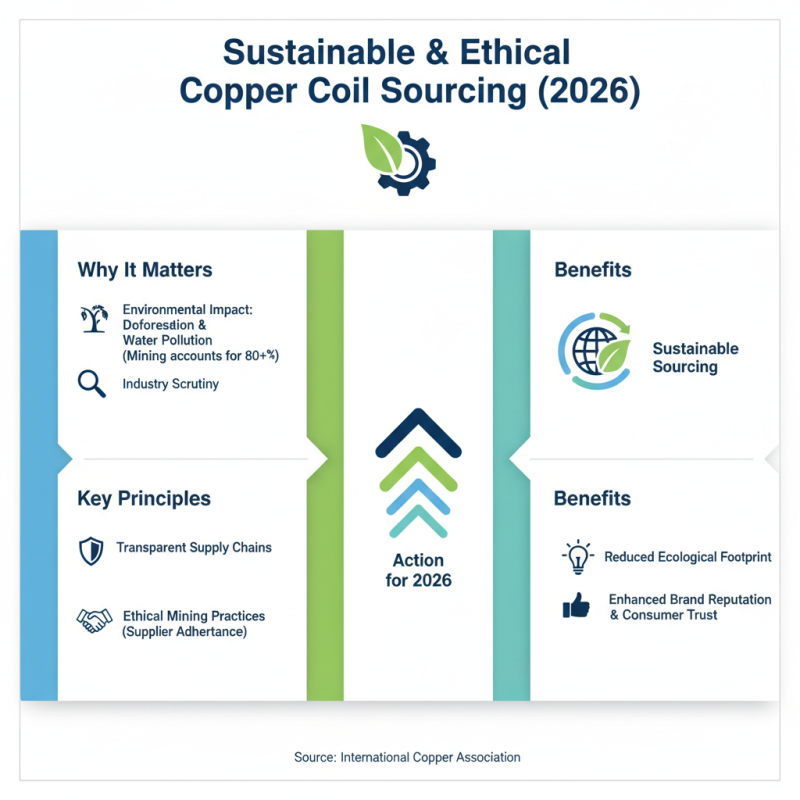
Establishing sustainable and ethical sourcing practices for copper coil is crucial in 2026. The copper industry continues to face scrutiny regarding its environmental impact. According to the International Copper Association, over 80% of copper production occurs in mining, which can lead to deforestation and water pollution. Companies must adopt transparent supply chains. Ensuring that suppliers adhere to ethical mining practices is vital.
Tips: Collaborate with organizations focused on sustainability. Peer reviews can foster accountability and encourage best practices among suppliers. Using tools like blockchain may enhance traceability.
Copper is essential for electrical applications, including Transformer Coil production. As demand for electric vehicles and renewable energy rises, sourcing copper ethically becomes increasingly critical. Reports suggest that global copper demand could soar by up to 40% by 2030. However, sourcing copper ethically remains challenging. Engaging with local communities and respecting labor rights are essential components of responsible sourcing.
Tips: Frequent training for procurement teams on ethical sourcing can help. Regular audits will also keep suppliers compliant. The need for vigilance and continuous improvement is paramount.
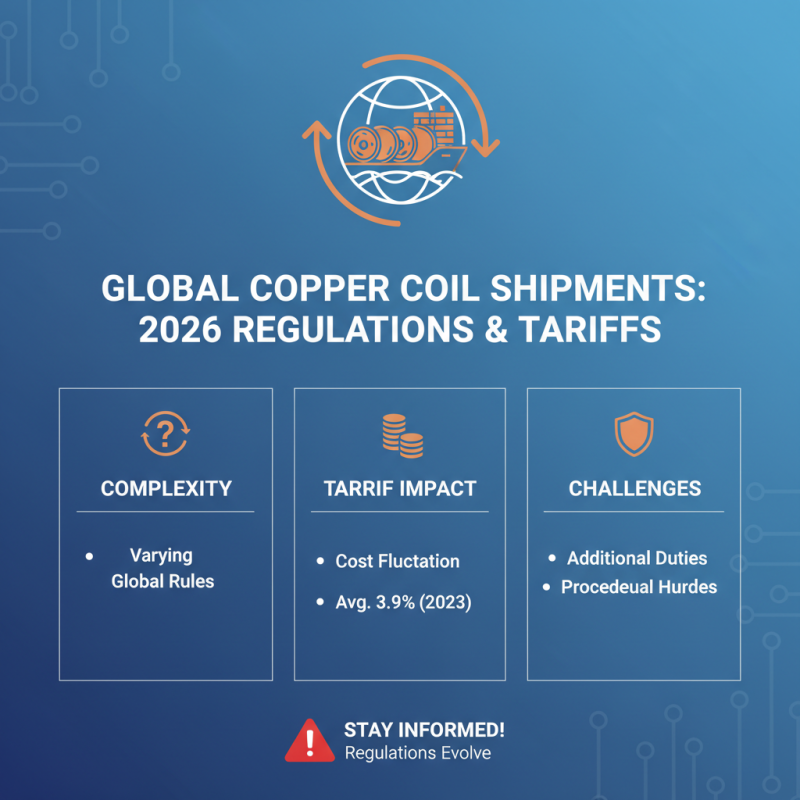
Navigating import regulations and tariffs for copper coil shipments can be complex in 2026. Global suppliers face various challenges. Tariffs can influence the final costs significantly. In 2023, the average tariff rate on copper products was around 3.9%. This can vary greatly by country. Some regions impose additional duties, which can complicate importing procedures further.
Understanding local regulations is critical. For instance, some countries require specific certifications for copper coils. Failing to comply can lead to delays or rejected shipments. A recent report indicated that up to 25% of shipments were delayed due to regulatory misunderstandings. This highlights the need for thorough research and expert consultation before proceeding.
Furthermore, alternatives like Aluminum Coil are also gaining traction due to their lightweight and corrosion-resistant properties. However, potential suppliers must also consider the import tariffs on aluminum. Tariff fluctuations may affect pricing strategies and product competitiveness. Keeping abreast of changing regulations is essential for maintaining a strong supply chain. Engage with logistics professionals who specialize in metals to avoid pitfalls and ensure your imports align with trade policies.
In 2026, sourcing copper coil efficiently will hinge on leveraging digital tools and platforms. The global copper market is projected to reach a value of $200 billion by 2026, according to industry reports. Companies seeking suppliers must adopt a tech-driven approach to remain competitive.
Digital platforms allow buyers to access a broader supplier base. Many manufacturers will use online marketplaces to showcase their products. Enhanced search filters and comparison tools simplify the sourcing process. However, reliance on digital tools has its downsides. Not all suppliers online are verified, creating challenges in ensuring product quality.
Data analytics can greatly improve sourcing strategies. By analyzing market trends, companies can identify favorable sourcing periods and forecast pricing fluctuations. Incorporating customer reviews and ratings adds another layer of reliability. Yet, navigating these tools requires a certain level of expertise. Users must continually adapt to evolving digital landscapes to maximize their benefits.
: Focus on eco-friendly practices. Research suppliers' recycling methods and certifications.
Attend industry conferences to network. This helps gain insights into market trends and innovations.
Prices fluctuate and influence sourcing strategies. Staying informed helps in making better purchasing choices.
Evaluate suppliers' track records and quality standards. Prioritize long-term partnerships for reliability.
Digital platforms expand access to suppliers. They offer features like search filters and product comparisons.
Not all online suppliers are verified. This can lead to potential issues with product quality.
It helps identify favorable sourcing periods and predicts pricing trends. This informs better purchasing decisions.
Look for manufacturers with proven quality. Check their credentials to minimize risks in sourcing.
Networking can yield valuable recommendations. Engaging with industry experts enhances your supplier search.
Yes, they can offer excellent products. They may lack visibility, but they can be cost-effective alternatives.
In 2026, sourcing copper coil requires a comprehensive understanding of global market trends, as well as identifying key suppliers and manufacturers worldwide. A thorough assessment of quality standards and specifications is crucial to ensure that the copper coil meets required industry benchmarks. Additionally, evaluating pricing strategies and cost factors will aid in making informed purchasing decisions.
To promote responsible sourcing, it is essential to establish sustainable and ethical practices in the procurement process. Navigating import regulations and tariffs on copper coil shipments is also vital for international transactions. Finally, leveraging digital tools and platforms can significantly enhance the efficiency of sourcing efforts, providing access to a broader range of options and facilitating better communication with suppliers.