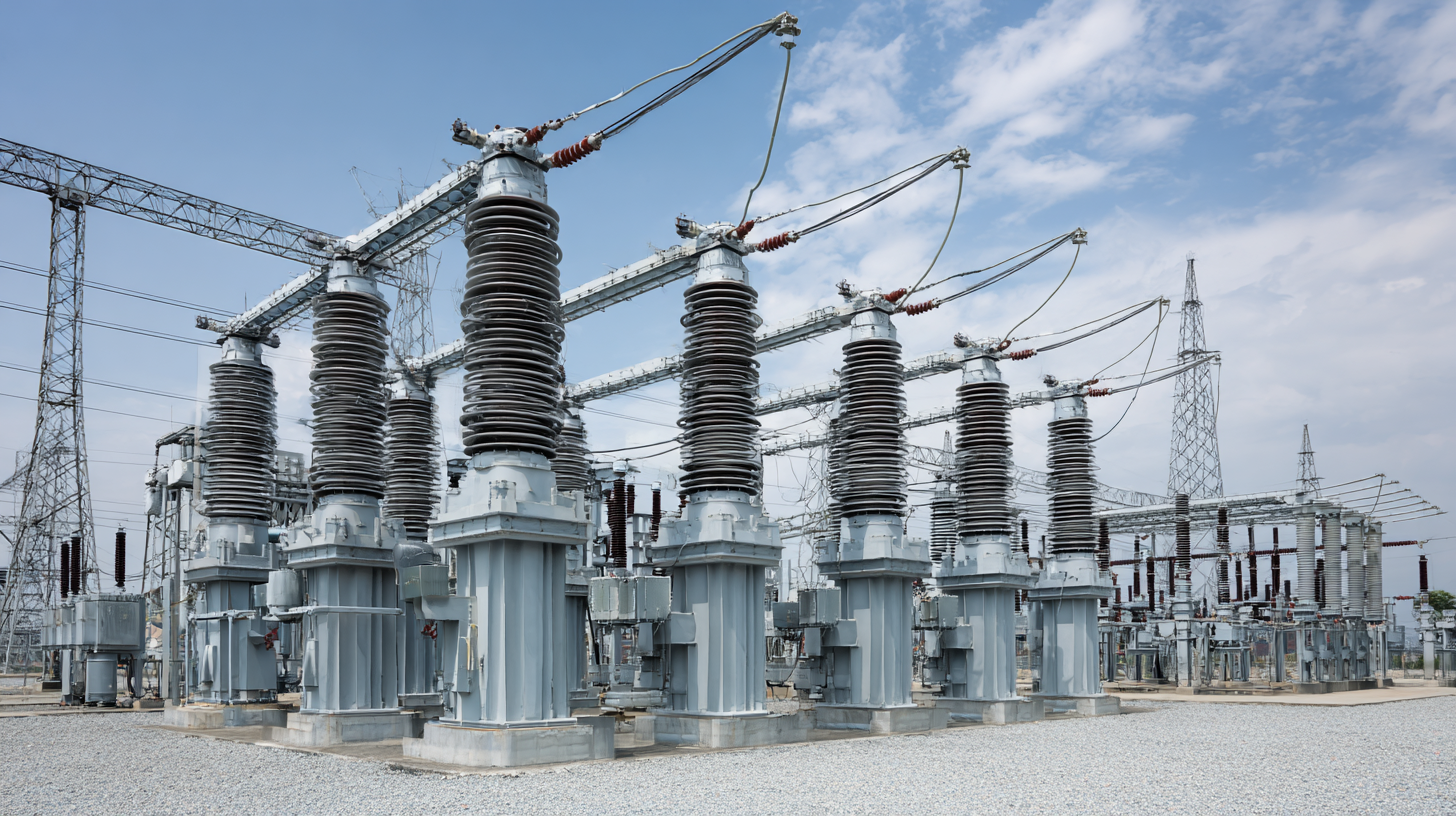
When it comes to industrial operations, picking the right type of power transformer is super important. It really has a huge effect on things like efficiency, reliability, and even your overall costs. You might find it interesting that industry reports suggest the global transformer market could hit about USD 60.6 billion by 2026! And that’s largely thanks to growing investments in power infrastructure and renewable energy. So, figuring out which transformer type works best for your specific needs is key to getting the most out of your performance. Now, let me tell you a bit about Jiangxi Guoxiang Electric Power Equipment Co., Ltd. They’ve been around since 2016 and have made a name for themselves as a national high-tech company that focuses on integrated power solutions—they do everything from R&D to manufacturing and engineering services. This blog is here to walk you through a handy checklist to help you choose the most suitable Power Transformer Type for your industrial needs. We want to make sure you’re making informed choices in what feels like a really complex energy landscape!
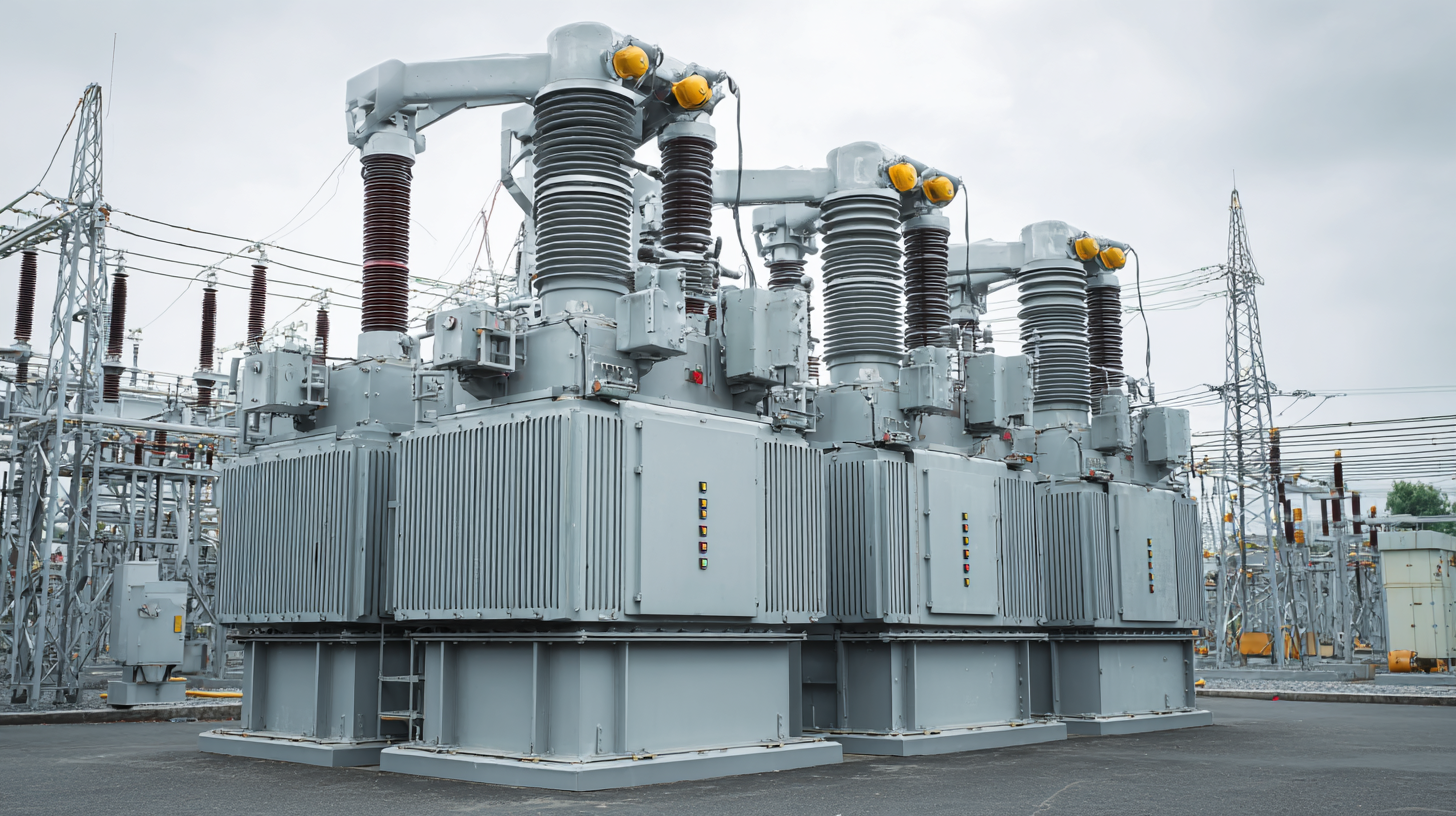
Alright, so if you’re diving into power transformersfor industrial use, it's super important to get a grip on the different types out there. You see, power Transformers Come in a few flavors, mainly based on how they cool themselves, their voltage ratings, and what they’re actually used for. The big players in the game areoil-immersed transformers, dry-type transformers, and then there are those specialty transformers that are tailored for specific industries. Each one has its own quirks to fit different work environments, so you really need to think about what your industrial needs are before settling on one.
Here’s a handy tip: be sure to check out the environment where the transformer will be running its course. For instance, oil-immersed transformers are tough cookies, making them perfect for outdoor applications, while dry-type transformers shine indoors—especially in places where moisture might be a bit of a problem.
Another thing on your checklist should be the transformer's capacity and efficiency. In most industrial setups, you've got some serious power demands, so it’s crucial to pick a transformer that can handle those peak loads without breaking a sweat or draining your budget.
And here’s another tip: don’t skip the load analysis! Figuring out your exact power needs is key—it'll steer you toward a transformer that not only meets your current requirements but also leaves you room for future growth. Just saying, a little planning goes a long way!
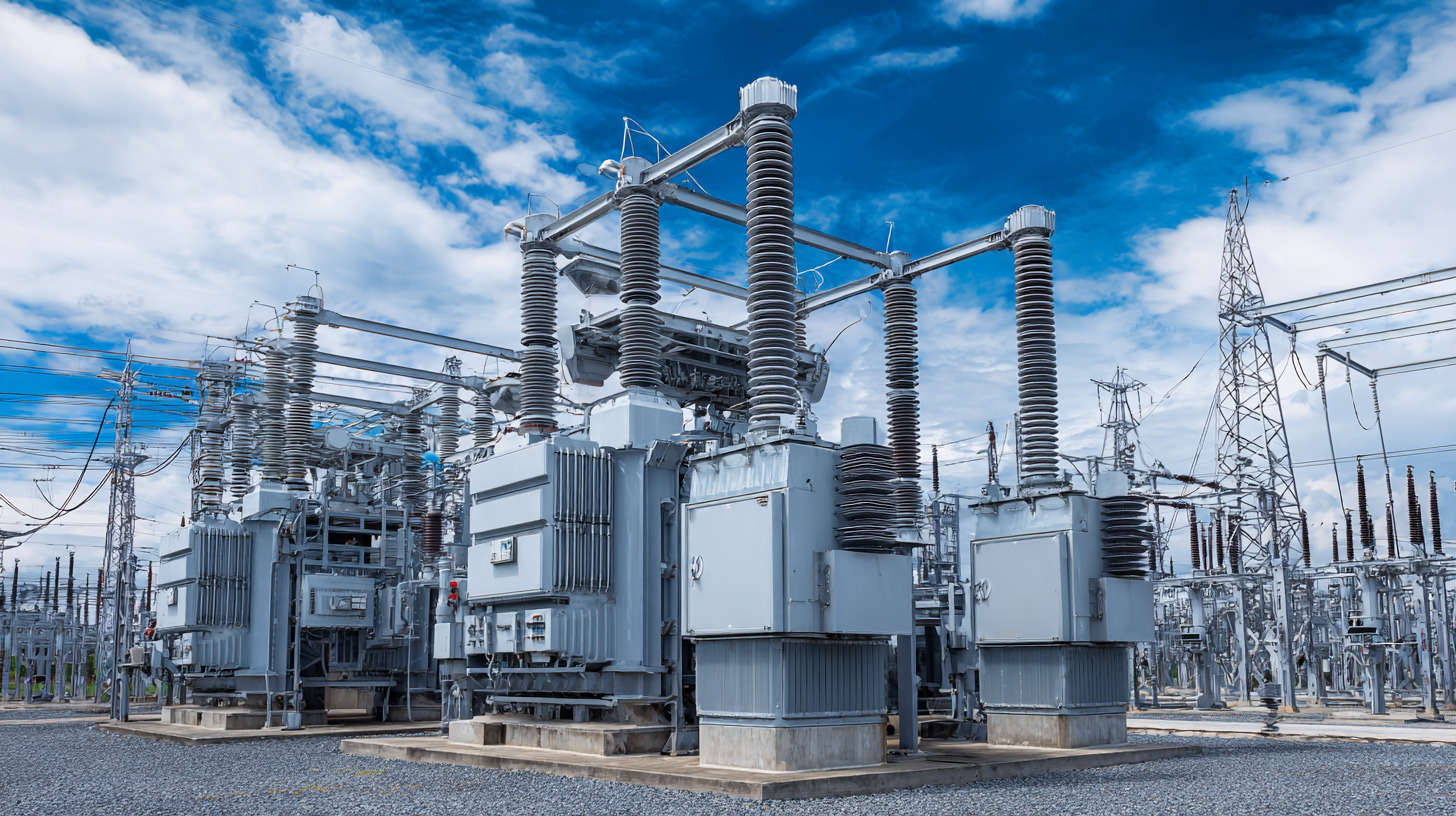
So, when you're trying to pick the right power transformer for industrial use, it really helps to get a grip on the key features and benefits of the different types out there. I mean, you've got your common types like step-up, step-down, and isolation transformers – each one has its own perks that fit specific needs really well. Take step-up transformers, for example; they boost the voltage, which is great for sending electricity over long distances. On the flip side, step-down transformers are all about lowering those voltage levels, making things safe for industrial applications.
Lately, we've seen some cool advancements in smart grid technology that are revolutionizing how we think about transformer maintenance and boosting efficiency. Using lightweight deep learning frameworks to diagnose transformer faults is a game-changer since it helps catch issues before they turn into serious problems. Plus, automatic inspections of power lines, thanks to computer vision, have made maintenance a breeze, cutting down on downtime and ramping up safety. Honestly, these modern tech innovations not only enhance how power transformers work but also ensure they're keeping up with the ever-changing demands of industrial applications. Isn’t that just fascinating?
Alright, so when you're trying to pick the right power transformer for your industrial setup, there are a few key things you really need to think about if you want it to perform well and run efficiently. First up, take a good look at the electrical requirements of your facility. Think about things like voltage levels, how much load you’re handling, and what kind of loads you have—are they resistive, inductive, or capacitive? These details will play a big role in deciding whether you should go for a dry type transformer or an oil-filled one.
Then there's the environment where your operations are happening. If you're in a humid area or somewhere with hazardous conditions, you might want to lean towards dry type transformers because they have fewer safety concerns and are a bit easier to maintain. Also, don’t forget to consider the lifecycle costs. This includes not just the initial investment, but also how efficiently the transformer will operate and what maintenance will cost over time. It’s about finding a transformer that fits your current needs but also sets you up for the long haul.
**A few tips for you:**
1. Think ahead about your facility's future energy needs so you don't end up shelling out more money to upgrade your transformers too soon.
2. Look for transformers that have smart technology built in—this can really help you keep up as the energy landscape keeps changing.
3. Work with suppliers who have experience; they can offer insights that are specific to your unique industrial applications.
When you’re on the hunt for a power transformer for your industrial needs, the big deals to keep in mind are efficiency and performance. You see, different types of transformers out there—like oil-filled, dry-type, and autotransformers—come with their own set of efficiency levels and operational quirks. If you really get to know these differences, it can help your business dodge energy losses and cut operational costs, all while keeping that power flowing reliably.
Here’s a little tip: before jumping into a decision, take a good look at what your specific application needs. For instance, if your workspace is dealing with a lot of humidity or dust, going for a dry-type transformer might be the smarter choice since it handles those conditions like a champ. On the flip side, if you’re working with high voltages where cooling matters a lot, oil-filled transformers usually take the cake.
Another thing to think about is the load characteristics at your place. Transformers come with ratings that reflect their efficiency based on certain load conditions. So, check out both your expected maximum load and the typical operating conditions for the best fit. Investing in a transformer that stays efficient at your expected load is a no-brainer—it’ll boost performance and reliability, cutting down the chances for any unplanned downtime.
Choosing the right industrial power transformer is super important if you want to keep your operations running smoothly and reliably. You know, industry reports are showing that the global transformer market is really booming. They say it’s expected to grow at a rate of over 6% every year from 2021 to 2030. That just goes to show how much we need efficient ways to transmit electricity and regulate voltage, especially as industrial applications keep expanding. So, figuring out what your facility specifically needs—like the right voltage levels and load characteristics—is key to making smart choices when it comes to sizing transformers.
When it comes to selecting and sizing power transformers, it's best to dive deep into the types of connections available, whether they’re shoreside or shipside. This is particularly relevant for industries dealing with passenger and merchant vessels. A detailed report on Transformers Procurement & Cost Intelligence points out that getting the sizing right can really boost grid reliability and safety, which totally aligns with today’s drive towards more sustainable energy solutions. Plus, using advanced strategies like dynamic transformer rating (DTR) can help with both short-term and long-term planning, especially in cutting-edge setups like wind farms. By tapping into these insights, industrial operators can really fine-tune their transformer choices to meet today’s energy demands and build solid operational frameworks.
When it comes to picking the right power transformer for your industrial facility, it's super important yet so easy to mess up. I mean, one of the biggest blunders people make is not really thinking about what their specific load requirements are. If you don't size it right, you're looking at potential overheating and a whole lot shorter lifespan! In fact, studies show that about 70% of transformer failures can be traced back to issues with moisture and heat. So, getting the transformer capacity just right for what you need is key if you want it to perform well.
**Tips:** Before you dive into making a choice, do a detailed load analysis. It'll help you nail down the exact specs you need for your operations. And don't forget about the environment where the transformer is going to live! For example, if it's going outside, make sure it's tough enough to handle those rough weather conditions, like high humidity and varying temperatures. Indoor units? Yeah, they've got their own set of requirements. Seriously, talking to industry pros can give you some solid insights and advice that really fit your unique situation.
Another mistake people often make is completely ignoring modern monitoring systems. I mean, advanced diagnostics, like online dissolved gas analysis (DGA), can spot issues before they balloon into real problems. Considering that nearly 50% of transformer failures happen because of undetected faults, it's crucial. Trust me, embracing this kind of tech can seriously boost reliability and help your transformers last way longer.
The S20 Series high-efficiency oil-immersed transformers represent a significant advancement in energy-efficient power solutions, particularly in today's quest for sustainable energy practices. According to the latest industry reports, energy efficiency in power transformers is becoming a pivotal focus, with the goal of reducing both operational costs and environmental impact. The S20 Series stands out as it has achieved an impressive 30% reduction in no-load losses and a 25% decrease in load losses compared to its predecessor, the S13 series. This leap forward is essential for industries that rely heavily on energy-efficient solutions to meet regulatory standards and consumer expectations.
Central to the impressive performance of the S20 Series is its innovative core design, which utilizes high-permeability grain-oriented silicon steel laminations combined with stepped-lap joints. These features significantly minimize hysteresis and eddy current losses, resulting in an outstanding 40% reduction in no-load current. Furthermore, the transformer’s fully sealed corrugated tank design addresses the challenges of fluctuating oil volumes due to temperature variations. By compensating for these changes through elastic deformation, the design eliminates the necessity for an oil conservator, granting maintenance-free operation that enhances reliability and extends the service life of over 35 years, aligning perfectly with modern sustainability goals.
In a market increasingly burdened by the demand for efficiency and sustainability, the S20 Series transformers embody these values. As organizations worldwide are pressured to reduce their carbon footprints, the integration of such advanced energy-efficient technology is pivotal. Embracing solutions like the S20 Series not only revitalizes power infrastructure but also aligns with global objectives aimed at energy conservation and environmental stewardship.
: The main types include oil-filled transformers, dry-type transformers, and autotransformers, each with different levels of efficiency and operational capabilities.
In high humidity or dusty environments, dry-type transformers are more suitable due to their immunity to these factors, while oil-filled transformers are better for high voltage applications requiring cooling.
Businesses should assess their specific application requirements, including load characteristics and environmental conditions, to choose a transformer that maintains high efficiency.
A thorough load analysis helps determine precise specifications needed for operations, ensuring the transformer is properly sized to avoid overheating and reduce failure risk.
Nearly 70% of transformer failures are associated with moisture and heat-related problems.
Modern monitoring systems, such as online dissolved gas analysis (DGA), help identify potential issues proactively, which is critical since nearly 50% of transformer failures arise from undetected faults.
A transformer that operates effectively at its expected load enhances performance and reliability, which ultimately reduces the risk of downtime and minimizes operational costs.
A common mistake is failing to consider the specific load requirements, which can lead to inadequate sizing and subsequent overheating.
Experienced industry professionals can provide valuable insights and tailored recommendations based on the unique circumstances of a facility's needs.
Outdoor transformers should be designed to withstand harsher conditions, including humidity and temperature fluctuations, compared to indoor units.