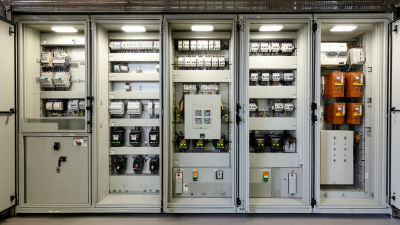
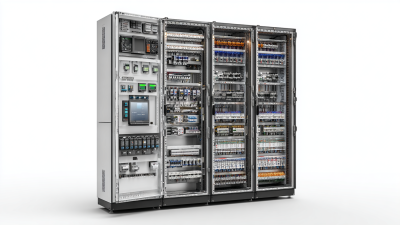
You know, in the world of manufacturing, choosing the right materials can really make a difference when it comes to how well Electrical Equipment performs and how efficient it is. One material that’s been catching a lot of attention isCopper Winding– folks love it because it conducts electricity like a champ and is pretty tough too. Some industry reports even say that using copper conductors can boost Energy Efficiency by up to25% compared to aluminum ones, which can really help cut down costs in the long run. Over here at Jiangxi Guoxiang Electric Power Equipment Co., Ltd., we totally get how important it is to use top-quality materials in our power solutions. We started back in 2016, and with our team’s strength in R&D, manufacturing, and engineering, we're confident we can make the most of what Copper Winding has to offer. In this blog, I’m going to walk you through ten solid reasons why choosing Copper Winding for your manufacturing projects is a smart move—it's all about better performance and being more sustainable in the electrical game.
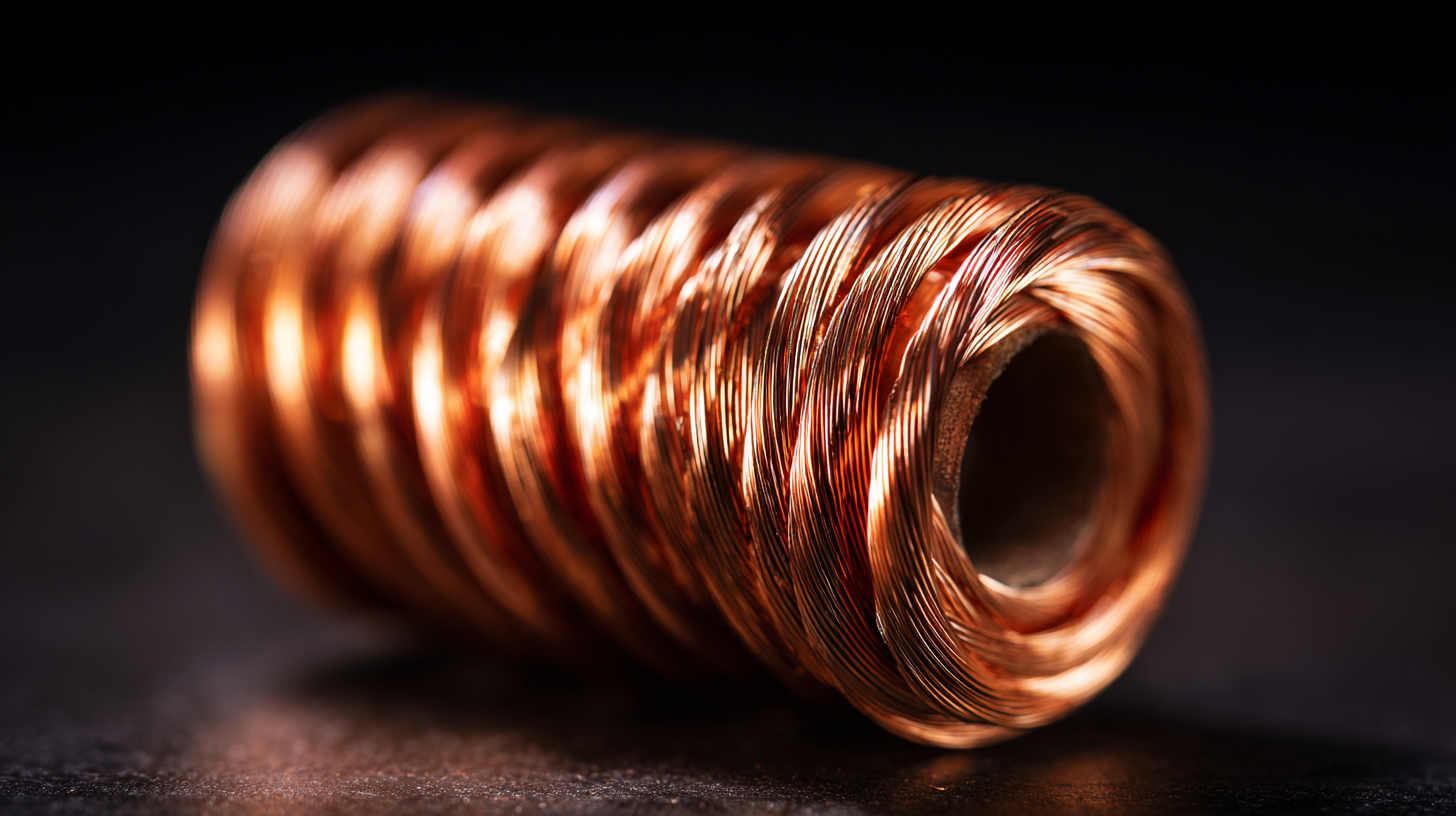
Advantages of Copper Winding in Electrical Applications
When it comes to electrical applications, copper windings are pretty much the go-to choice for manufacturers these days, and it’s not hard to see why. According to research from the International Copper Association, copper’s conductivity is about 60% higher than aluminum’s, which makes it a top pick for efficient energy transmission. Basically, this means less energy is lost along the way, so systems can run smoother and help manufacturers cut down on costs.
Copper also shines when it comes to heat — it’s got amazing thermal conductivity. That’s a big deal because it helps keep things safe and reliable. The Electrical Engineering Portal even reports that systems with copper windings can handle higher temperatures without risking insulation damage or failing. That means these setups not only last longer but can also perform at their best, even when they’re pushed to the limit. Plus, copper’s resistance to rust and corrosion means it ages well, making it a pretty smart investment for anyone looking to boost their electrical systems’ performance and longevity.
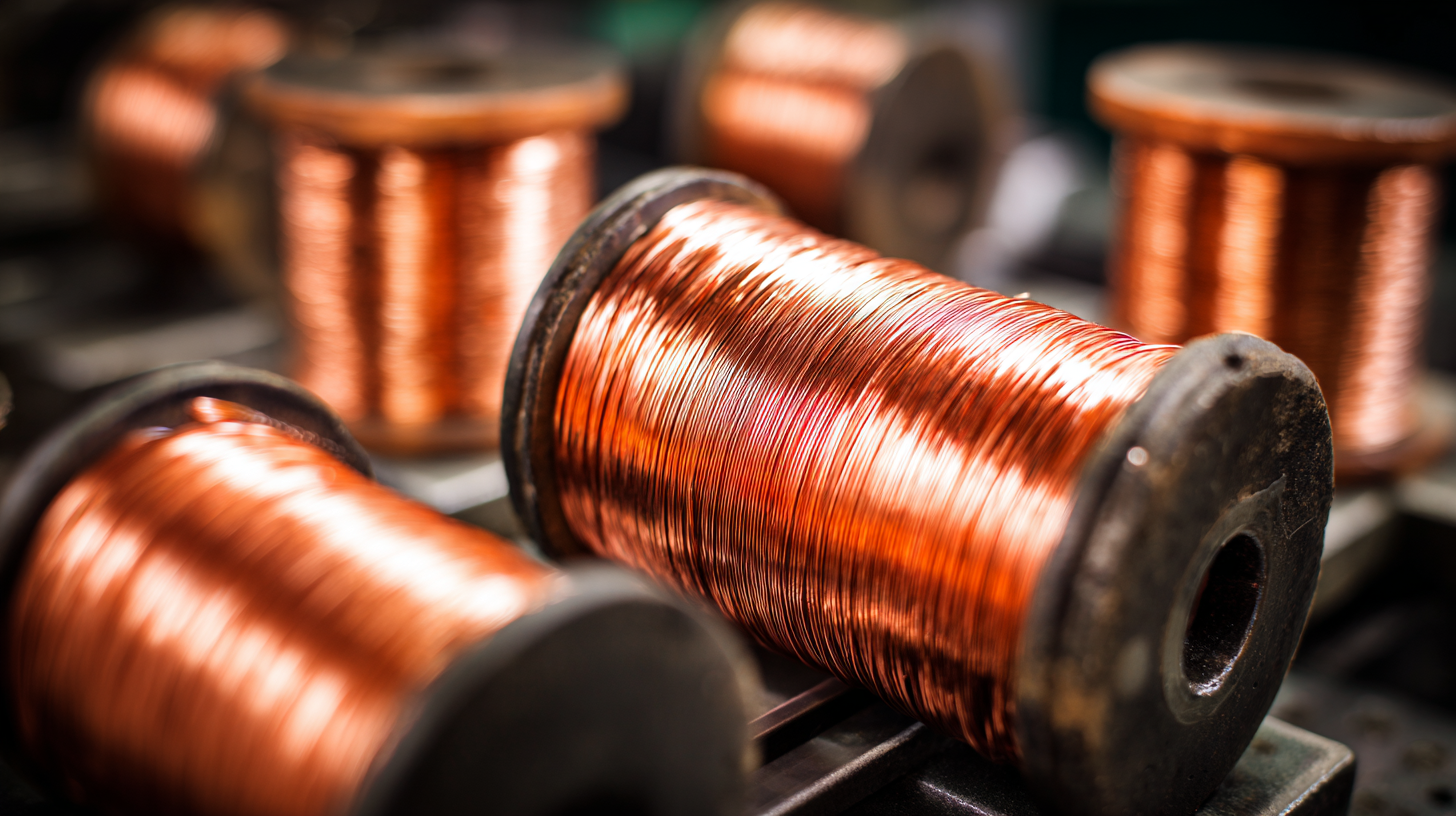
Comparative Analysis: Copper vs. Aluminum Winding Efficiency
When you compare copper and aluminum windings in making electrical machines, you'll notice some pretty important differences in how efficient, effective, and cost-friendly they are. As the demand for compact, high-power machines keeps climbing, picking the right winding material is more crucial than ever. Copper windings are often the go-to because they conduct electricity better and handle heat more smoothly, usually beating aluminum in lots of situations. Plus, copper’s resistivity stays pretty favorable, especially in tough, high-stress environments, which means these machines stay more efficient and lose less energy over time.
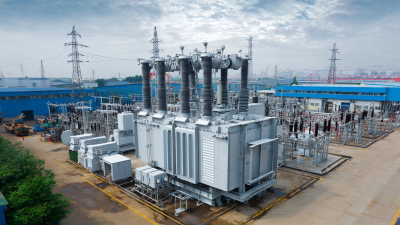
Now, when you look at distribution transformers, the gap between copper and aluminum gets even clearer. Research shows that transformers with copper windings tend to be more efficient overall, thanks to lower resistive losses and better heat management. Also, if you consider things like weight and size, copper’s advantages shine through — it allows for lighter cores and smaller oil volumes. As manufacturers figure out how to tackle these technical challenges, they’re often leaning toward copper because of its long-term perks: higher power density and better overall performance. All this points to copper being a smarter choice for the future of electrical machine design.
10 Proven Benefits of Choosing Copper Winding for Your Manufacturing Needs - Comparative Analysis: Copper vs. Aluminum Winding Efficiency
| Benefit | Copper Winding | Aluminum Winding | Efficiency Difference |
| Electrical Conductivity | Excellent | Good | Higher |
| Thermal Conductivity | High | Moderate | Better |
| Durability | Highly Durable | Less Durable | More Robust |
| Weight | Heavier | Lighter | - |
| Corrosion Resistance | Good | Moderate | Stronger |
| Cost Efficiency | Higher Initial Cost | Lower Initial Cost | Long-term Savings |
| Magnetic Properties | Minimal | Higher | Preferred for Applications |
| Maintenance Requirements | Low | Moderate | Easier to Maintain |
| Overall Performance | Superior | Good | Best Choice |
Long-Term Durability and Reliability of Copper Winding Solutions
When it comes down to making stuff, the choice of materials really makes a big difference in how well products perform over the long haul. Lately, copper windings have become pretty popular because they’re super durable. I remember reading a study from the International Copper Association that said copper can last over a hundred years in electrical uses — that’s way better than aluminum, for sure. So, investing in copper isn’t just about performance; it actually helps cut down on maintenance costs and keeps things running smoothly longer, which is a win for manufacturers.
If you wanna get the most out of copper windings, a few tips might help. Making sure you install them properly to avoid putting too much stress on the wires is a good start. Also, keeping an eye on your electrical systems regularly can catch problems early before they turn into bigger issues. And don't forget about using high-quality insulation — it can really boost the reliability by preventing corrosion and electrical failures, which tend to happen with cheaper materials.
Plus, one of the reasons copper is so reliable is because it’s such a good conductor of heat and electricity. The folks at ASHRAE mention that copper’s ability to dissipate heat effectively means motors work more efficiently, which can save up to 15% on energy costs. By taking advantage of these benefits, manufacturers can make their products more dependable and even do a little good for the planet by using less energy overall.
10 Proven Benefits of Choosing Copper Winding
Cost-Effectiveness of Copper Winding Over Time
You know, a lot of industry reports actually back up the idea that copper winding is pretty cost-effective in the long run. For example, a study from the International Copper Association mentions that using copper instead of aluminum in electrical stuff can cut energy losses by as much as 30%. That really adds up over time — meaning lower operating costs and making copper a smart choice for companies looking to be more sustainable and efficient.
A quick tip: when you're picking materials for electrical parts, think about the overall lifetime costs. Sure, copper might cost a bit more upfront, but the savings from better energy efficiency and fewer repairs tend to pay off in the long run.
And let's not forget, copper is super durable. According to the American Society for Testing and Materials, if maintained right, copper windings can last up to 50 years. That means fewer replacements and less waste, which is great if you're into eco-friendly manufacturing.
Oh, and a word of advice—make sure to have good quality control in place for your copper windings. Keeping everything in check not only helps them last longer but also gives you the best bang for your buck. Basically, when you choose copper, you're stacking the deck in your favor for the future!
Impact of Copper Winding on Energy Efficiency and Performance
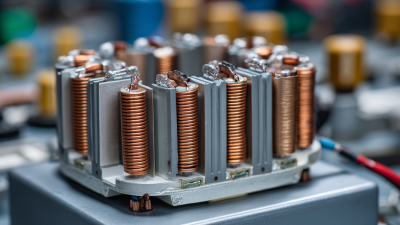
Opting for copper windings in manufacturing can really give a boost to energy efficiency and overall performance. It's pretty much in line with the latest tech breakthroughs in energy conversion. Copper's famous for its excellent electrical conductivity, which means less energy gets wasted in electromagnetic devices. Recent research—especially those studies that look into tweaking resistance levels—show that by designing with copper in mind, you can really improve how efficiently electromagnetic systems work, like in motors that operate on electromagnetic forces. So, using copper windings isn’t just about reliability; it’s also about cutting down heat losses and making the entire motor run more smoothly and efficiently.
Plus, incorporating copper into electric machines helps with thermal management. There's quite a bit of evidence from various studies on cooling techniques for motors and transformers that copper does a great job at helping heat escape and keeping things running cooler for longer. For example, some designs even include tiny fins made of copper in thermal energy storage setups—that’s a smart way of boosting heat dissipation and extending equipment lifespan. As Jiangxi Guoxiang Electric Power Equipment Co., Ltd. keeps pushing the envelope in power solutions, getting more from copper windings really helps us improve our products’ performance and efficiency. Ultimately, it’s about meeting the rising demands of renewable energy and electric vehicle markets, while keeping things reliable and cutting-edge.
Applications of Copper Winding in Modern Manufacturing Industries
Copper winding is really starting to take off in many of today's manufacturing industries, mainly because of its excellent conductivity and durability. You’ll often see it in electric motors and transformers—where it helps boost energy efficiency and keeps things from overheating. Industries like automotive, aerospace, and renewable energy are putting more trust in copper windings—they rely on them for high-performance electrical parts that need to last and stay reliable even under tough conditions.
When you're choosing copper winding for your project, it’s worth thinking about the specific needs—like the voltage, current, and the environment it’ll be working in. Also, the quality of the copper really matters—higher purity copper tends to give better results. Don’t forget, using the right insulation techniques can further extend the lifespan of your components, which, in the long run, can save you some bucks.
And here’s a tip—incorporating new tech into your winding process can really make a difference. Automated winding machines, for example, can help you produce more consistent results, cut down on labor costs, and speed things up. Keep an eye on the latest innovations in copper winding—staying in the loop can give you that extra edge over the competition.
FAQS
: Copper winding offers higher conductivity (approximately 60% more than aluminum), exceptional thermal conductivity, and resistance to oxidation and corrosion, leading to lower energy losses, enhanced safety, and increased lifespan of electrical components.
The enhanced conductivity of copper reduces energy losses during transmission, allowing electrical systems to operate more effectively and lower operational costs for manufacturers.
High thermal conductivity ensures that systems with copper windings can operate at higher temperatures without risking insulation failure or damage, maintaining safety and reliability.
Copper windings are generally more efficient than aluminum due to their superior conductivity and thermal performance, particularly in high-power dense electrical machines, leading to better overall efficiency and lower energy losses.
Copper transformers exhibit higher efficiency levels due to lower resistive losses and better thermal management properties, making them a more effective choice for distribution applications.
The choice of winding material, such as copper, affects efficiency, performance, weight, and volume, and can lead to reduced core weight and oil volume, which are important factors in the design of modern electrical machines.
Copper's resistance to corrosion and oxidation, along with its ability to handle higher temperatures without insulation damage, contributes to the longevity of electrical components in various applications.
Long-term benefits include improved power density, higher efficiency, reduced operational costs, and a general enhancement of the performance of electrical systems, making copper windings a smart investment.
Conclusion
Copper winding is really gaining recognition these days thanks to all its perks in electrical stuff. It’s become kinda the go-to choice for modern manufacturing because, honestly, it just works better. Its amazing conductivity compared to aluminum means your machines run more efficiently and perform better—plus, it helps save energy in the long run. And let’s not forget, copper winding is super durable and reliable, which means you don’t have to worry about replacing or fixing it all the time—that’s a big money-saver!
Here at Jiangxi Guoxiang Electric Power Equipment Co., Ltd., we’re all about providing integrated power solutions that make the most of copper winding’s benefits. We’ve been around since 2016, and our focus is on innovation—whether that’s through R&D, manufacturing, or engineering services. Choosing copper winding for your projects isn’t just about getting top-notch performance; it’s also about making a smarter, more sustainable choice for energy efficiency. We’re here to help you stay ahead of the game!