Power Transformers play such a crucial role in our electrical systems—they’re basically the backbone when it comes to getting power distributed efficiently. There are quite a few different types out there, and each one certainly has its perks and downsides. Did you know that, according to MarketsandMarkets, the global market for these transformers is expected to hit around $26.54 billion by 2025? That growth’s mainly fueled by rising energy needs and ongoing infrastructure projects.
One type that really stands out is the [Dry Type Power Transformer](https://www.gxtransformer.com/dry-type-power-transformer). It’s especially popular because it’s safer and better for the environment since it doesn’t use oil, which means there's no risk of leaks—perfect for cities or sensitive areas. On the flip side, they can be a bit pricier to set up and might not be the most efficient option in certain situations. So, choosing the right transformer really calls for some careful thought, depending on what you need.
Getting a good handle on the differences between these transformer types is super important for industries wanting to boost reliability and go greener. While tech keeps improving, folks are always chatting about how these transformers perform, how much they cost, and their environmental impact. Staying in the loop with these updates is key for anyone making decisions in this field. As things keep evolving, keeping up with the latest developments will definitely give you an edge.
What is a Power Transformer?
A power transformeris a crucial component in electrical systems. It adjusts voltage levels to ensure efficient Power Distribution. By transferring electrical energy between circuits, it helps maintain the stability of a network. Power transformers are typically found in substations and are vital for long-distance electricity transmission.
The design of a Power Transformer Type can vary. Some are designed for high voltage applications, while others are tailored for lower voltages. Key features include insulation, cooling systems, and the ability to handle various load conditions. Insulation must withstand high voltage to prevent failures. Cooling systems are essential to dissipate heat generated during operation.
However, maintaining a power transformer poses challenges. Regular inspections are necessary to detect potential issues. Any oversight can lead to significant downtime or even failures. Proper training and understanding of these systems are needed. Yet, there remains a gap in expertise in some areas. Enhancing knowledge around power transformer types can help improve reliability in the long run.
Types of Power Transformers and Their Applications
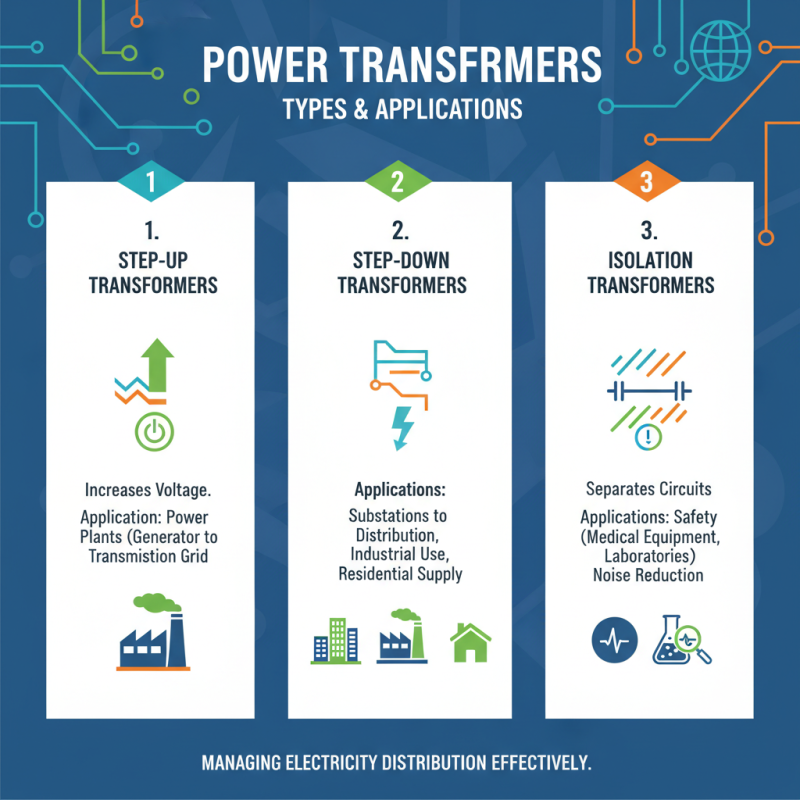
Power transformers are vital in utility and industrial applications. These devices help manage electricity distribution effectively. They come in various types, each designed for specific purposes.
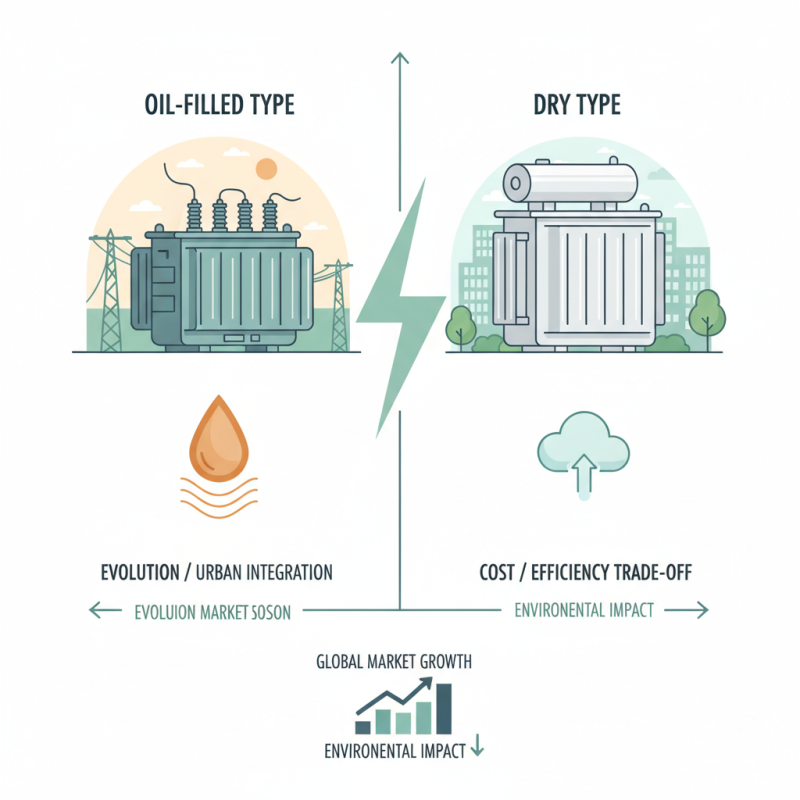
One common type is the Dry Type Transformer. This transformer cools through air instead of oil, making it safer for indoor use. According to industry reports, the global dry type transformer market is expected to grow by 6% annually until 2025. They are ideal for environments where fire risk needs to be minimized.
Another important category is the oil-filled transformer. Oil-filled transformers are typically used in outdoor substations. They can handle larger loads compared to dry type transformers. However, they require regular maintenance to ensure the insulation remains effective. It’s also crucial to monitor oil levels and quality to avoid potential failures.
Tips: Always assess the environment before selecting a transformer type. For areas with high humidity, a dry type transformer may be more suitable. Regular maintenance can extend the lifespan of oil-filled transformers and enhance reliability. Choose wisely to meet specific operational needs.
Key Features of Power Transformers
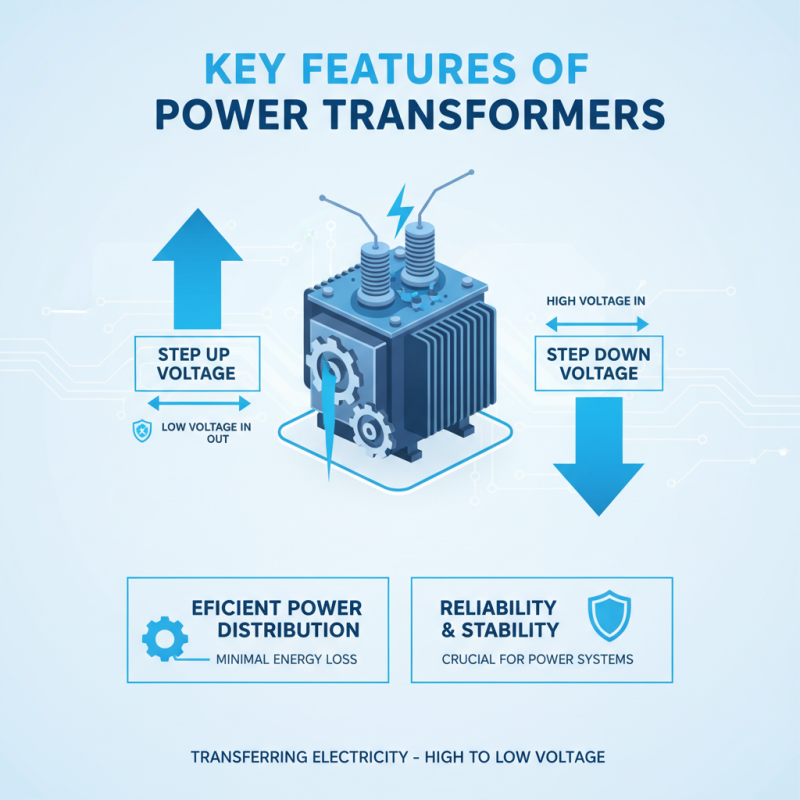
Power transformers play a crucial role in electrical power systems. They transfer electricity between high and low voltage circuits. A key feature is their ability to step up or step down voltage levels, which is essential for efficient power distribution. The design of these transformers allows for minimal energy loss, ensuring reliability.
Another important aspect is their insulation system. High-quality insulation materials protect against electrical faults. This ensures safety and prevents failures. Additionally, the cooling mechanisms used in power transformers are vital. Adequate cooling prevents overheating and extends the lifespan of the equipment. The standard oil-cooled transformers rely on transformer oil for heat dissipation.
Power transformers also feature various monitoring devices. These help in tracking performance and diagnosing issues. Regular maintenance is necessary to ensure optimal functioning. However, many facilities overlook this aspect, leading to unexpected outages. Understanding the specific features of power transformers can help in making informed decisions and improve operational efficiency.
Working Principle of Power Transformers
Power transformers are vital components in electrical power systems, playing a crucial role in voltage regulation and energy distribution. Their primary function relies on electromagnetic induction principles, which enable the transfer of electrical energy between circuits at different voltage levels. When alternating current passes through the primary coil, it generates a magnetic field. This magnetic field induces a voltage in the secondary coil, allowing efficient energy transfer without physical connection.
The design intricacies of power transformers contribute significantly to their performance. They typically consist of multiple windings that enhance voltage transformation efficiency. According to the International Electrotechnical Commission (IEC), high-efficiency transformers can operate at 97% efficiency or higher. The choice of core materials, such as silicon steel, influences their magnetic properties and reduces losses. Moreover, advancements in insulation materials have minimized overheating risks, increasing reliability.
Despite these advancements, challenges persist. The operational environment can affect a transformer's longevity. Factors like temperature variations, humidity, and dust accumulation require careful monitoring. Regular maintenance is essential but often overlooked, leading to potential failures. In recent reports, it's noted that nearly 21% of transformer failures result from insulation issues. Addressing these concerns can enhance the lifespan of power transformers, ensuring optimal performance in a critical infrastructure system.
Importance of Power Transformers in Electrical Systems
Power transformers play a crucial role in electrical systems. They are essential for voltage regulation and energy distribution. These transformers manage electricity flow to ensure stability. Their design supports large-scale operations, making them vital for industries and utilities. Without them, maintaining power quality would be challenging.
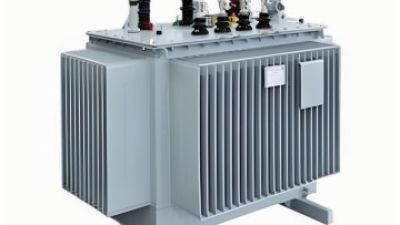
A 1000 Kva Dry Type Transformer is one example of a commonly used power transformer. These units are designed for efficiency and safety. Unlike oil-filled transformers, dry type transformers reduce fire hazards and environmental risks. This makes them suitable for urban and indoor applications.
Despite their advantages, challenges remain. Maintenance checks can sometimes be overlooked, leading to unexpected failures. Understanding the specific needs of an electrical system is crucial. Operators must assess load demands carefully. It's important to weigh the benefits of choosing the right type of transformer for various applications.
Maintenance and Monitoring of Power Transformers
Maintaining power transformers is crucial for reliable electrical infrastructure. Regular inspection and monitoring help prevent failures. Studies show that improper maintenance can lead to a 15% increase in operational costs. This is significant for utilities managing aging assets. Proper maintenance strategies can extend the lifespan of these transformers.
Monitoring methods include thermal imaging and dissolved gas analysis. Thermal imaging detects hotspots, indicating potential issues. Dissolved gas analysis identifies failures in insulation and cooling systems. According to industry reports, 70% of transformer failures can be predicted using these techniques. However, many utilities still rely on outdated practices, which may result in unexpected outages.
Training personnel is essential for effective monitoring and maintenance. Well-trained staff can quickly identify anomalies. Furthermore, data analytics tools are becoming increasingly important. They can process large amounts of data and forecast possible problems. Nonetheless, data accuracy often relies on the quality of the input from technicians. Continual improvement in training and technology is necessary for optimal performance.
What is Power Transformer Type and Its Key Features?
| Feature | Description | Importance |
| Voltage Rating | Indicates the maximum voltage the transformer can handle. | Essential for system compatibility and safety. |
| Cooling Method | Type of cooling used such as oil natural, air natural (ONAN) or water-cooled. | Affects transformer efficiency and lifespan. |
| Energy Efficiency | The efficiency of power conversion from primary to secondary coils. | Higher efficiency reduces energy losses and operational costs. |
| Insulation Type | Material used for insulation such as paper or synthetic materials. | Determines the durability and thermal resistance of the transformer. |
| Loadability | The maximum load a transformer can handle effectively. | Critical for ensuring reliability and preventing overloads. |
Recent Innovations in Power Transformer Technology
Recent advancements in power transformer technology have reshaped the landscape of electrical distribution. A significant focus has been placed on the development of more efficient and durable transformers. Innovations such as the Three Phase Dry Type Transformer exemplify this trend. These transformers are designed to operate in various environments without the risks associated with oil-filled units. They promise improved safety and lower maintenance costs, making them attractive for many applications.
Another area of innovation is digital monitoring and smart grid integration. New transformers are now equipped with sensors that provide real-time data on performance and condition. This proactive approach to maintenance reduces downtime and enhances reliability. However, as technology evolves, the initial investment can be a barrier for some. Organizations must weigh the cost against long-term benefits.
There's also a growing emphasis on sustainability. New materials and designs aim to reduce environmental impact. Despite these advancements, challenges remain. For instance, the global demand for electricity is rising. Balancing efficiency and reliability while meeting this demand requires ongoing research and development. The industry must continuously adapt to ensure transformers remain efficient, resilient, and capable of meeting future needs.
Enhancing Outdoor Power Distribution: Insights from Industry Reports on S13 Series 10kV Oil Immersed Transformers Performance and Reliability
The S13 series 10kV oil-immersed transformers represent a significant advancement in outdoor power distribution, showcasing impressive performance and reliability as highlighted in numerous industry reports. These three-phase transformers are engineered for high efficiency, featuring a fully sealed corrugated tank structure that accommodates both temperature and volume variations of the oil due to load fluctuations and changes in ambient conditions. This design not only enhances the reliability of the transformers but also contributes to a compact footprint and aesthetically pleasing appearance, ideal for modern energy infrastructure.
The efficiency benefits of the S13 series are noteworthy. The transformers achieve an average 45% reduction in no-load losses and a 35% decrease in load losses compared to conventional standards. This translates into a substantial 30% reduction in operating costs, making them particularly suitable for critical infrastructure projects where sustainability and long-term durability are paramount. By minimizing energy waste and enhancing operational efficiency, the S13 series lays the groundwork for a more reliable and economically viable power distribution system in outdoor settings.
FAQS
: Power transformers manage electricity distribution in utility and industrial applications. They regulate voltage and maintain power quality.
A dry type transformer cools via air. It is safer for indoor use and is suitable where fire risk is a concern.
Oil-filled transformers handle larger loads and are used outdoors. They require regular maintenance to ensure insulation quality.
Regular maintenance prevents potential failures. Monitoring oil levels and quality is crucial for reliability and safe operation.
Assess the environment and specific operational needs. Humidity levels and fire risk are important considerations.
Yes, dry type transformers minimize fire hazards, making them safer for urban applications. However, they still need regular checks.
Operators may overlook maintenance checks, leading to unexpected failures. Understanding load demands is also crucial for effective operation.
Regular maintenance and monitoring can significantly enhance the reliability and lifespan of oil-filled transformers.
While safer, they may not handle as large loads as oil-filled transformers. Operators should evaluate their specific needs carefully.
The wrong choice can lead to operational inefficiencies and increased costs. Assessing the specific requirements is key to success.
Conclusion
Power transformers are critical components in electrical systems, designed to transfer electrical energy between circuits at different voltage levels. The various power transformer types include step-up and step-down transformers, each suited for specific applications in power generation, transmission, and distribution. Key features of power transformers encompass high efficiency, durability, and the ability to handle high voltages, making them essential in maintaining system reliability and stability.
Understanding the working principle of power transformers, which involves electromagnetic induction, highlights their importance in regulating voltage levels in electrical systems. Regular maintenance and monitoring ensure optimal performance, while recent innovations in power transformer technology focus on enhancing efficiency and reducing environmental impacts. Emphasizing the significance of the power transformer type is vital for addressing the growing demands of modern electrical grids and ensuring effective energy management.