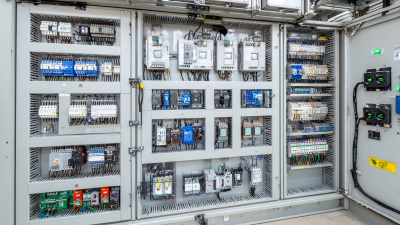
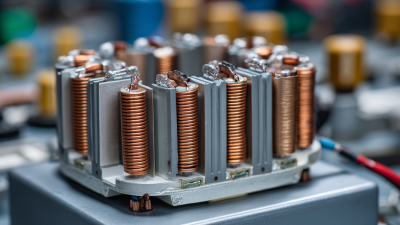
In today’s fast-moving world of electrical power, finding ways to boost efficiency and cut down operational costs has never been more important. You might have heard about Aluminum Transformers—they’re gaining popularity because they’re affordable and eco-friendly, making a real difference in how we handle energy. Recent industry reports even say that aluminum transformers can weigh up to 60% less than traditional copper ones. That’s a big deal when it comes to saving money and making installation a lot easier. Jiangxi Guoxiang Electric Power Equipment Co., Ltd., which started back in 2016 and is recognized as a high-tech enterprise in China, focuses on creating complete power solutions—they handle everything from research and development to manufacturing, sales, and engineering support. By choosing Aluminum Transformers, companies can fine-tune their electrical setups, leading to better overall performance and fewer losses. As technology keeps advancing, picking the right equipment is key for staying competitive and meeting the growing need for reliable, efficient energy.
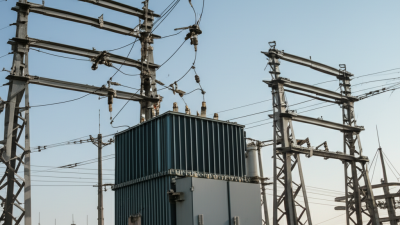
Understanding the Benefits of Aluminum Transformers for Electrical Systems
Aluminum transformers are really changing the game for electrical systems. They’re lightweight and more budget-friendly compared to those traditional copper ones. Because aluminum has a lower melting point and still good conductivity, it’s perfect for situations where cutting down on weight really makes a difference—stuff like overhead power lines or tight spaces where everything needs to be compact. This switch not only makes things more efficient but also helps save a tonon operational costs in the long run. Plus, aluminum’s resistance to corrosion means these transformers last longer, which means less maintenance and more Reliable Power delivery.
At Jiangxi Guoxiang Electric Power Equipment Co., Ltd., we’re all about staying ahead with the latest tech, and aluminum transformers fit right into that vision. We’ve been around since 2016 as a national high-tech company, diving into everything from R&D and manufacturing to sales and engineering. By hopping on the aluminum transformer bandwagon, we help our clients upgrade their electrical setups—boosting performance, cutting costs, and pushing sustainability forward, all while driving innovation in the industry.
Assessing Your Current Electrical System for Optimization Opportunities
When you're thinking about optimizing your electrical systems, the first thing you really want to do is take a good, honest look at what you have right now. Start with a thorough check-up of your transformers—see how they're performing. Keep an eye out for red flags like overheating or voltage swings—that sort of stuff can be a sign things aren’t running efficiently. Doing this kind of assessment helps you spot areas where improvements could make a difference, especially if you're thinking about switching to aluminum transformers, which tend to be lighter and often cheaper than traditional copper ones.
Pro tip: Make it a habit to monitor how much load your system is handling. If you stay within the right range, you’ll help your transformers last longer and avoid unexpected breakdowns.
Now, next up is figuring out if your existing transformers would play nicely with aluminum alternatives. Switching to aluminum can really cut down your operating costs and reduce maintenance headaches. But before jumping in, check whether your current setup can handle these transformers—think about factors like how much current they need to handle, how they manage heat, and whether your whole system can support them smoothly.
Another tip: It’s usually a good idea to chat with an electrical engineer. They can help you see how switching to aluminum transformers might save weight or boost energy efficiency without causing a bunch of disruptions.
All in all, it's about making smart, well-informed changes that help your system run better and save you some cash in the long run.
Best Practices for Selecting the Right Aluminum Transformer
So, when you're trying to pick the right aluminum transformer for your electrical setup, it's really important to get a good handle on what exactly your system needs. Aluminum transformers are super popular these days because they're lightweight and tend to be more budget-friendly. But before you buy, take a moment to check the voltage and current your system requires—that way, you’ll make sure you’re getting a transformer that’s up to the task and won’t leave you disappointed down the line.
Here are a few tips to keep in mind:
1. Think about the load: Is it resistive, inductive, or capacitive? Knowing this helps you choose a transformer that performs smoothly.
2. Cooling matters: Make sure you've got proper cooling solutions in place. Aluminum transformers handle heat well, but giving them some help with thermal management can really extend their lifespan.
3. Check the standards: Always go for units that meet industry standards and certifications. A good-quality transformer isn’t just about performance—it’s also about safety, you know?
If you pay attention to these things, you'll be way better off when it comes to installing an aluminum transformer. In the end, it’s all about keeping your systems running efficiently and reliably.
Integrating Aluminum Transformers into Existing Infrastructure
Switching over to aluminum transformers in your current electrical setup is actually a pretty smart move if you're trying to boost efficiency. I mean, according to the U.S. Department of Energy, aluminum transformers can cut energy losses by up to half compared to the traditional copper ones – that’s a big deal! Not only does this save money on the energy bills, but it also lines up nicely with sustainability goals since less energy waste means fewer greenhouse gases.
And here's the cool part—aluminum is much lighter, which makes installation and upgrades a lot easier. So, if you’ve ever tried retrofitting older systems, you’ll know that reducing weight can really simplify things. Plus, a report from the Electric Power Research Institute points out that aluminum transformers are more reliable overall because they do a better job at dissipating heat thanks to their excellent thermal properties. This can be especially helpful in crowded urban areas where space is tight and the need for dependable power is growing all the time. All in all, thinking about aluminum transformers means modernizing your system while making life a little easier and more eco-friendly at the same time.
Maintenance Tips for Aluminum Transformers to Ensure Longevity
Taking good care of your aluminum transformers is pretty important if you want them to last long and run smoothly. Regular check-ups are a must — look out for any signs of wear, rust, or if they’re getting too hot. Don’t forget to double-check the electrical connections and insulation; loose or damaged wires can cause energy losses and even pose safety risks. Oh, and keeping your transformer clean, free of dust and dirt, really helps it perform better and keeps it from overheating.
It’s also a good idea to keep an eye on the temperature, especially when the transformer is working under different loads. Using a thermal monitoring system can really save you headaches by warning you if something’s running unusually hot, so you can step in before things get out of hand. Regular oil tests are also helpful—they can reveal contaminants that might interfere with how well your transformer works. Following these simple maintenance steps can really extend the life of your aluminum transformers, making sure they stay efficient and reliable for years to come.
How to Optimize Your Electrical Systems with Aluminum Transformers - Maintenance Tips for Aluminum Transformers to Ensure Longevity
| Maintenance Task | Frequency | Description |
| Visual Inspections | Monthly | Check for any signs of wear, damage, or corrosion on the transformer housing and connections. |
| Tightening Connections | Quarterly | Ensure all electrical connections are secure to prevent overheating and losses. |
| Temperature Monitoring | Continuous | Use thermometers or thermal imaging to monitor transformer temperatures to avoid overheating. |
| Cleaning | Annually | Clean dust and debris from transformer surfaces to maintain its efficiency. |
| Oil Testing | Every 3 Years | Test for moisture and contaminants in the oil to ensure proper insulation and operation. |
| Load Testing | Every 5 Years | Check to ensure the transformer operates efficiently under load. |
Evaluating Performance Metrics After Transformer Installation
 When you're checking out how well your aluminum transformers are doing after installation, it's really important to pay attention to a few key things that directly affect how efficient your electrical system is. One big thing is looking at the efficiency ratings of the transformers—because generally, the higher the efficiency, the less energy gets wasted during operation. And honestly, that can add up to some pretty serious savings in the long run, making it a top metric to keep an eye on if you're trying to optimize costs.
On top of that, keeping an eye on how the units handle heat is super important. Aluminum transformers tend to run cooler than other types, which not only lowers the chances of overheating but also helps them last longer. If you set up some smart monitoring systems, you can track temperature changes in real-time and catch any potential problems before they cause downtime or damage—that kind of proactive approach really pays off. It helps make the whole electrical setup more reliable and ensures everything keeps running smoothly.
By keeping tabs on these performance indicators, you get a clearer picture of what's really going on. With that info, you can make smarter, data-backed decisions to boost system reliability and efficiency even more. Thanks to new tech and transformer-centric architectures, analyzing tons of data from these systems is becoming easier than ever, opening the door for some pretty innovative ways to evaluate performance and stay ahead of issues.
FAQS
: The first step is to conduct a thorough audit of your transformers and their performance to identify inefficiencies.
Signs of inefficiency include excessive heat generation and fluctuating voltage levels.
Aluminum transformers are often lighter, more cost-effective, and can significantly reduce operating costs and maintenance needs.
Regularly monitor load conditions to ensure transformers are operating within their ideal capacity to prevent unforeseen failures.
Evaluate factors such as current density, thermal performance, and overall system design.
Focus on efficiency ratings and thermal performance, as these directly impact electrical system efficiency.
Aluminum transformers tend to operate cooler, reducing the risk of overheating and extending equipment lifespan.
Advanced monitoring systems can track temperature variations and detect potential failures, enhancing reliability.
Integrating performance metrics allows for insights that can further optimize reliability and efficiency in electrical systems.
Potential benefits include weight savings, improved energy efficiency, and lower energy losses during operation.
Conclusion
When it comes to improving electrical systems, aluminum transformers really stand out as a smart choice because of their many perks—like being lighter and more budget-friendly. Understanding these benefits means companies can take a closer look at their current setups and find ways to make things more efficient. Picking the right aluminum transformer is all about following some best practices to match your system’s needs, so it fits right in without a hitch.
And let’s not forget, keeping these transformers in good shape is key to making sure they last and run smoothly. Regular maintenance isn’t just a good idea; it’s essential to prevent problems down the line and extend their lifespan. Once installed, it’s also a good move to check how they’re performing—that way, you can see how much they’re really helping your operation. At Jiangxi Guoxiang Electric Power Equipment Co., Ltd., we’re all about providing complete power solutions, so our clients get the most out of their aluminum transformers and keep their systems running smoothly.