inquiry
Inquiry
Form loading...
0%

Hey, you know, in the fast-changing world of Power Systems, how well High Current Transformers work really makes a difference. They’re pretty much the backbone of reliable energy supply and keeping everything safe. According to the International Energy Agency, global electricity needs are expected to grow by about 2.1% each year—that’s a lot, which makes optimizing our power equipment more important than ever.
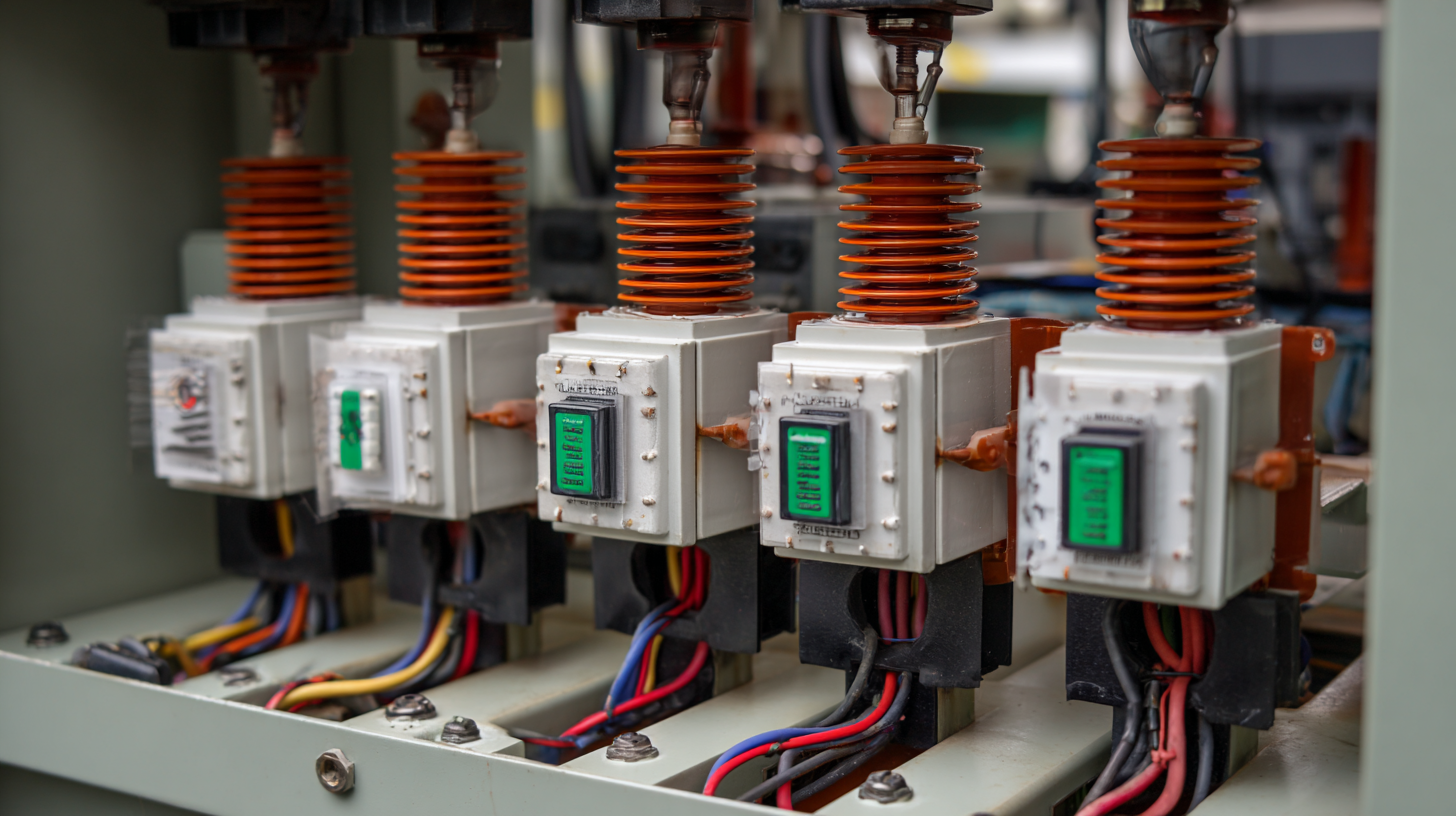
5 Essential Tips for Maximizing the Efficiency of High Current Transformers in Power Systems

So, to keep up with all these rapid changes, Jiangxi Guoxiang Electric Power Equipment Co., Ltd.—a high-tech company founded back in 2016—really puts a spotlight on integrated solutions to boost transformer performance. They’re all about R&D, manufacturing, and engineering services, which means they have the expertise to help utility companies roll out new strategies. These efforts help make transformers more efficient and long-lasting.

By following best practices, operators can cut down on energy loss, lower operational costs, and make the whole system more reliable—pretty much hitting all the right notes with the rising demand for energy.

Understanding the Fundamentals of High Current Transformers in Power Systems

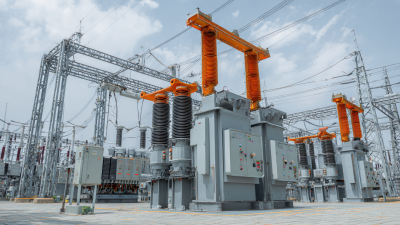
High current transformers, or HCTs for short, are pretty important in power systems. They’re what make it safe and possible to measure those massive currents without frying anything. Getting a good handle on how HCTs work is actually super important if you want them to perform well and keep everything running smoothly. Basically, they work on electromagnetism — stepping down those huge currents to levels that measurement and protection devices can handle. Did you know that more than 80% of energy losses in power plants and grids come from inefficiencies? That’s why making sure our HCTs work properly is a big deal for making the whole system more efficient.

Lately, industry folks are saying that using newer tech in HCTs can boost their efficiency by up to 15%. That’s a pretty significant jump! But it’s not just about the tech — regular check-ups and calibration are key. These simple steps help cut down measurement errors and keep the transformers from overheating or failing when they’re under pressure. Companies like Jiangxi Guoxiang Electric Power Equipment Co., Ltd. are really stepping up here. They’re a high-tech enterprise that focuses on blending innovative design with top-notch manufacturing. By pouring resources into research and development and offering full-on engineering support, they’re working to make high current transformers last longer and perform better. All in all, their goal is to meet the ever-growing energy needs while keeping everything efficient and sustainable down the line.

Key Factors Influencing the Efficiency of High Current Transformers

5 Essential Tips for Maximizing the Efficiency of High Current Transformers in Power SystemsHigh current transformers, or HCTs as folks sometimes call them, are pretty darn important in power systems. They do the heavy lifting when it comes to making sure measurements are accurate and protections are solid. Now, the whole thing’s efficiency? That actually depends on a bunch of factors. For starters, the magnetic core material really matters—this is what determines how well the transformer can handle those crazy high currents without wasting energy. Using top-notch silicon steel can make a big difference, because it helps cut down on hysteresis losses that just drain efficiency.

Then there’s the design—especially how the windings are set up. Well-designed windings help reduce resistive losses, and getting the turns ratio right is key for accurate current transformations. Don’t forget thermal management either; keeping things cool enough prevents overheating and helps the transformer last longer. And, of course, insulation materials—they’re crucial because they need to handle high volts and currents while keeping energy losses in check.

All in all, paying attention to these factors can really boost how well high current transformers perform. That means more reliable power delivery and a more efficient system overall. It’s all about those little details that add up in the end.

Regular Maintenance Practices to Enhance Transformer Performance

Regular maintenance of high current transformers is critical to ensure optimal performance and longevity in power systems. One of the foremost practices is conducting routine inspections, which include checking for visual signs of wear, leaks, and overheating. Implementing a schedule for these inspections helps in identifying potential issues before they escalate, thereby minimizing downtime and repair costs. Additionally, regular cleaning of transformer components ensures that dust and debris do not interfere with operational efficiency.

Another key aspect of maintenance is the testing of insulation and connections. Periodic insulation resistance tests can help detect any degradation that might compromise transformer functionality. Furthermore, ensuring that all electrical connections are secure and free of corrosion enhances the reliability of the transformer. By diligently following these maintenance practices, power systems can significantly improve the performance of high current transformers, leading to enhanced operational reliability and reduced risk of unexpected failures.

Innovative Technologies for Improving High Current Transformer Efficiency

Nowadays, innovative technologies are really changing the game when it comes to making high current transformers more efficient in power systems. As our demand for electricity keeps climbing and renewable energy sources become more popular, upgrading transformer efficiency isn’t just a smart move — it’s essential for keeping our power grid reliable. For example, one exciting development is the use of natural ester fluids in transformers. The new 765 kV natural ester-filled transformer, for instance, has set a whole new benchmark. It’s not just better at cooling — it’s also more eco-friendly, tackling both performance and environmental concerns at once.

And it doesn’t stop there. Artificial intelligence (AI) is really shaking things up in how we manage and operate power systems, including these big high current transformers. With real-time data analysis, AI can predict maintenance needs before anything breaks down, helping to keep things running smoothly and reducing downtime. Plus, with smarter grids that use the latest tech in communication and information systems, the future isn’t just about handling electrical loads — it’s about creating intelligent systems that can adapt to changing demands and keep our power supply steady and reliable.

5 Essential Tips for Maximizing the Efficiency of High Current Transformers in Power Systems

Effective Testing and Monitoring Techniques for Transformers

When it comes to high current transformers in power systems, having solid testing and monitoring routines is pretty much essential for keeping things running reliably and efficiently. Doing regular check-ups on how these transformers are performing can actually help catch potential problems early on—way before they turn into costly messes. One thing I’d definitely recommend is running insulation resistance tests on a routine basis. They give you a good idea of how solid the insulation is, making sure the transformer won’t have a breakdown when dealing with those high currents.

Another handy trick is to use thermal imaging during your assessments. This helps spot hot spots—stuff like loose connections or overloads—that could spell big trouble if you ignore them. Including regular thermal scans as part of your maintenance schedule can really help nip issues in the bud before something serious happens.

Plus, if you can set up advanced monitoring systems that keep an eye on things in real time—like voltage, current, and temperature—you’re way ahead of the game. These systems can send alerts when something’s off, so you can jump in and fix things before it gets worse. All in all, by mixing these testing and monitoring strategies, you’ll not only keep your power system running smoothly but also help your high current transformers last longer overall.

5 Essential Tips for Maximizing the Efficiency of High Current Transformers in Power Systems

Tip Number Tip Description Effective Testing Technique Monitoring Method
1 Regular Insulation Testing Megger Test Thermal Imaging
2 Monitoring Load Characteristics Current and Voltage Analysis SCADA Systems
3 Routine Maintenance Checks Visual Inspections Predictive Maintenance Tools
4 Capacitor Bank Integration Capacitance Measurement Power Quality Analyzers
5 Temperature Control Thermocouples Real-time Monitoring Systems

Maximizing Efficiency and Reliability: A Deep Dive into SCB11 Series 10kV Three Phase Dry-type Power Transformers

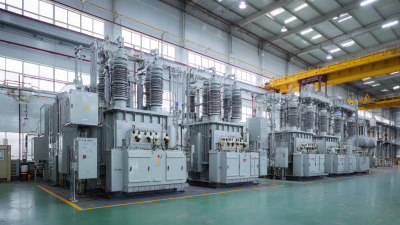
The SCB11 Series 10kV Three Phase Dry-type Power Transformers represent a significant advancement in maximizing efficiency and reliability in modern power systems. With their exceptional low-noise operation and minimal partial discharge, these transformers are engineered to meet the demanding requirements of contemporary electrical networks. The innovative vacuum-pressure epoxy resin casting technique employed in their construction creates a fully sealed insulation structure that not only enhances durability but also provides robust resistance to environmental corrosion.

Enhancing the overall performance, the core of the SCB11 series is crafted from high-permeability grain-oriented silicon steel sheets, designed using stepped-lap technology to effectively reduce hysteresis losses. Coupled with high-purity oxygen-free copper conductors, these transformers ensure stable and reliable electrical performance, making them a preferred choice for various applications. The thin-insulation multi-layer cylindrical winding design significantly boosts short-circuit withstand capability, while an efficient vibration-damping and noise-reduction system ensures quiet operation, which is essential in residential or business environments where noise levels need to be minimized.

The SCB11 series stands out not just for its technical specifications but also for its professional design and comprehensive service support. This makes it an ideal partner for engineers and operators focused on creating reliable and efficient power solutions. As the demand for sustainable and high-performing power infrastructure grows, the SCB11 Series transformers are poised to play a crucial role in shaping the future of power distribution.

FAQS

: What role do innovative technologies play in high current transformers?

: Innovative technologies enhance the efficiency of high current transformers, which are essential for reliable power distribution as electricity demand increases and renewable energy sources advance.

What is one significant advancement in transformer technology?

The introduction of natural ester fluids in transformers, like the new 765 kV natural ester-filled transformer, improves cooling properties and promotes environmental sustainability.

How is artificial intelligence being utilized in power systems?

AI is used for predictive maintenance and operational optimization in power systems, leveraging real-time data analytics to reduce downtime and enhance transformer performance.

What testing technique is crucial for assessing transformer performance?

Routine insulation resistance tests are vital as they provide insights into insulation quality and help prevent breakdowns under high current conditions.

Why is thermal imaging important in transformer maintenance?

Thermal imaging is used during operational assessments to identify hot spots caused by loose connections or overloads, preventing significant failures.

What is the benefit of using advanced monitoring systems for transformers?

Advanced monitoring systems track operational parameters in real-time and can alert operators to anomalies, allowing for timely interventions that enhance transformer efficiency.

How do smart grids contribute to the efficiency of high current transformers?

Smart grids integrate advanced information and communication technology to adapt to changing demands, thereby ensuring the stability of power supply chains.

What is the impact of improved transformer efficiency on power systems?

Enhanced transformer efficiency leads to reliable power distribution, reduces operation costs, and extends the lifespan of transformers.

What can routine maintenance programs include to mitigate risks?

Comprehensive maintenance programs should include regular thermal scans, insulation resistance tests, and advanced monitoring system implementations to ensure optimal transformer performance.

How do innovative transformer technologies address environmental concerns?

Technologies like natural ester fluids in transformers not only improve efficiency but also focus on eco-friendliness, making them more sustainable options for power systems.

Conclusion

When it comes to power systems, making sure High Current Transformers work as efficiently as possible is a big deal — it's all about keeping things running smoothly and saving energy in the process. If you really get how these transformers work at their core, it’s easier to see what affects their performance, like how much load they're carrying and how we handle temperature. Keeping up with regular maintenance isn’t just a chore; it’s key to keeping everything running at its best. And with new tech coming out all the time, we’re seeing smarter materials and better designs that boost efficiency even more.

At Jiangxi Guoxiang Electric Power Equipment Co., Ltd., we're all about offering integrated power solutions to help get the most out of High Current Transformers. By using effective testing and monitoring methods, we help our clients keep their transformers in top shape — which means more reliable power and a longer lifespan for their equipment.
Ethan

Ethan

Ethan is a seasoned marketing professional at Jiangxi GUOXIANG Electric Power Equipment Co., Ltd., a national high-tech enterprise founded in 2016 and based in Jiangxi Province. With a profound expertise in integrated power solutions, Ethan plays a crucial role in bridging the gap between our......
Previous Maximizing Value with Exceptional After Sales Support for Best Distribution Transformers