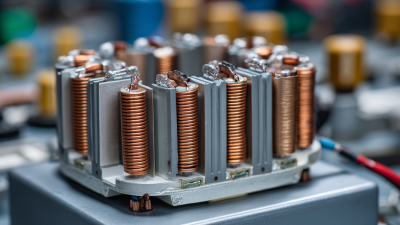
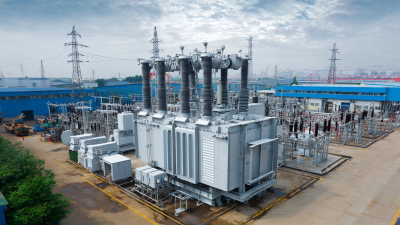
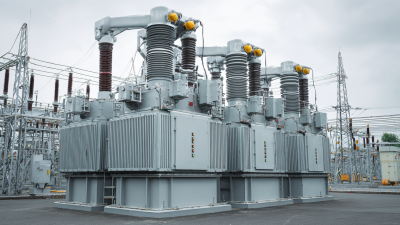
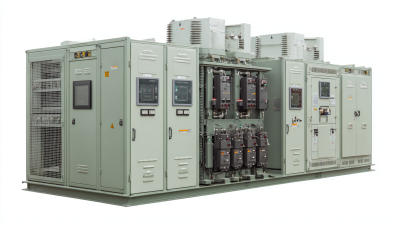
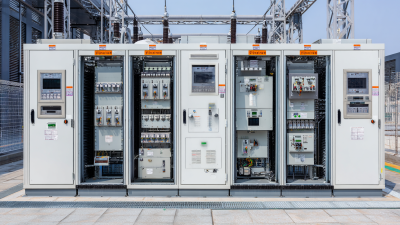
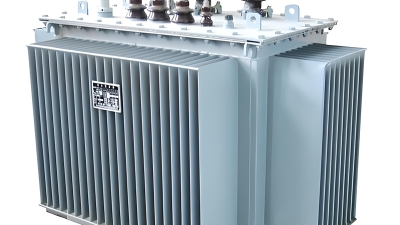
When it comes to manufacturing Electrical Equipment, producingTransformer Coils is pretty much a cornerstone. It’s actually a key part of making sure energy gets transmitted and distributed smoothly. As the global power industry keeps evolving, manufacturers are facing all sorts of hurdles—whether it’s keeping up with new tech, dealing with rising costs for materials, or meeting stricter regulations. I read somewhere that the market for transformer coils is expected to grow by about 6.5% annually from 2021 to 2026—talk about high demand for reliable, high-performance power solutions! Jiangxi Guoxiang Electric Power Equipment Co., Ltd., which started back in 2016, really takes these challenges head-on. They're a high-tech company dedicated to providing integrated power solutions, and they’re pushing to improve bothefficiency and quality in transformer coil production. Overall, they’re positioning themselves as a significant player in this rapidly changing energy scene.
Transforming Efficiency: Key Hurdles in Transformer Coil Manufacturing
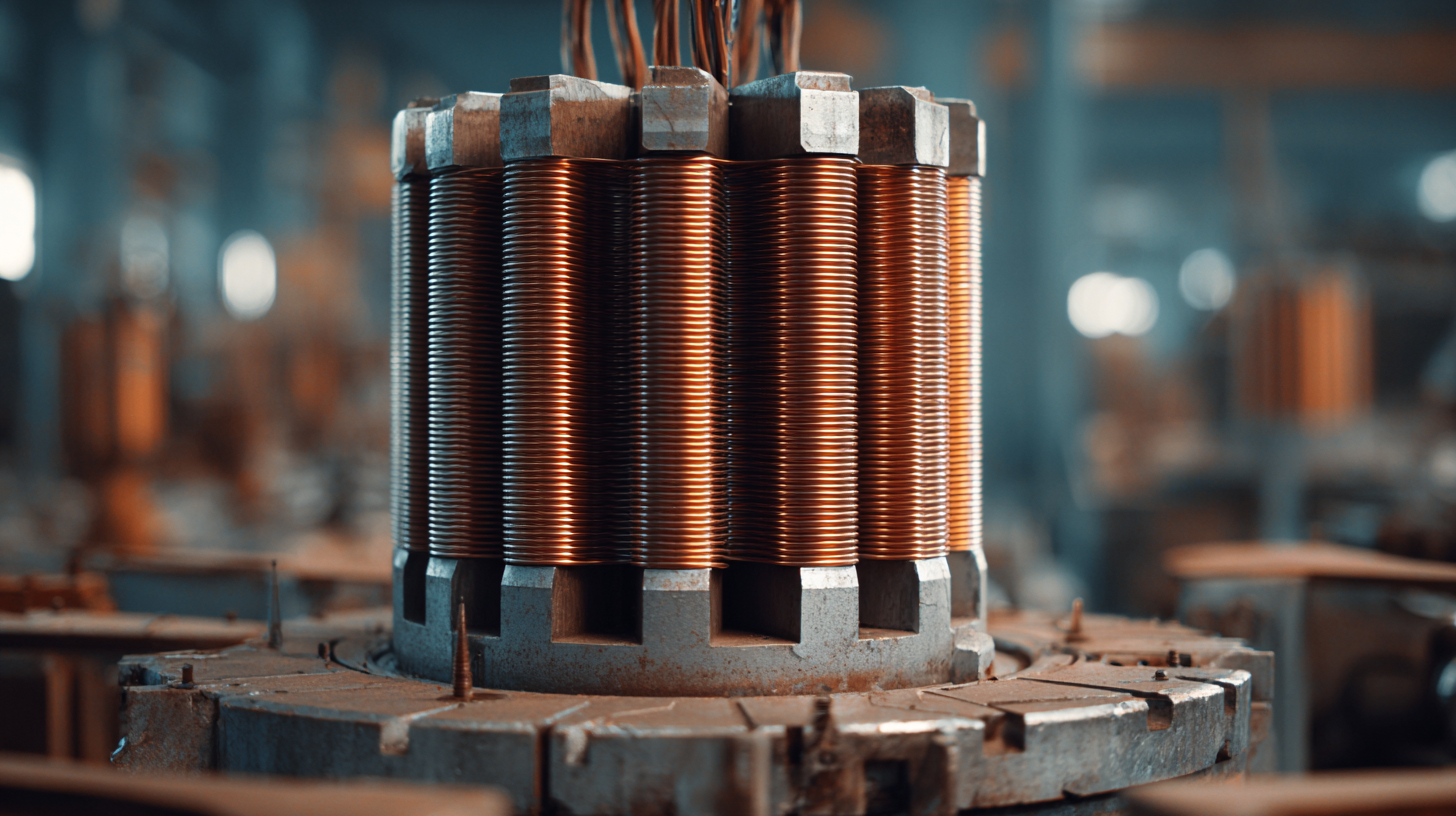
When it comes to making transformer coils, there are quite a few tricky parts that can really affect both how well they work and the quality of the overall production. At Jiangxi Guoxiang Electric Power Equipment Co., Ltd., which is proud to be a high-tech enterprise, they understand just how important it is to tackle these challenges head-on if they want to stay competitive in the world of integrated power solutions. One big challenge is the winding process — it needs to be super precise. Even tiny mistakes can cause performance issues down the line. That’s why they’ve been investing in automation and strict quality controls to make sure everything meets the high standards required for reliable transformers.
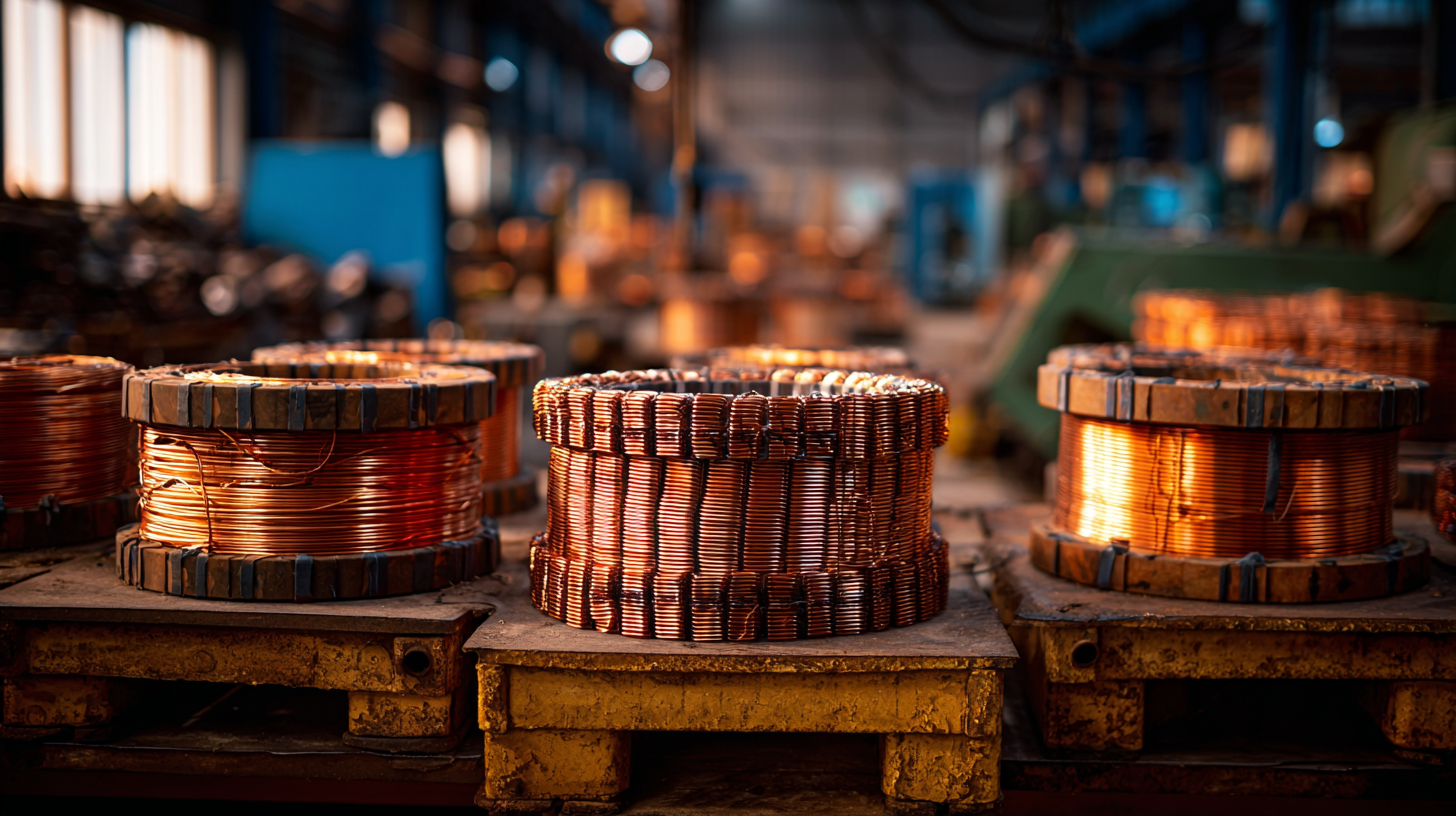
But it’s not just the technical side that’s tricky — sourcing top-quality materials can be a real headache too. Fluctuations in raw material availability and prices can throw off production schedules and bump up costs. To handle this, Jiangxi Guoxiang Electric Power Equipment Co., Ltd. has built solid relationships with their suppliers and is always investing in R&D. They’re constantly looking for smart ways to improve material use and innovate so they can stay ahead of the game. By working through these challenges, their goal is to boost efficiency and deliver powerful, reliable power solutions that can keep up with the ever-changing demands of the energy industry.
Materials Management: Sourcing Challenges for Quality Coils
When it comes to making transformer coils, manufacturers often run into some pretty tough challenges, especially around sourcing good quality materials. A recent report by MarketsandMarkets estimates that the global transformer market could hit around $61.6 billion by 2025 – which just goes to show how much the demand for reliable and efficient coil materials is ramping up. But here’s the thing: tracking down suppliers who can consistently deliver top-notch quality, all while sticking to industry standards, can be quite the headache. If the raw materials vary too much, it can mess with transformer performance, which might mean trouble down the line for the product’s reliability and lifespan.
To handle all this, it’s smart for manufacturers to build solid relationships with several different suppliers. This not only helps dodge issues like material shortages but also keeps prices competitive. Plus, investing in good quality control during the sourcing process is a must. Creating a clear, systematic way to evaluate potential suppliers ensures that only those meeting strict quality standards get the green light.
Here’s a handy tip: Use advanced analytics to keep tabs on your suppliers’ performance. Monitoring key indicators allows you to spot and fix any issues early before they turn into bigger problems. Also, don’t forget to get involved in industry forums and networking events – they’re a goldmine for tips on reliable sourcing strategies and the latest developments in materials tech. All of this together can really strengthen your supply chain and give you a leg up in the market.
Technological Integration: Adapting Innovations in Coil Production
Switching over to more advanced technology for making transformer coils isn't exactly a walk in the park for manufacturers. While bringing in these new tools is super important if you wanna boost efficiency and up your quality game, it’s not all smooth sailing. Adapting to these innovations means big investments and lots of training — not to mention, it takes time to get everyone up to speed. For a company like Jiangxi Guoxiang Electric Power Equipment Co., Ltd., which focuses on integrated power solutions, jumping on the tech bandwagon can really pay off — better operations, happier clients, the whole nine yards.
A good tip? Team up with tech providers during the rollout phase. That way, things go smoother, and you can avoid a lot of headaches. Also, it’s smart to run some pilot projects first—test things out on a smaller scale before going all in.
On top of that, the market keeps changing fast. Staying ahead means continuous innovation. Think automation, data analytics—you gotta stay in the loop if you want to remain competitive. Jiangxi Guoxiang’s focus on R&D is pretty crucial here; it helps the company perfect its manufacturing process and come up with solutions that really fit what customers need.
And here’s another tip: Cultivating a culture of constant learning among your team makes a huge difference. Regular training sessions and workshops can really empower your people to make the most out of new tools and techniques without feeling overwhelmed.
Challenges Faced by Manufacturers in Transformer Coil Production - Technological Integration: Adapting Innovations in Coil Production
| Challenge | Impact on Production | Technological Solution | Implementation Status |
| Quality Control | Increased defect rates | Automated testing and inspection systems | In Progress |
| Supply Chain Disruptions | Production delays | Blockchain for supply chain transparency | Pilot Testing |
| Labor Shortages | Reduced output | Robotics and AI-driven manufacturing | Adopted |
| High Material Costs | Lower profit margins | Advanced materials and recycling technologies | Research Phase |
| Regulatory Compliance | Increased operational costs | Compliance software solutions | Developing |
Quality Assurance: Ensuring Consistency and Reliability in Manufacturing
You know, in the world of making transformer coils, quality really is everything. Manufacturers are always scrambling to make sure each coil ticks all the boxes when it comes to performance and safety. I came across a report from Research and Markets, and it says the global transformer market might hit around $62 billion by 2026—that's crazy! It just shows how much more people want high-quality transformers these days. With this kind of growth, having a solid, reliable manufacturing process is crucial because even tiny flaws in coil production can cause big failures and expensive outages, which no one wants.
To keep things consistent and dependable, more companies are turning to high-tech quality control methods. For example, automated testing systems have been shown to cut down defect rates by up to 30%, according to a study in the International Journal of Electrical Engineering. On top of that, real-time monitoring combined with data analytics allows manufacturers to keep an eye on the production process and catch issues before they get out of hand. These proactive strategies not only boost product quality but also help build trust with customers—something that’s totally essential when you’re dealing with high-stakes industry stuff.
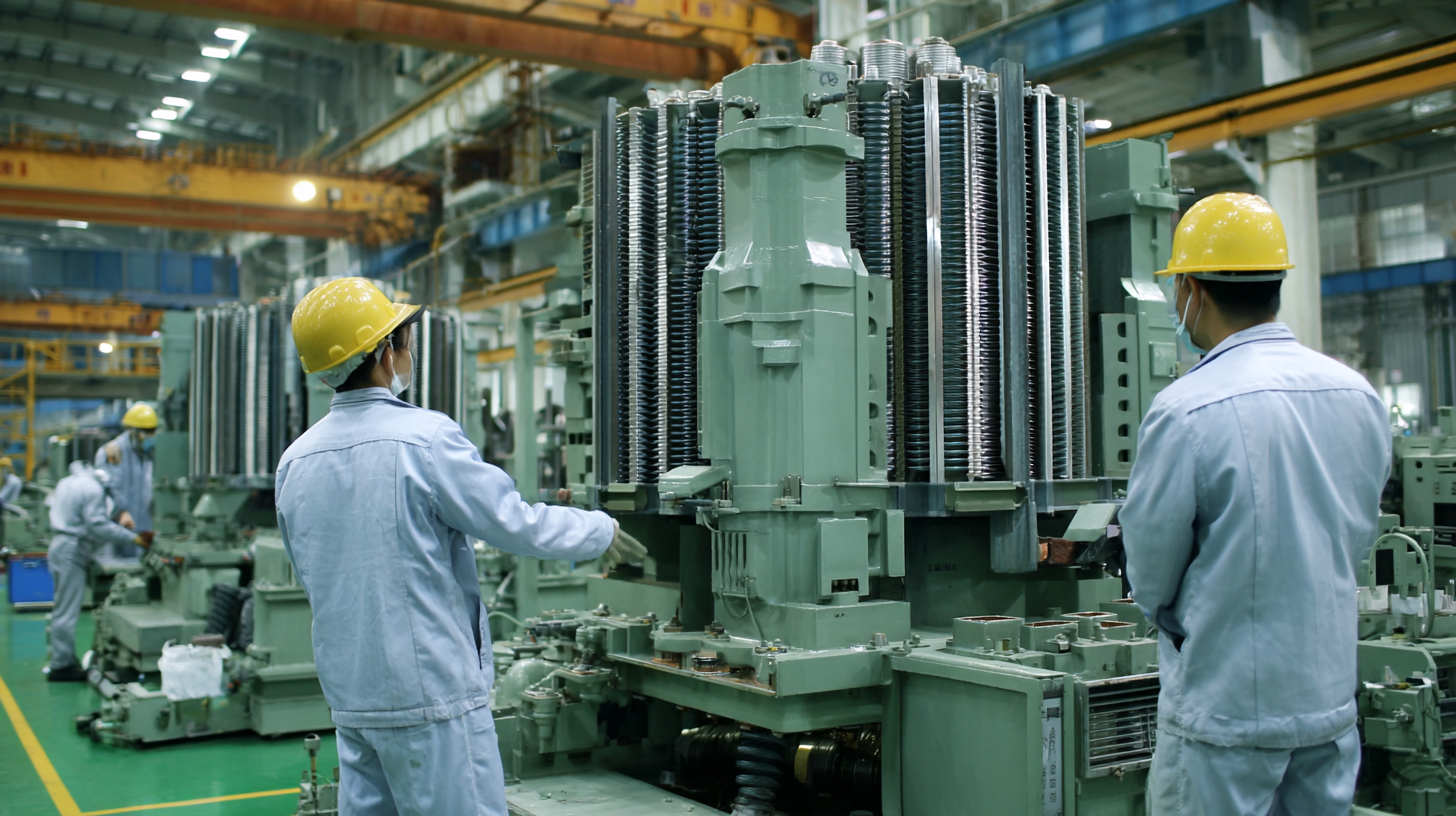
Labor Skills Gap: Training Workforce for Transformer Coil Production
Right now, the manufacturing world for transformer coils is really feeling the crunch—there’s a pretty serious skills gap lurking around. As the demand for dependable transformers keeps climbing to support our electrical grid, it's getting tougher to keep up. Not only does this make it tricky to hit production targets, but it also raises concerns about maintaining the quality standards we need for safety and efficient power delivery.
To tackle this skills shortage, companies really need to focus on comprehensive training programs that genuinely prepare their workers. Partnering with local colleges or trade schools can be a game-changer—creating hands-on courses that teach folks the ropes in assembly and maintenance of transformer coils. Plus, investing in modern tech like virtual simulations can actually make learning more engaging and easier to grasp, especially when dealing with complex procedures.
For manufacturers looking to step up their game, here are a few ideas to consider:
- First, setting up mentorship programs where seasoned employees take new hires under their wing can make a big difference.
- Second, offering flexible training hours helps accommodate different schedules, giving more people a chance to improve their skills.
- And lastly, it’s smart to keep assessing how well the training works and tweak it as technology evolves.
If companies can get ahead of these challenges with proactive steps, they’ll be in a much better spot to fill labor gaps andboost productivity in coil manufacturing.
Regulatory Compliance: Navigating Standards and Regulations in Manufacturing
So, when it comes to making transformer coils, manufacturers really face a lot of hurdles, especially around keeping up with all the regulations. It’s kind of a complicated landscape out there—standards differ a lot depending on the region or industry, which can be pretty overwhelming. Companies have to stay on top of an ever-changing mix of rules, from environmental stuff to safety standards. And trust me, falling behind on these can really hit their bottom line, not to mention hurt their reputation because today’s customers are super picky about quality and compliance.
Getting all of this sorted isn’t simple, though. Many manufacturers bring in specialized teams or consultants whose job it is to keep everything aligned with the current regulations. On top of that, having strict quality control checks and doing regular audits helps keep things in check. But here’s the thing—regulations keep evolving, so manufacturers need to stay alert and be ready to adapt. Building a workplace culture that values compliance and making sure staff are always in the loop about rule changes can really make a difference. All of this helps reduce risks and boosts overall efficiency, leading to a more sustainable and smooth production process in the long run.
Maximizing Energy Efficiency: The Benefits of the S22 Series Oil Immersed Transformer in Modern Power Solutions
The S22 Series Oil Immersed Transformer stands at the forefront of modern power solutions, embodying the pursuit of maximizing energy efficiency in today's energy needs. Designed with a fully sealed structure, the S(B)22-M Series transformer meets China's stringent Class I energy efficiency standards, marking a significant advancement for urban power grids and industrial parks. Its construction utilizes high-quality cold-rolled silicon steel sheets and features cutting-edge stepped-lap lamination technology, enhancing its operational efficiency and longevity.
What sets the S22 series apart is its intelligent temperature control and superior insulation systems, ensuring stable performance even under heavy load conditions. With a high protection rating, this transformer is adept at operating in humid and dusty environments, making it a reliable choice for new energy power stations. Users can benefit from its low noise and maintenance-free operation, resulting in not only a safe power conversion solution but also an eco-friendly approach to energy distribution. As industries and urban areas continue to evolve, the S22 Series serves as a vital component in the shift towards sustainable and efficient power solutions.
FAQS
: The primary challenges include the precision required in the winding process, sourcing high-quality materials, and ensuring consistency and reliability in production.
Manufacturers can improve efficiency by implementing advanced automation, quality control measures, and investing in robust supplier relationships for high-quality materials.
Technological integration enhances production efficiency and product quality, allowing manufacturers to adapt to market demands and improve operational capabilities.
R&D is vital for innovating and improving material utilization, refining manufacturing processes, and developing high-performing power solutions tailored to client needs.
Quality assurance can be maintained by adopting advanced quality control measures, such as automated testing systems and real-time monitoring technologies, to track performance and detect anomalies.
Market fluctuations in raw material availability and prices can affect production timelines and costs, making it crucial for manufacturers to have strong supplier relationships.
Manufacturers can foster this culture by organizing regular training sessions and workshops to empower employees to effectively leverage new tools and techniques.
Automated testing systems can significantly reduce defect rates, enhance product quality, and reinforce customer trust by ensuring consistency in performance and safety standards.
Embracing new technologies can lead to improved operational capabilities, allowing companies to provide better service offerings and maintain a competitive edge.
Manufacturers should keep pace with trends such as automation and data analytics to meet evolving market demands and maintain competitiveness in the industry.
Conclusion
When it comes to making transformer coils these days, the landscape is pretty fast-paced and full of challenges that can really affect how smoothly things run and the quality of the final product. One of the biggest hurdles is dealing with materials—finding top-notch raw materials is so crucial if you want your coils to be reliable. Then there’s the tech side of things. Manufacturers have to stay on top of rapid innovations in coil production methods to keep competitive, which isn’t always easy. Quality assurance is also critical; continuous consistency and dependability in the products are what truly matter. And let’s not forget about the skills gap—training the workforce properly for coil manufacturing is essential. Plus, keeping up with all the complex regulations can get pretty complicated, as you need to stay current with industry standards to avoid issues down the line.
Here at Jiangxi Guoxiang Electric Power Equipment Co., Ltd., we totally get these challenges and are committed to providing integrated solutions to make coil manufacturing more efficient. By investing heavily in R&D, we’re working hard to overcome these obstacles, making sure our transformer coils meet the highest standards in quality and performance — because that’s what our clients deserve.