inquiry
Inquiry
Form loading...
0%

In today’s world, where Energy Efficiency and sustainability are more than just buzzwords, the importance ofMain Power Distribution systems really can’t be overstated. I mean, if you take a moment to look at what the International Energy Agency (IEA) reports, optimizing how we distribute power could cut energy losses by anywhere from 10 to 30 percent. That’s a huge deal—because it directly impacts costs for businesses and industries around the globe. And as companies are all trying to hit those ambitious carbon reduction goals, using more advanced power distribution methods isn’t just good for the environment—it's also a smart move for managing energy better and building a greener future.
Why Main Power Distribution is Essential for Efficient Energy Management

On top of that, a study by the Electric Power Research Institute (EPRI) points out that solid Main Power Distribution Systems really make it easier to incorporate renewable energy sources into the grid. This is pretty important since global electricity demand is expected to grow by about 2.1% every year through 2040. So, having a reliable, modern infrastructure in place is more critical than ever. Investing in up-to-date power distribution tech means companies can use energy more efficiently and stay flexible as regulations and tech keep changing. It’s all about staying ahead of the curve and making sure our energy systems are ready for what’s next.

The Role of Main Power Distribution in Reducing Energy Losses

Main power distribution plays a crucial role in reducing energy losses across various sectors. According to the International Energy Agency (IEA), approximately 8-10% of generated electricity is lost during transmission and distribution. Effective management of main power distribution systems can significantly minimize these losses. By utilizing advanced technologies, such as smart grid systems and optimized distribution networks, organizations can detect inefficiencies and reduce energy wastage. A report from the U.S. Department of Energy highlights that implementing such technologies could save up to 50 billion kWh of electricity annually, equivalent to the annual consumption of about 4.5 million households.

Moreover, the importance of efficient main power distribution is further underscored by the escalating energy demand and the need for sustainable practices. According to the Global Energy Management Conference, improving energy efficiency in distribution can yield savings of up to 30% in operational costs. This not only supports environmental sustainability goals but also enhances the reliability and quality of power supply for end-users. As industries face increasing pressure to minimize their carbon footprint, the focus on optimizing main power distribution systems will be pivotal in achieving both economic and environmental benefits.

Key Components of Effective Main Power Distribution Systems

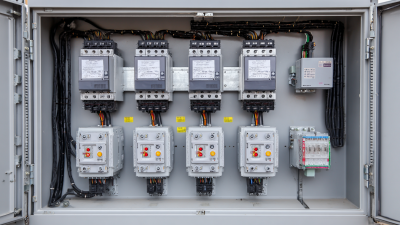
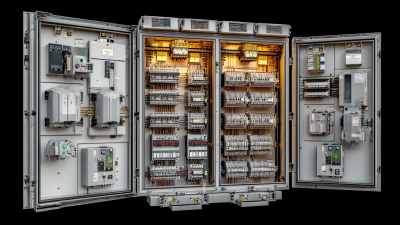
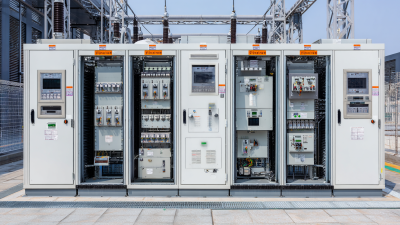
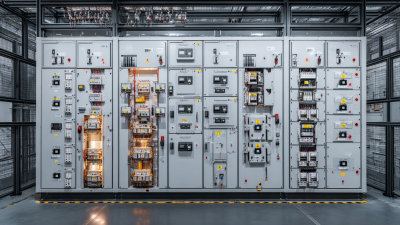
Effective main power distribution systems are crucial for optimizing energy management in industrial and commercial settings. Key components of these systems include Transformers, circuit breakers, switchgear, and distribution boards. According to the International Energy Agency (IEA), efficient power distribution can reduce energy losses by up to 30%. This efficiency is not only vital for lowering operational costs but also for enhancing the overall sustainability of energy consumption.

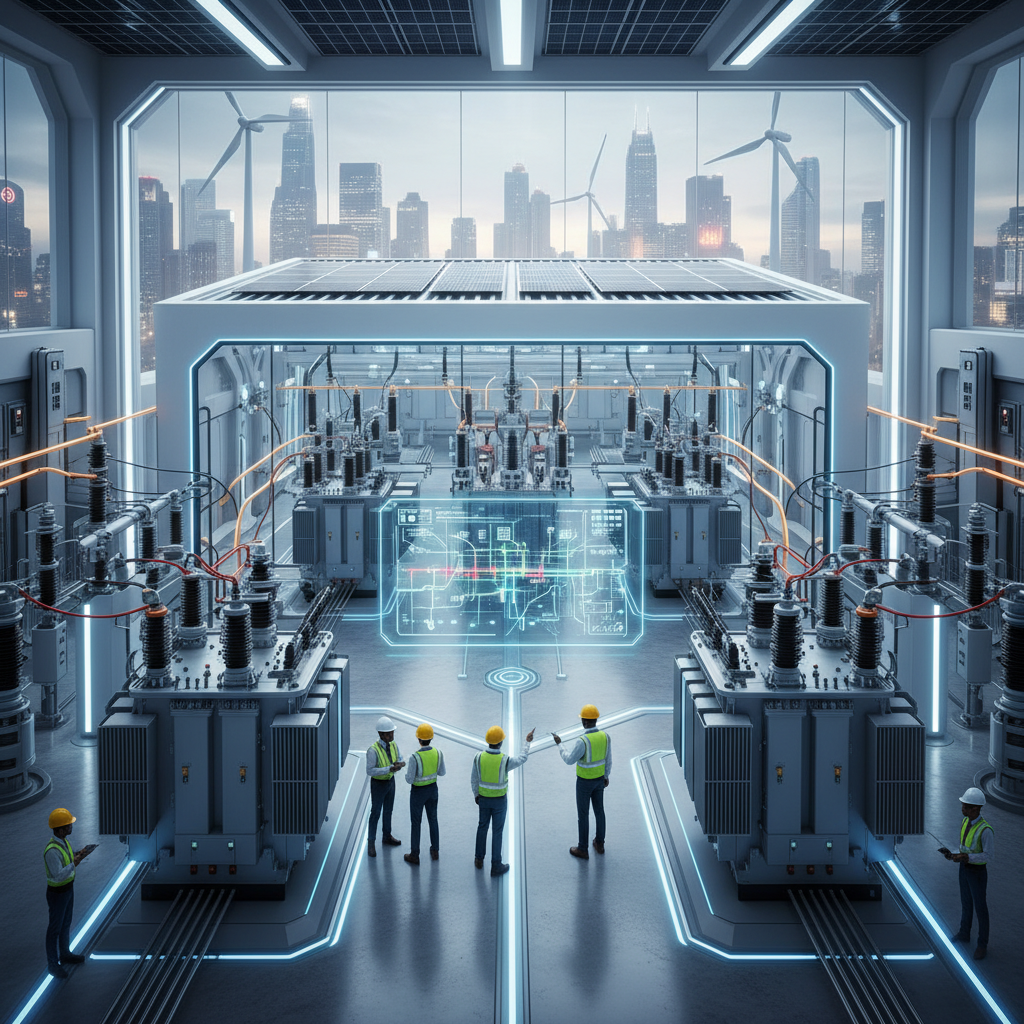
Transformers play a pivotal role by stepping down high voltage electricity to levels suitable for use in various applications. The reliability of transformers, typically reaching an efficiency of over 98% when properly maintained, is essential. Circuit breakers and switchgear are equally important, as they ensure the protection and distribution of electrical energy, preventing outages and electrical failures. A report from the U.S. Department of Energy indicates that advanced switchgear can help detect faults in real-time, potentially reducing maintenance costs by up to 25%. As industries adopt more sophisticated technologies, investing in effective main power distribution systems becomes increasingly imperative for maximizing energy efficiency and reliability.

Strategies for Optimizing Main Power Distribution Efficiency

Main power distribution plays a pivotal role in ensuring efficient energy management across various sectors. By optimizing the distribution process, organizations can significantly reduce energy waste, enhance system reliability, and promote sustainability. Implementing effective strategies for power distribution is essential in maximizing energy use and minimizing operational costs.

One effective strategy is to invest in advanced monitoring systems. These systems provide real-time data on energy consumption and distribution efficiency, allowing organizations to identify potential inefficiencies swiftly. Tips: Regular assessments and updates of these monitoring tools will help ensure they are providing accurate data, which is crucial for making informed decisions about energy usage.

Additionally, adopting smart grid technologies can revolutionize power distribution. By integrating renewable energy sources and leveraging automated distribution management systems, companies can balance load demands more effectively. Tips: Encourage regular training sessions for staff on new technologies and best practices in energy management to foster a culture of efficiency and adaptability within the organization.

Impact of Advanced Technologies on Main Power Distribution

The integration of advanced technologies into main power distribution systems is pivotal for achieving efficient energy management. Digitalisation of energy systems is transforming the entire value chain—from generation to consumption—allowing for enhanced monitoring and operational efficiencies. A smart grid, built on sophisticated information and communication technology, facilitates real-time data analysis, enabling better resource allocation and demand response strategies. This innovation is crucial in managing the increasing complexity associated with diverse renewable energy sources and distributed energy resources (DERs), ultimately leading to a more resilient and sustainable grid.

Artificial intelligence plays a critical role in this transformation by optimizing grid operations. It allows for intelligent scheduling and predictive maintenance, thereby enhancing system reliability and reducing downtime. As utilities strive to modernize their infrastructures in response to growing demand for electrification, leveraging such technologies ensures that they can meet these challenges head-on. Public-private partnerships in various regions are also advancing power distribution reforms, promoting the establishment of smarter, more efficient energy systems that can cater to future needs while reducing operational costs for consumers.

Best Practices for Maintaining Main Power Distribution Infrastructure

Maintaining the main power distribution infrastructure is crucial for ensuring reliable energy management. Regular inspections and preventive maintenance can identify potential issues before they escalate into costly outages. This includes checking for signs of wear and tear on circuit breakers, transformers, and cables.

Utilizing advanced monitoring systems can help detect irregularities in power flow, allowing for timely interventions that prevent disruptions in service.

Another vital practice is investing in staff training and awareness. A well-informed team can effectively manage equipment and respond appropriately to emergencies. Workshops and ongoing education programs should focus on the latest technologies and safety protocols.

Furthermore, implementing a robust documentation process can streamline maintenance activities and ensure that all team members are on the same page regarding operational standards and schedules.

By prioritizing these best practices, organizations can enhance their main power distribution reliability, paving the way for more efficient energy management.

Integrating Renewable Energy Sources with Main Power Distribution Systems

Why Main Power Distribution is Essential for Efficient Energy Management

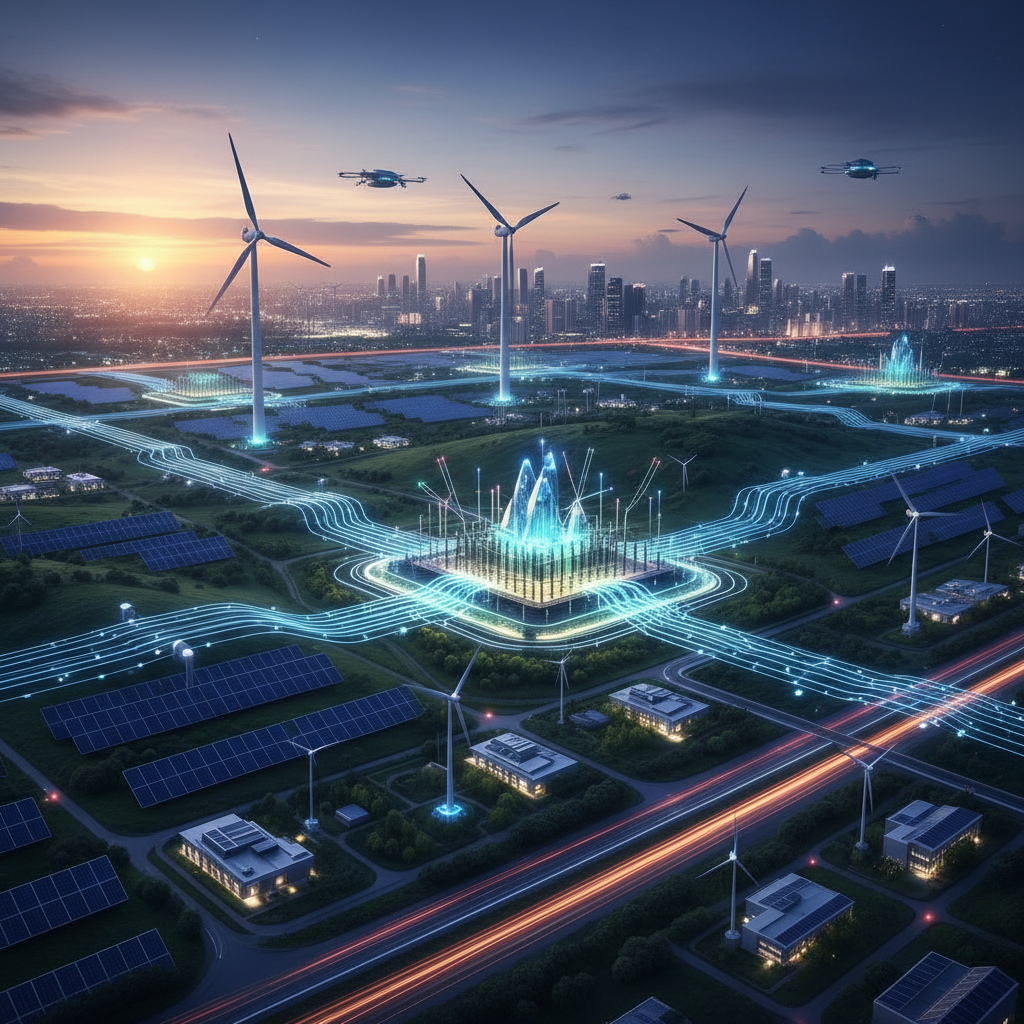
The integration of renewable energy sources into main power distribution systems is crucial for a sustainable energy future. By effectively incorporating solar, wind, and other renewable technologies, utility providers can enhance grid resilience and lower greenhouse gas emissions. This seamless integration enables a diverse energy mix, mitigating dependence on fossil fuels while maximizing the utilization of clean energy resources. Furthermore, it creates opportunities for local energy production, allowing communities to harness their natural resources and promote energy independence.

To facilitate this integration, modern main power distribution systems must incorporate smart grid technologies. These advancements enable real-time monitoring and control of energy flow, accommodating the variable nature of renewable energy generation. By implementing energy storage solutions, such as batteries, the grid can balance supply and demand effectively, ensuring stability even during fluctuations in renewable production. As a result, not only do these systems enhance overall energy management, but they also play a pivotal role in reducing operational costs and increasing energy efficiency in the long run.

FAQS

: Why is optimizing main power distribution important?

: Optimizing main power distribution is essential for reducing energy waste, enhancing system reliability, and promoting sustainability across various sectors.

What is one effective strategy for improving power distribution efficiency?

Investing in advanced monitoring systems that provide real-time data on energy consumption and distribution efficiency can help organizations identify potential inefficiencies quickly.

How can organizations ensure their monitoring systems provide accurate data?

Regular assessments and updates of monitoring tools are necessary to maintain accuracy, crucial for making informed energy usage decisions.

What role do smart grid technologies play in power distribution?

Smart grid technologies integrate renewable energy sources and leverage automated distribution management systems to effectively balance load demands.

What training practices should organizations adopt for energy management?

Organizations should encourage regular training sessions for staff on new technologies and best practices to foster a culture of efficiency and adaptability.

Why is regular maintenance of power distribution infrastructure necessary?

Regular inspections and preventive maintenance can identify issues before they lead to costly outages, ensuring reliable energy management.

What should be included in preventive maintenance practices?

Preventive maintenance should involve checking for wear on circuit breakers, transformers, and cables, as well as using advanced monitoring systems to detect irregularities in power flow.

How can staff training contribute to better power distribution management?

Well-informed teams can effectively manage equipment and respond appropriately to emergencies, improving overall distribution reliability.

What is the significance of documentation in maintenance activities?

A robust documentation process can streamline maintenance activities and ensure that all team members are aligned on operational standards and schedules.

What benefits do well-maintained power distribution infrastructures provide?

Well-maintained infrastructures enhance reliability and efficiency in energy management, ultimately leading to reduced operational costs and sustainability.

Conclusion

Main Power Distribution plays a crucial role in efficient energy management, significantly reducing energy losses through its effective systems. Key components such as transformers, switchgear, and circuit breakers are essential in ensuring reliable distribution. By implementing strategies to optimize energy flow and utilizing advanced technologies, organizations can enhance the efficiency of their Main Power Distribution systems. Moreover, maintaining infrastructure through best practices ensures operational integrity and longevity.

As the industry shifts towards integrating renewable energy sources, the adaptability of Main Power Distribution systems becomes increasingly important. Jiangxi Guoxiang Electric Power Equipment Co., Ltd., established in 2016, is dedicated to providing integrated power solutions. Our expertise in R&D, manufacturing, and engineering services empowers clients to enhance their energy management capabilities and embrace sustainable energy practices effectively.
Sophia

Sophia

Sophia is a dedicated marketing professional at Jiangxi GUOXIANG Electric Power Equipment Co., Ltd., a national high-tech enterprise established in 2016. With a strong background in integrated power solutions, she possesses in-depth knowledge of the company's innovative products and services.......
Previous Maximizing Value with Exceptional After Sales Support for Best Distribution Transformers