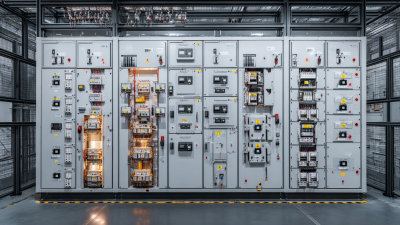
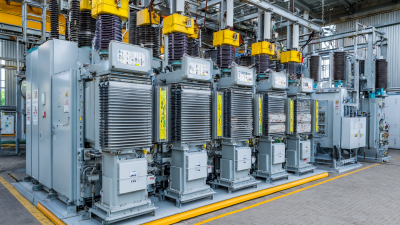
In today’s hectic world, managing energy efficiently isn’t just a good idea—it’s kind of a must for sustainability and keeping things running smoothly. Getting a solid handle on Main Power Distribution is really key for companies wanting to cut down on energy waste and boost overall performance. 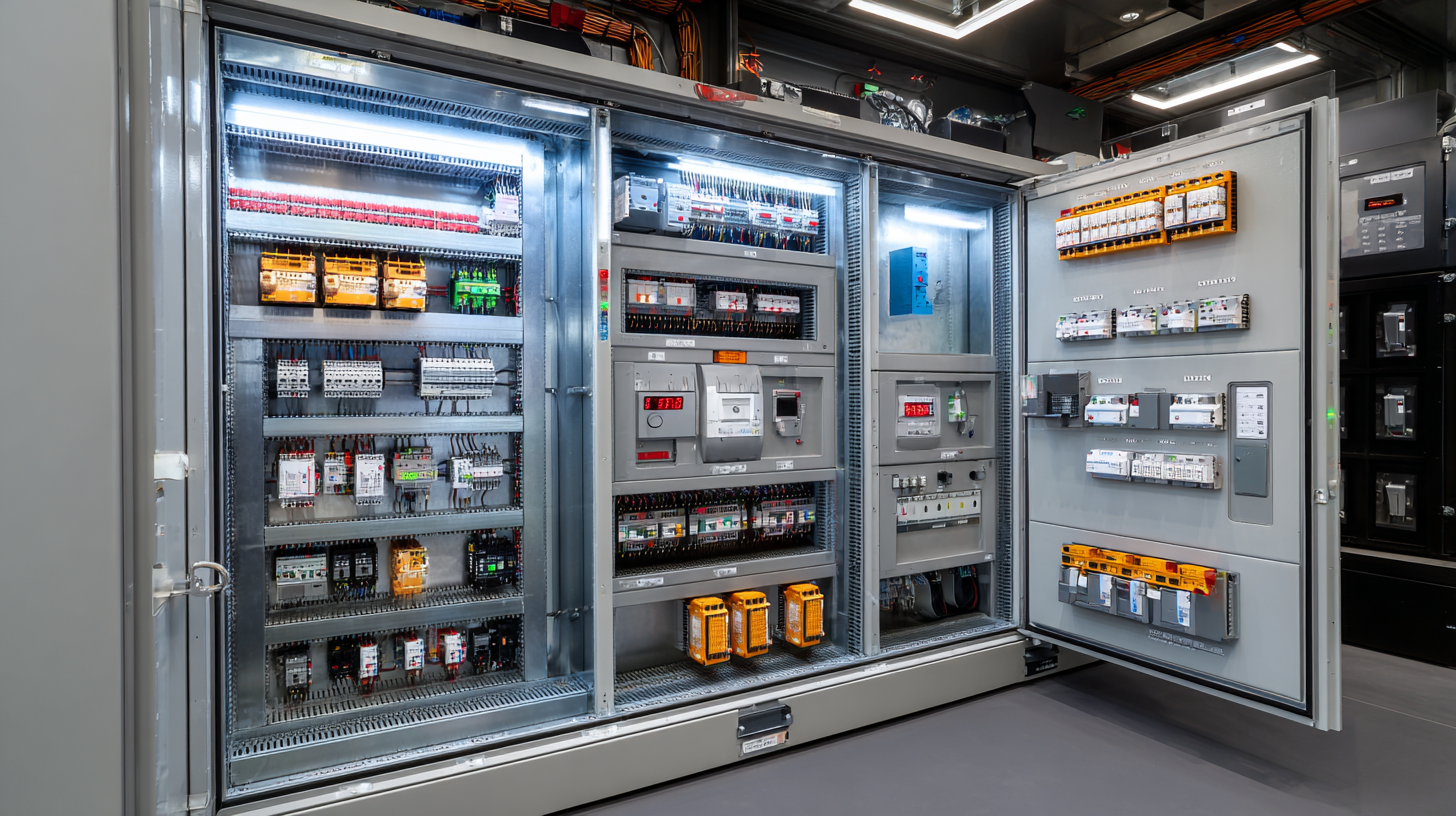 Jiangxi Guoxiang Electric Power Equipment Co., Ltd., started back in 2016, and they’re honestly leading the charge in this space. Based in Jiangxi Province, they’re a top-notch high-tech firm that offers full-scale power solutions—from R&D and manufacturing right down to sales and engineering support. This guide’s really supposed to shed some light on the nitty-gritty ofMain Power Distribution, helping businesses make smarter energy choices. Plus, you’ll learn how to tap into the know-how and innovative tech that Jiangxi Guoxiang provides to level up your energy game.
Types of Main Power Distribution Systems: An Overview of Common Configurations
Main Power Distribution Systems are super important when it comes to getting electricity from the power plants right to the end users — and doing it in a way that's both efficient and reliable. There are a few common setups out there, each designed to handle different needs and situations. For example, the radial system is pretty much the simplest setup you can imagine. Power flows in a straight line and then branches out to different loads. It's straightforward, easy to install, and relatively simple to maintain — which makes it perfect for smaller distribution networks.
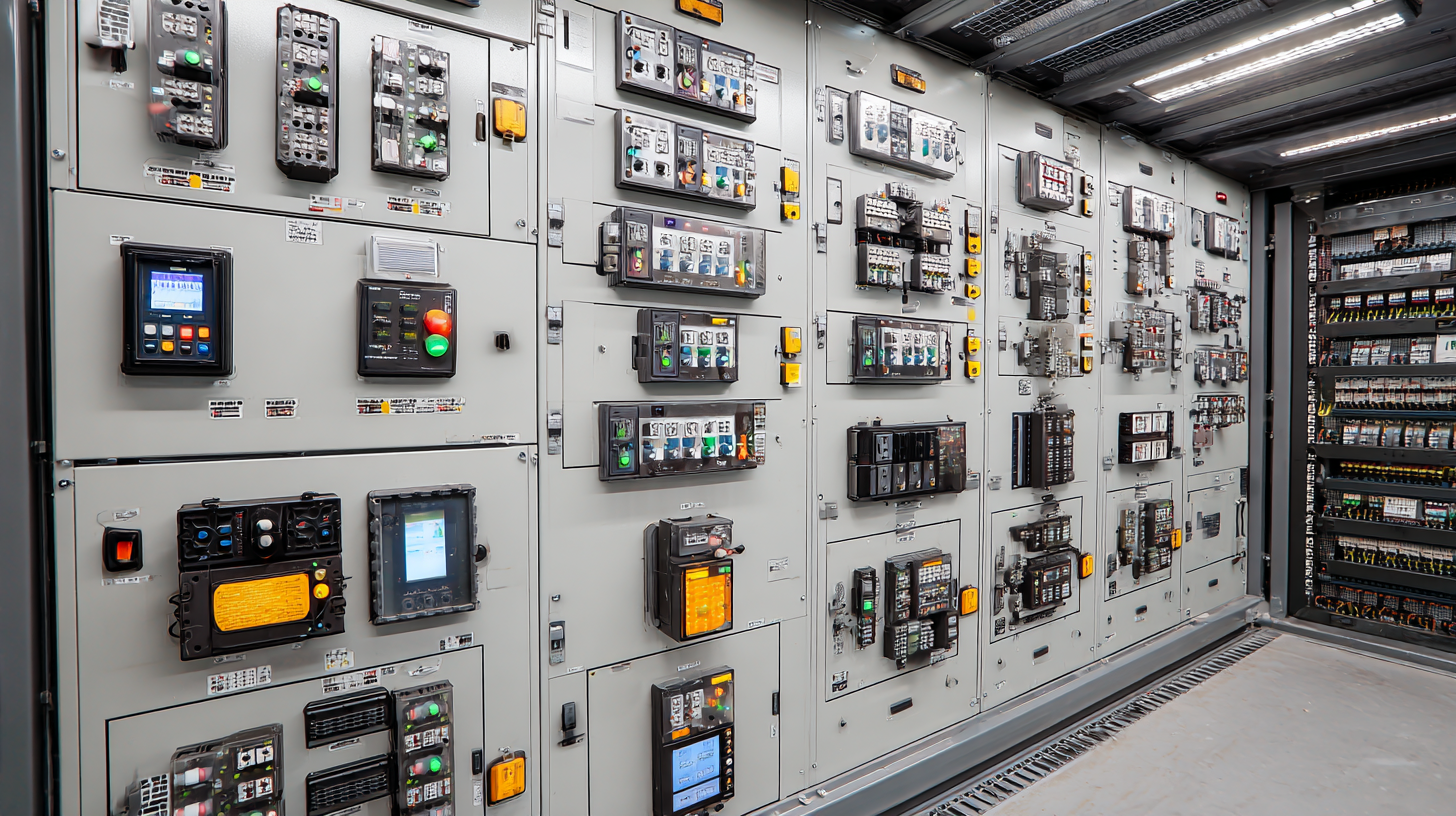
On the flip side, you've got the ring system, which boosts reliability by providing a couple of different routes for the electricity to take. Basically, the network forms a loop, so even if something goes wrong in one part, power can still flow through the other route and keep things running. Then there's the mesh system — kind of like a web of interconnected pathways. It's the most flexible and offers the highest level of redundancy. With multiple paths connecting anything to everything else, it helps balance the loads better and cuts down on the chances of outages happening.
Getting a good understanding of these main power distribution setups is pretty much key if you want to manage energy efficiently and keep everything running smoothly.
The Role of Substations in Main Power Distribution: Function and Importance
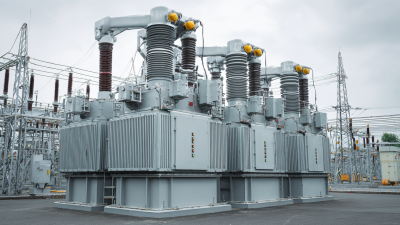
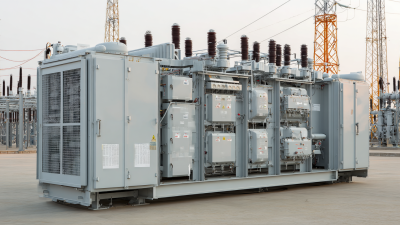
Substations are such a crucial part of the main power grid—they’re kind of like the hubs where electricity gets transformed and managed for smooth transmission. Basically, one of their main jobs is to either boost or reduce voltage levels, which helps send electricity from power plants over long distances without losing too much energy. Making sure the voltage's just right really helps keep the power supply reliable and of good quality—something we totally rely on to keep everything running smoothly.
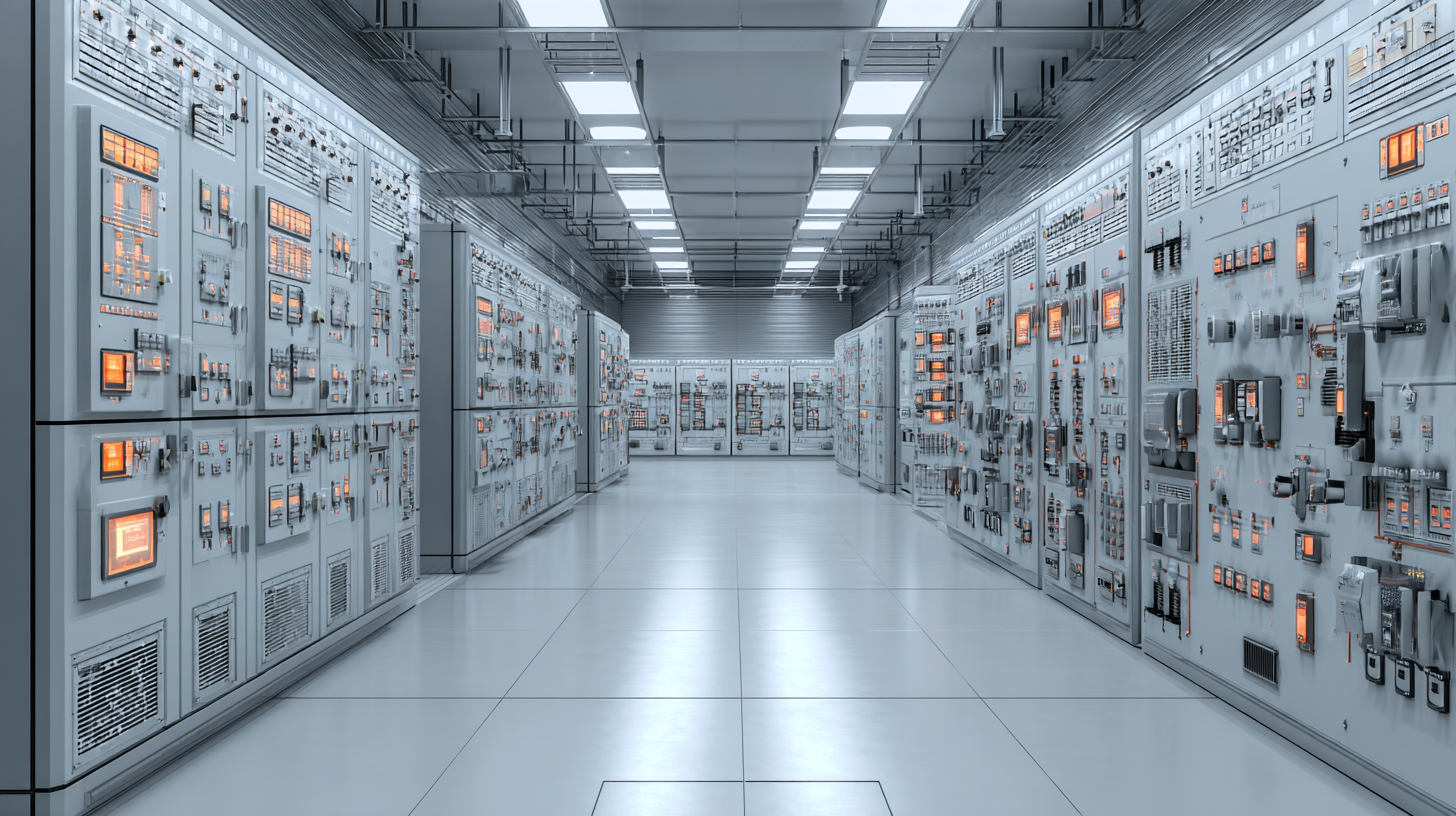
But in today’s world of energy, their role isn't just about changing voltages anymore. Substations now have to keep up with new tech and evolving threats. Take smart grids, for example—they’re pushing busier, more tech-savvy substations to incorporate advanced monitoring systems like machine vision-based condition monitoring. This kind of tech lets operators check equipment health in real-time, so issues can get spotted early and sorted out before they cause any service hiccups. Plus, security’s a big deal these days, so utility companies need to team up with tech providers to make sure substations stay protected from potential threats. All this helps keep the power network safe, reliable, and ready for the future.
Load Management Techniques in Power Distribution: Strategies for Efficiency
Load management is such a crucial part of how we distribute power — it really makes a big difference in both efficiency and operating costs. IEA’s report highlights that smart load management can cut peak demand by up to 20%, which means pretty significant savings on energy costs for the utility companies. Things like demand response and load shifting are game-changers for businesses, helping them use energy more wisely and sync better with what's actually available, which also helps keep the entire grid more stable.
One cool approach that's gaining traction is using advanced meters — or AMI — which give real-time data about energy use. According to a study by EPRI, having these smart meters can boost energy efficiency by around 15%. They basically let consumers see exactly how and when they’re using power, so they can make smarter choices. Plus, automated load control systems make managing appliances and industrial equipment much smoother, especially during those tricky peak times. As we see more tech rolling out in the energy world, these kinds of strategies will become even more important for making power distribution both sustainable and efficient.
Emerging Technologies in Power Distribution: Innovations for Energy Management
You know, the latest tech in power distribution is really changing the game when it comes to managing energy. It’s making systems way smarter and more responsive to what's actually needed at the moment. Take smart grids, for example—they're the star of the show right now. They use digital communication and fancy automation to keep a close eye on everything and give us more control over how electricity gets distributed. With sensors spread all over, utilities can gather data in real time, helping them tweak the energy flow on the fly, cut down on waste, and fix outages faster than ever. All of this adds up to lower costs and, hopefully, more reliable service for us consumers.
And then there’s a big push towards renewables, which is pretty exciting. Using solar panels, wind turbines, and batteries to store energy, utility companies are building more resilient networks that support cleaner energy sources. They use clever algorithms to handle the unpredictable nature of these renewables, making sure we still get steady power even during those busy demand times. Moving toward this kind of setup doesn’t just cut down on our reliance on fossil fuels; it also sets us on a path to a more sustainable and eco-friendly future. Honestly, it feels like all these innovations are steering us toward a world that’s a lot greener—and a lot smarter—about how we manage energy.
Regulatory Standards and Compliance in Power Distribution Systems: Key Considerations
When it comes to power distribution systems, keeping up with regulatory standards and compliance is a big deal—especially since safety, reliability, and environmental concerns really matter these days. Companies like Jiangxi Guoxiang Electric Power Equipment Co., Ltd. — which is actually recognized as a national high-tech enterprise — play a crucial role here. They mix solid research and development with cutting-edge manufacturing to make sure their power solutions not only meet but often beat the standards set by authorities.
Sticking to these rules isn’t just about staying out of trouble, it also helps companies run smoother and boosts their reputation in a pretty competitive energy market. Getting a good handle on the ins and outs of these regulations can really help providers optimize how they operate, saving resources along the way. Jiangxi Guoxiang’s focus on innovation and top-notch engineering means they’re not just ticking the boxes now—they’re also ready for whatever new rules come down the line, which helps them stay ahead in the power distribution game.
Understanding Main Power Distribution: A Comprehensive Guide to Efficient Energy Management
| Dimension | Description | Regulatory Standard | Compliance Considerations |
| Voltage Regulation | Maintaining voltage levels within specified limits | IEEE 1547 | Regular monitoring and adjustments |
| Load Balancing | Distributing electrical loads evenly across phases | NEC 220 | Periodic assessments and recalibrations |
| Short Circuit Protection | Preventing damage from electrical faults | IEC 60947 | Installation of appropriate protective devices |
| Power Quality | Ensuring stable and reliable electricity supply | IEEE 519 | Regular audits and quality assessments |
| Energy Efficiency | Minimizing energy consumption while maximizing productivity | ISO 50001 | Implementing energy management systems |
Energy Loss in Distribution Systems: Statistics and Mitigation Strategies
You know, energy loss in the distribution system is a pretty big deal when it comes to managing power. It directly hits both how efficient everything is and the overall costs. The International Energy Agency (IEA) says that roughly 8 to 10% of the electricity we generate gets lost along the way—talk about a lot of wasted energy! This isn’t just about the money, either; it’s a real challenge when it comes to being sustainable. For example, the U.S. Department of Energy pointed out that even cutting those losses by just 1% could save enough electricity to power over 1.7 million households for a whole year—that’s huge!
So, what can we do about it? Well, upgrading the old, tired infrastructure is a big step. Sometimes, the existing systems just aren’t efficient enough anymore. A report from the Electric Power Research Institute highlights that putting money into modern grid tech, like smart grid solutions, can really make a difference—giving us better control and visibility, which can cut losses by up to 20%. Plus, improving power factor and using distributed generation systems can lighten the load on the distribution network, leading to less energy loss overall. All these strategies not only help us reduce waste but also pave the way for a more sustainable energy future we can actually count on.
Enhancing Efficiency and Safety: Insights from Industry Reports on JP Outdoor Integrated Distribution Boxes in Power Distribution
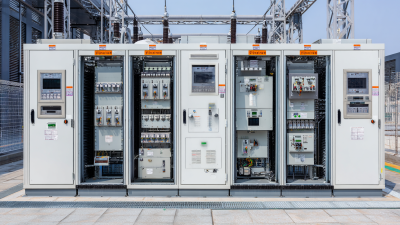
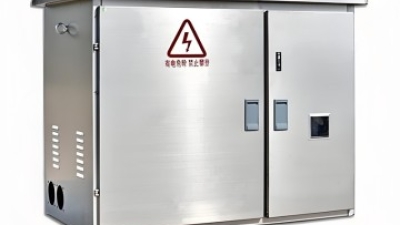
The JP outdoor integrated distribution boxes represent a significant advancement in power distribution, particularly in enhancing efficiency and safety. Designed as a multi-functional outdoor device, these cabinets incorporate essential features such as metering, outgoing lines, and reactive power compensation, making them indispensable in modern power distribution networks. The integration of advanced protective measures against short circuits, overloads, overvoltage, and leaks ensures that these units not only operate seamlessly but also safeguard the infrastructure and the communities they serve.
With their compact and aesthetically pleasing design, the JP outdoor integrated distribution boxes are tailored to meet the demands of both urban and rural power grid renovations. Their adaptable structure allows for easy mounting on poles of outdoor pad-mounted transformers, streamlining installation processes and optimizing space utilization. This innovative solution not only reduces installation costs but also enhances the overall reliability of the power distribution system, making it a prudent investment for utility companies looking to upgrade their infrastructure while maximizing safety and operational efficiency.
FAQS
: Load management refers to techniques used to optimize energy consumption and align it with available supply, reducing peak demand and operational costs. It is important as it can lead to significant savings and enhance overall grid stability.
Effective load management can reduce peak demand by as much as 20%, resulting in substantial savings on energy procurement costs for utility companies.
AMI provides real-time data that helps consumers adjust their energy usage patterns, improving energy efficiency by approximately 15% according to the Electric Power Research Institute (EPRI).
Approximately 8-10% of electricity generated is lost during transmission and distribution, which increases operating costs and challenges sustainability efforts.
Reducing energy loss by just 1% could save enough energy to power more than 1.7 million households for a year, according to the U.S. Department of Energy.
Modernizing grid technologies through smart grid solutions enhances visibility and control over the system, enabling better load management and potentially reducing energy losses by up to 20%.
Strategies include upgrading infrastructure, enhancing power factor, and deploying distributed generation systems to reduce stress on distribution networks.
Automated load management allows for dynamic control of appliances and industrial equipment, facilitating smoother transitions during peak usage periods and improving overall energy efficiency.
By reducing energy consumption and minimizing losses, load management techniques help create a more resilient energy network, ultimately supporting environmental sustainability.
These strategies not only reduce energy waste and costs but also foster a pathway towards a more sustainable energy future, ensuring reliable power distribution.
Conclusion
The article titled "Understanding Main Power Distribution: A Comprehensive Guide to Efficient Energy Management" really dives deep into the ins and outs of main power distribution systems. It kicks off by explaining the common setups used in these systems, and it emphasizes just how important substations are for keeping the energy flowing smoothly and reliably. The piece also covers different load management techniques and strategies that can help improve overall efficiency when it comes to distributing power. Plus, it touches on some of the latest tech that's shaking things up in energy management, highlighting how sticking to regulatory standards is still a big deal in this field.
Now, Jiangxi Guoxiang Electric Power Equipment Co., Ltd. fits right into all this talk. As a high-tech enterprise in China, they’ve been around since 2016 and focus on providing integrated power solutions. They’re all about innovation—investing in R&D, manufacturing, and engineering services—to make power systems better. By focusing on reducing energy losses and using cutting-edge technologies, Guoxiang plays a crucial role in optimizing main power distribution systems and helping push for more sustainable and efficient energy management overall.