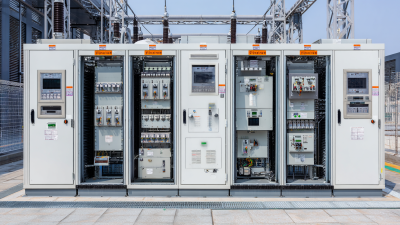
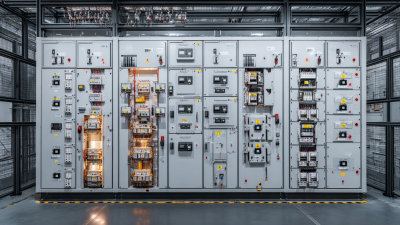
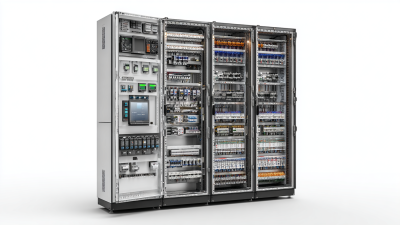
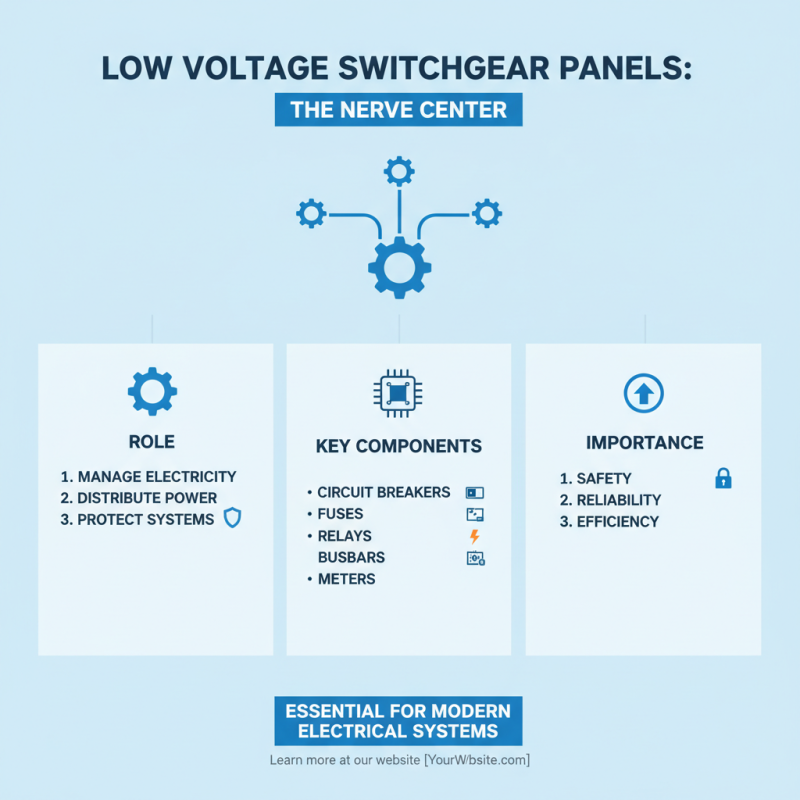
Low Voltage Switchgear Panels are pretty much a must-have in today’s electrical setups. They play a key role in making sure electrical energy gets distributed safely and reliably. Companies like Siemens and Schneider Electric are always coming up with new designs to fit different needs—kind of like how you choose the right tool for the job.
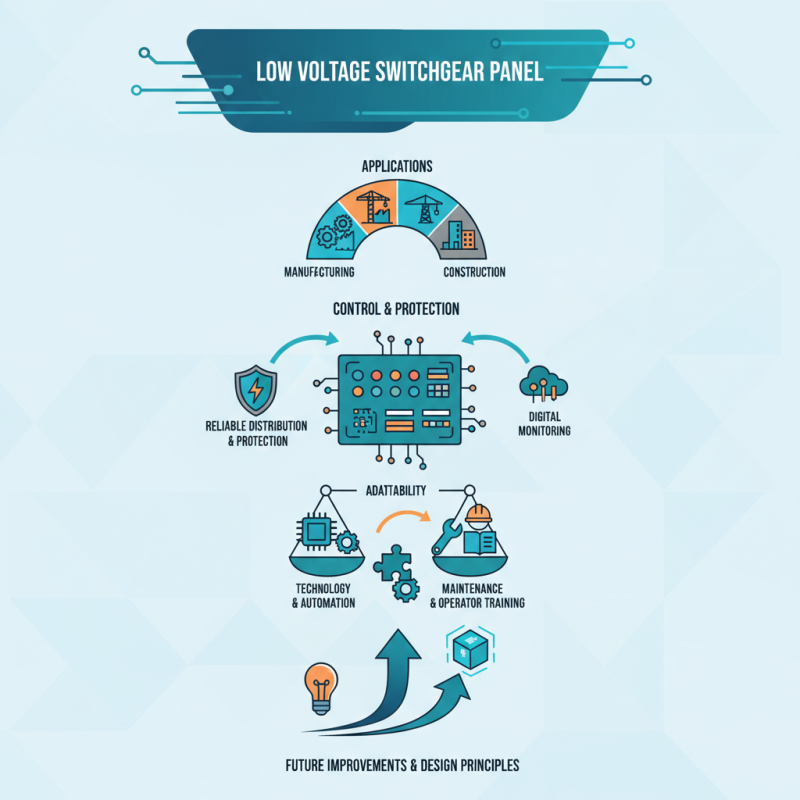
These panels are responsible for controlling and protecting Low Voltage Circuits, which is super important in industries like manufacturing and construction. Every Low Voltage Switchgear Panel is customized for specific applications, making everything run a lot smoother and more efficiently. Plus, with digital monitoring tools now integrated, performance has definitely improved—but, honestly, that also brings some challenges.
It’s really important to find that sweet spot between using advanced tech and keeping things user-friendly. Relying too much on automation might lead to some stuff getting missed—like maintenance needs or operator training. Still, the flexibility of these panels remains a big deal. As technology keeps evolving, we’ll need to revisit and rethink some of the design principles to keep improving things down the line.
What is a Low Voltage Switchgear Panel?
Low voltage switchgear panels play a critical role in electrical systems. They manage the distribution of electrical energy efficiently. A typical low voltage switchgear panel operates within a voltage range of 1kV to 1000V. According to the International Electrotechnical Commission, the global market for low voltage switchgear is projected to reach $50 billion by 2025.
These panels are used across various industries. They help protect equipment from overloads and short circuits. In commercial buildings, these systems ensure safe Power Distribution. A report by MarketsandMarkets highlighted that the construction industry is a significant contributor to the low voltage switchgear market. Proper installation is essential for maximum reliability. Yet, many users overlook maintenance practices. This can lead to unexpected failures.
Effective management of switchgear panels requires skilled personnel. Training is vital for those operating and maintaining these systems. However, many organizations fail to invest in adequate training programs. As a result, knowledge gaps often exist. The complexity of these panels can be daunting. Addressing these shortcomings is crucial for improved safety and efficiency.
Core Components of Low Voltage Switchgear Panels
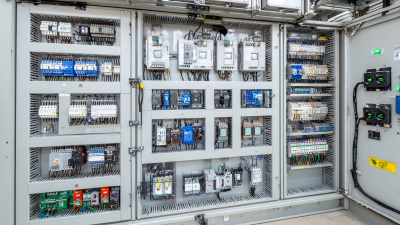
Low voltage switchgear panelsare crucial in managing electrical distribution. They ensure safety and efficiency in power systems. The core components of these panels includecircuit breakers, contactors, and busbars. Each component has a specific role in the protection and management of electrical circuits.
Circuit breakers act as the first line of defense. They automatically turn off in case of overloads or short circuits. This prevents equipment damage and reduces fire risks. Contactors control the power flow, essentially acting as automated switches. Their operation is vital in controlling large machinery and lighting systems.
Busbars serve as conductive pathways, connecting various electrical components. They help manage electrical distribution effectively. However, improper installation or maintenance can lead to failures. Every component must be regularly inspected to ensure reliability. Overlooking small details can lead to significant operational issues.
Principle of Operation for Low Voltage Switchgear
Low voltage switchgear panels play a crucial role in electrical systems. They manage and distribute electricity safely in various applications. Understanding their operation is essential for effective use and maintenance.
The principle of operation for low voltage switchgear involves control and protection of electrical circuits. These panels contain essential components like circuit breakers, fuses, and disconnectors. When an overload or short circuit occurs, the circuit breaker trips. This action prevents potential damage to equipment and enhances safety.
However, challenges arise in ensuring optimal functionality. Regular maintenance is critical, yet often neglected. Technicians might miss routine checks, leading to unexpected failures. Awareness of these operational principles fosters better practices. It encourages users to prioritize system checks and repairs. Ultimately, investing time in understanding low voltage switchgear panels enhances reliability and extends lifespan.
Types of Low Voltage Switchgear Panels
Low voltage switchgear panels play a crucial role in electrical distribution systems. They are designed to control, protect, and isolate electrical equipment. Their applications span various sectors like industrial, commercial, and residential buildings. The global low voltage switchgear market is projected to grow at a CAGR of 6.9% from 2021 to 2028, reflecting the increasing demand for reliable power distribution.
Types of low voltage switchgear panels vary widely. Common categories include distribution boards, motor control centers (MCC), and panelboards. Distribution boards distribute electrical power to different circuits. MCCs are specifically designed for controlling motors, providing operational flexibility. Panelboards serve as a central point for protecting electrical circuits.
Tips: When selecting a low voltage switchgear panel, consider the layout and available space. Ensure adequate ventilation for heat dissipation. Always comply with local regulations and standards. While advanced technology enhances performance, improper installation can lead to failures. Regular maintenance is essential for longevity. Monitor connections and components for wear and tear, as these can be common failure points.
Applications of Low Voltage Switchgear in Industries
Low voltage switchgear panels play a vital role in various industries. These panels are essential for distributing electrical power safely and effectively. In manufacturing plants, they ensure consistent power supply to machinery. Their reliability prevents unexpected downtimes and improves productivity.
In commercial buildings, low voltage switchgear panels manage energy loads efficiently. They facilitate the operation of HVAC systems and lighting. Proper installation is crucial, yet many overlook maintenance. This can lead to potential hazards and increased costs. Regular inspections should not be ignored.
In renewable energy sectors, these panels are equally important. They help integrate solar and wind energy into the grid. However, sometimes they fail to perform optimally due to outdated technology. This necessitates a reassessment of existing systems. Improvement is always possible, and solutions are available.
Advantages of Using Low Voltage Switchgear Panels
Low Voltage Switchgear Panels are essential for power distribution and management in various applications. They provide connectivity, control, and protection for electrical systems. One of the most significant advantages of these panels is their ability to enhance operational safety. They reduce the risk of electrical hazards, which can lead to costly downtime and injury. According to a report by the International Electrotechnical Commission, low voltage systems account for nearly 80% of all electrical installations worldwide.
Efficiency is another critical benefit. These panels allow for better load management, optimizing energy consumption. According to a study by the Edison Electric Institute, implementing low voltage switchgear can lead to energy savings of up to 30%. This efficiency can significantly lower operating costs for businesses and reduce environmental impact.
Reliability is also a key factor. Low voltage switchgear panels are designed for durability and resilience. However, improper maintenance can lead to failures. Regular inspections and updates are necessary to ensure they function correctly. The complexity of the electrical systems can make it challenging to balance between efficiency and safety. Addressing these challenges requires careful planning and continuous education in the industry.
Maintenance and Safety Considerations for Switchgear Panels
When dealing with low voltage switchgear panels, maintenance is crucial. Regular inspections help identify wear and tear. Loose connections can lead to failures. Dust accumulation is another common issue. Cleaning the panels regularly ensures optimal performance. Make sure to follow safety protocols during maintenance.
Safety considerations must not be overlooked. Always disconnect the power before working on the panel. Use appropriate personal protective equipment. This includes gloves and goggles. Even a small mistake can have serious consequences. The environment where the switchgear operates also matters. Moisture and temperature fluctuations can impact performance.
Training for personnel is essential. They should understand the potential risks involved. Familiarity with the equipment can prevent accidents. Monthly drills could be beneficial. Review procedures regularly to ensure everyone is prepared. Safety should always be the top priority in any electrical maintenance environment.
Advancements in Electrical Safety: Insights from Recent Data on KYIN61-40.5 Armored Draw-Out AC Metal-Clad Switchgear
Recent advancements in electrical safety reflect a growing emphasis on robust and reliable power distribution systems. The KYIN61-40.5 Armored Draw-Out AC Metal-Clad Switchgear is at the forefront of this evolution. Designed for indoor applications in three-phase AC systems with a rated voltage of 40.5kV, this switchgear is particularly suitable for settings such as power plants, substations, and industrial sectors. According to recent market analyses, the switchgear industry has seen a notable increase in the adoption of advanced safety features, which enhance circuit protection and monitoring capabilities.
Data from industry reports indicate that the market for armored switchgear is projected to grow at a significant rate, owing to rising infrastructure developments and the increasing demand for reliable power supply systems. The KYIN61-40.5 model exemplifies this trend, offering comprehensive protection and control functions that ensure operational reliability, especially in environments that require frequent switching operations. Furthermore, the integration of modern monitoring solutions within such systems is vital as it allows for real-time diagnostics, ultimately contributing to improved safety outcomes and reduced downtime.
With electrical safety concerns becoming increasingly paramount, this switchgear model aligns with the latest safety standards and technological advancements, positioning itself as a strategic solution for efficient and secure power distribution. As industries continue to evolve, the importance of resilient switchgear like the KYIN61-40.5 will be essential in meeting the growing demands for electrical infrastructure.
FAQS
: The content aims to provide informative insights and engage readers through various topics.
Regular reading and active participation in discussions help deepen your knowledge and perspective.
Exploring diverse opinions can challenge your beliefs and encourage critical thinking.
Many rely too much on single sources and fail to ask clarifying questions.
Setting small, achievable goals and tracking progress can boost your motivation significantly.
Yes, confusion is part of the learning process and can lead to greater clarity.
Articles, videos, and community forums are excellent resources to broaden your understanding.
Reflecting on what you've learned can help you identify gaps in knowledge and improve retention.
It's important to analyze why you disagree and seek further evidence to support your view.
Absolutely! Personal insights can create valuable discussions and enhance collective understanding.
Conclusion
A Low Voltage Switchgear Panel is a crucial component in electrical distribution systems, designed to control, protect, and isolate electrical equipment. These panels consist of core components such as circuit breakers, switches, and busbars that work together to ensure safe operation. The principle of operation involves the management of electrical flow, enabling the efficient distribution of power while safeguarding equipment from overloads and short circuits.
Various types of Low Voltage Switchgear Panels are employed across different industries, ranging from manufacturing to commercial buildings. Their applications include power distribution, motor control, and energy management, providing significant advantages like enhanced safety, reliability, and operational efficiency. Regular maintenance and adherence to safety considerations are critical to ensuring optimal performance and longevity of these systems, making Low Voltage Switchgear Panels an indispensable element in modern electrical installations.