inquiry
Inquiry
Form loading...
0%

Installing an Electric Distribution Line is really crucial when it comes to getting power where it needs to go safely and smoothly. You know, according to the National Electrical Safety Code, if you don’t install these lines properly, it can cause some pretty serious hazards — think fires or power outages. Dr. James Anderson, who’s a top expert in electrical engineering at Power Solutions Inc., keeps emphasizing that safety should always come first during installations. His advice reminds us that, even in such a technical field, paying attention to the human element is a must.

Get this—stats show that about 20% of utility-related incidents happen because of mistakes made during installation. It’s shocking, but many techs sometimes skip or overlook the guidelines, which can lead to disastrous outcomes. That’s why companies need to put real effort into thorough training and proper oversight. Doing regular safety checks can seriously cut down on risks.

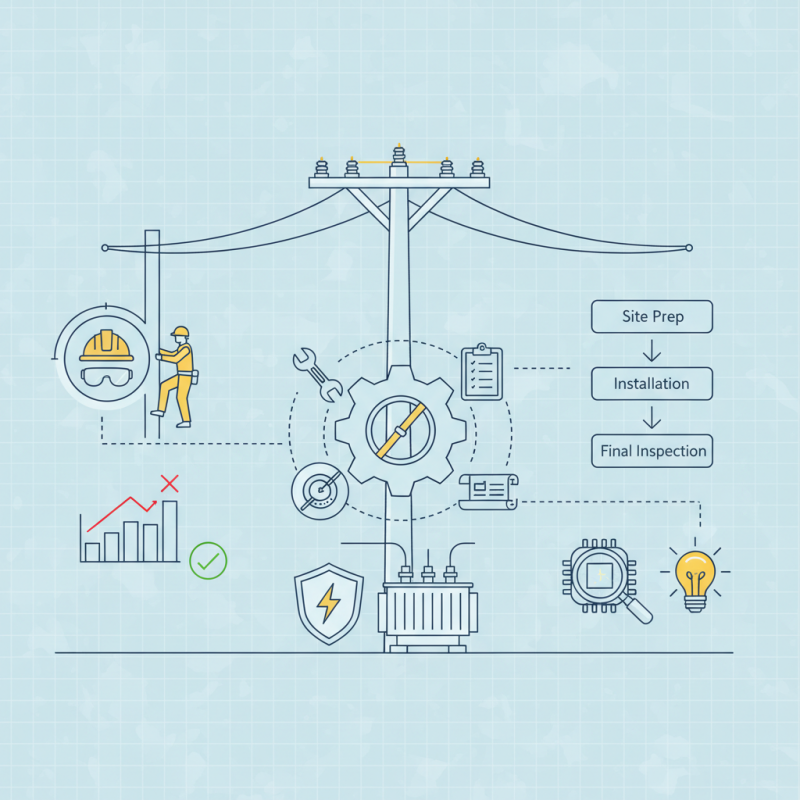
And let’s not forget—making sure every part meets all the regulatory standards isn’t optional, it’s essential. From prepping the site to the final inspection, details matter. The whole process of installing an Electric Distribution Line is pretty complex, so it’s important we keep reflecting on what we do and stay open to improving our practices. Navigating this stuff isn’t just a one-and-done deal—it’s about learning, adapting, and always getting better.
How to Install an Electric Distribution Line Safely?

How to Assess Site Conditions Before Installation of Electric Distribution Lines

Before installing electric distribution lines, it's crucial to assess site conditions thoroughly. Begin by examining the terrain. Look for uneven surfaces and potential obstacles. Rocky soil may complicate trenching. Wet areas can create erosion risks. Tree roots pose additional challenges. Each factor can affect installation depth and stability.

Safety must be a priority. Ensure there are no underground utilities in the area. Contact local authorities for mapping assistance. Field surveys can identify these hidden lines. An unnoticed gas line can lead to disasters. Also, consider environmental impacts. Wetlands and habitats for wildlife often need protection. Use this assessment to adjust your installation plans accordingly.

Assess weather patterns as well. Storm-prone regions might require different engineering solutions. Strong winds can topple poles or damage the Electric Line Transformer. Proper anchoring and height adjustments can minimize risks. It's essential to reflect on these conditions regularly. Past projects can teach valuable lessons about unforeseen challenges. Planning ahead reduces accidents and ensures a safer installation.

Understanding the Key Components of Electric Distribution Line Systems

How to Install an Electric Distribution Line Safely?

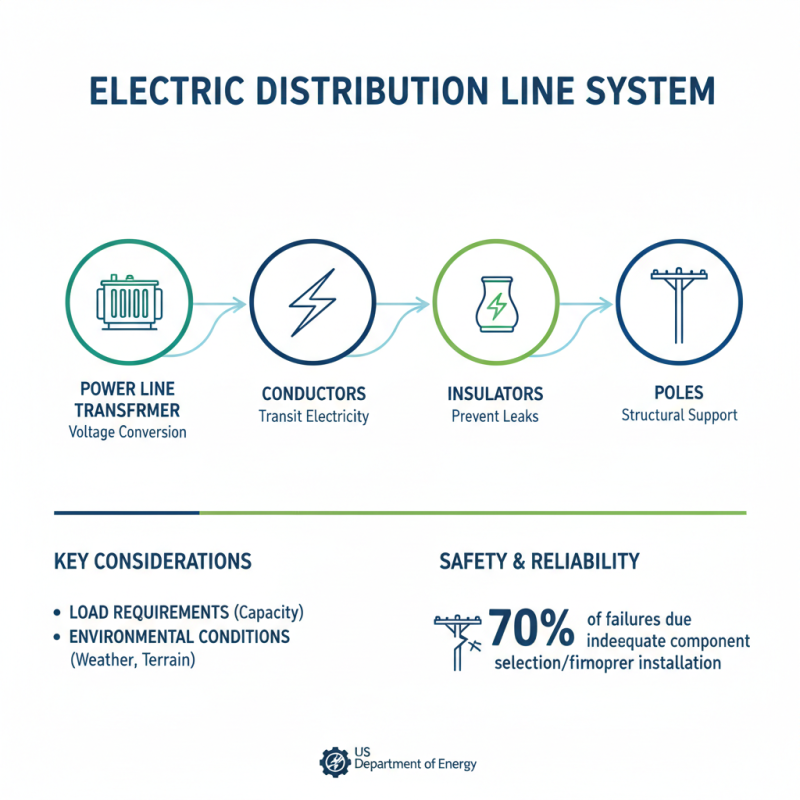
Installing electric distribution lines requires a thorough understanding of their components. An electric distribution line system comprises various elements that ensure efficiency and safety. These include Power Line Transformers, conductors, insulators, and poles. Each part must be carefully chosen based on the load requirements and environmental conditions. According to the U.S. Department of Energy, around 70% of power line failures result from inadequate component selection or improper installation.

Power Line Transformers play a critical role in these systems. They adjust voltage levels for safe distribution. An estimated 10% of energy loss occurs due to transformer inefficiencies. Optimal transformer selection can thus dramatically improve system performance. However, many installations underestimate this factor, leading to excessive power loss.

The surrounding environment also impacts these systems. In areas prone to storms or heavy winds, robust insulating materials and structurally sound poles are essential. Many engineers overlook local weather patterns during the planning phase. This can result in vulnerable installations. Adopting a holistic approach ensures that all components work together to withstand environmental stresses, enhancing the overall Safety and Reliability of electric distribution lines.

Safety Standards and Regulations for Electric Line Installation

Installing an electric distribution line requires strict adherence to safety standards and regulations. These guidelines ensure not only the safety of workers but also the protection of the community. Before starting the installation, it’s vital to review local electrical codes. Each location may have unique requirements that must be followed. Ignoring these can lead to serious consequences.

Proper gear and protective equipment are essential. Workers should wear helmets, gloves, and non-conductive footwear. Each worker must complete safety training. Electrical hazards are real and can be deadly. Accidents happen quickly. All team members should be vigilant and aware of their surroundings.

Tips: Always maintain a safe distance from live lines. Use insulated tools wherever possible. Regularly inspect equipment and infrastructure for wear and integrity.

In addition, a site assessment should be conducted before any work begins. This involves scouting for potential hazards. Things like nearby trees, water sources, and existing structures can complicate the job. Planning for every scenario is crucial. What could go wrong? Constantly reevaluate your methods and adapt as needed.

Safety Standards for Electric Distribution Line Installation

Tools and Equipment Needed for Electric Distribution Line Installation

Installing an electric distribution line requires careful preparation. Proper tools and equipment make the process smoother and safer. The essential items include insulated tools, gloves, and safety helmets. These tools protect against electrical hazards. A bucket truck or lift is also necessary to reach high places safely. Don't forget a reliable power source for any electric tools you might need.

Other equipment may include markings and cones to define the work area. It’s crucial to have a first-aid kit on hand in case of accidents. Having a fire extinguisher is also wise, as working with electricity poses risks. Always check for nearby Low Voltage Power Line to avoid accidental contact during installation.

Training in safety protocols is vital. Mistakes can lead to dangerous situations. Regularly inspect your tools for wear and tear. Using damaged equipment might compromise safety. Reflect on past installations to improve future practices. Emphasizing safety cannot be overstated in these situations.

How to Install an Electric Distribution Line Safely? - Tools and Equipment Needed for Electric Distribution Line Installation

Tool/Equipment Purpose Safety Precautions Usage Tips
Insulated Gloves Protective wear for handling live wires Ensure the gloves are properly rated for the voltage levels Inspect for damages before use
Voltage Tester Checks for presence of electrical voltage Test on known live circuits to ensure functionality Replace batteries periodically
Ladder (Fiberglass) Allows access to heights for installation Ensure it is on stable ground and fully extended Maintain three points of contact
Conduit Bender Bends electrical conduit for routing Wear safety goggles to protect eyes from flying metal Measure twice, bend once
Wire Strippers Removes insulation from wires to create connections Use the correct gauge setting to avoid damaging wires Check blade sharpness before use

Step-by-Step Procedure for Properly Installing Electric Distribution Lines

Installation of electric distribution lines requires careful planning and execution. Start by assessing the designated area for the installation. Ensure that all necessary permits are acquired before proceeding. Mark out the route for the distribution line clearly, considering safety distances from trees and structures. It’s crucial to avoid potential hazards like existing utility lines. Remember, attention to detail here can prevent accidents.

Once the route is marked, gather all required materials. This includes poles, wires, and safety gear. It might be tempting to skip safety gear, but this can lead to serious injuries. As you begin the installation, dig holes for the poles deep enough to ensure stability. A common mistake is digging too shallow, which can compromise the line's integrity. After placing the poles, attach the wires securely, ensuring they are taut but not overly tight.

During installation, frequent checks for weather changes are important. Rain or strong winds can pose risks. Sometimes, team members may overlook these conditions, leading to rushed work. Regular communication within the team helps to mitigate this risk. Documenting each step of the process can also provide future insight into any challenges faced during installation. This reflection allows for improvements in future projects.

Common Hazards and Safety Measures During Electric Line Installation

Installing an electric distribution line poses various hazards. Workers face risks from high voltage, falling objects, and surrounding environments. Proper attention to safety measures is vital. Start with a thorough site assessment to identify potential dangers. Ensure everyone understands their roles during the installation.

Tips: Always wear appropriate personal protective equipment. Hard hats, gloves, and eye protection are essential. Regularly inspect tools and equipment to prevent malfunctions. Training sessions on emergency procedures can save lives.

One common hazard involves overhead lines. Contacting them can result in severe injuries. A safe distance should always be maintained. Grounding methods must be carefully followed to manage risk. Sometimes, teams overlook minor safety checks. This oversight can lead to significant problems later.

Tips: Keep all equipment organized and within reach. Clear communication is crucial during installation. Use flags or cones to mark hazardous areas. Regularly review safety protocols with the team to ensure everyone stays alert.

Post-Installation Testing and Maintenance of Electric Distribution Lines

Post-installation testing and maintenance of electric distribution lines are critical for ensuring long-term safety and efficiency. After installation, technicians conduct thorough testing. This includes checking for voltage levels, continuity, and grounding effectiveness. According to the National Electrical Safety Code, proper grounding reduces the risk of electric shock. Regular testing can help identify issues before they escalate, enhancing system reliability.

Maintenance routines should occur periodically. Inspections must assess the physical condition of the lines and connectors. A study by the Institute of Electrical and Electronics Engineers (IEEE) indicates that 30% of distribution line failures result from inadequate maintenance. Simple tasks like cleaning and tightening connectors can significantly extend a line's lifespan. Engineers should log these findings for future reference. This practice promotes accountability and highlights common failures.

Through diligence, teams can mitigate potential risks. However, it can also be challenging. Discrepancies in documentation and equipment can complicate maintenance efforts. Technicians may overlook minor issues, leading to larger problems later. Regular training ensures all personnel stay informed on best practices. The goal is to maintain a safe and reliable electric distribution system.

FAQS

: What is the purpose of the product?

: The product aims to improve everyday efficiency. It helps users accomplish tasks faster.

How should I use the product?

Follow the provided instructions. Ensure you read the manual thoroughly before starting.

What materials is the product made from?

The product is made from high-quality materials. They are designed for durability and usability.

Are there any safety precautions?

Yes, always use the product as intended. Avoid any actions that could cause injury.

How do I maintain the product?

Regular cleaning is essential for longevity. Inspect for any wear and tear periodically.

What should I do if the product malfunctions?

Check troubleshooting steps in the manual. If unresolved, contact customer support for help.

Is it suitable for beginners?

Yes, the product is user-friendly. However, some may need practice to fully master it.

Can it be used in various environments?

The product is versatile. However, certain environments may affect its performance.

How can I improve my experience with the product?

Experiment with different settings. Take notes on what works best for you; reflection is key.

What if I am not satisfied with the product?

You may explore return options. Reflect on your usage to understand the issues you faced.

Conclusion

Installing an Electric Distribution Line requires careful planning and adherence to safety protocols. Before installation, it's crucial to assess site conditions, including terrain, existing infrastructure, and environmental factors. Understanding the key components, such as transformers and conductors, ensures a comprehensive grasp of the system. Compliance with safety standards and regulations is essential to prevent accidents and ensure the safety of workers and the public.

The installation process involves specific tools and equipment, and a step-by-step procedure should be followed to guarantee proper installation. Awareness of common hazards, such as electrical shocks and working at heights, is vital, and appropriate safety measures must be implemented. Post-installation, thorough testing and maintenance are necessary to ensure the Electric Distribution Line operates efficiently and safely throughout its lifespan.
Ethan

Ethan

Ethan is a seasoned marketing professional at Jiangxi GUOXIANG Electric Power Equipment Co., Ltd., a national high-tech enterprise founded in 2016 and based in Jiangxi Province. With a profound expertise in integrated power solutions, Ethan plays a crucial role in bridging the gap between our......
Previous Maximizing Value with Exceptional After Sales Support for Best Distribution Transformers