inquiry
Inquiry
Form loading...
0%

These days, the need for reliable and efficient electricity just keeps growing—it's more urgent than ever. According to the International Energy Agency, global energy use is expected to jump by around 48% by 2040. That’s a huge increase! Electric power substations are pretty much the backbone of making sure our grids stay reliable and efficient, especially since energy needs can be so unpredictable. What's really cool is how new designs and cutting-edge tech in substations aren’t just making things run smoother; they also help us bring more renewable energy into the mix. That’s a win for the environment and makes our power systems more resilient. Companies like Jiangxi Guoxiang Electric Power Equipment Co., Ltd. are leading the charge in this space. They’re always pushing forward with innovative solutions, investing lots in R&D to stay ahead of the game. Ultimately, all this work adds up to a more dependable power infrastructure that really supports the communities that rely on it every day.
Innovative Examples of Electric Power Substations Enhancing Grid Efficiency and Reliability

Understanding the Role of Electric Power Substations in Modern Grids

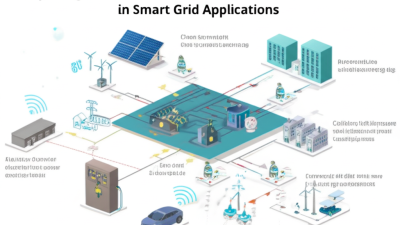
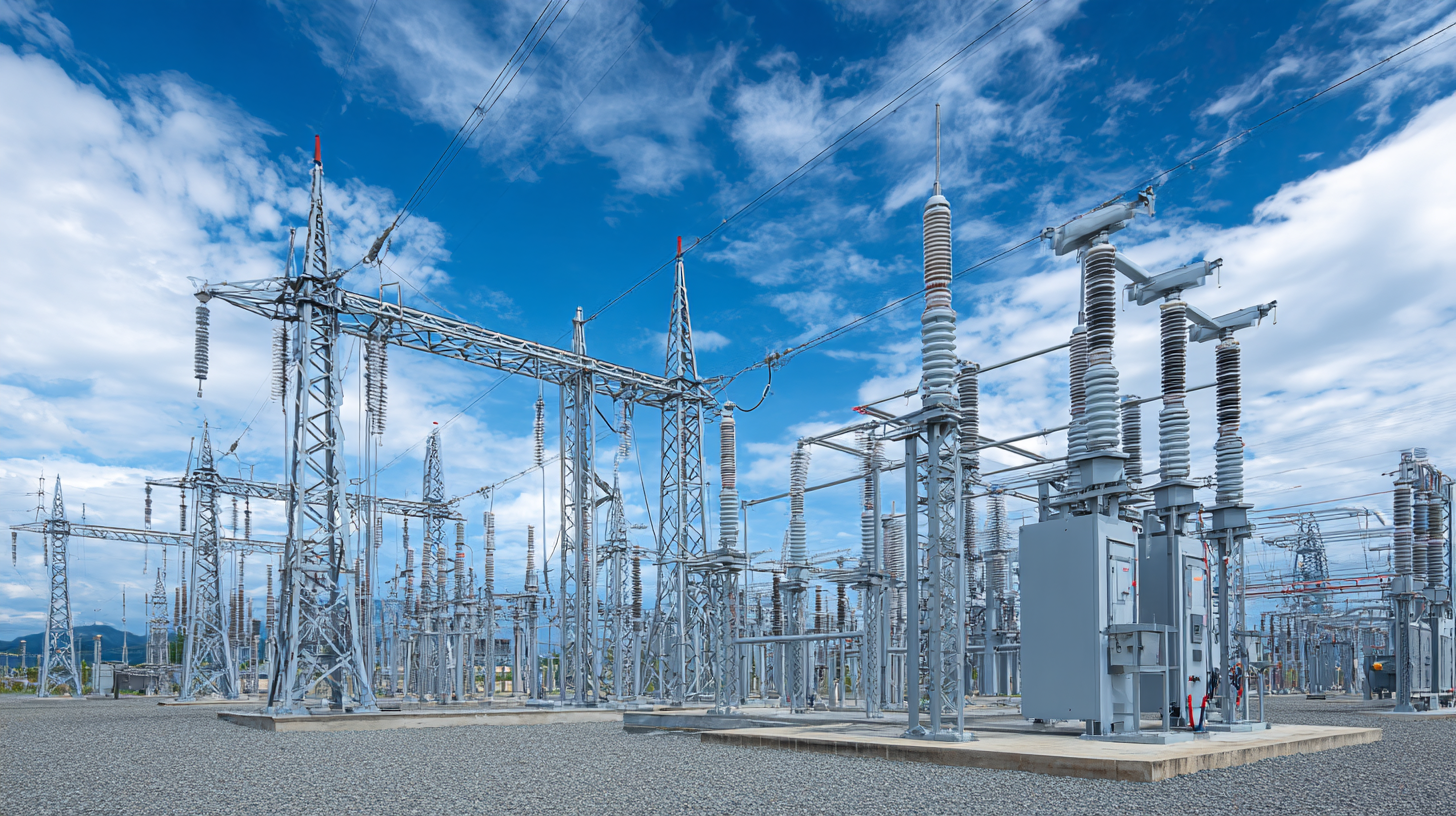
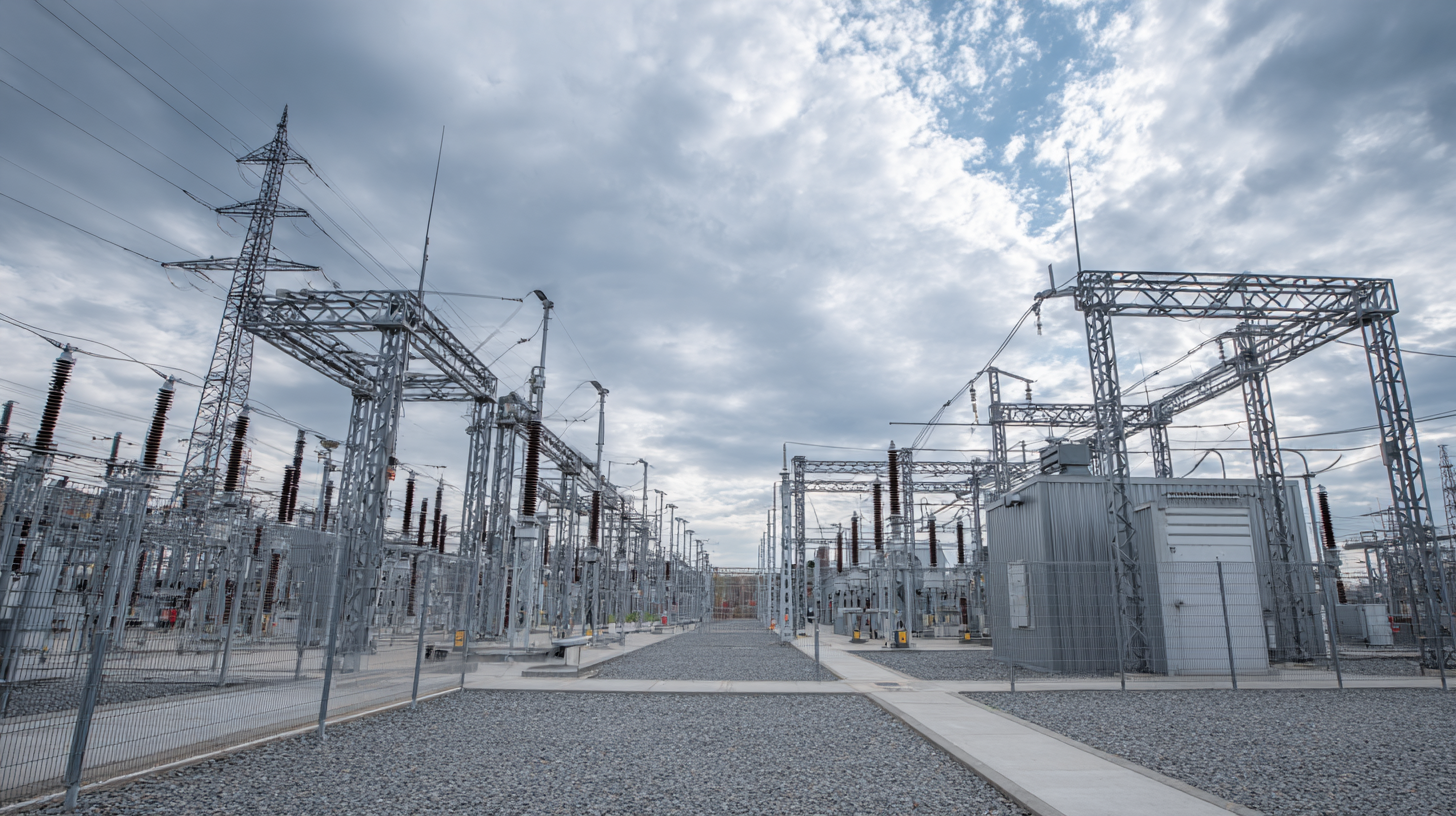
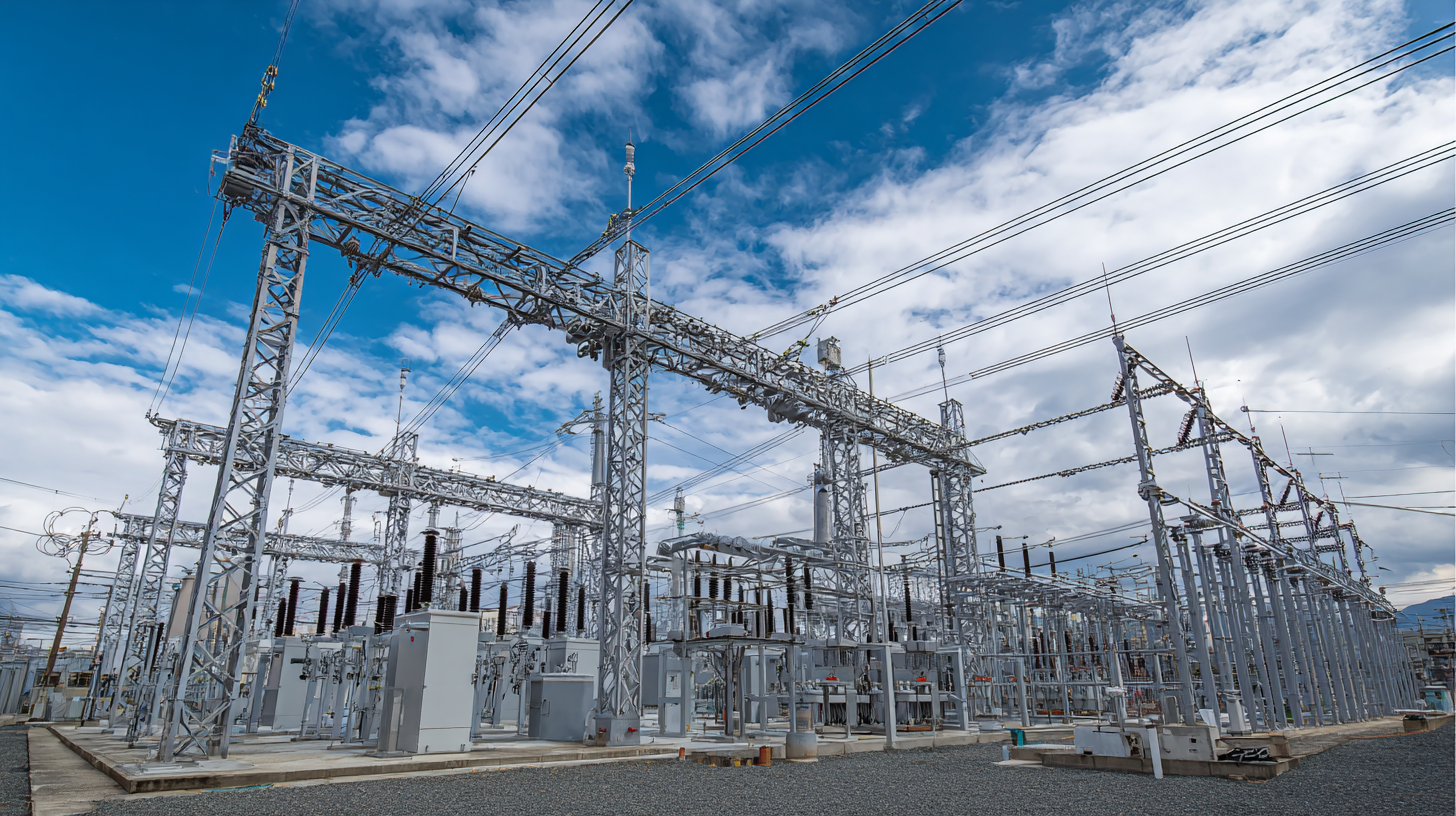
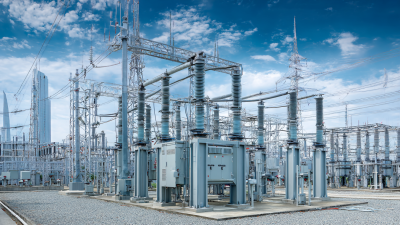
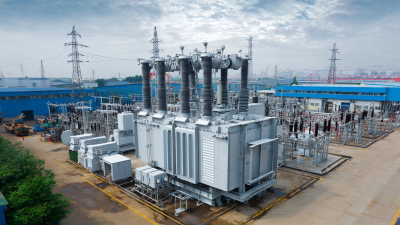
Electric power substations are like the backbone of modern electrical grids — they’re pretty much the unsung heroes making sure everything runs smoothly. These facilities do a lot: they step up or step down voltage levels to match what homes and businesses need, and they also help keep the whole system sturdy and reliable. What’s pretty cool is that with new tech like smart grid systems, substations can keep an eye on things in real-time, managing electricity flow more efficiently. That means fewer losses and quicker responses during busy times or if something goes wrong.

And it’s not just about keeping the lights on; newer designs and upgrades have seriously boosted how well the grid works. Things like energy storage and adding more renewable energy sources help balance out highs and lows in supply and demand. This flexibility is super important, especially as more clean energy comes into play, helping cut down on carbon emissions. As technology keeps advancing, these substations will be even more vital in building energy systems that are both dependable and eco-friendly around the world.

Key Technologies Revolutionizing Substation Design and Efficiency

You know, the way electric power substations are transforming these days is pretty exciting. A big part of it is the rise of smart grid tech. These systems use real-time data analysis to keep an eye on electrical flows, so utilities can react quickly whenever there's a spike in demand or even a blackout nearby. Thanks to sensors and better communication networks, these substations have become way more automated, which means lower costs and fewer hiccups for the people relying on them. It’s kind of like giving the grid a brain of its own!

Innovative Examples of Electric Power Substations Enhancing Grid Efficiency and Reliability

Then there’s this cool thing called Modular Design. Basically, it lets infrastructure be built in flexible pieces that can be scaled up or down easily. That’s super handy, especially with the push for more renewable energy sources and decentralized power generation. These modular setups can be installed pretty fast and upgraded without much hassle, so utilities aren’t stuck with old tech. Plus, advances in power electronics and energy storage are helping substations better handle the irregular output from wind and solar power, making our energy system more resilient and sustainable overall. All these innovations aren’t just about efficiency—they’re paving the way toward a more reliable, future-proof energy grid that works better for everyone.

Innovative Grid Management Strategies for Enhanced Reliability

You know, integrating artificial intelligence (AI) into how we manage power grids is really changing the game for electric substations. More and more, utilities are jumping on the AI bandwagon—using stuff like advanced analytics and digital twins—to streamline their operations and make the grid more resilient. When they use machine learning algorithms, the folks running the power grid can better predict how much energy we'll need and plan energy generation more effectively. That means they can balance supply and demand more smoothly and cut down on waste. It’s a proactive move that not only makes power delivery more reliable but also helps us move towards a greener, more sustainable energy future.

And it’s not just about keeping things running smoothly; AI is actually a big help in integrating renewable energy sources into the grid, too. As more renewables come online, storage and security become major concerns. Luckily, clever AI solutions are stepping in—improving fault detection, optimizing hybrid energy systems, and making sure the whole setup is more flexible and resilient. This kind of tech makes the grid better equipped to handle rising energy demands and the growth of renewable options. All in all, these smart management strategies are key for strengthening our modern power infrastructure and ensuring it keeps pace with our needs. Pretty exciting stuff, right?

Innovative Examples of Electric Power Substations Enhancing Grid Efficiency and Reliability

Substation Type Location Grid Efficiency Improvement (%) Reliability Enhancement (Hours) Innovative Feature
Smart Substation California, USA 15 2000 Advanced Monitoring Systems
Modular Substation Berlin, Germany 12 1800 Scalable Design
Digital Substation Tokyo, Japan 20 2500 IoT Integration
Renewable Energy Substation Sydney, Australia 18 2200 Energy Storage Systems
Hybrid Substation Toronto, Canada 17 2300 Multi-Source Integration

Case Studies: Successful Implementation of Smart Substations

Transforming old-school electric power substations into smarter, more modern setups is a game-changer when it comes to making our power grids more efficient and reliable. I've come across some really cool case studies from all over that show just how innovative approaches are pushing this whole evolution forward. For example, installing real-time monitoring systems in these stations has made a huge difference—outage response times are much faster now. Thanks to advanced sensors and IoT tech, utilities can spot issues early and even fix problems before they turn into big outages, helping keep the lights on and the power steady.

If utilities are thinking about upgrading their substations, my first tip would be to focus on beefing up the communication infrastructure. Having a solid network for data transfer means operators can react quickly and manage resources more effectively. Also, investing in predictive maintenance tools is a smart move—they allow teams to catch equipment issues early, which means less downtime and lower costs overall.

And here’s something cool: more and more substations are now integrating renewable energy sources like solar and wind. Not only does this cut down their carbon footprint, but it also helps keep energy supplies steady during busy demand times. Utilities should also look into energy storage options—they’re key to making the most out of renewables and keeping the grid stable and sustainable for years to come.

Innovative Examples of Electric Power Substations Enhancing Grid Efficiency and Reliability

Future Trends in Electric Power Substations and Grid Integration

As the push for more reliable and efficient energy keeps growing, the future of electric power substations is leaning more and more toward cutting-edge tech that better integrates with the grid. Have you heard of smart grids? They're basically systems that use digital communication and automation to make substations smarter and more adaptable. Instead of just doing the same thing day in and day out, these modern substations can react to real-time data, making them super responsive. This means better load management, smoothing out peak demands, and catching faults early on — all of which cuts down on outages and keeps everything running smoothly.

Plus, with more renewable energy like solar and wind coming into play, the layout and functionality of substations are changing too. Adding energy storage solutions, like batteries, helps make the grid more robust by balancing out supply and demand. Not only does this push cleaner energy, but it also helps keep things stable during those busy peak times. As substations evolve to handle these new demands, it’s clear that collaboration between utility companies, tech providers, and regulators is going to be key to building a sustainable and reliable energy future. It’s an exciting time to see how all these innovations come together to shape the grid of tomorrow.

Transforming Power: Exploring the Benefits of the S11 Series 10kV Three Phase Oil Immersed Power Transformer

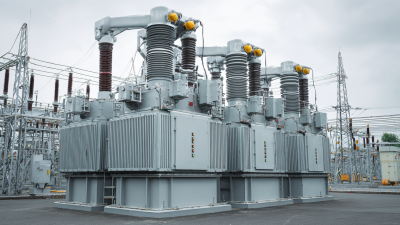
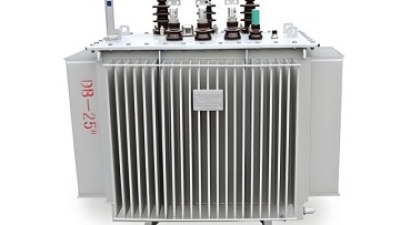
The S11 Series 10kV Three Phase Oil Immersed Power Transformer exemplifies the shift towards energy-efficient and reliable power solutions in today's electric utility landscape. Designed with a focus on reducing operational noise and enhancing performance, the S(B)11-M Series ensures that energy demands are met without compromising on performance. According to a recent report by the International Energy Agency (IEA), energy losses in transformers can account for up to 2% of global electricity consumption. Therefore, transformers that prioritize efficiency, such as the S11 series, play a crucial role in mitigating energy waste.

Utilizing advanced technologies and high-quality materials, the S11 series is adept at fulfilling the needs of diverse applications ranging from urban-rural power networks to complex industrial environments. The transformers feature optimized core designs that significantly reduce energy dissipation, adhering to modern standards of sustainability and performance as highlighted in the IEEE Standards Association's reports. With a robust insulation system and strict energy-saving protocols, these transformers not only enhance operational stability but also support critical infrastructure projects that aim for eco-friendly power solutions. In an era where institutions and industries are increasingly held accountable for their environmental impact, investing in state-of-the-art transformers like the S11 series is more pertinent than ever.

FAQS

: What is the primary function of electric power substations in modern grids?

: Electric power substations serve as critical nodes that transform voltage levels, ensuring efficient power distribution and enhancing grid reliability.

How do substations contribute to energy efficiency?

Innovative designs and upgrades in substations, such as energy storage solutions and renewable energy integration, help manage fluctuations in supply and demand, improving overall grid efficiency.

What role does AI play in enhancing the reliability of electric power substations?

AI technologies, including advanced analytics and digital twins, are used to optimize processes, predict energy demands, and balance supply and demand, thus improving the reliability of power delivery.

How do smart grids redefine substations' operations?

Smart grids enable substations to use digital communication and automated systems, allowing them to respond to real-time data and optimize load management and fault detection.

What challenges do renewable energy sources bring to substations?

The integration of renewable energy sources creates complexities in energy storage and security, which substations must navigate to maintain stability and reliability.

In what ways do future trends aim to enhance substations’ capabilities?

Future trends focus on advanced technologies for better grid integration, such as real-time data responsiveness, improved fault detection, and adaptation to renewable energy sources.

Why is it important for substations to incorporate energy storage solutions?

Energy storage solutions help balance supply and demand, stabilize the grid, and accommodate the growing share of renewable energy sources.

How do digital technologies impact grid management?

Digital technologies facilitate enhanced monitoring and management, leading to reduced losses and improved response times during peak demand or outages.

What is meant by "peak shaving" in the context of substations?

Peak shaving refers to the practice of reducing electricity usage during high-demand periods, which substations can optimize through real-time data responses.

Why is collaboration among utility companies, technology providers, and regulators essential for substations?

Collaboration is crucial to effectively address the evolving challenges in energy delivery and to support the transition towards a sustainable and efficient energy future.

Conclusion

Electric power substations might not be the most glamorous part of the grid, but they actually play a huge role in making our electrical systems run smoothly and reliably. When you get what these stations do, it’s pretty fascinating to see how new tech is totally changing the game—making operations more efficient and boosting overall performance. Plus, modern grid management strategies are being rolled out to keep everything stable and dependable, so we don't have to worry about blackouts or energy shortages.

If you look at some real-world success stories of smart substations in action, it’s clear these innovations are making a real difference for the energy industry. Looking ahead, it seems like we're headed toward even smarter systems—more integration of electrical substations with cutting-edge grid tech—that could make our energy setup way more resilient and efficient. Here at Jiangxi Guoxiang Electric Power Equipment Co., Ltd., we’re pretty excited about this too. We're all in on delivering integrated power solutions that stay in step with these hot trends, helping to shape the future of energy infrastructure.
Ethan

Ethan

Ethan is a seasoned marketing professional at Jiangxi GUOXIANG Electric Power Equipment Co., Ltd., a national high-tech enterprise founded in 2016 and based in Jiangxi Province. With a profound expertise in integrated power solutions, Ethan plays a crucial role in bridging the gap between our......
Previous Maximizing Value with Exceptional After Sales Support for Best Distribution Transformers