inquiry
Inquiry
Form loading...
0%

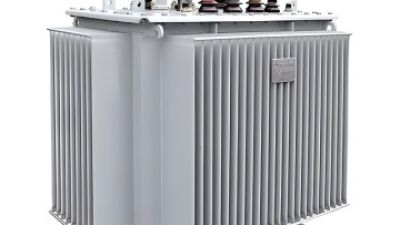
Industrial Power Transformers—yeah, those big electrical devices you see around—are actually pretty important when it comes to making energy use more efficient in different industries. They’re responsible for converting voltage levels, which helps ensure the power gets distributed properly. Companies like GE and Siemens rely on these to cut down on energy losses during transmission. Basically, by managing how power flows, these transformers can really help lower operational costs.

A lot of energy inefficiency comes from using outdated or wrong-sized transformers. That often leads to more emissions and higher bills—nobody wants that. Swapping in modern industrial power transformers might just be the fix. Not only do they save energy, but they also make the whole system more reliable. The problem is, many businesses tend to overlook regular maintenance or upgrades, which can cause unnecessary waste and operational headaches.

Honestly, investing in these transformers is kind of a no-brainer, but it’s often underappreciated. Companies seriously need to reevaluate their energy strategies—there’s a lot of potential for better efficiency there. Taking a close look at how they perform and what kind of upkeep they require could reveal some pretty significant opportunities. Moving forward with the latest transformer tech might just be the smartest move towards a greener, more sustainable future.
Why Are Industrial Power Transformers Essential for Energy Efficiency?

The Role of Industrial Power Transformers in Energy Management

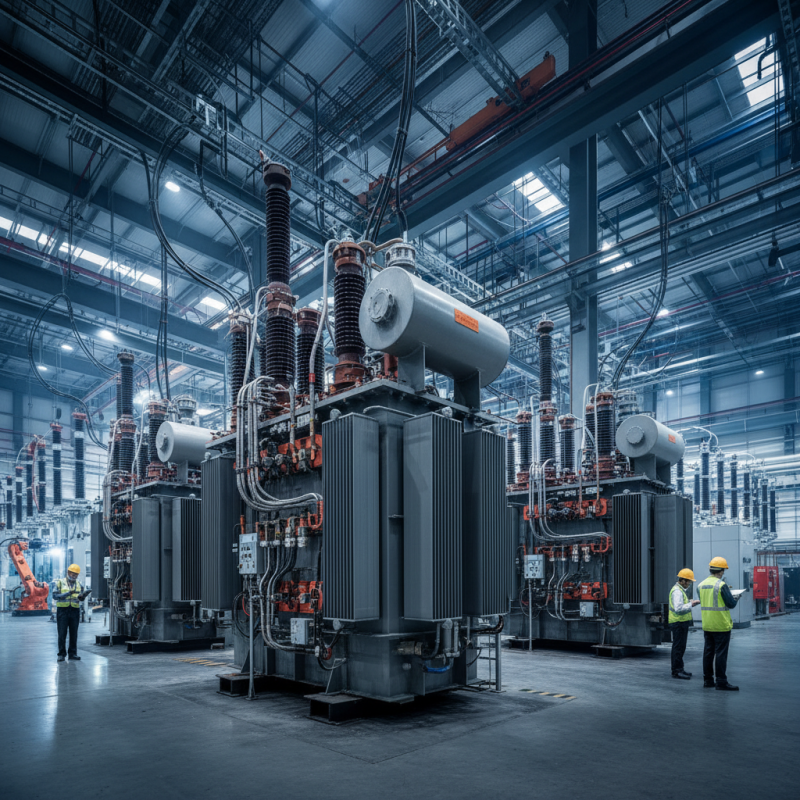
Industrial power transformers play a vital role in energy management across various sectors. They help optimize electricity distribution. According to a report from the International Energy Agency (IEA), efficient transformers can reduce energy losses by up to 10%. This is significant in a world aiming for reduced carbon emissions.

These transformers ensure that voltage levels are properly regulated. Without them, facilities could face higher operational costs. Data from the U.S. Department of Energysuggests that power transformers with better Energy Efficiency can lead to savings of around$1.2 billion annually. Using an Industrial Power Distribution Panel alongside these transformers can enhance energy flow and minimize disruptions.

However, not all transformers are created equal. Many older models still in use are less efficient. This can lead to wasted energy and increased operational costs. It's crucial for industries to conduct regular assessments. Upgrading outdated systems is not just a technical necessity; it has economic implications as well. Improving energy management through better transformers is a step forward, but a commitment to continuous improvement is essential.

Understanding Energy Efficiency in Industrial Systems

Energy efficiency in industrial systems is crucial for reducing operational costs and environmental impact. According to a report by the U.S. Department of Energy, improving energy efficiency can reduce energy consumption by as much as 30%. Industrial power transformers play a vital role in this effort. They ensure optimal energy distribution and minimize losses during transmission.

Transformers operate at varying efficiencies, often between 95% and 99%. However, not all transformers are created equal. Aging equipment can exhibit significantly lower efficiencies, leading to waste. Studies suggest that about 10% of energy can be lost through poor transformer performance. This highlights the need for regular maintenance and assessment of transformer efficiency.

Investing in modern transformers may seem costly upfront. Yet, the long-term savingsjustify this expenditure. Upgrading to a higher Efficiency Transformer can decrease energy costs substantially over time. Reflecting on these improvements is essential. Many facilities overlook the importance ofregular energy audits. This not only helps in identifying inefficiencies but also promotes a culture of sustainability in industrial operations.

Key Components of Industrial Power Transformers

Industrial power transformers play a critical role in energy efficiency. They convert high-voltage electricity into lower-voltage power for various applications. Key components of these transformers significantly influence their performance and efficiency.

The core is crucial. It’s typically made from laminated silicon steel to reduce energy losses. A report by the Department of Energy indicates that transformer core losses account for about 30% of total losses in an electrical system. Properly designed cores help minimize this loss, yet many installations still use outdated materials. This oversight can lead to unnecessary energy waste.

Insulation is another vital element. It ensures that electrical components do not short circuit. Poor insulation can lead to overheating, which affects efficiency and longevity. Studies show that transformers with superior insulation materials can operate at 1-3% higher efficiency levels. However, many industrial plants overlook this aspect. They often opt for cost-cutting measures instead of investing in better insulation technologies. It’s a challenge that industry leaders must address to improve overall operations and reduce energy costs.

Why Are Industrial Power Transformers Essential for Energy Efficiency? - Key Components of Industrial Power Transformers

Component Function Importance for Energy Efficiency Typical Efficiency Range (%)
Core Provides a magnetic path for energy transfer. Minimizes energy losses during electromagnetic induction. 95 - 99
Windings Carries electrical current and generates a magnetic field. Higher quality materials reduce resistance and energy loss. 94 - 98
Insulation Separates windings and prevents short circuits. Effective insulation reduces heat generation, enhancing efficiency. Not applicable
Cooling System Dissipates heat generated during operation. Maintains optimal operating temperature, avoiding losses. Not applicable
Tap Changer Regulates voltage levels according to load requirements. Ensures stable voltage reduces energy wastage. Not applicable

How Transformers Affect Energy Loss in Electrical Systems

Industrial power transformers play a crucial role in enhancing energy efficiency within electrical systems. Their design and operation significantly influence energy loss. According to the U.S. Department of Energy, nearly 3% of all electricity generated is lost in transmission due to inefficiencies. Industrial Transformers, when properly selected and maintained, can reduce these losses considerably.

Energy losses typically occur due to resistance in electrical circuits and magnetic leakage. Inadequate transformer sizing can exacerbate these losses. Properly sized industrial transformers minimize energy waste and can lead to substantial savings. Regular maintenance of transformers also helps in mitigating inefficiencies. Neglecting this can lead to poor performance and increased costs.

Tips: Always choose transformers with high efficiency ratings. Regular tests can identify issues early. Consider upgrading older units. This can pay off in energy savings, with new technologies available. Remember, even minor adjustments can lead to significant improvements over time. Don’t underestimate the power of an efficient industrial transformer in your system.

Benefits of Using High-Efficiency Transformers

Why Are Industrial Power Transformers Essential for Energy Efficiency?

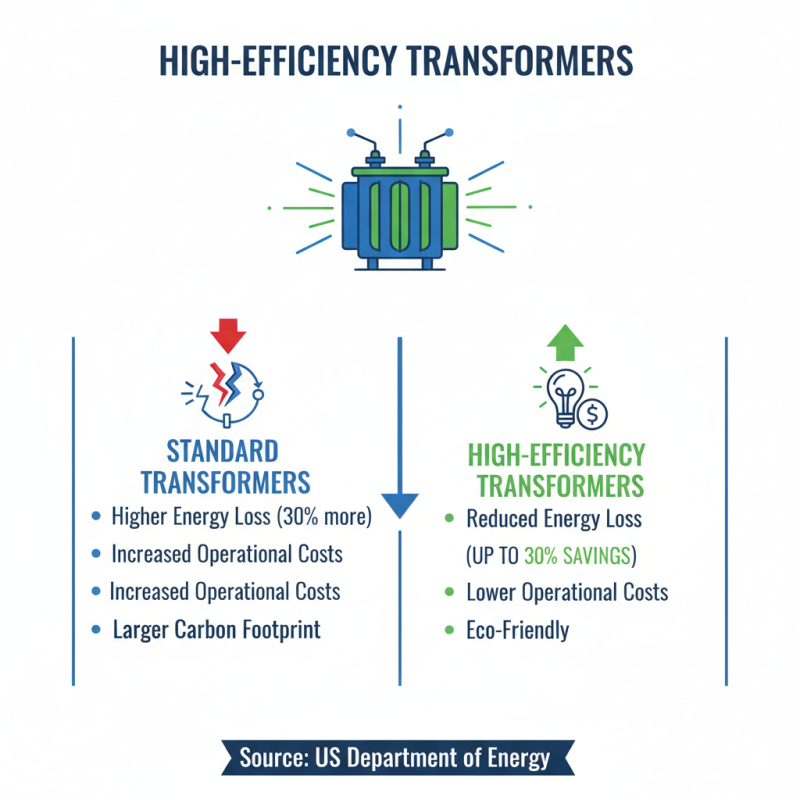
High-efficiency transformers play a critical role in modern energy management. They reduce energy losses and minimize operational costs. According to the U.S. Department of Energy, using high-efficiency transformers can save up to 30% in energy losses compared to standard models. This can translate to significant savings over a transformer's lifespan.

Adopting a Low Noise Industrial Transformer can enhance workplace environments. Quieter operations contribute to improved worker productivity and satisfaction. Noise levels are crucial in industries where a calm environment is necessary. Furthermore, high-efficiency transformers often have a longer lifespan due to reduced thermal stress, meaning fewer replacements and less waste.

Tips: Regular assessments of transformers can uncover inefficiencies. Monitor energy consumption trends monthly. Sometimes, small upgrades or adjustments yield substantial savings. Don't overlook maintenance schedules; these can impact overall efficiency. Proactive measures lead to improved energy efficiency. Consider energy audits to identify areas for improvement.

Maintenance Practices to Optimize Transformer Performance

Regular maintenance is key to optimize the performance of industrial power transformers. Reports show that up to 20% of transformers fail due to inadequate upkeep. Routine inspections can prevent unexpected outages. These outages often lead to costly downtime and increased energy consumption. Keeping an eye on oil levels and insulation integrity is crucial. Simple steps can enhance transformer lifespan.

Incorporating predictive maintenance techniques helps identify issues early. Utilizing advanced sensors can improve monitoring processes. Data indicates that predictive maintenance can reduce failure rates by up to 50%. When considering an Electric Transformer For Industrial Automation, understanding these maintenance practices becomes essential. Regular testing and thermal imaging can pinpoint problems that are not visible during routine checks.

Furthermore, the maintenance culture in many industries often lacks urgency. This neglect can lead to inefficiency and waste. Many organizations still underestimate the significance of detailed maintenance records. Investing in comprehensive maintenance strategies pays off in long-term efficiency. Rethinking maintenance approaches may lead to significant energy savings and improved reliability of industrial power transformers.

Future Trends in Transformer Technology for Energy Efficiency

The future of transformer technology is evolving to meet energy efficiency demands. According to a 2022 report by the International Energy Agency, modern transformers can achieve over 98% efficiency. This figure is crucial as electricity loss can lead to significant waste in industrial settings. Improved designs reduce overheating and vibration, which often leads to power loss.

New materials play a pivotal role in advancements. Innovations in amorphous steel and advanced insulation materials enhance the performance of transformers. For instance, they minimize core losses, making transformers lighter and more efficient. The upgrade costs can be high, yet the return on investment through reduced energy bills is evident. A study by the U.S. Department of Energy indicated that energy-efficient transformers could save businesses approximately $61 million annually.

Smart grid technologies are also influencing transformer design. By integrating IoT devices, transformers can monitor real-time performance. This connectivity can reduce maintenance costs and extend lifespan. However, the complexity of these systems may pose challenges for traditional operations. While progress is commendable, the industry must address adaptability for legacy systems.

Enhancing Energy Efficiency in Power Distribution: Insights from Recent Industry Reports on SBH Series Oil Immersed Transformers

The pressing need for improved energy efficiency in power distribution systems is a priority as industries strive to meet sustainability goals. Recent reports highlight the significance of utilizing advanced transformer technologies, such as those featuring amorphous alloy cores, which promise substantial reductions in no-load losses. The utilization of isotropic soft magnetic materials in these transformers enhances their performance, making them ideal for modern power applications that require reliability and efficiency.

Additionally, these transformative designs incorporate precision-wound copper foil coils on the low-voltage side, significantly enhancing the short-circuit withstand capability. Such advancements not only improve operational resilience but also reduce harmonic distortion within power networks. By offering flexible connection configurations, these transformers can optimize power quality across varied grid conditions, supporting the integration of renewable energy sources and facilitating urban grid modernization efforts.

Furthermore, meticulous manufacturing processes, including vacuum degassing, ensure the long-term stability of insulation systems by eliminating residual air bubbles. This commitment to engineering excellence results in ultra-low electromagnetic losses, which directly contribute to heightened energy efficiency. As the energy landscape continues to evolve, adopting these innovative transformer solutions is essential for jurisdictions aiming to revolutionize their power distribution frameworks while adhering to sustainability initiatives.

FAQS

: What is the main purpose of the product?

: The product aims to enhance user convenience and improve daily tasks.

How does it function?

It operates through simple commands and responds quickly, ensuring ease of use.

Is there a setup process?

Yes, initial setup requires following a few straightforward steps.

What are some common issues users face?

Users may struggle with connectivity and system updates occasionally.

Can it be operated without prior experience?

Yes, most users find it intuitive. However, some guidance may be needed initially.

Is customer support available?

Yes, customer support is accessible through multiple channels for user assistance.

How often are updates released?

Updates typically occur monthly, though some may vary depending on user feedback.

What if I encounter bugs?

Report bugs to customer support. They often respond quickly to troubleshoot.

Are there any compatibility issues?

Most users experience minimal compatibility issues, but it’s good to check beforehand.

What are some common user suggestions?

Users often request more features and improved speed, reflecting ongoing needs.

Conclusion

Industrial Power Transformers play a critical role in enhancing energy efficiency within industrial systems. By managing voltage levels and ensuring the smooth distribution of electrical power, these transformers significantly contribute to energy management. Understanding their key components and functionality helps in minimizing energy losses in electrical systems, thus optimizing overall efficiency.

The adoption of high-efficiency transformers offers numerous benefits, including reduced operational costs and improved reliability. Maintenance practices tailored to these transformers are essential for sustaining optimal performance. Looking ahead, emerging trends in transformer technology promise to further enhance their efficiency, supporting the ongoing pursuit of sustainability in industrial operations.
Isabella

Isabella

Isabella is a dedicated marketing professional at Jiangxi GUOXIANG Electric Power Equipment Co., Ltd., where she has been instrumental in shaping the company’s online presence since its establishment in 2016. With a deep understanding of the company's extensive range of integrated power solutions,......
Previous Maximizing Value with Exceptional After Sales Support for Best Distribution Transformers