Picking the right Distribution Transformer really matters if you want efficient power management. Did you know that, according to the International Electrotechnical Commission (IEC), about 80% of electrical energy losses happen somewhere in the distribution system? That’s a huge deal and kind of a reminder that choosing the right gear can make a big difference in reducing those losses. Distribution transformers are pretty much the unsung heroes here—they help keep voltage stable and make sure energy gets from the grid to our homes and businesses smoothly.
And here’s an interesting bit: the market for these transformers is expected to grow quite a lot. A report from Global Industry Analysts predicts a compound annual growth rate (CAGR) of around 6.2% through 2026. With more and more renewable energy sources being used, the need for reliable, efficient transformers is only getting more important. Companies like Siemens and Schneider Electric are rolling out smarter, more energy-efficient transformer tech, which is pretty exciting. But, honestly, figuring out which specs you need can be kind of tricky.
A lot of folks assume bigger transformers are always better, but that’s not necessarily true. Oversizing can actually lead to inefficiencies and end up costing more to operate. It’s really important to consider factors like how much load you'll need and the environment in which the transformer will be working. Doing your homework—researching and weighing different options—really pays off, helping decision-makers improve both the performance and lifespan of their transformers.
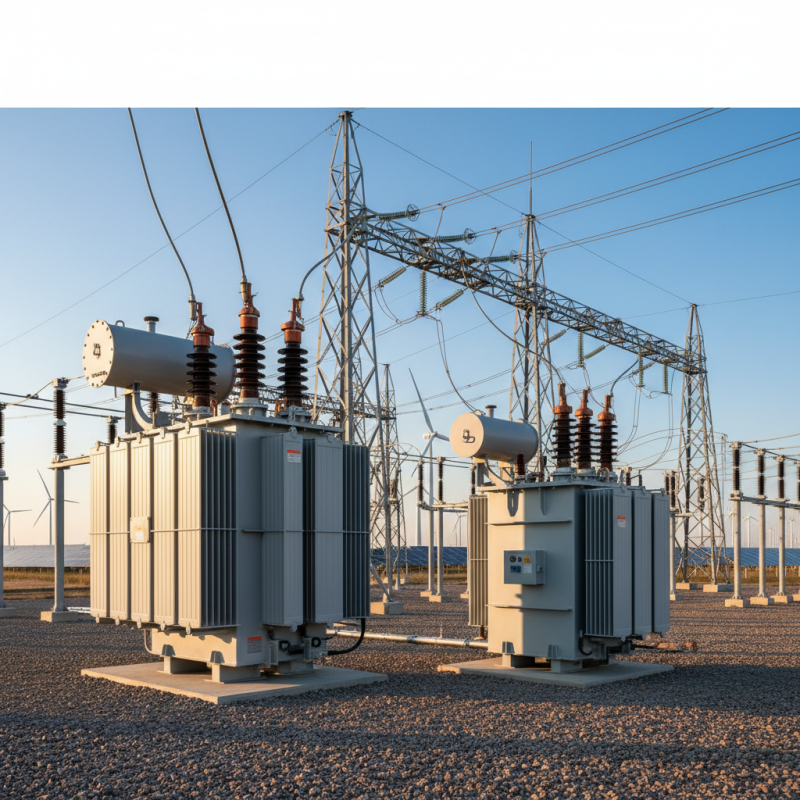
Understanding the Role of Distribution Transformers in Electrical Systems
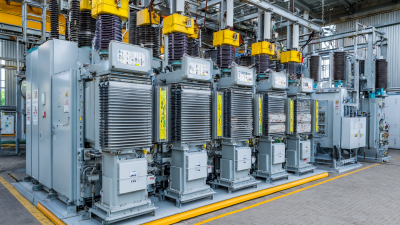
Distribution transformers play a vital role in electrical systems. They convert High Voltage Electricity from transmission lines to lower voltages suitable for use in homes and businesses. This transformation is essential for the safe and efficient distribution of electricity. A well-functioning distribution transformer ensures reliability in power supply, affecting everything from lighting to industrial operations.
When selecting a distribution transformer, consider essential factors like load requirements and efficiency. An incorrectly sized transformer may lead to energy losses. This impact can be significant, especially in large-scale systems. Pay attention to the transformer's power factor and cooling method, as these influence performance and longevity.
Tips: Choose a transformer with a reliable cooling system. This can enhance its lifespan and efficiency. Always verify the transformer's capacity against your actual load needs. An oversized transformer can waste energy. Lastly, consult with industry experts to ensure you have the latest information on distribution transformer technology. Balancing cost, efficiency, and reliability is key when choosing a distribution transformer or even comparing it with a Power Transformer.
2026 How to Choose the Right Distribution Transformer?
| Parameter | Description | Typical Range | Importance |
| Voltage Rating | The maximum voltage the transformer can operate at. | 5 kV - 35 kV | High |
| Power Rating | The amount of power the transformer can handle. | 10 kVA - 5000 kVA | High |
| Phase | Number of phases the transformer supports. | Single-phase, three-phase | Medium |
| Cooling Method | The method used to cool the transformer. | Air-cooled, oil-cooled | High |
| Impedance | The resistance to current flow in the transformer. | 3% - 10% | Medium |
| Regulation | The ability of the transformer to maintain voltage under load. | 1% - 6% | High |
| Efficiency | The percentage of input power that is converted to output power. | 95% - 99% | High |
Key Factors to Consider When Selecting a Distribution Transformer
Choosing the right distribution transformer is crucial for effective power distribution. Several key factors influence this decision. Load requirements are paramount. According to the IEEE, around 60% of transformer failures stem from inadequate load assessment. Understanding the peak and average loads helps prevent overloading issues.
Efficiency ratings also matter significantly. Transformers can range from 95% to over 99% efficiency. A small efficiency increase can save thousands in energy costs annually. Balancing upfront costs with long-term savings is essential. A study by the U.S. Department of Energy highlights that efficient transformers can reduce operational costs by up to 30%.
Environmental factors must factor into your choice. The installation site can affect transformer performance. High temperatures or humidity may necessitate specific insulation or cooling solutions. Not addressing these environmental conditions could lead to decreased lifespan or performance, highlighting the importance of a thorough site assessment.
Types of Distribution Transformers and Their Applications
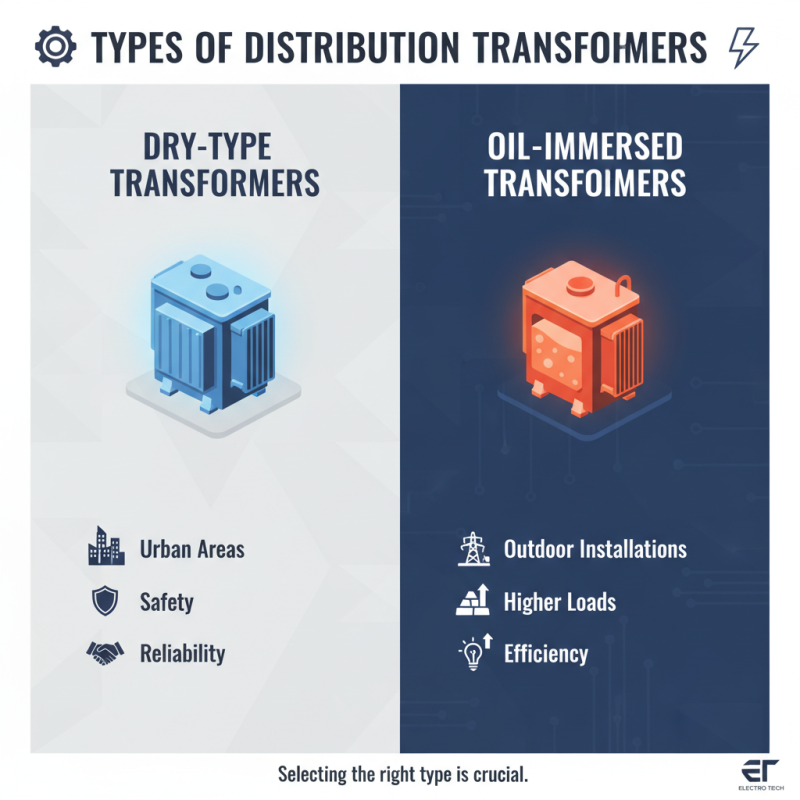
When selecting a distribution transformer, understanding the various types and their applications is crucial. There are several categories of distribution transformers. For instance, dry-type transformers are often used in urban areas. They are known for their safety and reliability. Conversely, oil-immersed transformers are suitable for outdoor installations. They handle higher loads and are highly efficient.
Tips: Assess your installation environment before making a choice. If space is limited, consider a compact design. For outdoor setups, opt for oil-immersed models that can withstand harsh weather.
Another key aspect is the transformer’s voltage specifications. A step-down transformer reduces voltage for residential uses, ensuring safety and compatibility. In contrast, a step-up transformer enhances voltage levels for industrial applications. Choosing the right one depends on your specific needs and setting.
Tips: Always evaluate the power requirements of your facilities. Consulting with experts can help pinpoint the best fit for your situation. Remember, the right Power Transformer Distribution Transformer can lead to improved efficiency and reliability in your electrical system.
Evaluating Load Requirements for Optimal Transformer Selection
When choosing a Distribution Transformer, evaluating load requirements is crucial. An accurate understanding of the electrical load helps ensure optimal operation. According to a report from the Electricity Supply Board, over 80% of transformer failures are linked to incorrect sizing. This highlights the importance of properly assessing the load conditions before making a decision.
Load factors vary significantly based on usage types. For example, residential areas often have lower peak demands compared to industrial zones. In industrial settings, a single transformer can face load fluctuations exceeding 100%. Using data from the International Energy Agency, we find that miscalculating load can lead to a 15-20% increase in operational costs. This prompts a careful review of load profiles to ensure a suitable match with the distribution transformer.
Additionally, considering future load growth is essential. The demand for electrical power is continually increasing. Planning for load expansion by up to 30% can prevent early transformer replacements. Employing advanced modeling techniques helps in predicting these changes effectively, although many still overlook this aspect. Balancing accuracy and potential growth can be challenging, yet fundamental for the longevity of the distribution transformer.
Understanding Transformer Ratings and Efficiency Parameters
Choosing the right distribution transformer requires careful consideration of its ratings and efficiency parameters. Each transformer has specific ratings that indicate its capacity and operational limits. Understanding these ratings is key to selecting a transformer that meets your needs. A transformer’s kVA rating shows how much power it can handle. Ensure it matches the demand of your application.
Efficiency is another crucial aspect. An efficient Power Distribution Transformer minimizes energy loss during operation. This can lead to significant cost savings over time. However, not all transformers are created equal. Some might have higher ratings but lower efficiency. It's essential to balance capacity and efficiency to avoid overspending on energy costs.
Reflect on your specific requirements before making a choice. For example, if you expect fluctuating loads, consider a transformer designed for such variability. Assessing your needs thoroughly may uncover unexpected challenges. This approach ensures that you invest wisely in equipment that will serve your long-term objectives effectively.
Importance of Compliance with Industry Standards and Regulations
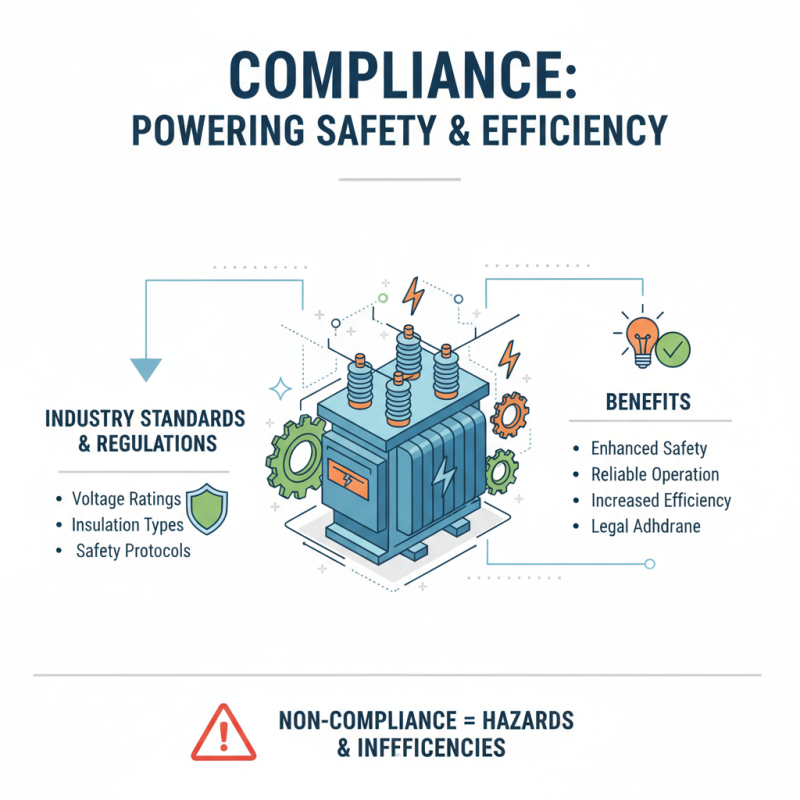
When selecting a distribution transformer, compliance with industry standards and regulations holds paramount importance. Adhering to these guidelines ensures that the transformer operates safely and efficiently. Regulatory bodies outline specific parameters like voltage ratings and insulation types, which manufacturers and users must follow. Ignoring these regulations can lead to serious safety hazards and inefficiencies in power distribution.
Moreover, understanding the local regulations can prevent costly delays. Each region may have its unique set of standards. For instance, some areas might require specific testing protocols before installation. Familiarity with these requirements can avoid potential setbacks. Conducting thorough research and consulting with experts can reveal common pitfalls in compliance. This step often requires perseverance and attention to detail.
While it may seem overwhelming, a meticulous approach to understanding standards can lead to better decision-making. Engaging with industry professionals can provide insights into best practices. However, always ponder the nuances of every regulation. The landscape is continually evolving, and staying informed is a necessary commitment for any project.
Considering Cost and Maintenance Factors in Transformer Choice
When selecting a distribution transformer, cost and maintenance are key factors. The initial investment can vary widely. A report from the Electric Power Research Institute reveals that transformers account for about 30% of total electrical distribution investments. Thus, understanding the long-term operational expenses is crucial.
Maintenance plays a vital role in ensuring longevity. According to the International Energy Agency, regular maintenance can reduce breakdowns by 20%. This can translate into significant savings when considering costs associated with unplanned outages. Transformers typically require oil testing, cleaning, and inspection at least every three to five years. Failing to adhere to these schedules could lead to larger issues down the line.
It's worth noting that not all maintenance practices are implemented uniformly. Some facilities may overlook minor repairs, leading to bigger and costlier failures. This inconsistent approach can impact both efficiency and costs significantly. A commitment to comprehensive maintenance practices can enhance reliability and overcome common pitfalls associated with transformer management.
2026 How to Choose the Right Distribution Transformer? - Considering Cost and Maintenance Factors
Innovative Design and Efficiency of the Combined Transformer Substation: An In-Depth Look at the American Type Solution
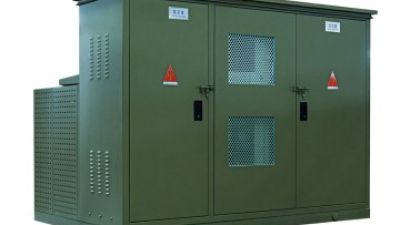
The modern energy landscape demands solutions that not only enhance efficiency but also prioritize innovative design. The American Type Combined Transformer Substation exemplifies these demands, featuring the ZGS Series, which serves crucial roles in 7.2/12kV ring main, dual-power, and terminal power supply systems. According to industry reports, the adoption of optimized power distribution solutions can enhance operational efficiency by approximately 20%, significantly reducing energy costs while ensuring reliable power delivery.
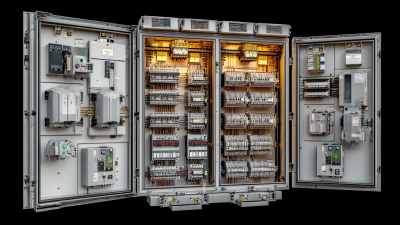
Designed to integrate high-voltage (HV) power distribution, metering, compensation, and protection, the ZGS Series is a remarkable achievement in transformer substation technology. The HV side boasts multi-position load switches and fuses, providing safety and versatility for various operational contexts. Conversely, the low-voltage (LV) section allows for customized power distribution modules, facilitating dynamic responses to the unique needs of industrial parks, commercial centers, and high-rise buildings. As noted in recent studies, such integrated systems can reduce the potential for downtime by up to 30%, proving their reliability in continuously evolving energy management scenarios.
Furthermore, the adaptability of the ZGS Series for both indoor and outdoor installations speaks to its practical application across diverse environments. As organizations increasingly seek to modernize their power infrastructure, the seamless integration of sophisticated functionalities within a compact design is crucial. This approach not only aligns with the growing regulatory emphasis on energy efficiency but also drives progress toward sustainable power solutions in urban development and industrial projects worldwide.
FAQS
: Transformer ratings indicate capacity and operational limits. Understanding them helps in making an informed choice.
The kVA rating shows power handling. It must match the application demand for proper functionality.
An efficient transformer reduces energy loss. This leads to significant cost savings over time.
Yes, some transformers have higher ratings but lower efficiency. Balance is crucial to avoid overspending.
Choose a transformer designed for variable loads. This consideration can help manage changing energy needs.
Compliance ensures safe and efficient operations. Ignoring standards can lead to hazards and inefficiencies.
Each region has unique standards. Familiarity with them prevents costly delays during installation.
Engaging with professionals provides insights. They can help highlight common compliance pitfalls.
Regulations evolve continuously. Staying informed is necessary for successful project execution.
It can be overwhelming. Attention to detail and perseverance are often required for thorough understanding.
Conclusion
Choosing the right distribution transformer is crucial for efficient electrical system management. Distribution transformers play a key role in stepping down voltage levels to be suitable for end users, thereby ensuring reliable power delivery. When selecting a transformer, it's essential to consider various factors such as load requirements, ratings, efficiency parameters, and compliance with industry standards.
Understanding the different types of distribution transformers and their specific applications can aid in making an informed choice. Additionally, evaluating cost and maintenance considerations is vital for long-term operational effectiveness. By carefully assessing these elements, decision-makers can optimize transformer selection to enhance the performance and reliability of electrical systems.