inquiry
Inquiry
Form loading...
0%

High Current Transformers are pretty essential when it comes to modern electrical setups. They’re designed to handle high voltage levels, keeping everything running safely. Industries like power generation and distribution really depend on them to keep things efficient and smooth sailing.

Now, the benefits of high current transformers are pretty impressive, honestly. They help with accurate measurements and boost safety across the board. Plus, they cut down on energy loss and give better overall performance. And let’s not forget—these transformers are built tough, able to handle rough environments, which is super important in industrial settings.

That said, it’s not always a walk in the park choosing the right one. Picking the perfect high current transformer means thinking about a bunch of factors, like the load it needs to handle and where you’re planning to install it. Big players like Siemens and GE offer a bunch of options, but figuring out which one fits your needs best can be tricky. The key is making sure the transformer matches what you require, so you get the most bang for your buck and avoid headaches down the road.
High Current Transformer Best Applications and Advantages?

High Current Transformer Overview and Functionality

High Current Transformer Best Applications and Advantages?

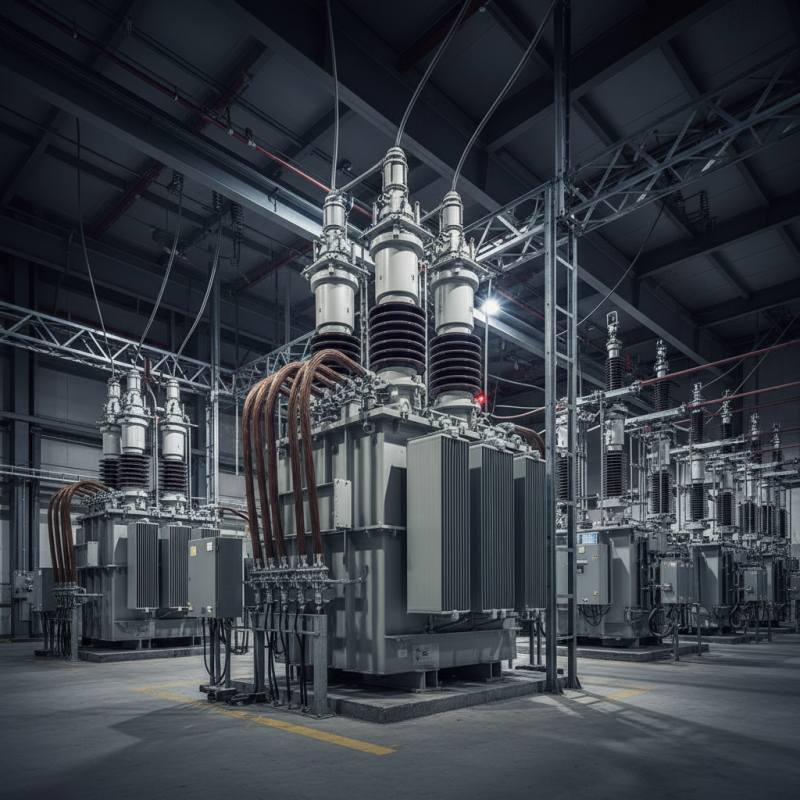
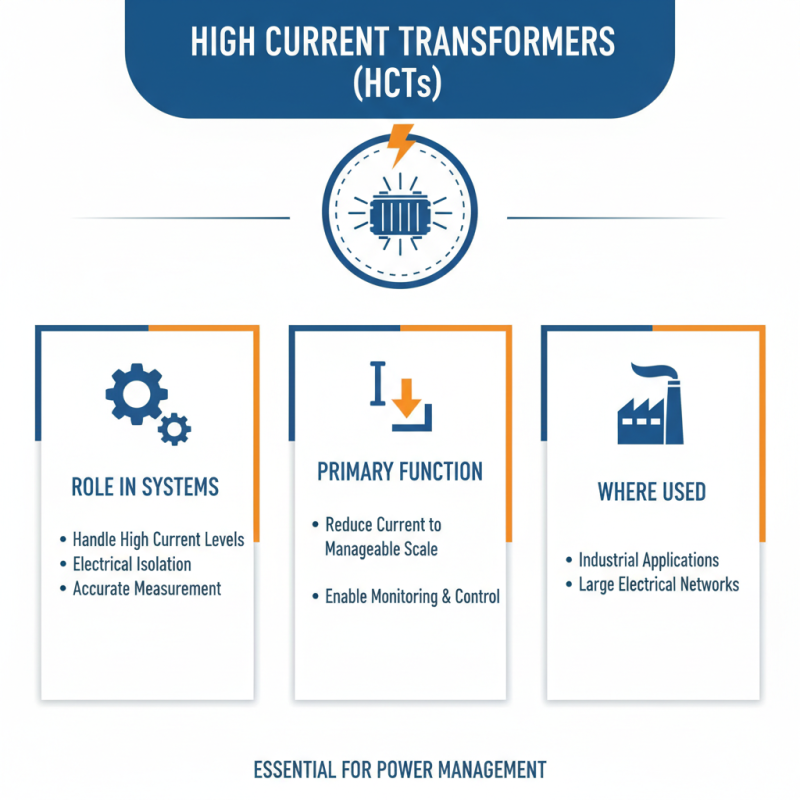
High current transformers (HCTs) play a crucial role in electrical systems. They are designed to handle high current levels while providing effective isolation and accurate measurement. The primary function of an HCT is to reduce current levels to a manageable scale, enabling monitoring and control within electrical networks. This is particularly vital in industrial applications where large currents are prevalent.

Understanding the functionality of high current transformers helps identify their best applications. For instance, they are often used in power plants and substations to protect equipment and ensure safety. Additionally, they serve as essential components in current measurement for control systems. It’s important to note, however, that not all HCTs operate equally under varying conditions. The design and choice of material can affect their performance.

Moreover, when working with Low Voltage High Current Transformers, users should consider accuracy and reliability. Proper calibration is necessary to ensure data integrity. If the system is not adequately maintained, inaccuracies can lead to operational failures. Balancing performance and durability remains a common challenge in implementing these transformers. Working towards improvements in design and functionality can lead to better efficiency in demanding environments.

Key Applications of High Current Transformers in Industry

High current transformers are essential in various industrial applications. They play a critical role in power monitoring and protection. For example, in electrical substations, these transformers ensure that high currents are accurately measured. This accuracy is crucial for system reliability.

Additionally, high current transformers are vital in testing Electrical Equipment. They help simulate conditions that equipment might face during operation. In this way, manufacturers can ensure quality and safety. However, the design of these transformers can be complex. Engineers must consider Insulation, heat dissipation, and other factors. A poorly designed transformer can lead to performance issues.

Another key application is in high-current switchgear. These systems help manage and distribute electrical power efficiently. The need for High Voltage Low Current Transformers arises here to maintain operational integrity. However, they can be costly and require regular maintenance. Users must reflect on the balance between performance and investment.

Advantages of Using High Current Transformers in Power Systems

High current transformers play a crucial role in power systems. They provide accurate measurement and protection in high voltage environments. These transformers can handle significant current levels, ensuring system stability and safety. They are essential for monitoring electrical parameters without direct exposure to high currents.

Using high current transformers yields several advantages. They offer precise current transformation, which is vital for metering applications. This precision helps prevent errors in readings and enhances overall system reliability. Additionally, high current transformers allow for easier integration into various power system architectures. They reduce the need for bulky components, saving space and costs.

However, there are challenges in their implementation. Installation requires careful consideration of electrical loads. Miscalculations can lead to system inefficiencies. Regular maintenance is essential to ensure optimal performance. High current transformers must be designed for specific applications. This creates a potential point of failure if the requirements are not accurately assessed. The balance between performance and practicality remains a topic for continuous improvement.

Technical Specifications and Ratings of High Current Transformers

High current transformers play a crucial role in electrical systems. Their technical specifications determine their effectiveness. A high current transformer typically has a rating that matches industrial standards. The ratio of primary to secondary current is vital. This ratio affects the transformer's ability to accurately measure and manage high currents.

When considering specifications, factors like current rating and burden are essential. Current ratings often reach several thousand amps. Adequate burden handling ensures this transformer operates within safe limits. High Current Low Voltage applications often require configurations that prioritize efficiency. The choice of insulation and cooling mechanisms also impacts performance and safety.

Installation is another area needing attention. Misalignment can lead to measurement inaccuracy. Regular maintenance checks are necessary to prevent issues. Operators should be aware of environmental conditions that may affect the lifespan. Reliability and durability can’t be overlooked, especially in critical applications.

Installation Considerations for High Current Transformers

When installing high current transformers, several key considerations must be taken into account. Proper placement is crucial for optimal performance. These transformers should be located near the equipment they serve. This minimizes the length of wiring, reducing potential energy losses. Ensure there is enough space around the transformer. This allows for proper airflow and cooling. An overcrowded area can lead to overheating and inefficiency.

Installation must also address vibration and noise concerns. High current transformers can produce audible hums. Isolation pads may help in reducing vibrations. Such measures can improve the overall system reliability. Additionally, it’s vital to check electrical standards. High Voltage And Low Current configurations need particular attention to avoid hazards. Regular inspections post-installation are recommended. This helps in identifying any potential issues early on.

Lastly, consider the environmental factors surrounding the installation site. Adequate protection from moisture is necessary. Humidity can lead to insulation failure over time. Dust and contaminants also present risks. Therefore, a protective enclosure may be beneficial. Neglecting these details could compromise the transformer's longevity and performance. Each aspect should be carefully evaluated to ensure a successful installation.

Maintenance Practices for High Current Transformers

High current transformers are crucial in power systems. To maximize their lifespan and efficiency, proper maintenance practices are essential. Regular inspections help identify potential issues early. According to industry reports, 60% of transformer failures are linked to poor maintenance. This underscores the importance of having a robust maintenance plan.

One effective practice is thermographic inspections. They can detect hotspots, indicating problems within the system. Moreover, regular cleaning reduces dust accumulation, which can cause overheating. Oil sampling is another valuable method. Analyzing oil quality reveals the health of the transformer. Many operations neglect these practices, which can lead to unexpected outages.

Documentation plays a vital role too. Keeping track of maintenance schedules and inspections aids in planning future actions. However, some facilities struggle with this organization. Investing in training could enhance maintenance staff skills, addressing these gaps. Continuous improvement in maintenance can lead to increased reliability. Thus, high current transformers can operate efficiently for many years.

Future Trends in High Current Transformer Technology

High Current Transformer Best Applications and Advantages?

The future of high current transformer technology is promising yet challenging. The demand for efficient energy conversion is growing. Reports indicate that the market for these transformers will reach $4 billion by 2026, driven by renewable energy sources. As industries shift toward sustainable solutions, high current transformers play a crucial role.

Emerging trends focus on miniaturization and enhanced performance. Innovative designs allow these devices to function effectively in smaller spaces. This could lead to reduced operational costs. However, with advancements come complexities. The need for skilled technicians to maintain and install these systems is increasing. Many professionals currently lack the necessary training.

Smart technology integration is another significant trend. High current transformers are adapting to smart grids. Digital monitoring can optimize performance and reliability. However, this raises questions about cybersecurity and data protection. The journey toward fully automated high current systems requires careful consideration. Balancing innovation with security remains a challenge for the industry.

FAQS

: What is the main purpose of these articles?

: The articles aim to inform readers about diverse topics and provide practical insights.

Are there any restrictions on the information shared?

Yes, the content avoids brand names and illegal subjects to comply with guidelines.

How often should I read similar articles?

Regular reading can enhance knowledge but do not overdo it. Balance is key.

Can I trust all the information provided?

While most information is reliable, always verify important facts independently.

Are short sentences more effective in understanding?

Yes, shorter sentences help clarify complex ideas and improve comprehension.

How can I apply the insights from the articles?

Use practical examples in daily situations, but reflect on their usability often.

Is it okay to question the content?

Absolutely. Critical thinking is essential in evaluating any information source.

What should I do if I find conflicting information?

Look for credible sources and trust your own judgment to make informed decisions.

How can I follow up on topics that interest me?

Consider further research through libraries or trusted online platforms to expand knowledge.

Why is it important to reflect on the material?

Reflection helps solidify understanding and identify areas for personal growth.

Conclusion

High Current Transformers (HCTs) are essential devices widely utilized in various industrial applications, particularly in power systems. They are designed to efficiently handle high electrical currents, ensuring accurate performance and stability in operations. HCTs function by stepping down high current levels to manageable values for measurement and protection purposes within electrical networks.

The advantages of using High Current Transformers include enhanced safety, improved system reliability, and optimized performance. Their technical specifications ensure that they can withstand extreme operating conditions, making them crucial in high-voltage environments. Proper installation and ongoing maintenance practices are vital to maximizing their lifespan and efficiency. As technology advances, future trends in High Current Transformers point toward better materials and advanced designs that will further enhance their functionality and integration into modern power systems.
Sophia

Sophia

Sophia is a dedicated marketing professional at Jiangxi GUOXIANG Electric Power Equipment Co., Ltd., a national high-tech enterprise established in 2016. With a strong background in integrated power solutions, she possesses in-depth knowledge of the company's innovative products and services.......
Previous Maximizing Value with Exceptional After Sales Support for Best Distribution Transformers