Hey there! In today’s fast-changing world of power management, getting your Distribution Cabinet installed and running smoothly is more important than ever for keeping your electrical systems efficient. Did you know that, according to a recent report from MarketsandMarkets, the global market for electrical distribution equipment is expected to hit around USD 176.4 billion by 2025? That just shows how much everyone’s looking for smarter, more innovative solutions in energy management.
Here in Jiangxi, we at Jiangxi Guoxiang Electric Power Equipment Co., Ltd., have been around since 2016 and are based right in Jiangxi Province. We’re really at the forefront of this change, focusing on providing integrated power solutions. We handle everything from R&D and manufacturing to sales and engineering support. Our goal is to use the latest technology to help businesses manage their electrical setups more effectively, all while following industry standards and boosting overall performance.
This guide is meant to give you some practical tips and insights to help you successfully install your Distribution Cabinet — setting the stage for solid, efficient electrical management that works for you.
Understanding the Basics of Distribution Cabinets in Electrical Systems
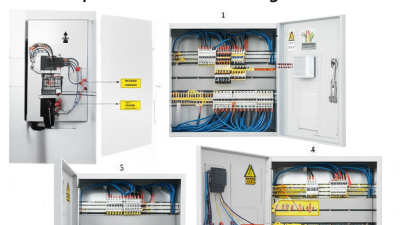
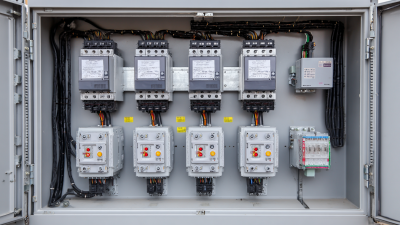
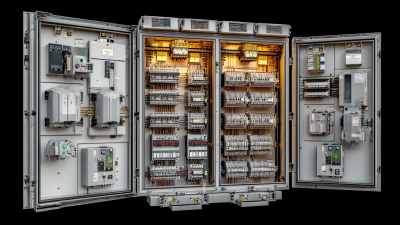
Distribution cabinetsare pretty much the backbone of any electrical system. They act as the main hub where all the incoming and outgoing circuits connect. Basically, they’re there to protect your equipment, distribute power smoothly, and keep everyone safe with Circuit Breakers and fuses. Did you know that, according to theIEC, if these cabinets are installed properly, they can cut down electrical faults by up to 30%? That really highlights just how critical they are for keeping things running without hiccups—and saving you from those costly repairs.
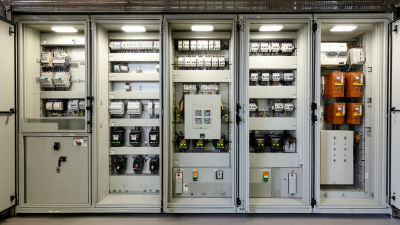
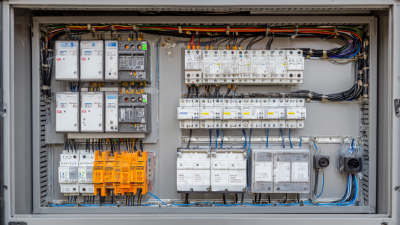
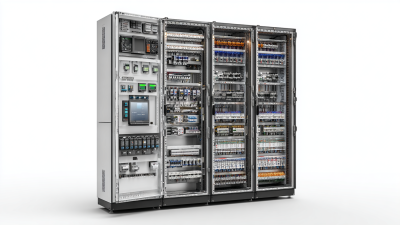
Getting a handle on what distribution cabinets are all about means knowing some of their key parts—stuff like busbars, circuit breakers, and control panels. The NEMA reports that about 60% of electrical failures happen because of poor distribution practices. So yeah, choosing the right size and setup for your cabinet based on how much power you need isn’t just about saving space; it actually makes your whole system last longer and work better. If businesses stick to best practices and industry standards, they can really improve how they manage their electrical systems and keep operations smooth as butter.
Choosing the Right Location for Your Distribution Cabinet Installation
Choosing the right spot for installing your distribution cabinet isn't something to just rush through — it really makes a difference in how smoothly everything runs. First off, think about how easy it will be to get to the cabinet. You want to place it somewhere accessible, so routine checks or emergency fixes don’t turn into a hassle. Steer clear of cramped or hard-to-reach places because those can cause unnecessary headaches down the line.
Also, take a good look at the environment around your chosen spot. It should be dry, away from excessive humidity or moisture, because these can seriously mess with the electrical parts. Oh, and avoid setting it up in high-traffic areas or near heavy machinery—that’s just asking for accidental bumps or damage.
Heads-up: Before you lock in that spot, think about whether your needs might grow in the future. Picking a space that can handle extra circuits or appliances means fewer headaches later on. And don’t forget to double-check that your installation complies with local codes and regulations—trust me, that’ll save you from costly fixes later on.
Essential Tools and Materials Needed for Cabinet Setup
When you're installing a distribution cabinet, having the right tools and materials on hand really makes a difference—both for getting the job done efficiently and keeping things safe. Stuff like a voltage tester, a torque wrench, and wire strippers are pretty much essential. I remember reading in a report by the National Electrical Manufacturers Association (NEMA) that using the wrong tools can actually bump up installation time by around 30%. Not only does that slow things down, but it also ups the chances of making mistakes that could mess with the entire electrical system. A voltage tester, besides making sure there's no dangerous current running, also adds an extra layer of safety while you're working on it.
And let’s not forget, picking good quality materials is just as important as having the right tools. For example, using circuit breakers that are rated correctly and high-quality cables helps prevent malfunctions and reduces the chances of power outages. The Electrical Safety Foundation International even points out that nearly 30% of electrical failures stem from subpar materials. So yeah, it’s really worth sourcing components from reputable manufacturers to make sure everything meets industry standards.
Bottom line? Investing in good tools and top-notch materials isn’t just smart—it’s absolutely necessary if you want the job done right and keep things running smoothly in the long run.
Step-by-Step Guide to Installing Your Distribution Cabinet Properly
Setting up a distribution cabinet the right way can really make a difference in how you manage your electrical systems, especially now with electric vehicles and all their charging needs becoming so popular. As cities adapt to this shift towards more sustainable transport, we’re seeing more and more dedicated charging spots popping up. For example, there are now big charging stations designed specifically for e-bikes, which is pretty awesome because they help reduce range anxiety and give riders a quick, hassle-free way to top up. When you're getting ready to install your distribution cabinet, it’s a good idea to pick a spot that fits these modern needs and makes everything work smoothly.
In this step-by-step guide, I’ll walk you through some key points to keep in mind. First off, check out your local rules and make sure you've got the right permits—cities like New York, for instance, have specific guidelines now for putting charging stations on sidewalks. Next, evaluate your electrical setup; you’ll want to make sure it can handle the additional load. Also, think about the layout—place it in a spot that's easy to access for maintenance and user convenience. Getting these things right will help you set up an efficient, future-proof electrical management system that keeps pace with the changing needs of your community.
Common Mistakes to Avoid When Installing a Distribution Cabinet
When you're installing a distribution cabinet, it’s super important to steer clear of some common mistakes that can cause issues down the line—stuff like inefficiencies or even safety hazards. One big error people often make is choosing the wrong size of the cabinet. If it’s too small, things can overheat, and the electrical parts might not last very long. On the flip side, going for a cabinet that’s way too big can make maintenance a pain and waste energy. So, taking a good look at your current and future electrical needs is definitely the way to go to pick the right size.
Another mistake to watch out for is ignoring proper ventilation. Without enough airflow, the inside of the cabinet can heat up, which isn’t great for the equipment inside. Making sure there are enough vents or even adding some fans can really help keep everything cool and working smoothly. Also, don’t forget to secure the cabinet properly—if it’s not anchored well, it could be exposed to dust, moisture, or even physical hits. Using solid seals and good mounting methods helps ensure it stays protected and keeps running reliably for the long haul.
Complete Guide to Installing a Distribution Cabinet for Optimal Electrical Management - Common Mistakes to Avoid When Installing a Distribution Cabinet
| Mistake | Description | Consequences | Prevention Tips |
| Incorrect Sizing | Choosing a cabinet that is too small for the load. | Overheating and potential failure of electrical components. | Calculate current load requirements accurately before selecting a cabinet. |
| Poor Ventilation | Insufficient airflow inside the distribution cabinet. | Increased heat build-up leading to component damage. | Ensure adequate ventilation or use fans if necessary. |
| Lack of Grounding | Failing to properly ground the cabinet. | Increased risk of electric shock and equipment damage. | Follow grounding standards and best practices during installation. |
| Inadequate Cable Management | Messy wiring and lack of organization. | Difficulty in troubleshooting and maintenance. | Implement structured cable management practices from the start. |
| Ignoring Manufacturer Instructions | Not following the specific guidelines provided. | Increased risk of improper setup and safety hazards. | Always read and adhere to the manufacturer’s installation instructions. |
Maintenance Tips for Optimal Performance of Your Distribution Cabinet
Keeping your distribution cabinet in good shape is actually pretty important if you want your electrical setup to run smoothly. Doing regular check-ups isn’t just about making your gear last longer — it’s also about keeping everything safe and reliable. So, here are some simple tips to keep in mind.
First off, make sure you’re doing routine inspections. Check for any signs of wear and tear, loose connections, or spots that seem to be overheating. These small issues can turn into big problems later on. Also, don’t forget to keep the inside of the cabinet clean — dust and debris can block airflow and cause overheating, which no one wants.
Another thing is to test your circuit breakers and fuses regularly. This way, you catch any little hiccups before they turn into a full-blown outage. At Jiangxi Guoxiang Electric Power Equipment Co., Ltd., we always stress the importance of ongoing maintenance with our integrated power solutions — because a well-maintained distribution cabinet just works better. If you stick to these tips, you’ll keep your system running smoothly and improve the overall reliability of your electrical setup.
Distribution Cabinet Maintenance Performance
This chart represents various maintenance tasks completed over a span of months for a distribution cabinet to ensure optimal electrical management. Regular maintenance checks, cleaning, and component inspections are crucial for long-term performance.
FAQS
: The location is crucial for optimal electrical management, ensuring easy access for maintenance and inspections, and avoiding areas that can lead to inefficiencies.
The location should be dry and free from excessive humidity or moisture to protect the electrical components, and should be away from potential hazards like high traffic zones.
Evaluate the potential for future electrical needs and select a space that can accommodate additional appliances or circuits.
Review local codes and regulations regarding electrical installations, particularly any guidelines related to installing specialized charging stations, to avoid costly modifications later.
Regularly inspect for wear or damage, keep the cabinet clean, and conduct routine testing of circuit breakers and fuses to identify potential failures.
Ongoing maintenance ensures the longevity and reliability of your equipment, enhancing the safety and performance of your electrical systems.
Investigate potential causes promptly, as overheating can indicate loose connections or other significant issues that may disrupt operations.
Keeping the cabinet clean prevents overheating and ensures proper airflow, which is essential for maintaining optimal performance.
When preparing for installation, choose a location that can handle the growing needs, such as electric vehicle charging solutions, to maximize functionality.
Look for loose connections, signs of wear or damage, and overall cleanliness to maintain efficiency and prevent major issues.
Conclusion
Hey there! So, if you're diving into installing Distribution Cabinets, this guide's got your back. We’ll walk you through the essentials—what these key components are all about in electrical systems—and why getting to know the basics really makes a difference in how well your electrical setup runs. Choosing the right spot to install your cabinet isn’t just about convenience; it can seriously affect performance, so we cover tips on that too. We've put together a handy list of tools and materials you'll need to get everything set up smoothly, plus a simple step-by-step process to make sure you don’t miss anything important. Oh, and we’ll also point out some common pitfalls so you can steer clear of mistakes, plus share a few maintenance tricks to keep everything running perfectly over time.
Here at Jiangxi Guoxiang Electric Power Equipment Co., Ltd., we really believe that a properly installed Distribution Cabinet is a game-changer for Reliable Power delivery. Since launching in 2016, we’ve been dedicated to providing top-notch R&D, manufacturing, and engineering services—basically, all the support you need for managing your electrical systems confidently. Our goal with this guide? To give you the knowledge and confidence to install your cabinet safely and effectively, so your electrical setup is in good hands.