Hey there! You know, in today’s fast-changing tech world, keeping our homes safe has really become more important than ever. Low Voltage Circuits are turning out to be a pretty big deal when it comes to boosting home safety. Fun fact: studies show that about 70% of electrical accidents happen right in our homes—that’s a huge chunk, right?
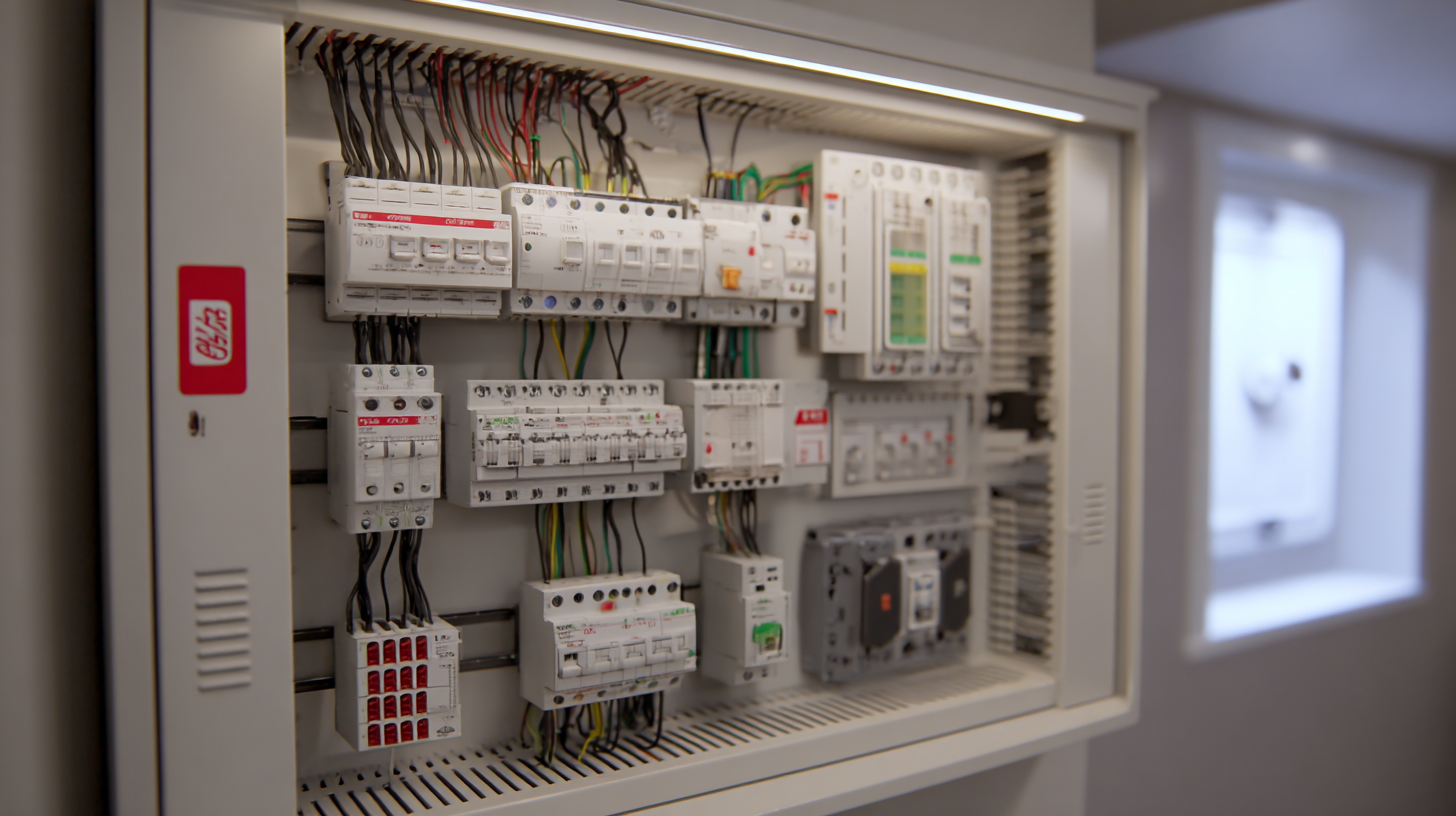
Jiangxi Guoxiang Electric Power Equipment Co., Ltd., started back in2016, is actually leading the charge with this stuff. They offer integrated power solutions that focus on safety and making things more efficient. As a national high-tech firm, they’re all about researching, developing, manufacturing, and providing engineering services around Low Voltage Circuit tech. By taking advantage of these solutions, homeowners can seriously cut down on risks like electrical hazards, making their homes a lot safer. In this guide, we’re gonna walk through some practical ways to improve home safety by using Low Voltage Circuit applications effectively—trust me, it’s easier than you might think!
Low voltage circuits are actually a pretty smart way to make your home safer by tackling some of the common electrical hazards. You know, stuff like electrical shocks—that can happen if wiring gets damaged or if things aren’t installed quite right. Using low voltage solutions really helps cut down those risks. For example, low voltage lighting isn’t just about saving energy; it’s also safer to set up because even if something goes wrong, the risk of serious injury is way lower than with regular high-voltage systems.
And here’s another cool thing—low voltage circuits can be integrated into your home security setup too. That means less chance for fires caused by traditional wiring. Our friends at Jiangxi Guoxiang Electric Power Equipment Co., Ltd. specialize in these kinds of integrated power solutions. They do everything from research and development to actual engineering work. We’re here to help evaluate your current electrical system and suggest low voltage options that boost safety while keeping things modern and up-to-date. Bottom line: It’s all about making your home safer and more reliable, without sacrificing convenience or technology.
This chart illustrates the common safety hazards found in homes that can be addressed using low voltage circuit solutions. The data showcases the percentage of homes affected by each hazard.
Switching to low voltage circuit solutions is a real game-changer when it comes to making your home safer. Not only do they offer reliable protection, but they also help manage energy more efficiently. You've probably heard about low voltage direct current (DC) systems becoming more popular—and for good reason. They can cut down energy losses by as much as 30% compared to the traditional AC setups we’re all used to. That means saving some cash on your electricity bill and giving the environment a little break too.
On top of that, these low voltage systems can easily be integrated with modern home security setups, making sure your power stays steady and safe. Think about devices like residual current protective devices (RCDs)—they’re like the safety net that prevents dangerous shocks and makes your electrical system more reliable. And with the rise in energy storage options—especially the surge in lithium-ion batteries—using low voltage circuits isn’t just about efficiency anymore. It’s about keeping your home safer in the long run, too.
It’s pretty clear that switching over to low voltage solutions is a smart move—saving money, protecting your family, and helping out the environment all at once. It’s all about making our homes smarter and safer, you know?
So, implementing smart lighting in your home can really boost your security in a big way. These new gadgets aren’t just about turning lights on and off—they’re packed with smart features that can automatically adapt to keep you safe. With the smart home market booming — I mean, it's projected to jump from around $33 billion in 2025 all the way up to nearly a trillion dollars by 2032 — having intelligent lighting is more important than ever. These systems aren’t just convenient or energy-efficient; they actually tie into your security setup too. Think motion sensors, remote access—you name it—so you can always keep an eye on your place, no matter where you’re at.
The tech behind smart homes is really taking off, especially when it comes to security. Automating your lights to match typical occupancy patterns can throw off would-be intruders, making your home look like someone’s usually home—pretty clever, huh? Plus, these smart lights often work hand-in-hand with high-def security cameras. The market for security cams is also exploding—from roughly $80 billion in 2025 to over $520 billion by 2033. And with features like facial and object recognition, you can easily spot visitors or respond quickly if something seems off. Overall, smart lighting is becoming a key piece of the puzzle when it comes to keeping your home safe and sound nowadays.
So, when you combine alarm and monitoring systems using low voltage wiring, it really boosts your home’s safety without making things super complicated or expensive. These low voltage circuits—usually around 12 or 24 volts—are pretty easy to add into your house because they don’t require ripping out walls or doing a ton of electrical work. That means you can smoothly add stuff like motion detectors, door and window sensors, or even security cameras without messing up your home’s look. It’s a win-win since your place stays safe and still looks good.
Plus, using low voltage wiring is great for keeping your data flowing reliably between devices. You’ll get real-time alerts straight to your phone or security company, which is pretty neat. As tech keeps evolving—think smart home features and integrated sensors—these low voltage setups offer loads of flexibility. You can customize your security system exactly how you want, making sure it’s not only effective but also super convenient for everyday life. All in all, going with low voltage wiring is a smart move for families wanting a safer, more tech-savvy home without all the hassle or cost. It’s like blending safety and modern convenience in one package, you know?
Thinking about boosting safety in your home with low voltage circuit setups? Picking the right materials and parts is definitely a big deal. I mean, did you know that the National Fire Protection Association (NFPA) reports that around 25,000 home fires happen every year because of electrical failures? That really highlights how important it is to use quality electrical components. When you go with materials made for low voltage stuff, it can really help cut down on the risks like short circuits or other electrical issues.
Here’s a good tip: always go for UL-listed materials. These have been tested and proven safe, which means they’re designed to handle the voltage and current you'll be working with. Trust me, this little detail can make a big difference in preventing overheating or failures down the line.
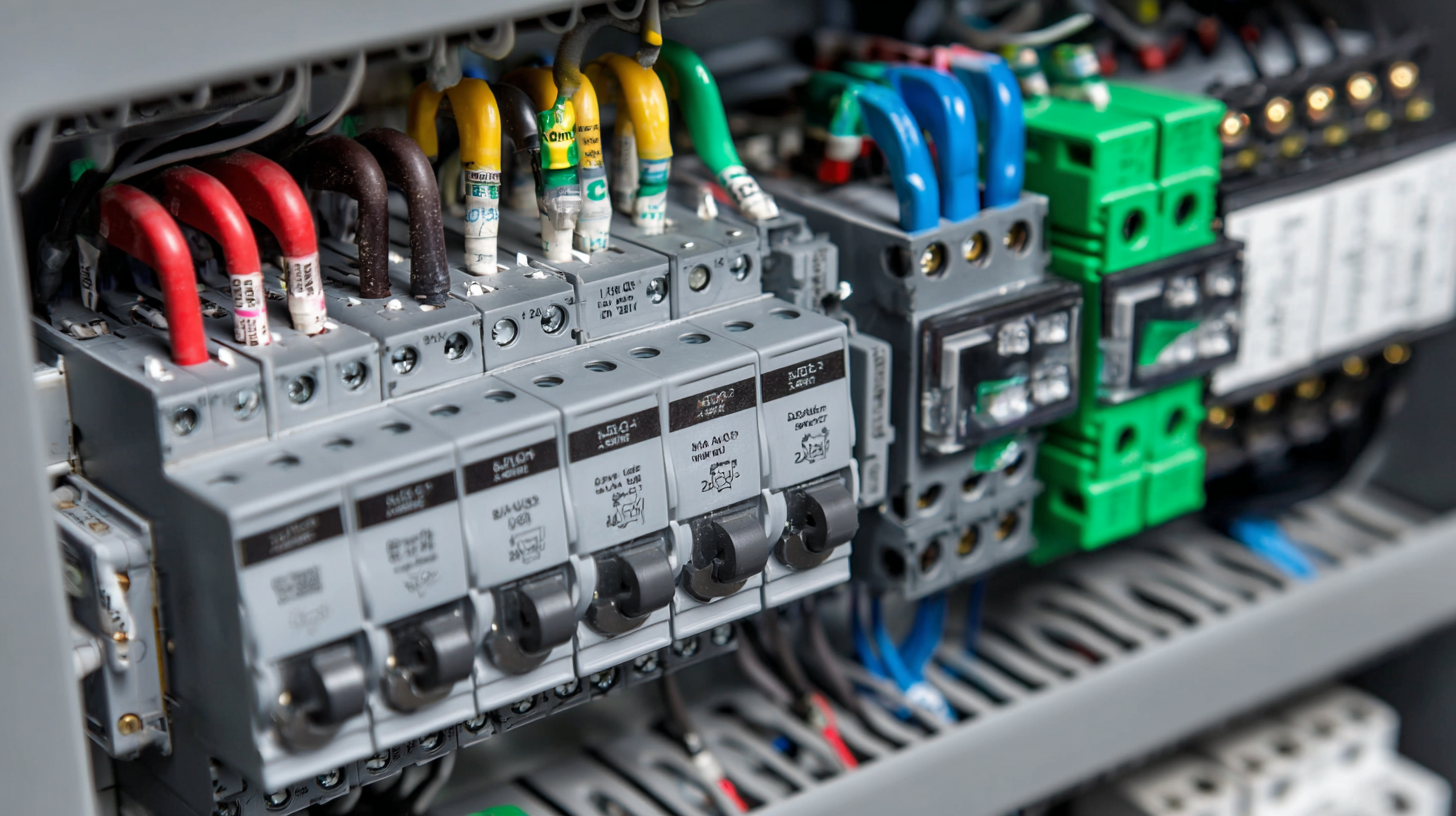
When you’re installing your low voltage systems, think about protecting your wiring with conduit or cable trays. The National Electrical Manufacturers Association (NEMA) suggests using conductors rated for at least 60°C—that’s just to make sure the Insulation doesn’t break down over time. Also, using the right connectors and terminals that match your system can really boost its lifespan and reliability.
And here’s another thing: make it a habit to check your setup regularly. Look out for things like frayed wires or loose connections—that way, you keep everything safe and running smoothly without surprises.
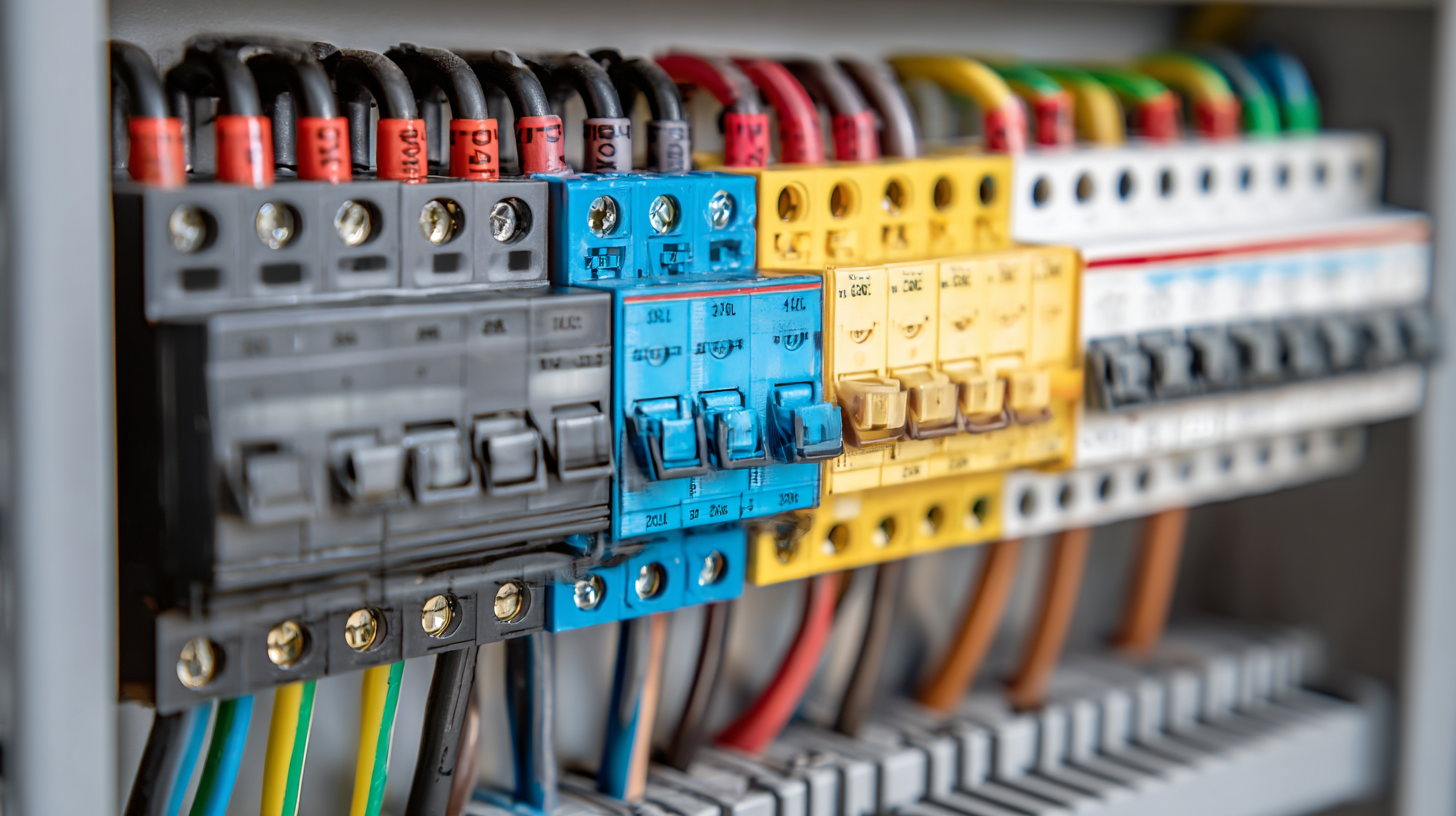
You know, staying on top of regular maintenance is key to keeping your home’s low voltage circuits safe and reliable. Honestly, the numbers speak for themselves—about a quarter of house fires, according to the folks over at the National Fire Protection Association (NFPA), are caused by electrical issues like faulty wiring or circuit problems. Because of that, it’s a good idea to set up a routine check-up for your electrical system. Take a peek at the wiring, connectors, and devices once in a while to see if anything looks worn out or out of place. Also, make sure your Circuit Breakers aren’t overloaded and are working properly—that’s a simple but crucial step to avoid potential hazards.
And hey, while doing your own inspections is great, bringing in a pro—like a certified electrician—can really help spot issues you might miss. The Electrical Safety Foundation International (ESFI) suggests that ongoing training and following the National Electrical Code (NEC) standards can seriously boost your circuit safety game. It’s also smart to test your GFCIs once a year and swap out outdated parts to keep everything in check. By staying on top of maintenance and following industry tips, you’re basically doing your part to cut down on electrical accidents and make your home a safer place to be.
| Maintenance Tip | Frequency | Tools Required | Safety Tip |
|---|---|---|---|
| Inspect Circuit Connections | Monthly | Screwdriver, Multimeter | Ensure power is off before inspection |
| Clean Circuit Breakers | Quarterly | Brush, Vacuum | Avoid moisture while cleaning |
| Test GFCI Outlets | Monthly | None | Keep the area dry during testing |
| Check for Overheating | Monthly | Infrared Thermometer | Do not touch hot surfaces |
| Inspect Wiring for Damage | Annually | Visual Inspection Tools | Consult a professional if unsure |
: Common safety hazards in home electrical systems include electrical shock from damaged wiring or improper installations, and fire hazards associated with traditional wiring methods.
Low voltage circuits minimize risks such as electrical shock and fire hazards, as they operate at safer voltage levels and are easier to install, enabling homeowners to create a safer environment.
Low voltage lighting systems provide safe illumination without the dangers of high voltage, are safer to install, and reduce the likelihood of severe injuries in the event of a fault.
Smart lighting systems enhance home security by automating lighting to mimic occupancy patterns, deterring intruders, and integrating with security measures like motion sensors and remote monitoring.
The smart home market is projected to grow from $33.26 billion in 2025 to $994 billion by 2032, highlighting the increasing importance of smart home solutions for security and safety.
Alarm and monitoring systems can be integrated using low voltage wiring, which allows for the seamless incorporation of devices like motion detectors and cameras without complex installation.
Low voltage wiring simplifies installation, reduces costs, provides a reliable data transmission pathway, and facilitates real-time monitoring and alerts to smartphones, enhancing home security.
Yes, homeowners can customize their security setups with low voltage solutions, allowing them to tailor safety measures to their personal needs and preferences, ensuring both effectiveness and convenience.
Making your home safer is totally doable with low voltage circuit setups. These systems are pretty good at spotting common safety issues and actually come with a bunch of perks — like boosting your security and saving energy. By adding smart lighting and alarm monitoring, you can really step up your home security game and make sure everyone around stays safe.
Of course, picking the right parts and materials for your low voltage wiring is super important if you want things to stay reliable and work well in the long run. And don’t forget, doing regular checkups on your systems keeps everything running smoothly and safely. Jiangxi Guoxiang Electric Power Equipment Co., Ltd., is a high-tech company from across the country, and they’re all about providing top-notch integrated power solutions. They’re here to help homeowners like you build a safer, more efficient home with innovative low voltage tech.