Electric Distribution Lines, those less flashy but absolutely vital parts of our energy system, are what keep the lights on day in and day out. Did you know that about 90% of our electricity distribution stuff is made up of these lines? That’s a huge chunk! As Dr. William Shultz puts it, these lines are basically the backbone of our energy setup — they connect power plants to your house or office, making sure you get that juice when you need it. Pretty crazy when you think about it, right?
Most of us don’t give them much thought—until they go down, of course. But if the distribution network isn’t reliable, we’re looking at outages and lower service quality. There are some tough challenges too, like how a lot of these lines are pretty old now, and climate stuff isn’t making things any easier. Storms, heat, cold—they all add stress, which means more repairs and higher costs.
So here’s the real question the industry’s wrestling with: how do we modernize these lines to keep up with rising demand, without breaking the bank? Mixing new tech with the old systems isn’t a walk in the park, and funding isn’t always there when you need it. But we definitely need upgrades, and when we do, adding innovative solutions is a must. Only then can we really ensure a steady, efficient energy future for everyone — no matter where they are or what’s happening outside.
What is an Electric Distribution Line?
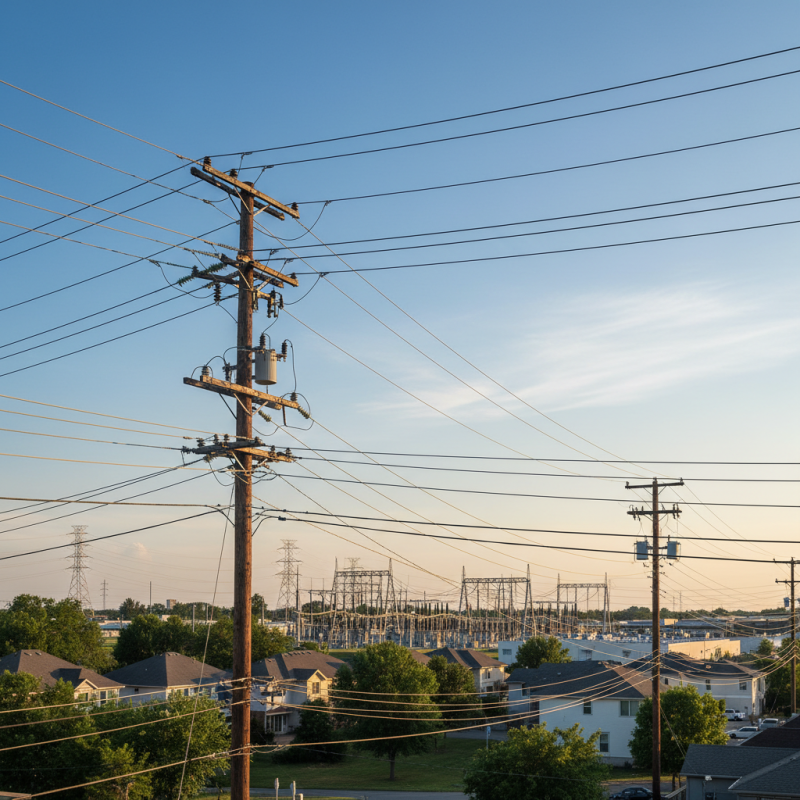
An electric distribution line serves a vital role in delivering electricity from substations to homes and businesses. These lines carry voltage that is safe for everyday use. They come in two main forms: overhead and underground. Overhead lines are often seen strung between utility poles. They are exposed to elements like wind and rain. This can lead to wear and tear over time.
Underground lines offer a more reliable option but can be expensive to install and maintain. They hide below the surface, minimizing disruptions from weather. However, this also means that any faults can be harder to detect and repair. Utility companies face challenges in managing these systems effectively. Routine inspections can be costly. They may not catch issues until they cause outages.
Distribution lines need careful monitoring. Aging infrastructure may struggle to meet rising demand. As cities grow, electricity consumption increases. This raises questions about future capacity. Enhancing these systems is essential, but the path isn't always clear. Balancing cost, safety, and reliability requires thoughtful planning. This ongoing challenge needs attention to ensure everyone gets their power smoothly.
Electric Distribution Lines by Voltage Level
The Components of Electric Distribution Lines
Electric distribution linesare crucial for delivering electricity to homes and businesses. They connect the High Voltage transmission networks to local users. Understanding their components helps demystify how electricity reaches us.
At the heart of these lines are Transformers. They reduce high voltages to safer levels. Attached to poles, these devices often sit in rows along streets. Insulators are crucial too. They prevent electrical currents from escaping. These aren’t just random pieces; they need to resist weather conditions while ensuring efficiency.
Conductors, the wires carrying electricity, are typically made of aluminum or copper. They need to be thick enough to handle large amounts of current. The design isn’t always perfect. Sometimes, lines sag or even touch obstacles. This can cause outages. Then, there are support structures like poles, which must be sturdy. They withstand wind and rain but can rot over time. Regular maintenance is essential, yet often neglected, making the system vulnerable.
How Electric Distribution Lines Transmit Power Efficiently
Electric distribution lines are vital for delivering power to homes and businesses. These lines carry electricity from substations to various end-users, ensuring everyone has access to energy. The complexity of this system is often overlooked. However, each step in the transmission process is crucial for efficient energy delivery.
Transmitting power efficiently requires careful design and maintenance of distribution lines. These lines must minimize energy loss while handling varying loads throughout the day. High-voltage transmission helps reduce resistive loss, but it can be challenging to manage in densely populated areas. This can lead to issues such as outages or fluctuating power supply. Regular inspections and upgrades are necessary to keep the system reliable and effective.
Interesting to note, water-saturated ground can affect the performance of these lines. Uneven terrain may cause cables to sag, risking contact with trees or other obstacles. Engineers often find ways to mitigate these risks, yet challenges remain. Ongoing assessments are essential to ensure that electric distribution lines operate smoothly and meet the needs of the community.
The Role of Voltage Levels in Distribution Systems
Voltage levels play a crucial role in electric distribution systems. They determine the efficiency and safety of electricity delivery. High voltage levels are essential for transmitting energy over long distances. This reduces energy loss during transmission. When the electricity reaches local distribution points, it is transformed to lower voltages for safe consumption.
Electric Line Transformers are pivotal in this process. They step down high voltages to levels suitable for households and businesses. The transformation occurs at various points in the network. Understanding this helps in planning and maintaining distribution systems more effectively. Lower voltage levels enable safe usage in residential areas, minimizing the risk of electric shocks. However, improper handling or faulty transformers can lead to severe issues.
Moreover, challenges arise from fluctuating demands and maintenance needs. Aging infrastructure may struggle to cope with peak loads. Often, electricity can become unstable. This emphasizes the need for regular inspections. Awareness of voltage levels and their implications for safety is vital. Each distribution system must adapt to its local challenges. Proper implementation of Electric Line Transformers can greatly enhance reliability and efficiency.
What is an Electric Distribution Line and How Does It Work? - The Role of Voltage Levels in Distribution Systems
| Voltage Level (kV) | Typical Use | Main Components | Transmission Distance (miles) | Losses (%) |
| 4 kV | Local Distribution | Transformers, Conductor Wires | 1-3 | 6-10 |
| 12 kV | Suburban Distribution | Switchgear, Capacitors | 5-10 | 4-8 |
| 25 kV | Urban Distribution | Transformers, Circuit Breakers | 10-20 | 2-5 |
| 33 kV | Regional Distribution | Feeder Lines, Distribution Substations | 20-40 | 1-3 |
| 69 kV | High Voltage Distribution | Substations, Bus Bars | 40-70 | 0.5-1.5 |
Electric Distribution Line Safety Standards and Regulations
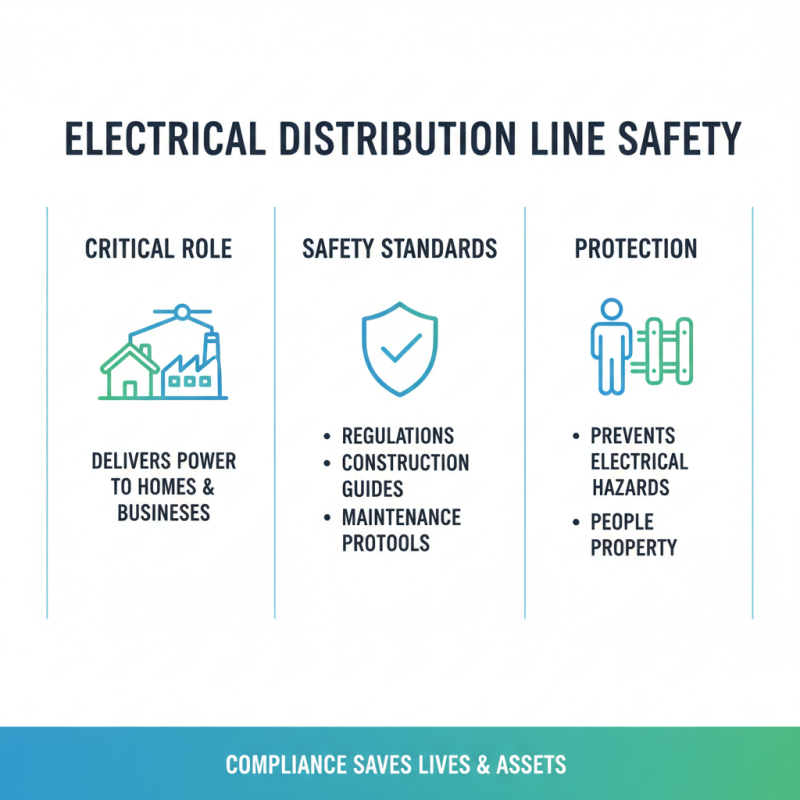
Electric distribution lines are critical for delivering power to homes and businesses. However, safety is paramount when it comes to these systems. Various standards and regulations guide the construction and maintenance of these lines. Compliance with these standards helps protect people and property from electrical hazards.
Electric distribution lines must meet specific clearances and grounding requirements. Workers often face challenges. Conditions can be unpredictable. Regular inspections are necessary. Safety protocols should not be ignored or rushed. Training helps to ensure that employees understand these risks. Power Line Transformers play a significant role in regulating voltage levels along the distribution line. They convert high-voltage electricity to a lower level that's safe for consumer use.
Despite these safety measures, accidents can happen. Overhead lines can be affected by weather, vegetation, or even wildlife. A lack of awareness contributes to mishaps. Educating the public about dangers enhances safety. Understanding electric distribution lines and their regulations is vital. Awareness of safety practices can prevent incidents. Everyone should strive for a safer environment around power infrastructure.
Impact of Electric Distribution Lines on Urban Development
Electric distribution lines play a vital role in urban development. They are essential in delivering electricity to homes, businesses, and industries. In many cities, Low Voltage Power Lines create an intricate network. This network powers everything from streetlights to public transit systems. However, the placement and construction of these lines can shape urban landscapes in significant ways.
As cities expand, planners often overlook the impact of electric distribution lines. Streets are designed with aesthetic appeal in mind, but utility lines sometimes disrupt this vision. Residents may feel that the presence of overhead lines detracts from the beauty of their environment. Moreover, underground lines are costly and can increase construction delays. This brings a challenge: balancing visual appeal and practical needs.
Proximity to electric distribution lines can also affect property values. Homes located near these lines may have lower market appeal. Potential buyers might worry about aesthetics or other concerns. On the flip side, well-planned distribution systems can support vibrant neighborhoods. They enable new businesses to thrive and communities to grow. Thus, urban planners must find a way to integrate low voltage power lines thoughtfully into cityscapes.
Future Trends in Electric Distribution Line Technology
The future of electric distribution line technology looks promising, driven by innovations and sustainability efforts. As cities grow, so does the demand for efficient Electric Power Distribution. Reports indicate that by 2030, the global smart grid market will exceed $400 billion. This growth is partly due to advancements in smart meters and grid management systems.
New materials and designs in electric power distribution lines are being explored. For instance, composite materials promise to enhance strength while reducing weight. This shift can lead to lower installation costs and better resistance to environmental factors. However, there are concerns about the long-term performance of these materials. Continuous monitoring will be crucial as they become more prominent in the market.
Tips: When investing in new technology, consider both cost and long-term sustainability. Upgrading infrastructure may have short-term challenges but can provide long-term benefits. Additionally, keeping up with industry reports and technology updates can help ensure you make informed choices. The trend towards digital transformation in electric distribution might offer new solutions but requires a willingness to adapt.
FAQS
: The product is designed to enhance user experience in everyday tasks. It aims to improve efficiency and convenience.
Regular cleaning is essential. Use a soft cloth to wipe down surfaces. Avoid harsh chemicals that may damage the finish.
Yes, it's versatile. You can use it indoors or outdoors. Just ensure it’s protected from extreme weather.
Try troubleshooting first. Check the power source or connections. If problems persist, contact support for further assistance.
There is a limited warranty. It covers manufacturing defects. Always keep your receipt as proof of purchase.
Yes, returns are accepted within a specified period. Ensure the product is in its original condition.
Conclusion
Electric Distribution Lines are crucial components of the electrical power delivery system, responsible for transporting electricity from substations to consumers. These lines consist of various components, including conductors, insulators, and poles, all designed to ensure efficient power transmission while adhering to safety standards and regulations. Voltage levels play an essential role in the distribution process, optimizing the energy flow to meet varying consumer demands.
As urban development continues to expand, Electric Distribution Lines evolve to integrate advanced technologies and practices that enhance reliability and sustainability. Future trends indicate a shift towards smart grid systems, which will improve monitoring and control over electrical distribution, ultimately supporting greener energy solutions and efficient urban planning. Understanding the intricacies of Electric Distribution Lines not only highlights their importance in everyday life but also emphasizes the ongoing innovations within the industry.