Getting the hang of how to calculate Transformer Wattsis pretty important if you want to manage your energy use effectively. John Smith from ElectroTech Solutions puts it nicely—he says, “Making sure your watt calculations are spot-on can save you from some costly mistakes.” Basically, Transformer Watts are key to figuring out how efficient your electrical systems really are.
But let's be honest—many engineers find these calculations kinda tricky. The mistakes often come from bad voltage measurements or using the wrong formulas. Even a small slip-up when calculating Transformer Watts can lead to energy being wasted, which ends up boosting those operational costs. Every single watt really does matter when energy is such a hot topic these days.
And here’s the thing—despite all the resources out there, a lot of folks still find this whole thing pretty confusing. The truth is, practice and continued learning are the only ways to get better at it. The more you understand, the easier it becomes to do these calculations right. And hey, making mistakes isn’t the end of the world—it’s actually a good way to learn and grow. Every misstep is just another chance to improveyour skills.

Understanding Transformer Basics and Ratings
Transformers are crucial in electrical systems, serving as the backbone for power distribution. Understanding their basics is key. A power transformer steps up or down voltage levels to make long-distance transmission efficient. In contrast, a Distribution Transformer primarily lowers voltage for local use. The efficiency and design of these transformers can significantly impact energy loss.
When calculating transformer watts, several factors come into play, including voltage and current ratings. Power transformers typically have higher ratings compared to distribution transformers. For instance, a 100 kVA transformer operates at about 0.8 power factor, translating to roughly 80 kW in usable power. Additionally, the load conditions may also affect how effectively a transformer performs. Underloaded transformers can lead to inefficiencies and heating issues, causing operational risks.
Reports suggest that as much as 10% of transformer energy can be lost due to inefficiencies. These losses may arise from various factors, such as harmonics or improper sizing. It is important to regularly assess transformer ratings and ensure they match the load requirements. This is an often overlooked area, but it holds significant implications for energy savings and reliability.
How to Calculate Transformer Watts Effectively? - Understanding Transformer Basics and Ratings
| Transformer Type | Power Rating (kVA) | Voltage Primary (V) | Voltage Secondary (V) | Efficiency (%) | Calculated Watts (W) |
| Single Phase | 10 | 230 | 115 | 95 | 9500 |
| Three Phase | 15 | 400 | 230 | 98 | 14700 |
| Isolation Transformer | 5 | 240 | 120 | 92 | 4600 |
Importance of Watts in Transformer Performance
When considering transformer performance, understanding watts is crucial. Watts indicate the true power a transformer can deliver. A higher wattage rating means more efficiency and capability to handle loads. However, misconceptions often arise about how to calculate this power accurately. Many overlook the impact of factors like voltage level, current, and power factor on overall performance.
Calculating transformer watts involves simple formulas, yet they can be misleading. For instance, some assume that transformers always operate at peak efficiency. In reality, underloading or overloading can lead to losses. Many users fail to account for the heat generated during operation. This heat can impact longevity. Efficiency changes with different loads, making it essential to recalculate depending on usage.
Moreover, the quality of materials used in transformers can affect wattage. Some transformers may not perform as expected despite good ratings. It’s important to engage in regular inspections. Addressing minor issues can prevent significant performance drops. In the end, a comprehensive understanding of watts adds to transformer reliability and effectiveness.
Key Formulas for Calculating Transformer Watts
When calculating transformer watts, it's essential to understand key formulas. The primary formula is: Watts = Voltage x Amperes. This equation helps to determine the total wattage a transformer can handle. Knowing this is crucial for both Distribution Transformer And Power Transformer applications.
Another aspect to consider is the power factor. The formula can be adjusted to: Watts = Voltage x Amperes x Power Factor. This factor accounts for the efficiency of power usage. If the power factor is low, the wattage will also decrease. Therefore, reflect on the actual load to ensure efficient transformer operations.
Remember to check the ratings on the transformer itself. Sometimes, mismatched calculations lead to performance issues. Poorly estimated loads may cause overheating or inefficient energy use. Each transformer type requires careful analysis to prevent these flaws. Proper calculations not only improve performance but also extend the lifespan of both distribution transformer and power transformer.
Steps to Determine Input and Output Voltages
Calculating transformer watts effectively starts with understanding input and output voltages. The output voltage is crucial for determining power transfer in electrical systems. To establish this, measure the secondary voltage using a multimeter. This reading indicates the voltage supplied to the load. Accurate readings are essential; they ensure the transformer operates within its specifications.
Input voltage is just as important. It is the primary voltage applied to the transformer's input winding. This value often comes from the supply source data but should be verified by inspection. Similar to output voltage, an accurate reading can prevent overheating and inefficiencies. If the input voltage is too high or low, it can lead to a mismatch in performance.
Industry experts often reference the National Electrical Manufacturers Association (NEMA) standards. Their reports indicate that voltage drops of more than 5% can significantly affect efficiency. This emphasizes the need for precise measurement. Some calculations assume conditions may not always be met in practical scenarios. Engineers need to reflect on errors in measurement tools and external factors. These can lead to underperformance and wasted energy in transformers. By focusing on accurate voltage readings, one can optimize transformer efficiency.
Transformer Watts Calculation
This chart illustrates the calculation of transformer watts by comparing input and output voltages and powers. The values represented show typical values for a step-down transformer operation.
Calculating Efficiency and Power Factor in Transformers
Calculating efficiency and power factor in transformers is crucial for optimizing their performance. Efficiency reflects how much input power is converted to output power. It is calculated by dividing output watts by input watts and multiplying by 100. A transformer with an efficiency above 95% is generally considered good. Still, many transformers may not reach this mark due to losses in the core and windings.
Power factor measures how effectively the transformer uses electricity. A power factor close to 1 is ideal. It impacts the overall efficiency and operational costs. Phasor diagrams can help visualize the relationships between voltage, current, and phase angles. Keep in mind that low power factors often mean higher energy costs. Ensure all connections are tight to reduce losses.
Tips: Regular maintenance can help improve both efficiency and power factor. Monitor temperature levels, as overheating affects performance. Sometimes, a reactive power compensation system can be beneficial. Evaluate whether your transformer settings could be optimized for your specific use case. Embrace trial and error to find the best solutions for your needs.
Common Mistakes in Transformer Watt Calculations
Calculating transformer watts can be tricky. Many people make mistakes that lead to inaccurate results. One common error is overlooking the load factor. Not considering this can lead to underestimating or overestimating power needs. If a Power Transformer runs at maximum capacity consistently, the calculations must reflect that.
Another mistake is neglecting the efficiency of the transformer. Every transformer, including the Distribution Transformer, has losses. These losses affect the output power. Ignoring them means you're not seeing the full picture. A thorough calculation should account for these inefficiencies to ensure safe operation.
Sometimes, people also confuse volts and watts. This confusion can lead to incorrect assumptions about how much power a transformer can handle. Always verify the specifications. It's essential to double-check every figure. Calculation isn't just about numbers; it involves understanding the context and usage. Being meticulous can save a lot of trouble down the line.
Practical Applications of Transformer Watt Calculations
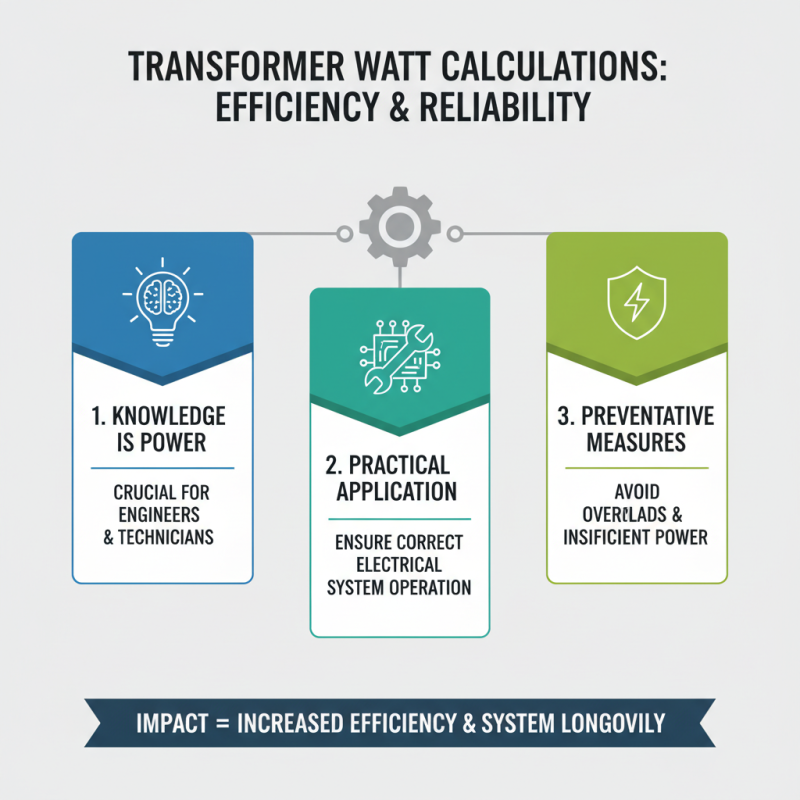
Understanding Transformer watt calculations can significantly impact efficiency. This knowledge is crucial for engineers and technicians. Practical applications help ensure the correct operation of electrical systems. Proper calculations prevent overloads or insufficient power supply.
For example, if a transformer is underloaded, it may not operate efficiently. It could lead to overheating or wasted energy. Conversely, an overloaded transformer might fail or cause damage. Knowing the correct wattage is essential for both scenarios.
Field applications often require precise calculations. Many professionals rely heavily on these formulas. They adjust designs based on watt ratings. Maintaining accurate records is also vital. Regular checks can help improve transformer longevity and reliability. Each project may present unique challenges, requiring adjustments in calculations. This constant need for reevaluation keeps professionals on their toes.
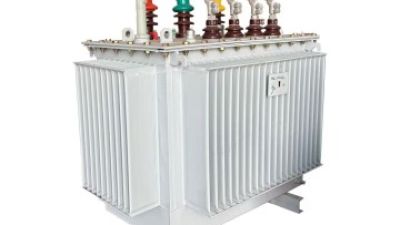
Innovative Features and Benefits of China's S(B)-M Series Three-Phase Oil-Immersed Transformers for Custom Solutions
The S(B)-M Series Three-Phase Oil-Immersed Transformers represent a significant advancement in transformer technology, aimed at meeting the diverse needs of modern energy systems. Engineered with innovative features, these transformers boast a compact design and lightweight structure, making them easy to install and maintain. Their efficiency is underscored by low loss and reduced partial discharge levels, which not only enhance performance but also contribute to lower operational costs. According to industry reports, transformers with such advanced characteristics can achieve efficiency levels of up to 99.5%, reducing energy waste and thereby supporting sustainable practices in power distribution.
In addition to their operational benefits, the S(B)-M series is designed with an emphasis on environmental responsibility. The careful selection of materials ensures that these transformers minimize their ecological footprint while delivering reliable performance. Low noise levels further enhance their suitability for urban installations, addressing a major concern in densely populated areas. As energy consumption continues to rise globally, the demand for robust yet eco-friendly solutions like the S(B)-M Series is expected to increase. Studies indicate that implementing efficient transformer solutions can lead to significant reductions in greenhouse gas emissions, aligning with global sustainability goals and initiatives within the renewable energy sector.
FAQS
: The product aims to enhance daily living. It provides convenience and efficiency for various tasks.
Follow the instructions provided. Start with small tasks to understand how it works effectively.
Regular cleaning is necessary. Check for wear and tear after frequent use to ensure longevity.
While it can withstand moderate conditions, extreme heat or cold may affect its performance.
Assess the damage first. If repairable, follow guidelines; if not, consider replacement options.
Yes, avoid using near water. Ensure your hands are dry during operation to prevent accidents.
Conclusion
The article "How to Calculate Transformer Watts Effectively?" provides a comprehensive guide to understanding the fundamentals of transformers and their ratings. It emphasizes the significance of Transformer Watts in assessing the performance of a transformer and discusses key formulas necessary for accurate calculations. By detailing the steps to determine both input and output voltages, as well as calculating efficiency and power factor, readers gain practical insights into transformer operation.
Furthermore, the article addresses common mistakes often made during transformer watt calculations, helping to enhance accuracy and reliability in electrical engineering applications. Ultimately, the practical implications of understanding Transformer Watts are linked to improved design and efficiency in various industrial applications, making this knowledge invaluable for professionals working with electrical systems.