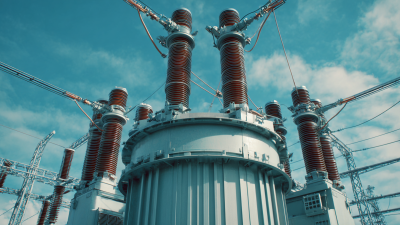
So, the Distribution Transformer is actually a pretty important part of the whole electrical system. Did you know that, according to the International Electrotechnical Commission, about 80% of energy losses happen right here in these transformers? Yeah, that really shows just how vital they are in making sure electricity gets delivered efficiently. Basically, they take high voltage power and step it down to something usable—like for your homes and businesses.
There are over 80 million of these transformers out there around the globe, which is mind-blowing when you think about it. They’re pretty much the backbone of a Reliable Power supply, but of course, there are some worries about how efficient they are and how long they last. If they’re not maintained well, they can end up wasting a lot of energy—some studies even suggest losses can reach up to 10% in city areas. Luckily, companies like Siemens and Schneider Electric are working on smarter tech to make these transformers run better.
And it’s not just about efficiency, either. As demand for energy keeps climbing—and with the shift towards renewable sources—traditional transformer designs are feeling the heat. It's becoming a real challenge for manufacturers to keep up and adapt to the latest tech. If they don’t evolve, they risk becoming outdated pretty fast. The future of distribution transformers really depends on how well we can optimize their performance within the bigger picture of power systems. You can check out more about that [here](https://www.gxtransformer.com/power-transformer-and-distribution-transformer).
What is a Distribution Transformer?
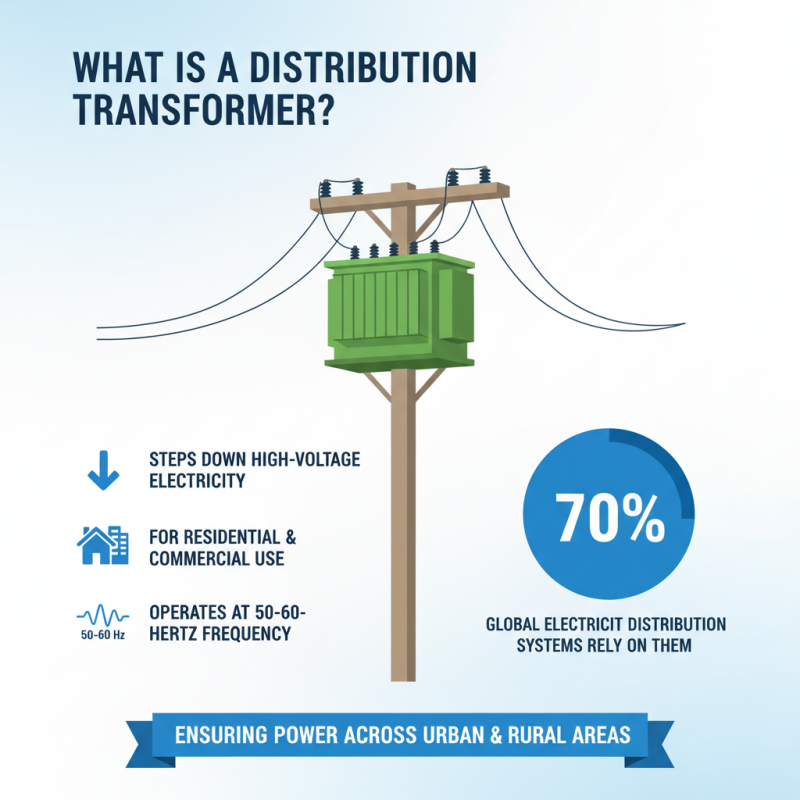
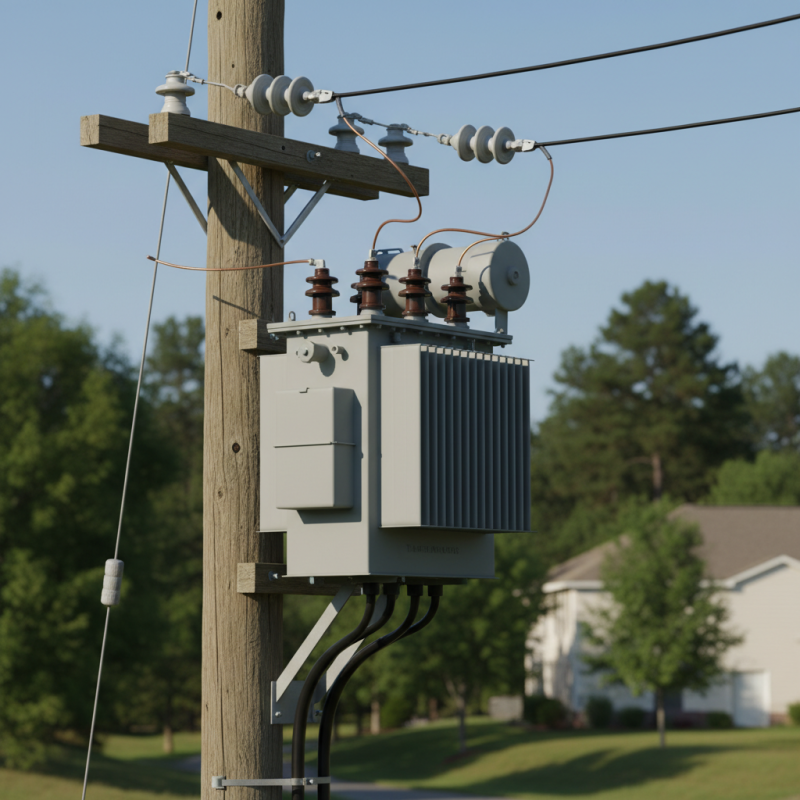
A distribution transformer plays a vital role in electrical systems. It steps down high voltage electricity to a level suitable for residential and commercial use. Typically, these transformers operate at 50 to 60 Hertz frequency. This ensures the proper distribution of power across urban and rural areas. According to industry reports, about 70% of global electricity distribution systems rely on distribution transformers.
In many regions, existing infrastructures are aging and require upgrades. This often leads to inefficiencies and higher operational costs. Statistics indicate that nearly 40% of distribution transformers operate at low efficiency rates. Moreover, utilities face challenges in balancing load and minimizing losses, which can detract from the overall system performance. Regular maintenance and timely replacements could help improve efficiency.
The difference between Distribution Transformer And Power Transformer is noteworthy. While distribution transformers serve lower voltage needs, power transformers operate at higher voltage levels for transmission purposes. Both components are essential, but improvements in distribution transformers directly impact consumer satisfaction and energy savings. This highlights the importance of ongoing investment in transformer technology and infrastructure.
The Role of Distribution Transformers in Electrical Networks
Distribution transformers play a crucial role in electrical networks. They are essential for reducing voltage levels for safe distribution. Typically, they lower high voltages from transmission lines to usable levels for homes and businesses. According to the U.S. Department of Energy, about 90% of electricity passes through a distribution transformer before reaching the end user.
These transformers ensure efficient power delivery while minimizing losses. However, they can have limitations. The efficiency of transformers can drop, especially under heavy loads. Regular maintenance is key to preventing issues. An unexpected failure can cause outages. Utilities often invest in monitoring technologies to track performance, yet older transformers may still lack such capabilities.
Tips: Be proactive with transformer maintenance. Schedule regular inspections to identify weaknesses early. Consider upgrading outdated units for better efficiency and reliability. This can lead to significant savings over time. Remember, a well-functioning distribution transformer is vital for a stable electrical supply.
Distribution Transformer Capacity and Load Analysis
This chart illustrates the capacity and load analysis of distribution transformers in electrical networks. The data reflects the typical capacity (in kVA) of transformers and the corresponding load levels they handle.
Key Components of a Distribution Transformer
A distribution transformer is a vital component in the electrical grid. Its primary role is to step down high-voltage electricity from power lines to a usable voltage level for homes and businesses. Understanding its key components can enhance both efficiency and safety in electrical systems.
The core of a distribution transformer is made from silicon steel laminations. This core reduces energy losses. Winding wires, typically made from copper or aluminum, are wrapped around the core. They are insulated to prevent short circuits. According to a 2022 industry report, the efficiency of distribution transformers can reach up to 98%, ensuring minimal energy waste during the voltage transformation.
Tip: Regular maintenance of these components can prevent costly failures. Insulation quality should be checked periodically. Additionally, temperature management is crucial. Overheating can lead to significant energy losses and decrease transformer longevity.
The tank houses the core and windings, filled with insulating oil. This oil cools the transformer and prevents short circuits. It's essential to monitor oil levels and quality for optimal performance. A study highlighted that around 30% of transformer issues stem from oil degradation, emphasizing the importance of regular inspections and fluid analysis.
How Does a Distribution Transformer Operate?
A distribution transformer plays a crucial role in the electrical grid. It steps down high voltage electricity to a lower voltage suitable for consumer use. This process ensures that homes receive safe and usable power. The transformer is usually located near residential areas. It helps in reducing energy loss over long distances.
The operation of a distribution transformer is based on electromagnetic induction. An alternating current flows through the primary coil, creating a magnetic field. This field induces a current in the secondary coil. The turn ratio between these coils defines the voltage transformation. However, not all transformers are efficient. Some operate under varying loads, affecting performance.
Maintaining a distribution transformer is vital. They can overheat or even fail if not monitored. Regular checks can prevent outages. But, issues often arise when maintenance is neglected. For instance, contaminants can enter the transformer, reducing effectiveness. In time, these small issues can lead to significant problems and costly repairs. Thus, understanding how a distribution transformer operates can help us appreciate its importance in daily life.
The Different Types of Distribution Transformers
Distribution Transformer s are essential components in electrical distribution systems. They step down high voltage electricity from power lines to a level suitable for consumer use. Several types of distribution transformers exist, each with unique characteristics. The main types include conventional, oil-immersed, and dry-type transformers. Each type has its strengths and weaknesses.
Conventional transformers are widely used due to their reliability. They often have higher efficiencies, yet they require more maintenance. Oil-immersed transformers provide excellent cooling but can pose environmental challenges. Conversely, dry-type transformers are safer. They are ideal for indoor settings, reducing the risk of fire incidents. However, these come with a higher installation cost. Data from industry reports suggest that over 40% of new installations involve dry-type transformers.
Understanding the functions and types of distribution transformers is crucial. It informs decisions on usage and maintenance. An efficient distribution transformer can save up to 20% on energy costs, according to recent studies. Yet, many installations still overlook the importance of regular inspections, leading to inefficiencies. Awareness of the various types and their specific applications can significantly enhance a distribution system's reliability.
Applications of Distribution Transformers in Everyday Life
Distribution transformers play a vital role in our daily lives. They convert high voltage electricity to a lower voltage suitable for residential and commercial use. According to the U.S. Energy Information Administration, around 30% of the electricity consumed comes from distribution transformers. These devices are often found in neighborhoods, ensuring safe energy delivery.
Their applications are numerous. In residential areas, they provide energy for lighting, heating, and appliances. Without them, most households would struggle to access electricity. A report by the International Energy Agency noted that effective distribution transformers help reduce energy loss, which can range from 4% to 10%. There's room for improvement. Aging infrastructure and inefficiencies are common issues that impact performance.
In commercial settings, distribution transformers power everything from office equipment to industrial machines. Their reliability is crucial for business operations. Yet, many facilities overlook regular maintenance. Inadequate upkeep can lead to higher failure rates and unexpected outages. Data indicates that well-maintained transformers can extend operational lifespans by several years.
Maintenance and Safety Considerations for Distribution Transformers
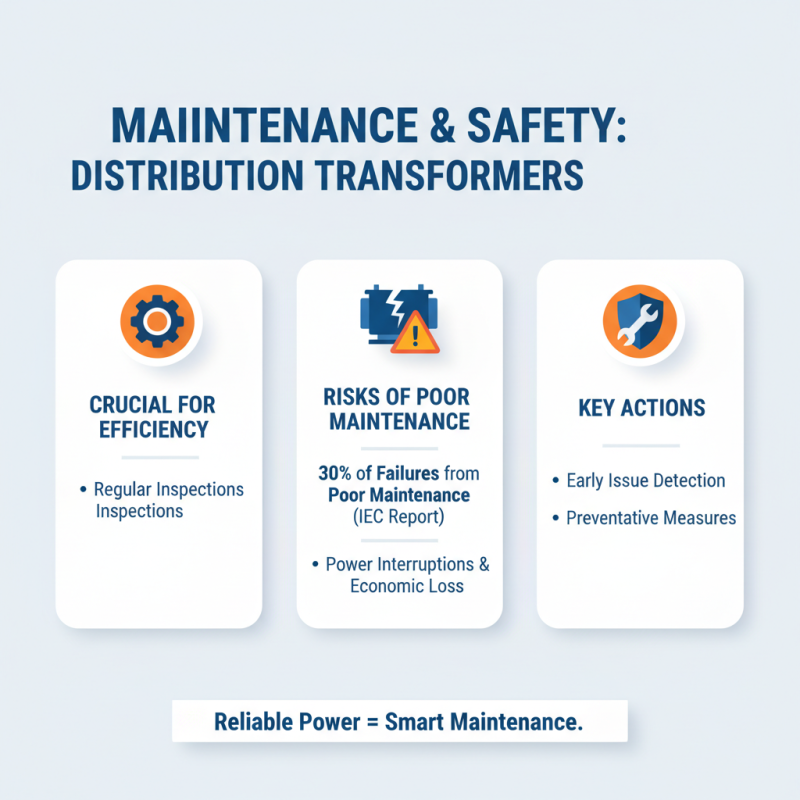
Maintenance and safety considerations for distribution transformers are crucial for efficient operation. Regular inspections help identify potential issues early. One report from the International Electrotechnical Commission highlights that poor maintenance leads to 30% of transformer failures. These failures often cause power interruptions and significant economic loss.
Transformer oil levels should be checked periodically. Low levels can lead to overheating. This overheating may damage the insulation and core. Ensuring proper cooling can extend the life of the transformer. One critical aspect is maintaining proper grounding. A ground fault can pose serious risks, including equipment damage and shock hazards.
Tips: Always use protective gear when servicing transformers. This includes gloves and goggles. Have a qualified technician conduct major repairs. Lastly, keep records of maintenance activities for future reference. This data can help track performance trends. By prioritizing this aspect, you enhance the reliability of your Power Distribution Transformer. Regular maintenance helps avoid costly downtime.
Neglecting safety protocols can lead to accidents. Close attention to details matters. Ask yourself: are all safety measures in place? Are inspections up to date? These questions can prompt necessary actions to prevent incidents.
FAQS
: A distribution transformer lowers high voltage electricity for homes and businesses. It operates at 50 to 60 Hertz frequency.
They ensure proper electricity distribution in urban and rural areas. About 70% of global systems depend on them.
Poor maintenance can lead to 30% of transformer failures. This results in power interruptions and economic losses.
Oil levels should be checked periodically. Low levels can cause overheating and damage to insulation.
Always wear protective gear like gloves and goggles. Have a qualified technician perform major repairs.
Regular maintenance improves efficiency and reduces operational costs. Neglecting it can increase downtime and lead to failures.
Poor grounding poses risks like equipment damage and electric shocks. It can affect overall system safety.
Maintenance records help track performance trends. They can provide insights for future improvements and reliability.
Utilities struggle with balancing loads and minimizing losses. These issues can hurt overall performance and efficiency.
Regular inspections and attention to detail are crucial. Ask yourself if all protocols are followed and current.
Conclusion
A Distribution Transformer is a vital component in electrical networks, responsible for stepping down high voltage electricity from transmission lines to a usable level for consumers. It plays a crucial role in ensuring the efficient delivery of electrical power in urban and rural areas alike. Key components of a Distribution Transformer include the core, windings, and insulation materials, which work together to facilitate energy transfer while minimizing losses.
The operation of a Distribution Transformer is based on electromagnetic induction, converting high voltage to low voltage through its coils. There are various types of Distribution Transformers tailored for different applications, ranging from residential setups to industrial use. Regular maintenance is essential to ensure their longevity and safe operation, as these transformers are integral to everyday life, powering homes, schools, and businesses. Understanding their function and upkeep is critical for reliable electrical service.