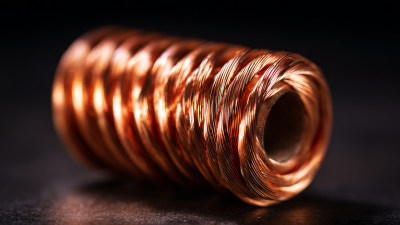
Electricity really plays such a vital role in our everyday lives, right? That’s why making sure electrical systems are running efficiently is super important. You might have heard about Copper Winding — it’s a core part that can seriously boost how well these systems work. Lots of industries depend on it because it helps improve electrical conductivity and handle heat better.
Now, copper is actually a pretty awesome metal—really good at letting electricity flow smoothly. In things like motors and transformers, Copper Winding helps cut down on energy loss, making everything run more efficiently. Companies like XYZ Electric are big on this tech, showing us just how beneficial it can be.
But, here’s the thing— not all copper windings are built the same. The quality can vary quite a bit, and that actually affects how efficient the whole system is. Even tiny imperfections in the winding can cause unnecessary energy waste. So, it’s pretty important for companies to pay attention to the quality of the materials they’re using. By focusing on the right kind of copper winding during design, they can really make a big difference in energy savings and overall performance.
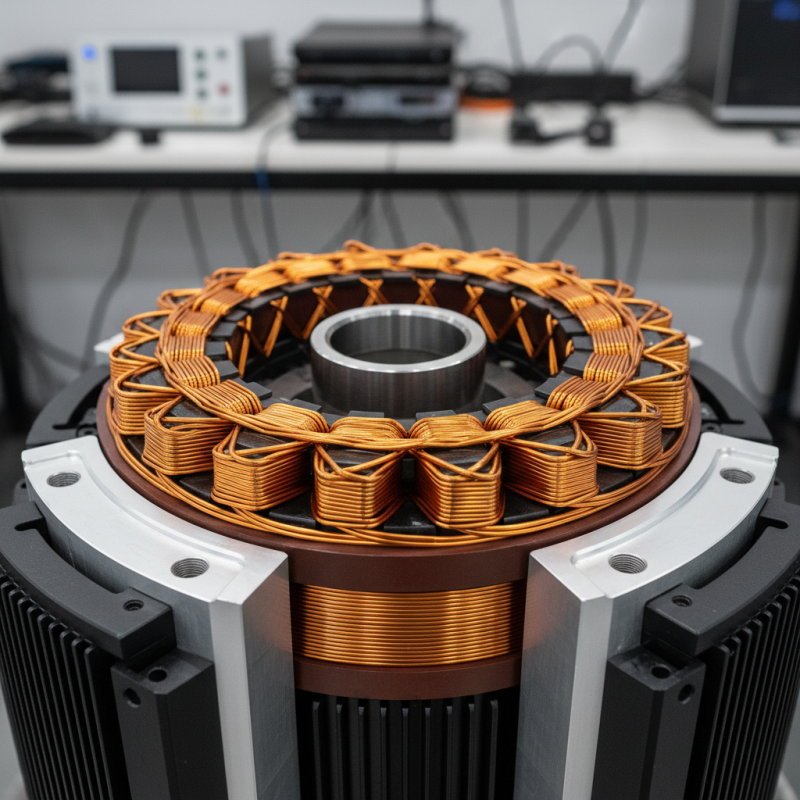
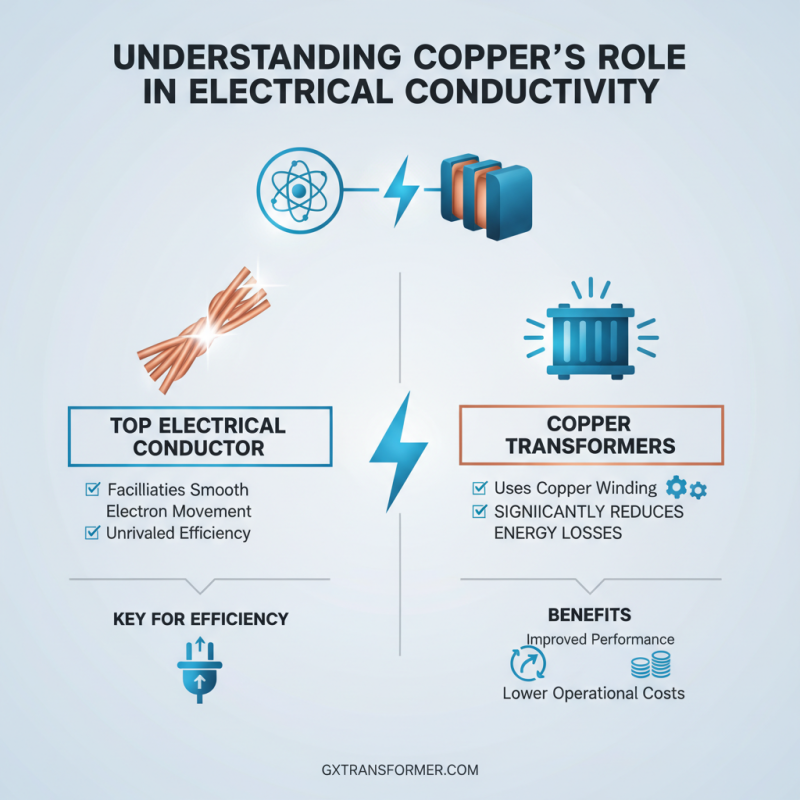
Copper is known as a top performer in electrical conductivity. Its ability to facilitate smooth electron movement is unrivaled. This characteristic is vital for applications such as the Copper Transformer, where efficiency is key. Using copper winding in transformers reduces energy losses significantly. This is essential for both performance and operational costs.
When selecting materials for electrical components, consider conductivity. Copper not only excels in conducting electricity but also in heat resistance. This is crucial for preventing overheating in high-load situations. While alternative materials may be less expensive, they can increase energy losses.
Tips for maintaining efficiency: regularly inspect your electrical systems to ensure they use high-quality copper components. Look for signs of wear or corrosion, as these can affect conductivity. Using a reliable Copper Transformer can enhance your system’s performance. Remember, investing in quality materials today can lead to significant savings tomorrow.
Copper is often the preferred choice for electrical winding due to its superior conductivity. Copper’s ability to carry electrical current efficiently is unmatched by many other materials. This efficiency translates into reduced energy loss and better performance in electrical systems. High conductivity means less heat generation, leading to more reliable operation.
In addition, copper is durable and resistant to corrosion. This quality ensures longevity in various applications. Unlike aluminum, copper maintains its conductivity levels over time. This means fewer maintenance issues and lower replacement costs. For industries relying heavily on electrical systems, this can be a crucial factor.
While copper is heavier and more expensive than some alternatives, these drawbacks are often outweighed by its benefits. Engineers and manufacturers must weigh the costs against efficiency gains. The decision isn’t always straightforward. Understanding the role of copper in electrical efficiency is essential for making informed choices.
In the world of modern technology, electrical efficiency stands as a critical factor. It not only impacts energy consumption but also affects device performance. Copper winding plays a vital role in this aspect. The conductivity of copper allows for minimal energy loss during electric transmission. This characteristic is especially crucial in high-demand sectors like electric vehicles and renewable energy systems.
Effective energy management requires an understanding of how materials influence performance. Copper Coils contribute significantly to reducing resistive losses. They help enhance the overall efficiency of motors and transformers. However, the use of copper winding can present challenges. It demands careful sourcing and installation practices to fully realize its benefits.
Many organizations seek to optimize their systems with Copper Coil implementations. Still, they often encounter issues such as rising costs and supply chain constraints. These factors can hinder progress in achieving better electrical efficiency. Reflecting on these challenges can lead to more innovative solutions for the future. Emphasizing reliability and intelligent design will be essential for addressing these concerns.
| Dimension | Importance | Benefits |
|---|---|---|
| Conductivity | High thermal and electrical conductivity enhances performance. | Improved energy transfer, reducing energy loss. |
| Durability | Resistance to corrosion and wear increases longevity. | Lower replacement costs and less downtime. |
| Efficiency | Optimized current flow results in reduced heat generation. | Enhanced system performance and energy savings. |
| Versatility | Widely used in various applications, from motors to generators. | Broad applicability in technology, catering to diverse needs. |
| Cost | Though initially higher, copper’s benefits outweigh costs over time. | Long-term savings and efficiency justify investment. |
Copper winding is crucial for the effective performance of electric motors. The high conductivity of copper minimizes energy loss during operation. This characteristic directly translates to improved efficiency and reduced heat generation. With copper windings, motors can maintain optimal performance under various loads.
Investing in quality copper windings can lead to significant energy savings over time. Not all copper used in windings is equal. The purity of the copper matters. Multiple factors, such as the thickness of the wire and winding technique, also influence overall efficiency. Ensure that proper techniques are used during installation.
Tips for choosing copper windings include checking the wire gauge and purity. Thicker wires usually handle higher currents better. Additionally, consider how heat dissipation is managed in the motor. Avoid common mistakes like neglecting Insulation quality, which can affect motor lifespan. Awareness of these aspects can enhance motor performance and reliability.
Copper windings play a crucial role in heat dissipation for electrical devices. According to a report by the International Electrotechnical Commission (IEC), copper has an impressive thermal conductivity of 401 W/m·K. This allows it to efficiently transfer heat away from the winding. When heat accumulates, it can lead to insulation breakdown and reduced performance. With copper windings, devices can operate at lower temperatures, enhancing overall efficiency.
Longevity is another significant aspect. A study by the Electric Power Research Institute (EPRI) found that copper windings can last 20% longer than aluminum counterparts in demanding environments. This is partly due to their superior ability to carry electric loads without overheating. The durability of copper also means less frequent replacements, which ultimately saves costs and reduces downtime.
However, some may overlook the complexities. While copper’s benefits are clear, its higher initial cost can raise concerns. Organizations must weigh these upfront expenses against long-term gains. Additionally, improper handling during installation can affect future performance. Understanding these factors is vital for making informed decisions on winding materials in electrical applications.
Copper winding plays a crucial role in electrical efficiency. In recent years, a number of studies underline its benefits. According to the Electrical Engineering Association, copper's electrical conductivity is 59% better than aluminum. This means reduced energy loss, leading to lower operational costs. Higher efficiency can result in a reduction in energy consumption by up to 25%, directly impacting overall profitability.
While the initial investment in copper winding can be higher, the long-term savings often outweigh these costs. The International Copper Association reports that systems using copper can save approximately $400 to $600 per kilowatt in energy efficiency. Over time, these savings can accumulate significantly. However, organizations must weigh upfront costs against potential future benefits.
Yet, not all applications may justify the switch to copper. In some low-power scenarios, alternatives might suffice. Furthermore, fluctuations in copper prices can affect cost-benefit analysis. A comprehensive evaluation should consider not just immediate financial impacts, but also performance reliability. Balancing these considerations ensures that decisions about material choice remain informed and relevant.
Copper has long been the gold standard in electrical systems. Its excellent conductivity makes it an ideal choice for winding in motors and transformers. However, the future trends in copper use show a shift in how we leverage this metal for even greater efficiency. New technologies are emerging, focusing on thinner wires and advanced insulation materials. This approach not only reduces the weight of electrical systems but also enhances energy efficiency, creating a ripple effect in various sectors.
Researchers are exploring innovative methods to optimize copper's performance. For instance, integrating copper with other conductive materials can lead to better performance metrics. However, there is a challenge. The production and recycling of copper often carry environmental impacts that need addressing. As the demand for efficient electrical systems grows, finding sustainable methods of using copper remains a critical issue.
Moreover, modern applications are evolving. Smart grids and electric vehicles are becoming increasingly prevalent. These trends necessitate an emphasis on copper’s role in next-generation systems. As we move forward, it’s vital to balance innovation with responsibility. The path ahead requires not just embracing copper’s benefits, but carefully considering its implications on sustainability.
This chart illustrates the essential properties of copper winding that contribute to electrical efficiency. With high electrical efficiency rated at 95%, outstanding thermal conductivity, low resistance, significant magnetic permeability, and a reasonable cost, copper remains a critical material in the design of modern electrical systems.
: Copper excels at facilitating smooth electron movement, making it ideal for efficient energy transfer.
Copper winding in transformers significantly reduces energy losses, enhancing performance and lowering operational costs.
It's essential to prioritize conductivity and heat resistance to prevent overheating during high-load operations.
Regularly inspect systems for quality copper components and check for wear or corrosion that can hinder conductivity.
Its high conductivity minimizes energy loss, impacting performance in electric vehicles and renewable energy systems.
Yes, sourcing, installation, and rising costs can complicate the implementation of copper windings in systems.
Effective heat dissipation prevents insulation breakdown and helps maintain performance efficiency in devices.
Copper windings may last 20% longer than aluminum in demanding conditions due to their durability and heat resistance.
They should consider the upfront costs against long-term savings and the importance of proper installation practices.
While beneficial, the higher initial cost and installation risks require careful evaluation for informed decision-making.
Copper winding plays a crucial role in enhancing electrical efficiency due to its superior conductivity compared to other materials. The use of copper in electrical applications not only ensures optimal performance but also significantly impacts the longevity of motors. This is primarily attributed to copper's excellent heat dissipation properties, which contribute to reduced wear and tear over time.
Moreover, a cost-benefit analysis reveals that while initial investments in copper winding may be higher, the long-term savings in energy efficiency make it a worthwhile option for modern technology. As we look to the future, the continued integration of copper in electrical systems is expected to drive advancements in efficiency and performance, reaffirming its indispensable role in the industry.