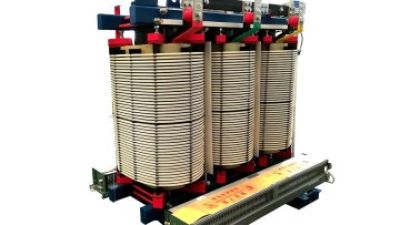
In today’s electrical systems, reliability and efficiency are more important than ever. One key component that really makes a difference is the Copper Transformer. It’s super essential for distributing power and keeping voltage just right. Thanks to its high conductivity, it helps minimize energy waste, which is a big plus. Companies like Alpha Electricals depend on Copper Transformers because they’re tough and built to last.
But here’s the thing— not all Copper Transformers are the same. The quality of the copper and how it’s designed can really impact how well it performs. A poorly made transformer can overheat or just not work efficiently, which nobody wants. It just goes to show that investing in good-quality materials really pays off in the long run. Manufacturers are always pushing to improve transformer tech and stay ahead.
Of course, there are some hurdles too. The demand for Copper Transformers is climbing, but finding top-notch copper isn’t always easy. Market fluctuations can make copper prices go up and down, which affects production costs. This makes manufacturers think carefully about where they source their materials. Still, even with these challenges, the role of Copper Transformers in electrical systems can’t be overstated — they really are a crucial piece of the puzzle.
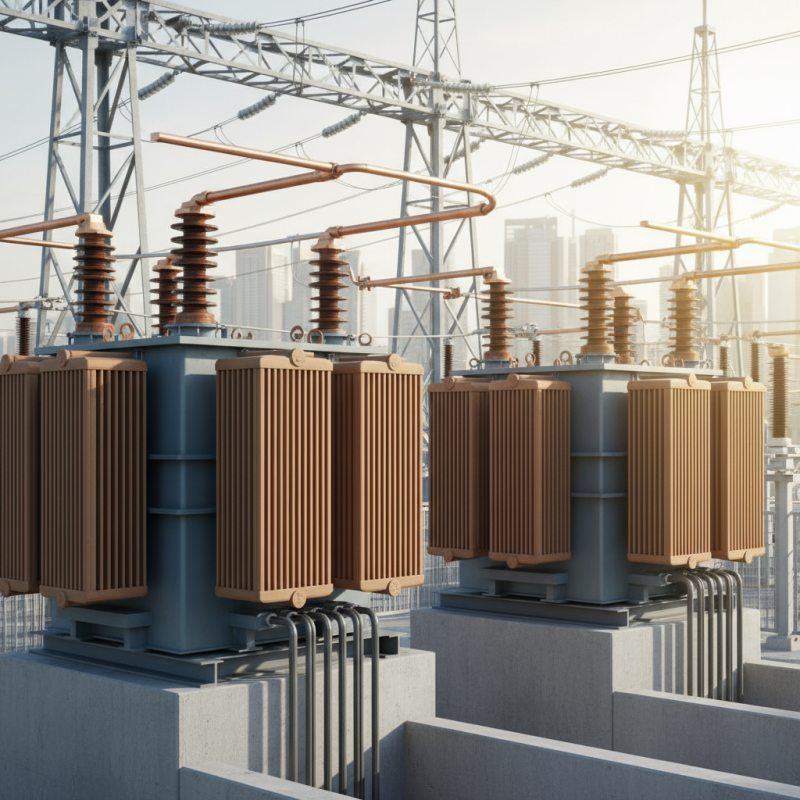
Importance of Copper in Electrical Conductivity
Copper is crucial in electrical conductivity. Its atomic structure allows electrons to move freely, making it highly efficient. Reports show that copper has a conductivity rating of over 58 percent IACS (International Annealed Copper Standard). This high level makes copper ideal for transformer windings, where efficiency is vital. Without copper, energy losses would rise, affecting overall system performance.
Tips: Always choose the proper gauge of Copper Winding. It influences both efficiency and heat dissipation. Consider using thicker wire for high-load applications.
While aluminum is cheaper, it doesn't match copper’s conductivity. Using aluminum could lead to higher resistance and energy loss. Some applications still favor copper for its longevity and reliability. A lack of understanding may lead to poor material choices. Always assess your needs carefully before making decisions.
Role of Transformers in Electrical Systems
Transformers play a critical role in electrical systems. They convert voltage levels, ensuring electricity reaches homes and businesses efficiently. A Copper Transformer, in particular, enhances conductivity and reduces energy losses. Its efficient design makes it essential for both small and large-scale applications.
Copper Coils in transformers are crucial for effective energy transfer. These coils help minimize heat generation, resulting in improved performance. However, the choice of materials can impact system reliability. Sometimes, users overlook the maintenance of transformers, leading to unexpected failures. Regular checks can prevent costly downtimes.
Tip: Always inspect the connections and windings of your transformer. This can reveal hidden issues early. Also, consider the environmental conditions around your transformer; excessive heat can strain copper components. Being proactive can save resources and ensure longevity.
Importance of Copper in Transformers
Advantages of Copper Over Other Conductors
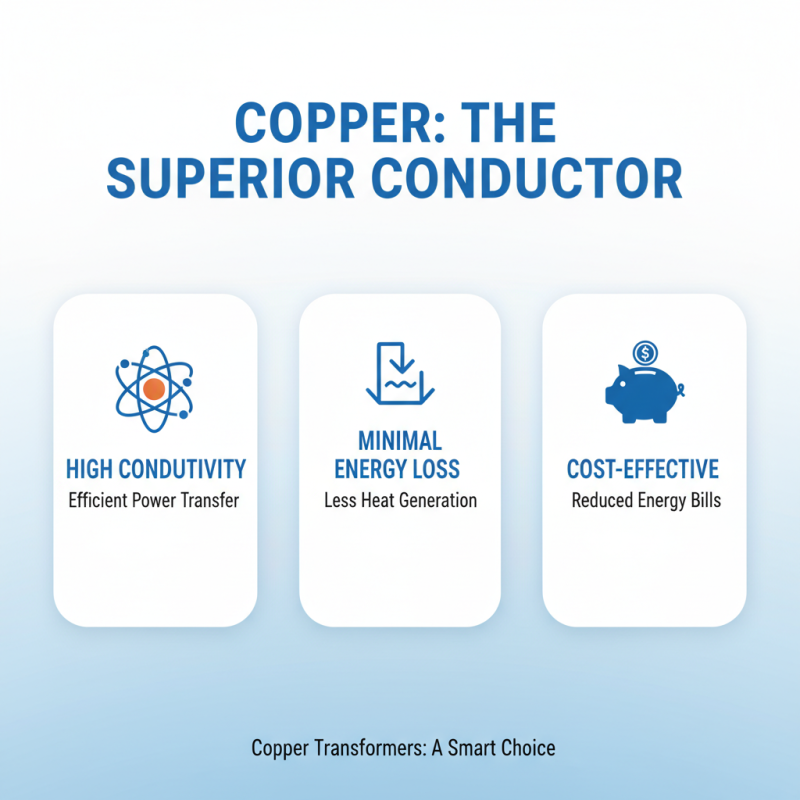
Copper transformers play a vital role in electrical systems due to their excellent conductivity. Compared to other conductors, copper stands out for various reasons. Its high conductivity ensures minimal energy loss, making it an efficient choice for power transfer. This means less heat generation and reduced energy bills for users.
Another significant advantage is durability. Copper resists corrosion better than aluminum. This longevity can be vital in harsh environments. While aluminum is lighter, it often requires larger cross-sections for the same conductivity. This can lead to increased installation costs. Copper, being denser, allows for smaller, more flexible designs.
Challenges exist with copper as well. It is more expensive than aluminum, which can deter some buyers. However, the reliability and efficiency may justify the cost, especially over time. The choice largely depends on specific needs. The debate continues, and users must weigh all aspects carefully before deciding.
Impact of Copper Transformers on Energy Efficiency
Copper transformersplay a vital role in improving Energy Efficiency in electrical systems. Their high conductivity reduces energy loss during power transmission. This efficiency is crucial for both residential and industrial setups. Without copper transformers, energy wastage can escalate quickly.
When considering energy efficiency, it's essential to understand load distribution. An uneven load can lead to overheating in transformers. This may decrease their overall effectiveness. Regular maintenance checks can help identify issues before they escalate.
Tips: Always monitor your system for signs of stress. Inspect transformers for heat build-up. Adjust loads to ensure even distribution. This can dramatically enhance the lifespan of the transformer while saving energy. Small changes can lead to significant results, empowering users to capitalize on copper’s advantages.
Common Applications of Copper Transformers
Copper transformers play a crucial role in various electrical systems. They are integral in both Power Distribution and transmission. Many industries rely on them for efficiency and reliability. According to the International Energy Agency, copper transformers can enhance energy efficiency by up to 15% compared to aluminum counterparts. This efficiency is essential in reducing operational costs.
In residential applications, copper transformers are often used in HVAC systems. They ensure stable voltage levels to maintain comfort. In industrial settings, these transformers are vital for motors and heavy machinery. With a demand for increased power, the integration of Power Transformer And Distribution Transformer is paramount. A report by the Electric Power Research Institute noted that copper transformers are more durable and have a longer lifespan, reducing replacement frequency.
However, there are challenges. The higher cost of copper may deter some projects. As energy standards evolve, we must consider the balance between initial investment and long-term savings. The materials choice directly affects system performance. Understanding copper transformers' significance in applications remains an ongoing conversation. Finding solutions to these challenges can foster innovation in electrical systems.
Maintenance Considerations for Copper Transformers
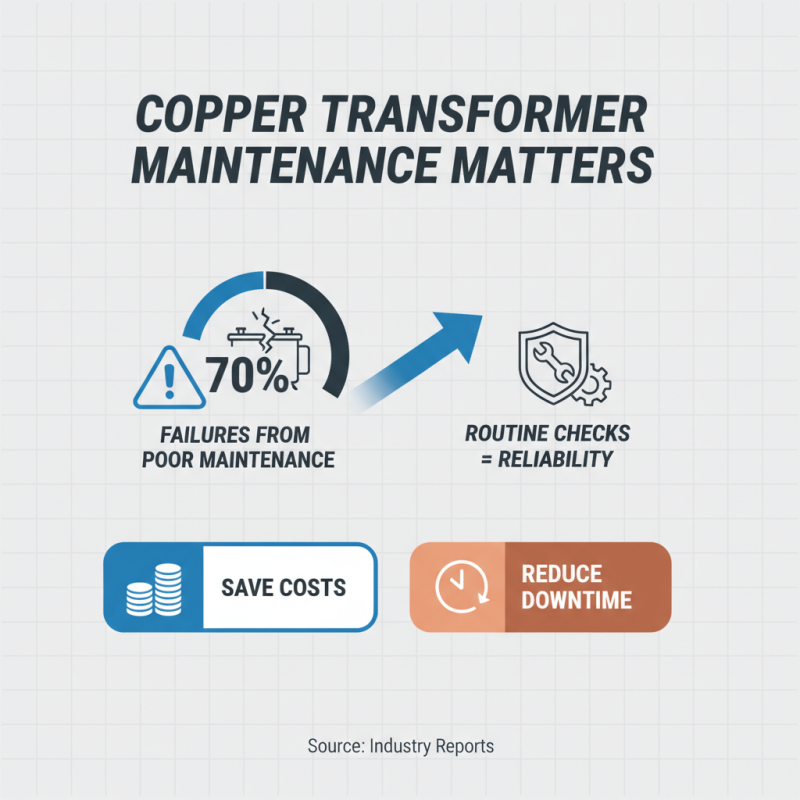
Copper transformers play a crucial role in electrical systems. Their efficiency depends largely on how well they are maintained. According to industry reports, approximately 70% of transformer failures are due to poor maintenance. Routine checks are vital. These checks can save significant costs and downtime.
Regular visual inspections help identify leaks or corrosion. Tightening connections can prevent overheating. Moreover, Insulation age should be monitored; it degrades over time. A study shows that maintaining insulation can extend transformer life by up to 30%. However, many facilities overlook these basic steps.
Oil testing is another critical aspect. This process detects moisture levels and contaminants. Regular oil analysis can provide insights into the overall health of the transformer. Shockingly, about 40% of transformers are not subjected to appropriate oil testing. Identifying potential issues early can lead to timely interventions, preventing costly failures that impact operations.
Future Trends in Copper Transformer Technology
Copper transformers play a pivotal role in electrical systems. Recent trends in copper transformer technology highlight advances in efficiency and sustainability. Reports indicate that the global market for copper transformers is poised to grow significantly, driven by increased energy demands. This growth is projected to exceed 5% annually in the next few years.
The shift towards renewable energy sources is influencing transformer designs. Copper is more conductive than aluminum, enhancing efficiency in Distribution Transformer And Power Transformer applications. Enhanced conductivity translates into reduced energy losses. Studies show that copper transformers can achieve energy efficiency ratings of over 98%. This level of performance is essential as utilities seek to minimize operational costs and carbon footprints.
However, challenges remain. The price volatility of copper can affect project budgets. Furthermore, the complexity of integrating new technologies, such as smart transformers, requires careful planning. The industry must continuously innovate while addressing economic pressures. Transitioning to advanced copper transformers cannot overlook existing infrastructure needs. Thus, balancing modernization with reliability becomes crucial for future developments.
Innovative SGB Series H-Class Transformers: A Sustainable Solution for High-Noise and Overload Environments
The innovative SGB Series H-Class Transformers provide a sustainable solution specifically designed for high-noise and overload environments. These non-encapsulated dry-type transformers excel in delivering reliable power in challenging scenarios such as industrial production and urban infrastructure. By integrating advanced features such as an H-class insulation system made with Nomex paper and solvent-free impregnating resin, these transformers can withstand long-term temperature resistance up to 180°C, ensuring efficiency and safety under demanding conditions.
One of the standout characteristics of the SGB Series is its impressive overload capacity, allowing for up to 120% long-term and 150% short-term performance during load fluctuations. Further enhancing the appeal for noise-sensitive settings, these transformers operate with noise levels below 42dB, making them ideal for locations where sound pollution is a concern. The inclusion of high-permeability silicon steel sheets and an optimized electromagnetic design contributes to a significant reduction in power loss, achieving a decrease of 10% to 20% compared to conventional models, thereby reinforcing their eco-friendly credentials with nearly zero VOC emissions and compliance with stringent green standards.
FAQS
: Copper has excellent conductivity, ensuring minimal energy loss and reduced heating, making it efficient for power transfer.
Copper is more resistant to corrosion than aluminum, making it a better choice for harsh environments.
No, copper's density allows for smaller, more flexible designs, potentially lowering installation costs.
Yes, copper is more expensive than aluminum. This can discourage some buyers despite its long-term benefits.
Maintenance is crucial. Poor upkeep can lead to 70% of transformer failures, causing costly downtime.
Visual inspections for leaks, corrosion, and tightening connections are essential to prevent overheating.
Monitoring insulation age is vital. Maintaining it can prolong transformer life by up to 30%, yet it's often neglected.
Oil testing detects moisture and contaminants, offering insights into the transformer’s health and preventing failures.
Approximately 40% of transformers lack appropriate oil testing, which can lead to missed early warning signs of issues.
Many facilities underestimate the importance of basic maintenance, risking costly failures and operational impacts.
Conclusion
Copper transformers play a crucial role in electrical systems due to the superior conductivity of copper, which enhances energy efficiency and performance. The use of copper as a conductor provides clear advantages over alternative materials, including better durability and lower energy loss during transmission. These transformers are integral in various applications, from industrial machinery to renewable energy systems, helping to ensure stable and efficient power distribution.
To maintain optimal functionality, regular maintenance of copper transformers is essential. As technology advances, there are evolving trends in the design and application of copper transformers, focusing on improved efficiency and sustainability. Overall, copper transformers are not only vital for current electrical infrastructures but also hold promise for future innovations in energy management systems.