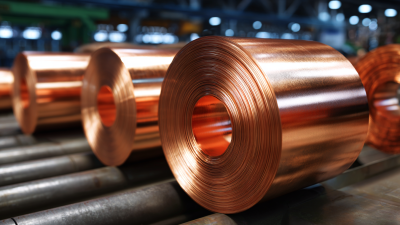
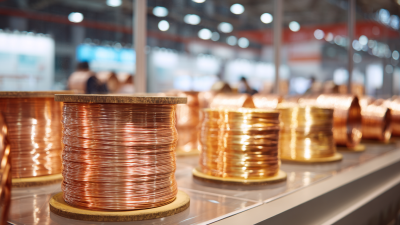
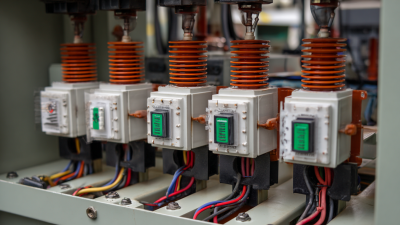
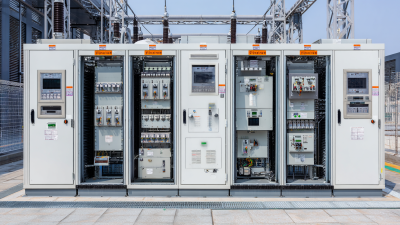
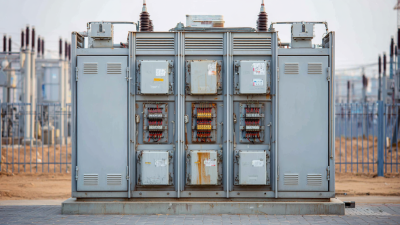
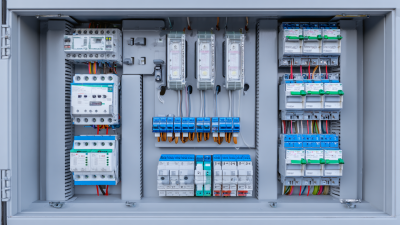
When it comes to finding sustainable and cost-effective ways to produce energy, integrating Copper Coil technology is really starting to stand out as a key player in renewable energy systems. I was reading about Jiangxi Guoxiang Electric Power Equipment Co., Ltd.—they're a high-tech company that’s been around since 2016—and they’re making waves with their advancements in Copper Coil applications. Not only do these innovations boost the efficiency of Power Systems, but they also help cut down energy costs, which is a big win. It all lines up with their—well, our—goal of providing complete power solutions, from R&D and manufacturing to sales and engineering services. By tapping into the unique properties ofCopper Coil, we’re opening up new possibilities for energy efficiency. Honestly, it feels like we’re taking big steps toward a greener future and pushing the industry to set higher standards. It’s pretty exciting stuff, don’t you think?
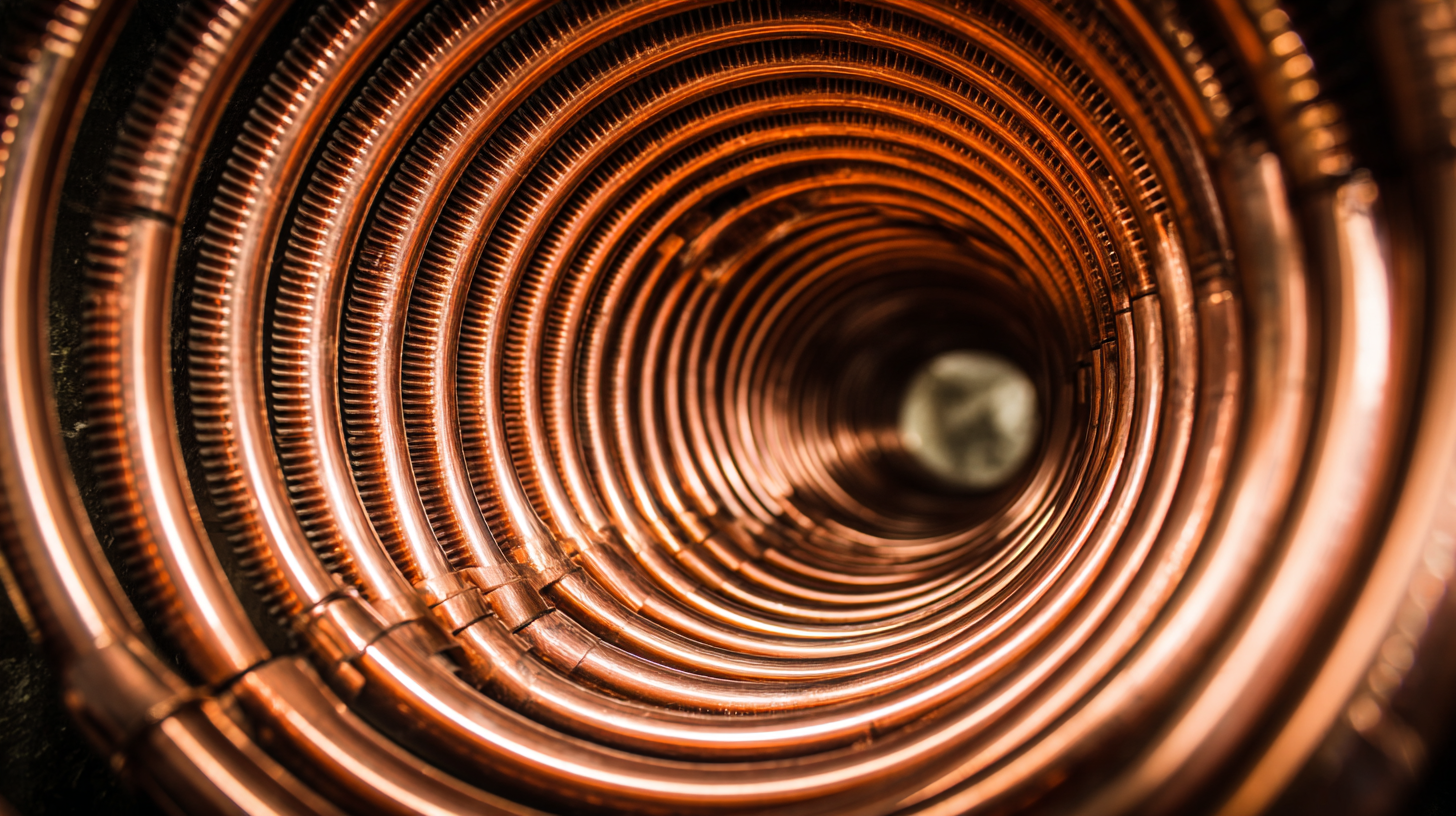
Benefits of Copper Coil in Enhancing Renewable Energy System Efficiency
You know, adding copper coils into renewable energy setups really makes a difference. It boosts how well these systems perform, which means lower energy costs overall. Copper’s got this amazing electrical conductivity—about 59.6 million siemens per meter—that helps cut down on energy being lost along the way, so your solar panels and wind turbines aren’t wasting power. I read a report from the International Copper Association that said using copper coils can bump up the efficiency of solar systems by as much as 10%. That’s pretty huge because it adds up to real savings for both producers and folks like us who pay the bills.
On top of that, copper’s toughness and resistance to rust make it a smart choice for all kinds of renewable projects. According to the U.S. Department of Energy, systems that have copper components tend to last over 25 years, which means less maintenance fuss and even more savings in the long run. As more people jump on the renewable energy train, it’s clear that copper coils are becoming a key piece of the puzzle to making these systems work better and last longer. Honestly, they’re pretty much essential for pushing us towards cleaner and more affordable energy options.
Innovative Applications of Copper Coil Technology in Energy Production
Lately, it’s pretty clear that copper coil tech is making waves in the energy world. As industries push for better efficiency and trying to cut down on energy costs, these coils are really stepping up. They play a big role in boosting how well renewable energy systems work — think solar panels and wind turbines. Thanks to their excellent thermal conductivity and toughness, they help transfer energy smoothly, cutting down on losses and squeezing out maximum power from renewable sources. Plus, with new tech advancements like using nanofluids in solar thermal systems, it’s clear that materials and energy efficiency are becoming more and more interconnected.
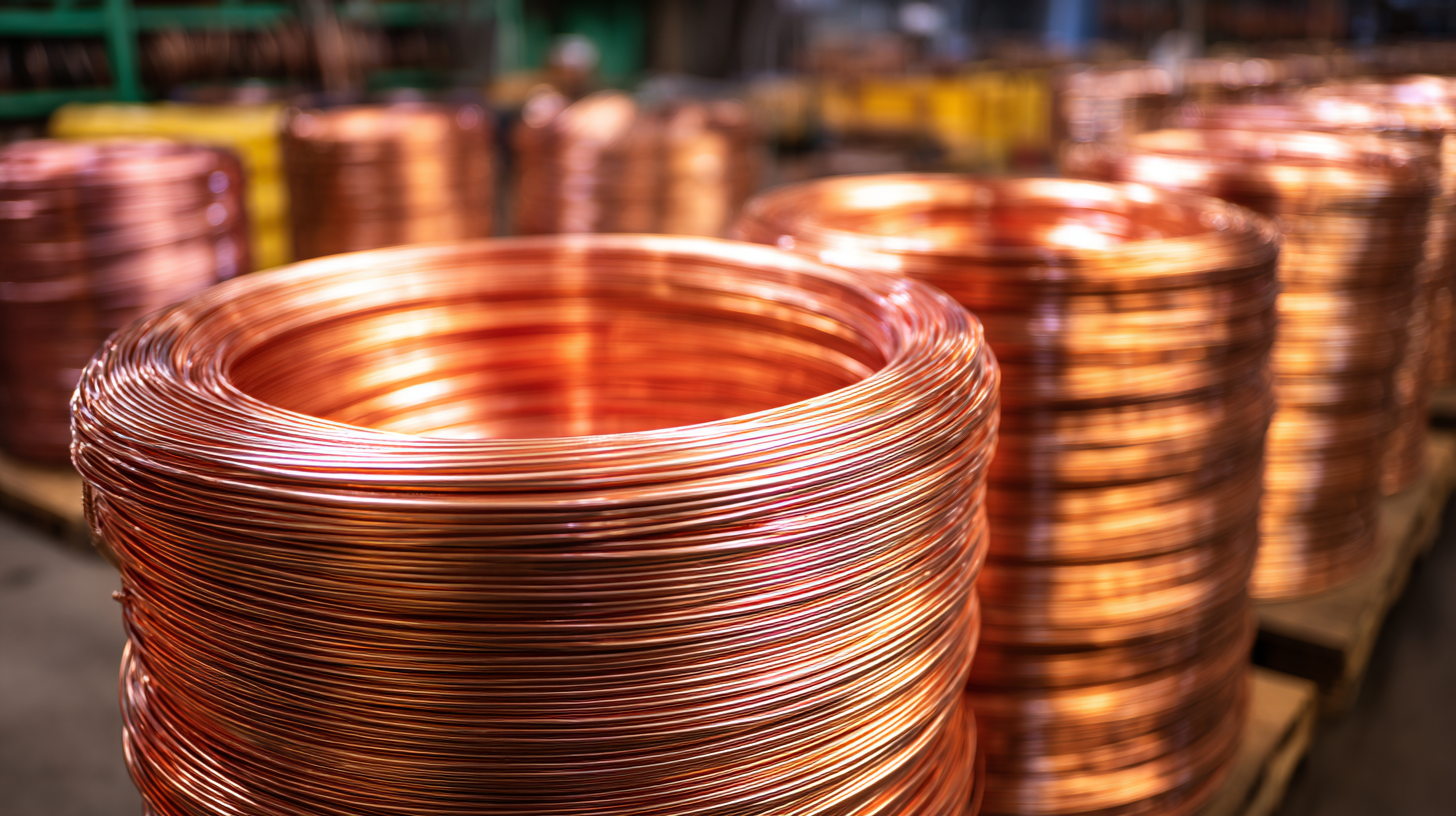
On top of that, partnerships between companies that make copper and those that develop new technologies are super important right now. As the global demand for copper skyrockets—driven by the push for clean energy—everyone’s talking about making copper mining and processing more sustainable. Using innovative methods to get the most out of copper doesn’t just help solve supply chain issues; it’s also a step toward a greener, more sustainable energy future. And with ongoing research into fresh applications—like magnet-free rotor winding processes—the potential for copper coil tech to revolutionize renewable energy systems is pretty exciting. It promises better reliability and lower costs, which is a win-win all around.
Cost-Benefit Analysis of Using Copper Coils in Renewable Energy Systems
Lately, there's been a real buzz around using copper coils in renewable energy setups, and it's pretty easy to see why. They're not just efficient—they're also a cost-friendly option that’s catching attention. Just recently, a cost-benefit check showed that going with copper coils can really cut down on operating expenses while boosting energy production. And it’s not just talk—by 2030, the North American market for copper tubes is expected to hit around $3.44 billion. That’s a clear sign that industries are really starting to see how copper’s top-notch conductivity and durability make it a perfect fit for solar, wind, and other green energy projects.
On top of that, the overall copper market in the U.S. and Canada is looking promising, with projections jumping from about $23 billion in 2025 all the way up to nearly $38 billion by 2035—a solid growth rate of approximately 5.1% per year. This tells us that there’s a growing demand for smarter, more efficient energy solutions, especially those using high-quality materials like copper. The flexibility that copper coils offer doesn’t just help lower energy costs; it also lines up pretty well with sustainability goals, making them a key part of today’s renewable energy innovations. So, companies diving into copper tech are pretty much set to enjoy better efficiency and cut their energy bills at the same time.
Comparative Study: Copper Coil vs. Alternative Materials in Energy Systems
When it comes to renewable energy systems, picking the right materials really matters — it can make a big difference in how efficient and affordable everything is. So, let’s compare copper coils with some other options like aluminum and steel. 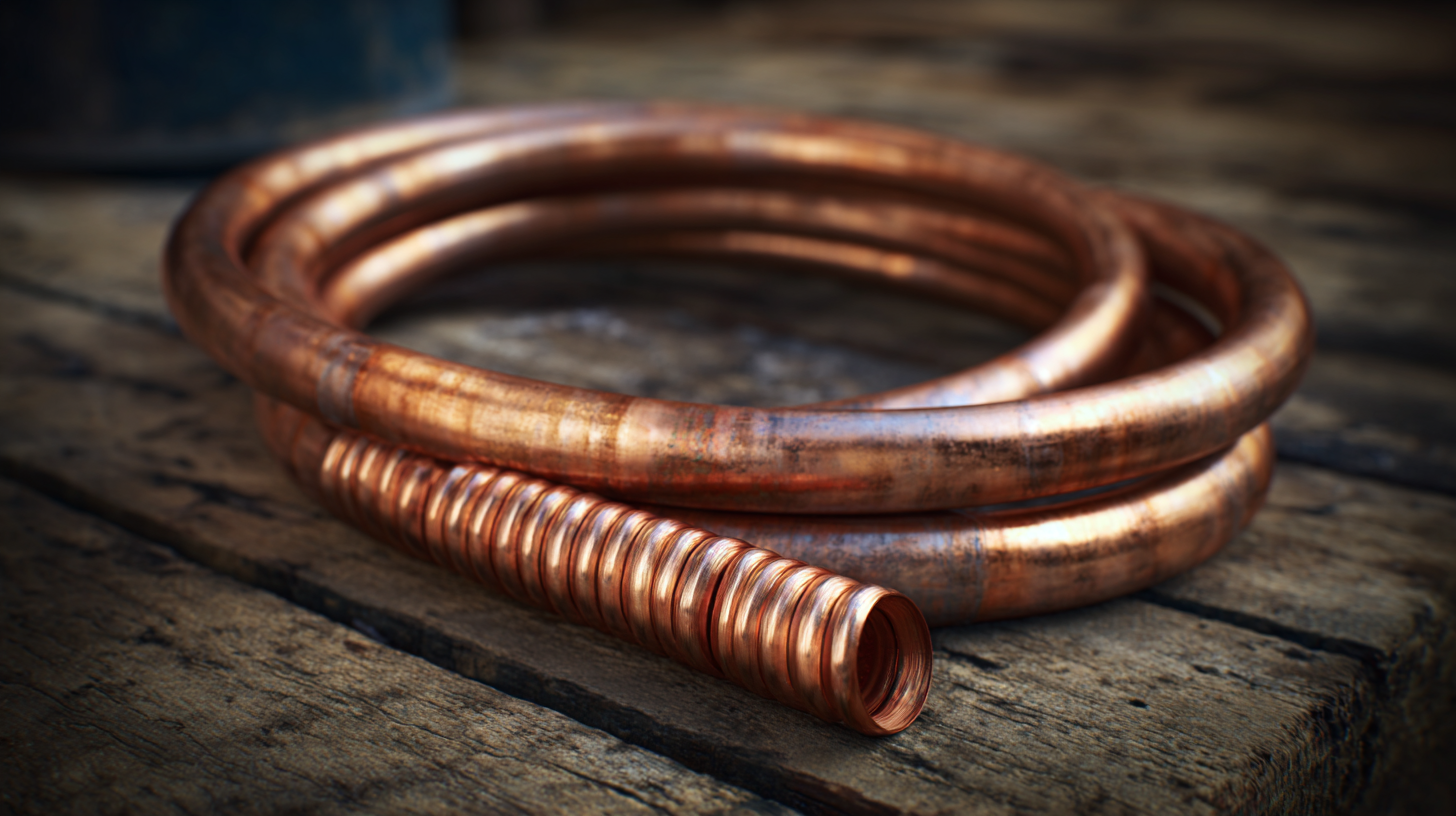 Copper, you see, is an awesome conductor of electricity, which means less energy gets lost as heat, making it super effective for things like solar inverters and wind turbines. Plus, it’s tough and resistant to rust, so it tends to last longer and saves you from costly repairs down the line.
Now, on the flip side, aluminum is lighter and usually cheaper, which sounds great at first. But it tends to have higher resistance, so more energy gets wasted, reducing overall efficiency. And steel? It’s really sturdy, but unfortunately, not a great conductor — so it doesn’t perform as well in energy setups. Sometimes, the initial savings with these alternatives might seem tempting, but they can lead to higher operating costs in the long run. That’s why, when you look at the whole picture, copper coils often turn out to be a smarter choice economically as well as sustainably. In the end, whatever material you pick doesn’t just affect upfront costs — it shapes how feasible and green the whole project will be over time.
Maintenance Tips for Maximizing the Life of Copper Coils in Energy Applications
If you want your copper coils in renewable energy setups to last longer and work more efficiently, regular maintenance is really key — trust me, it makes a difference. Taking good care of them not only boosts their performance but also saves you money in the long run. It’s a good idea to do routine checks now and then, looking out for any signs of wear, rust, or gunk buildup that could mess with how effectively they transfer heat. Also, keeping those coils clean and clear of debris is super important; it helps them stay at their best thermal conductivity, which is crucial for smooth energy system operation.
On top of that, using tech like electronically commutated motors (EC motors) can really help cut down on energy consumption, especially when paired with copper coils. These motors are way more efficient than the usual ones, which means lower operating costs. Bringing EC motors into the mix with your copper coil systems lets you enjoy the benefits of modern tech combined with high-quality components — leading to noticeable energy savings. So, understanding how good maintenance of copper coils interacts with using efficient motors can make a big difference in how well your energy systems perform and how sustainable they are overall.
Future Trends: The Role of Copper Coil in Advancing Renewable Energy Solutions
Looking ahead, the future of renewable energy really depends a lot on how copper coil technology keeps advancing. As more industries shift towards greener energy sources, it’s kinda hard to overstate how important copper coils are when it comes to making these systems more efficient. They play a key role in boosting the performance of all sorts of energy setups—think solar panels, electric vehicles, and whatnot. Because of their excellent conductivity, they help cut down energy waste and squeeze out more power, which is a big deal when you're trying to lower costs and get better efficiency.
On top of that, the North American market for copper tubes is expected to grow pretty rapidly, with projections hitting around USD 3.44 billion by 2030. That’s a clear sign there’s a big demand for copper coils across a bunch of applications in renewable energy tech. Plus, with new innovations around energy storage systems, copper is more important than ever—since efficient storage needs reliable materials that can handle high energy transfer without breaking a sweat. Overall, as the industry keeps evolving, it’s clear that copper solutions are going to play a huge role in shaping renewable energy tech—making sure it’s not just good for the planet but also economically practical and sustainable in the long run.
FAQS
: Copper coils improve the efficiency of renewable energy systems, reducing energy costs and enhancing performance due to their excellent electrical conductivity, which minimizes energy loss during transmission.
Copper coils can increase the efficiency of photovoltaic systems by up to 10%, leading to significant savings for both energy producers and consumers.
Copper's durability and corrosion resistance contribute to a longer lifespan of over 25 years for systems using copper components, which reduces maintenance costs and overall energy expenses.
Copper coils enhance energy production by optimizing energy transfer and minimizing losses, thanks to their excellent thermal conductivity and durability.
Recent advancements, such as the use of nanofluids in solar thermal systems and innovative magnet-free rotor winding processes, are enhancing the performance and reliability of copper coil technology in energy production.
Regular maintenance is crucial to identify signs of wear, corrosion, or debris buildup, which can affect heat exchange efficiency and overall performance, helping to maximize the lifespan and cost-effectiveness of copper coils.
Electronically commutated motors improve energy conservation in systems utilizing copper coils by being more energy-efficient than traditional motors, thereby reducing operational costs.
Collaboration between copper production and technology development companies focuses on sustainable practices, promoting effective use of copper and addressing supply chain challenges related to growing global demand for clean energy technologies.
Conclusion
So, I came across this article called "Unlocking the Efficiency of Copper Coils in Renewable Energy Systems and How It Affects Energy Costs," and honestly, it's pretty eye-opening. It dives into all the really big benefits of using copper coils to boost the performance of renewable energy setups. The author points out some pretty cool applications—showing how copper coils can really make a difference in maximizing energy output. Plus, there’s a detailed cost-benefit breakdown that clearly shows these coils are a smart economic choice compared to other materials out there.
The article also touches on how to maintain copper coils to keep them working longer and more effectively, which I think is super practical info. And it doesn’t stop there—there’s a look at what’s coming next, highlighting how copper coils are poised to play a bigger role in pushing renewable energy forward. Oh, and by the way, Jiangxi Guoxiang Electric Power Equipment Co., Ltd., is a leading high-tech company in this space, so they’re really in a good position to take these insights and develop integrated power solutions that include top-notch copper coil tech, all aimed at making energy more sustainable and cost-effective.
Honestly, it’s a pretty compelling read if you’re into renewable energy tech or just curious about how these tiny coils can make a big difference.