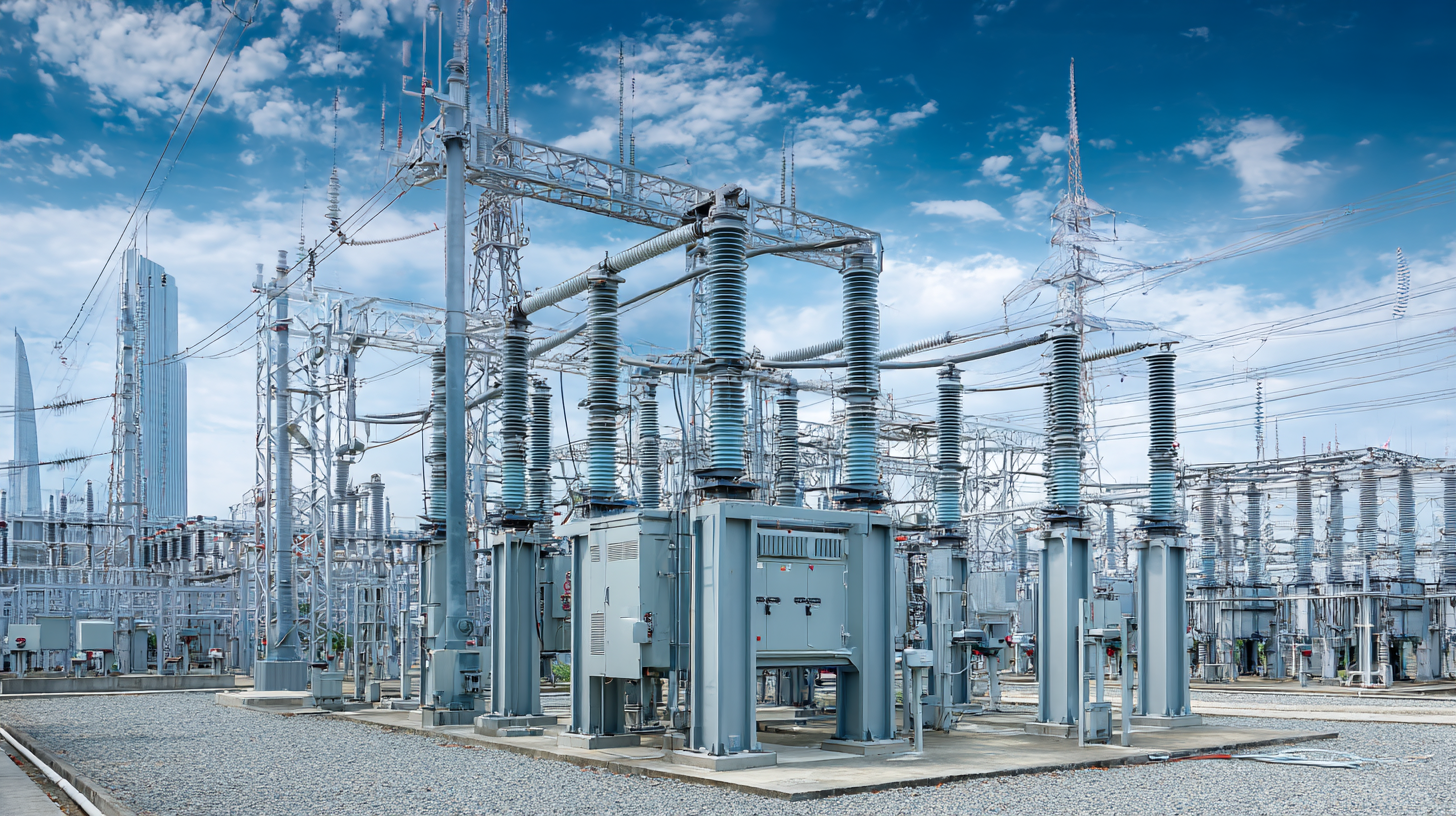
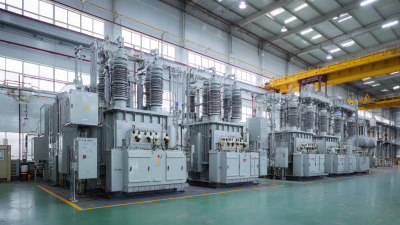
Hey there! So, when it comes to energy solutions, picking the right Electric Power Substations is super important if you want to keep things running smoothly and reliably. At Jiangxi Guoxiang Electric Power Equipment Co., Ltd., which we've been proudly running since 2016, we like to think of ourselves as a national high-tech powerhouse focused on delivering integrated power solutions. Our approach is pretty all-inclusive—covering research and development, manufacturing, sales, and engineering services—all designed to cater to a variety of energy needs. In this blog post, I’m excited to dive into seven solid reasons for choosing the best Electric Power Substations for your projects. We'll chat about the distinct features and uses of different types, plus I'll share some handy tips to help you make a well-informed choice that really fits your operational needs.
Importance of Reliable Electric Power Substations in Modern Energy Infrastructure
You know, reliable electric power substations really play a huge role in our modern energy setup. They’re like the backbone of the electric grid, making sure everything runs smoothly and efficiently. As the U.S. gears up to update its electric grid, there’s this push for programs that focus on resilience and innovation—it's all about keeping the lights on and making things better! Take the Grid Resilience and Innovation Partnerships Program, for example. It’s all about encouraging investments in cool, cutting-edge technologies that can help us adapt to shifting energy needs and bring in more renewable sources into the mix.
Now, if you're looking for something specific, let’s chat about substations that use solid-state Transformers (SSTs). These bad boys can really boost grid performance and are super important for smart grid systems. They help manage energy flows more effectively and let us keep track of electricity supply and demand in real-time.
But here’s the kicker: we’re facing a bit of a shortage when it comes to transformers, and it looks like it could get worse as demand keeps climbing. Reports are saying that by 2050, we’re going to need more transformers for the U.S. distribution grid than ever before. So investing in top-notch substations now is crucial—it’ll not only help us dodge future supply issues, but it’ll also pave the way for a cleaner energy future. Plus, this could really help with electrification in areas that have been left behind. How cool is that?
Importance of Reliable Electric Power Substations
This chart illustrates the importance of various factors in choosing reliable electric power substations. Each factor is rated on a scale from 1 to 10, highlighting their significance in modern energy infrastructure.
Key Features to Consider When Selecting Electric Power Substations
When you're on the hunt for electric power substations to meet your energy needs, there are a few key features you'll definitely want to keep an eye on. First up, you've got to consider the reliability of the equipment. With the energy landscape becoming more complex every day, it’s super important that substations are built to handle different conditions while still delivering that consistent power we all rely on. This reliability isn't just about the equipment itself; it’s also about the materials used in construction and the tech embedded in the systems.
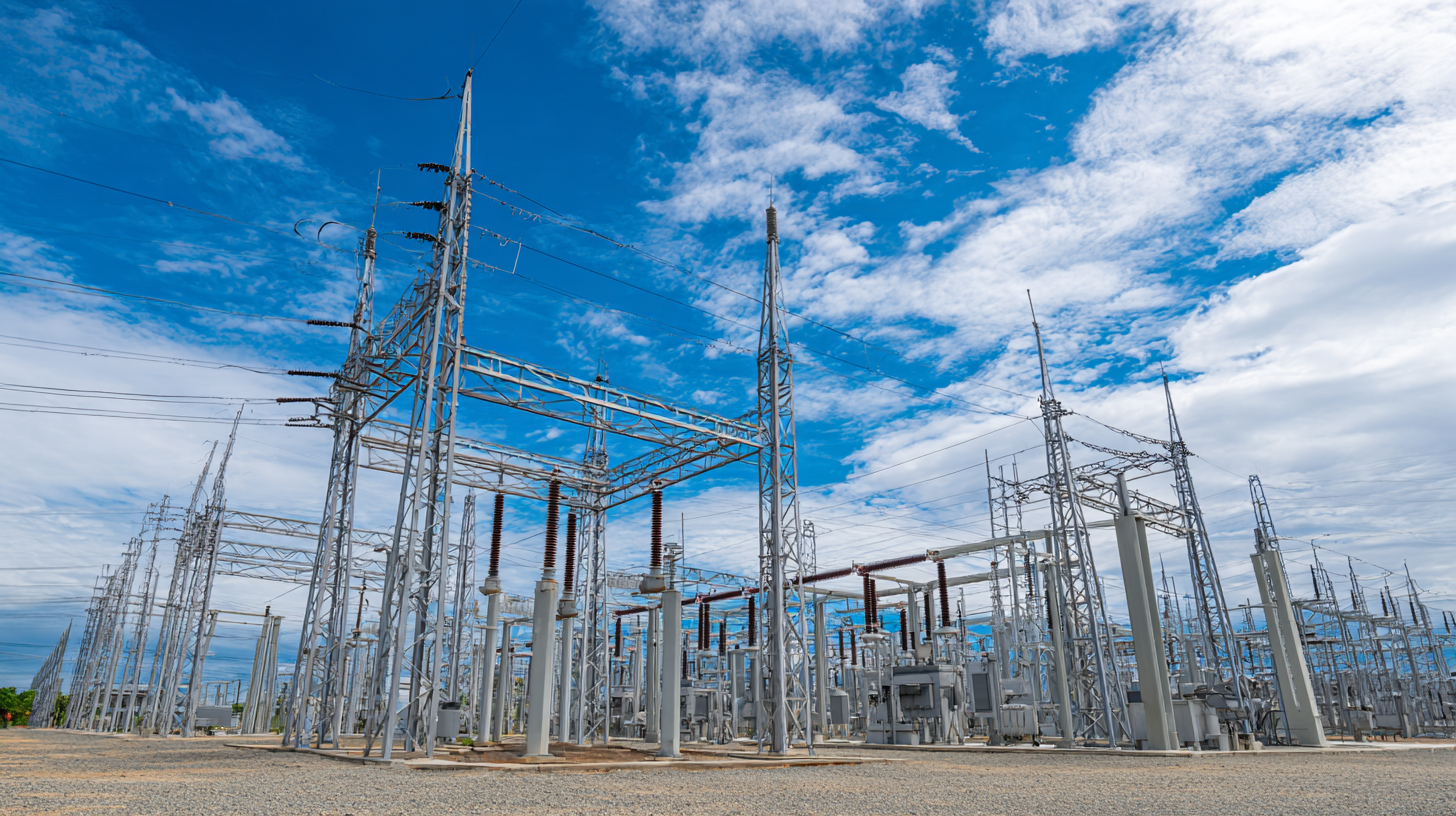
Next, let's talk about flexibility. As energy demands change, substations need to be able to keep up, especially with all the new tech coming into play—think solar generators and energy storage solutions. Have you noticed how portable power stations are becoming more popular? That just goes to show how crucial it is for these systems to integrate alternative energy sources and support off-grid setups. And hey, let’s not forget about sustainability; picking substations that help with efficient energy management and cut down on carbon emissions is really important these days.
Lastly, advanced monitoring and predictive maintenance capabilities should be on your radar. Intelligent systems, like those using thermal imaging and machine learning, can really ramp up operational efficiency. They help spot potential problems before they blow up into bigger issues, which means your substations can stay functional and effective. By keeping these critical features in mind, you can find electric power substations that not only meet your current energy needs but also gear you up for whatever the future might throw your way.
The Impact of Technological Advances on Substation Efficiency
You know, the way electric power substations have evolved really shows just how far technology has come. Thanks to all these advancements, energy distribution is way more efficient and reliable than ever. Nowadays, modern substations are packed with cool stuff like smart grid tech, IoT gadgets, and advanced automation systems. These tools don’t just make things run smoother; they also help cut down on human mistakes. With the ability to monitor things in real-time, these innovations can jump in right away when there’s an outage or some other issue. This means less downtime and a steady power supply, which is pretty awesome!
And let’s not forget about renewable energy. The way substations incorporate these sources has really changed the game. By using smart energy management systems and energy storage solutions, they can handle the ups and downs from solar and wind energy like pros. This flexibility not only meets the rising demand for clean energy but also helps use resources more wisely, which is a win-win for both utilities and us consumers. If utilities want to keep up in this ever-changing energy market, embracing these new technologies is a must!
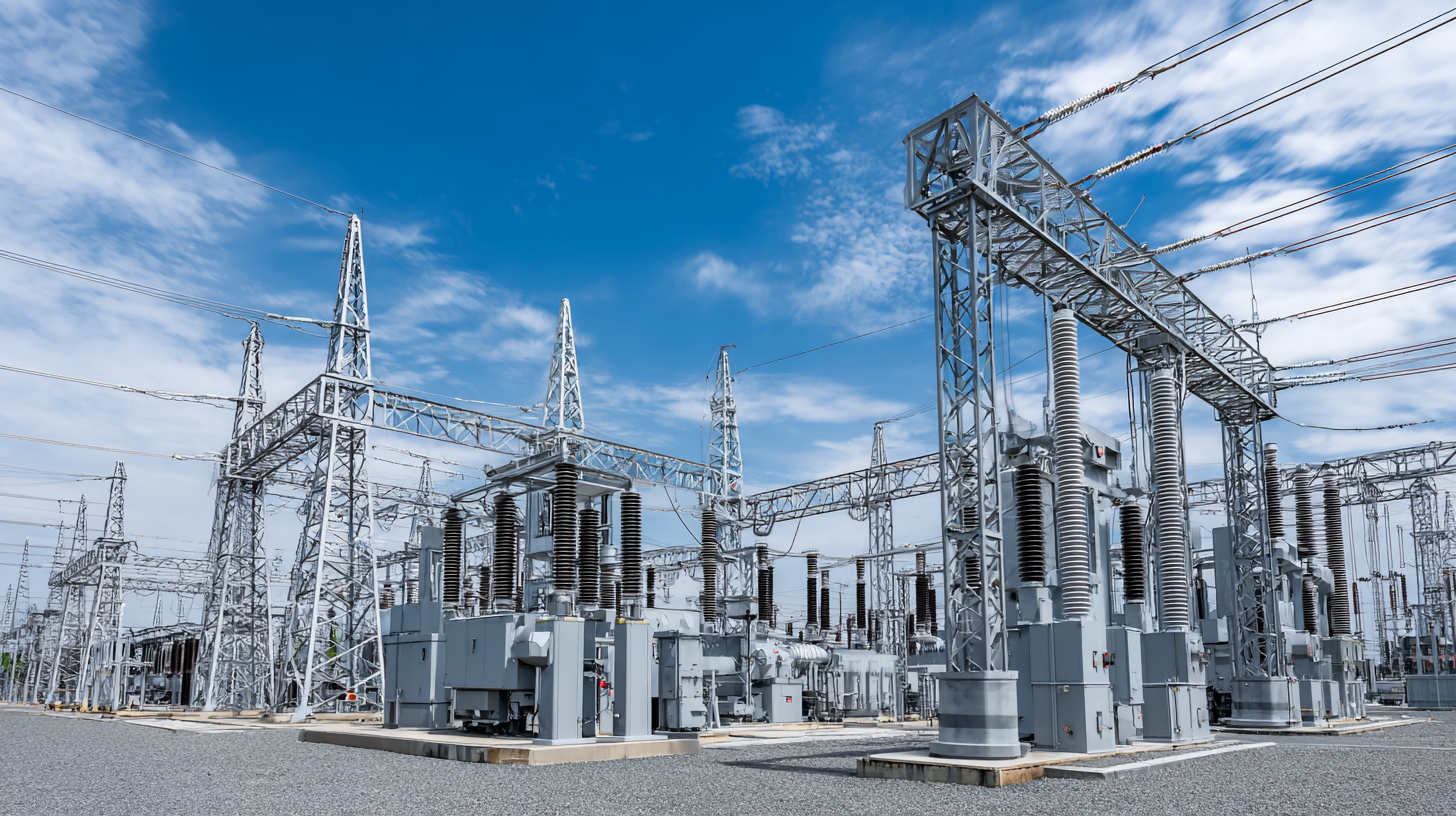
Sustainability and Environmental Considerations in Substation Design
You know, electric power substations are super important when it comes to distributing energy efficiently. The way they’re designed can really make a difference for sustainability and the environment. By incorporating eco-friendly practices in their designs, we can cut down on carbon footprints a ton, and that’s a big win for a cleaner energy future! Take renewable materials and advanced technologies, for example—they not only boost the substations' lifespan but also help reduce waste during construction. And let’s not forget about cool features like green roofs and permeable pavements; these can manage stormwater effectively and even help with local biodiversity, making the whole ecosystem around them tougher and more resilient.
But wait, there’s more! Modern substations can really tap into smart technologies that optimize energy use and ramp up operational efficiency. These nifty gadgets can keep track of energy demand in real-time, which makes load management so much easier and cuts down the need for fossil fuels during those crazy peak times. When energy providers focus on sustainability in how they design substations, they’re not just ticking boxes for regulations; they’re also building a solid relationship with the communities around them. This eco-friendly approach not only helps protect our natural resources but also positions substations as key players in the push for sustainable energy infrastructure.
Cost-Effectiveness: Long-Term Benefits of Investing in Quality Substations
When you're thinking about energy solutions for homes and businesses, one of the big things to keep in mind is the cost-effectiveness of high-quality electric power substations. Sure, putting money into reliable substations can feel like a hefty upfront investment, but honestly, it pays off in the long run. These top-notch substations are built to handle bigger loads and run more efficiently, which means they need way fewer repairs and maintenance compared to the cheaper alternatives out there. That kind of reliability? It really drives down operational costs over time, helping energy providers keep their prices competitive for customers.
Plus, modern substations are getting a boost from advanced technologies that really make them more cost-effective. With these new tools, the grid becomes more reliable, and energy distribution is managed a whole lot better, which cuts down on outages and downtime. Utilities can set up smarter systems within these substations, allowing them to pivot quickly to meet demand changes. This proactive approach isn’t just good for the bottom line; it keeps customers happy and supports a more sustainable energy ecosystem. So really, deciding to invest in quality substations isn’t just about spending money; it’s a smart step toward a more efficient and reliable energy future.
7 Compelling Reasons to Choose the Best Electric Power Substations for Your Energy Needs - Cost-Effectiveness: Long-Term Benefits of Investing in Quality Substations
| Reason | Description | Initial Investment ($) | Estimated Lifespan (Years) | Annual Maintenance Cost ($) | Long-Term Savings ($) |
| High Efficiency | Quality substations have higher Energy Efficiency, translating to reduced energy losses. | 50,000 | 30 | 1,000 | 15,000 |
| Durability | Designed to withstand harsh conditions and maintain performance over time. | 70,000 | 40 | 1,200 | 20,000 |
| Reduced Downtime | Minimize outages and maintenance interruptions, enhancing operational efficiency. | 60,000 | 35 | 800 | 10,000 |
| Enhanced Safety | Quality systems include safety features that protect workers and equipment. | 65,000 | 30 | 900 | 12,000 |
| Scalability | Allows for easy upgrades and expansions as energy demand grows. | 55,000 | 40 | 950 | 18,000 |
| Regulatory Compliance | Meet or exceed industry regulations, reducing legal risks. | 75,000 | 25 | 700 | 14,000 |
| Technological Advancements | Incorporation of the latest technologies for better performance and reliability. | 80,000 | 45 | 1,100 | 22,000 |
Future Trends in Electric Power Substation Technology and Design
You know, as more folks start looking for reliable and efficient energy solutions, we're really on the brink of some major changes in electric power substation technology. One of the coolest things happening is the whole integration of smart grid technologies. These allow us to monitor energy distribution in real-time and fine-tune it as needed. Just think about it: according to the International Energy Agency (IEA), if we invest in smart grids, we could boost global energy efficiency by up to 15%! That’s not just a number; it could really slash operational costs and help make our energy infrastructure a lot sturdier.
Then there’s this big shift toward sustainable energy. We’re seeing more renewable sources making their way into substations. A report from Deloitte suggests that by 2025, around 60% of new power generation capacity will be coming from renewables. That's huge! But it also means we need to get creative with substation designs—think modular and scalable setups that can handle the unpredictable nature of renewables. This way, we can make sure we always have a steady power supply. And don’t forget about digital twin technology! It’s all about using advanced predictive maintenance to up reliability and cut down on downtime in power substations. In the end, that’s a win-win for both consumers and the energy sector.
FAQS
: Electric power substations are essential for ensuring the stability and efficiency of the electric grid, especially as efforts to modernize and innovate the grid continue.
SSTs enhance grid performance by providing innovative solutions that improve energy flows and facilitate real-time management of electricity supply and demand within smart grid setups.
There is an imbalance in transformer supply that is expected to worsen as demand increases, with projections indicating that by 2050, the U.S. distribution grid will require more transformers than ever.
Technological advancements have led to enhanced efficiency and reliability through the incorporation of smart grid technologies, IoT devices, and advanced automation systems, which streamline operations and reduce human error.
Modern substations utilize advanced energy management systems and energy storage solutions to efficiently manage fluctuating energy inputs from solar and wind, supporting the transition to clean energy.
Investing in high-quality substations leads to significant long-term savings due to reduced operational costs, lower frequency of repairs, and enhanced reliability, which helps sustain competitive pricing.
Advanced technologies enhance grid reliability and facilitate better energy distribution management, minimizing outages and downtime, which ultimately lowers operational costs and improves service quality.
By implementing smarter systems within substations, utilities can optimize operations and respond quickly to demand fluctuations, which enhances customer satisfaction and promotes a sustainable energy ecosystem.
Real-time monitoring capabilities allow for immediate responses to outages or faults, minimizing downtime and ensuring a consistent power supply for users.
Embracing technological advancements is crucial for utilities to remain competitive in a dynamic energy market, as it allows them to enhance efficiency and adapt to changing energy demands.