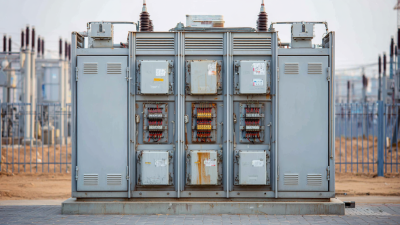
As the world of electrical infrastructure keeps evolving, the High Voltage Distribution Box actually plays a pretty crucial role in making sure power gets distributed and managed smoothly. From what the latest market reports are saying, demand for these high voltage distribution systems is expected to grow by over 6% annually up until 2025. That’s mainly thanks to rapid urbanization and folks’ increasing need for a dependable energy supply.
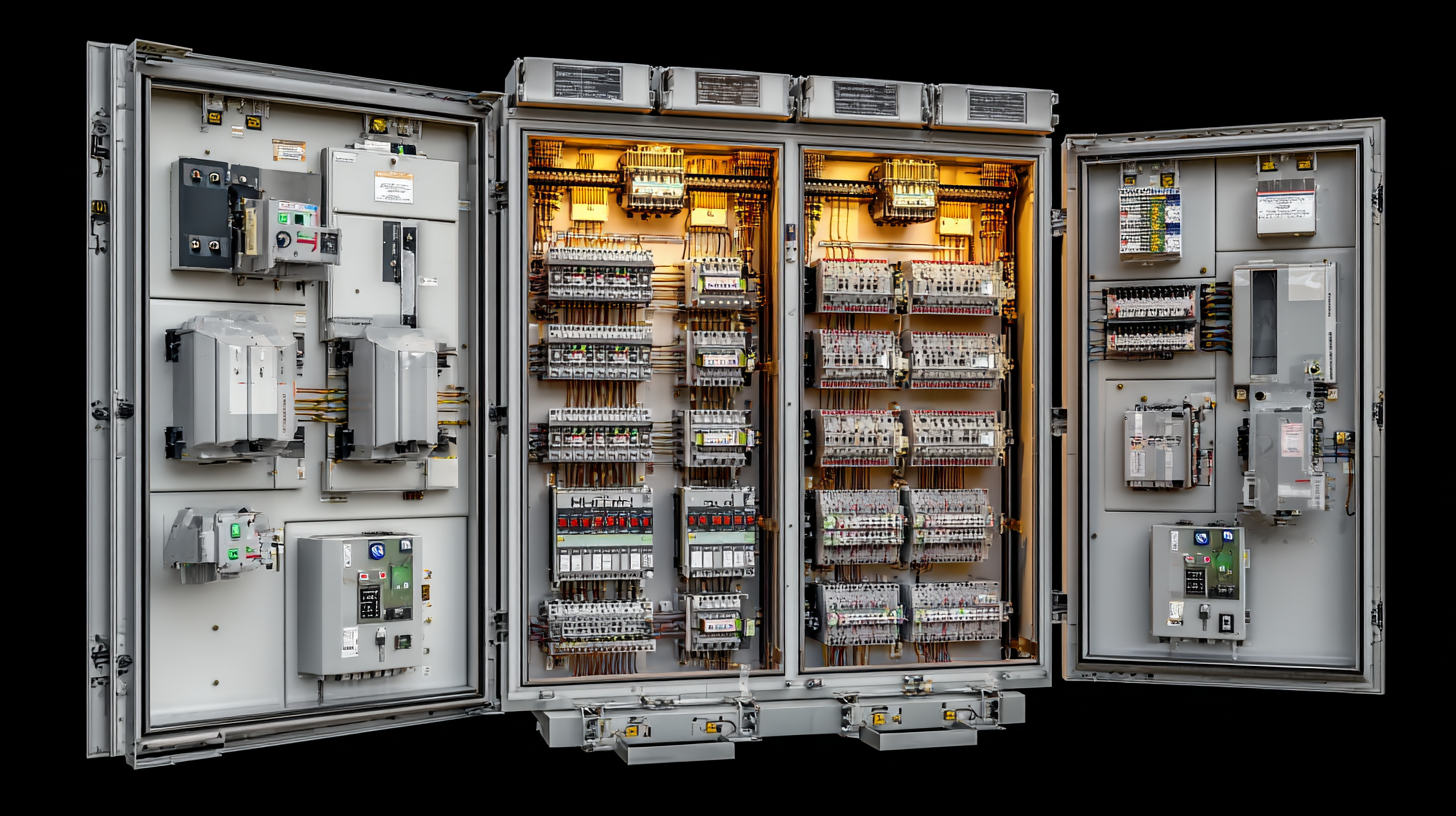
At Jiangxi Guoxiang Electric Power Equipment Co., Ltd., we’re a high-tech company that started back in 2016. We focus on offering complete power solutions—including research and development, manufacturing, sales, and engineering—so everything’s covered. Our innovative high voltage distribution boxes don’t just make electrical networks safer and more reliable—they also help improve the overall efficiency of power systems. In this blog, I want to give you a clear overview of the different features and benefits of these boxes, so stakeholders can make smarter decisions when it comes to electrical distribution stuff.
Key Features of High Voltage Distribution Boxes: An In-Depth Overview
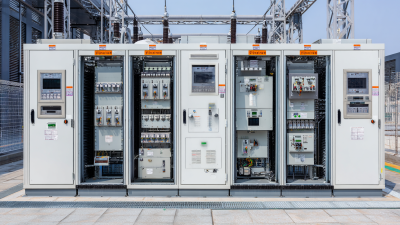
High voltage distribution boxes are pretty essential when it comes to modern electrical systems—they make sure power is managed safely and efficiently. At Jiangxi Guoxiang Electric Power Equipment Co., Ltd., we truly understand just how important these devices are for providing reliable energy solutions. Our high voltage distribution boxes aren’t just your average units; they’re built with features that boost their performance and make them adaptable across different kinds of industrial environments. Think durable materials that can handle tough conditions, smart thermal management to stop overheating, and intuitive interfaces that are easy to use without a hassle.
One thing our clients really appreciate is how customizable these boxes are. Whether it’s for renewable energy setups, commercial buildings, or heavy industry, we can tailor them to fit specific needs. Plus, with built-in protections like overload and short-circuit safeguards, they help keep everything safe and extend the lifespan of the electrical systems. As a national high-tech company, Jiangxi Guoxiang is all about pushing the boundaries of power distribution tech and offering complete engineering solutions that grow with our clients’ demands.
Understanding the Benefits of Enhanced Safety Protocols in Distribution Systems
Hey, have you ever thought about how quickly the energy scene is changing these days? It feels like every day there's some new safety rule or tech in high-voltage power systems. And honestly, those smart new technologies? They’re not just about making things more efficient—they’re also crucial for safety. Companies like Jiangxi Guoxiang Electric Power Equipment Co., Ltd. are really leading the charge here, working on the latest solutions that prioritize keeping everyone safe and making the systems trustworthy. By adding tighter safety measures and smarter monitoring tools, they’re really making a difference, cutting down on the risks that come with handling such high voltages.
On top of that, with more and more renewable energy popping up everywhere, we need smarter ways to manage all these new sources. As renewables become a bigger part of the mix, it’s super important to have strong safety protocols in place—not just to protect the infrastructure, but also the people working on it. That’s where advanced distribution management systems come into play—they help keep an eye on how everything’s running and stop problems before they even happen. Thanks to Industry 4.0 stuff—like AI and machine learning—companies can analyze data in real-time, improving safety even further and making sure our power grids are ready for whatever the future throws at us.
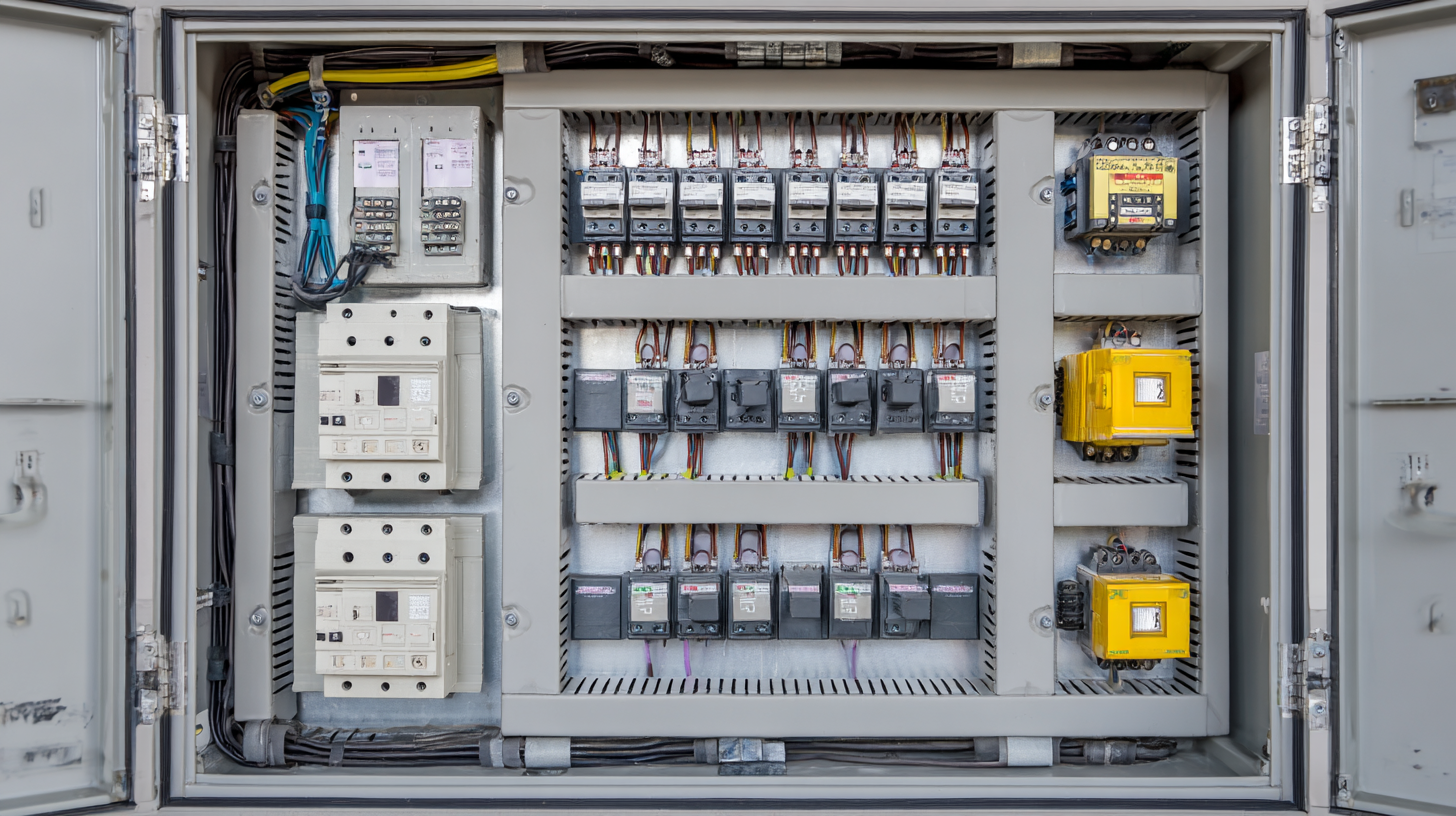
Efficiency Metrics: How High Voltage Distribution Boxes Reduce Energy Loss
High voltage distribution boxes, or HVDBs for short, are actually pretty important when it comes to making our electrical systems more energy-efficient. Basically, they help distribute power more smoothly, which means less energy is wasted — a common problem with old-school setups. One of the main perks of these boxes is their ability to cut down on resistive losses. Thanks to some pretty advanced materials and smart design, they conduct electricity better and stay cooler, so more of the power gets where it’s supposed to go without losing energy as heat.
And it doesn’t stop there. Modern HVDBs come packed with smart tech that’s a real game-changer. They can continuously monitor energy flow, spot any issues right away, and even balance the load to prevent overloading. This kind of real-time management not only boosts efficiency but also helps cut down on energy use overall. As industries push harder toward sustainability, using these feature-rich boxes isn’t just about keeping things running smoothly — it’s also a move towards caring for our planet. Honestly, embracing this kind of technology feels like a no-brainer for a more efficient and greener future.
Comparative Analysis: Different Technologies in High Voltage Distribution Solutions
In today's world of high voltage distribution, choosing the right technology can really make a difference — it impacts everything from how efficient things are to safety and your overall costs. Jiangxi Guoxiang Electric Power Equipment Co., Ltd., was founded in 2016, and we totally get how important it is to understand these different options. We’ve put together a detailed comparison of various technologies, highlighting their key features and benefits so businesses can make smarter, tailored decisions that suit their unique needs.
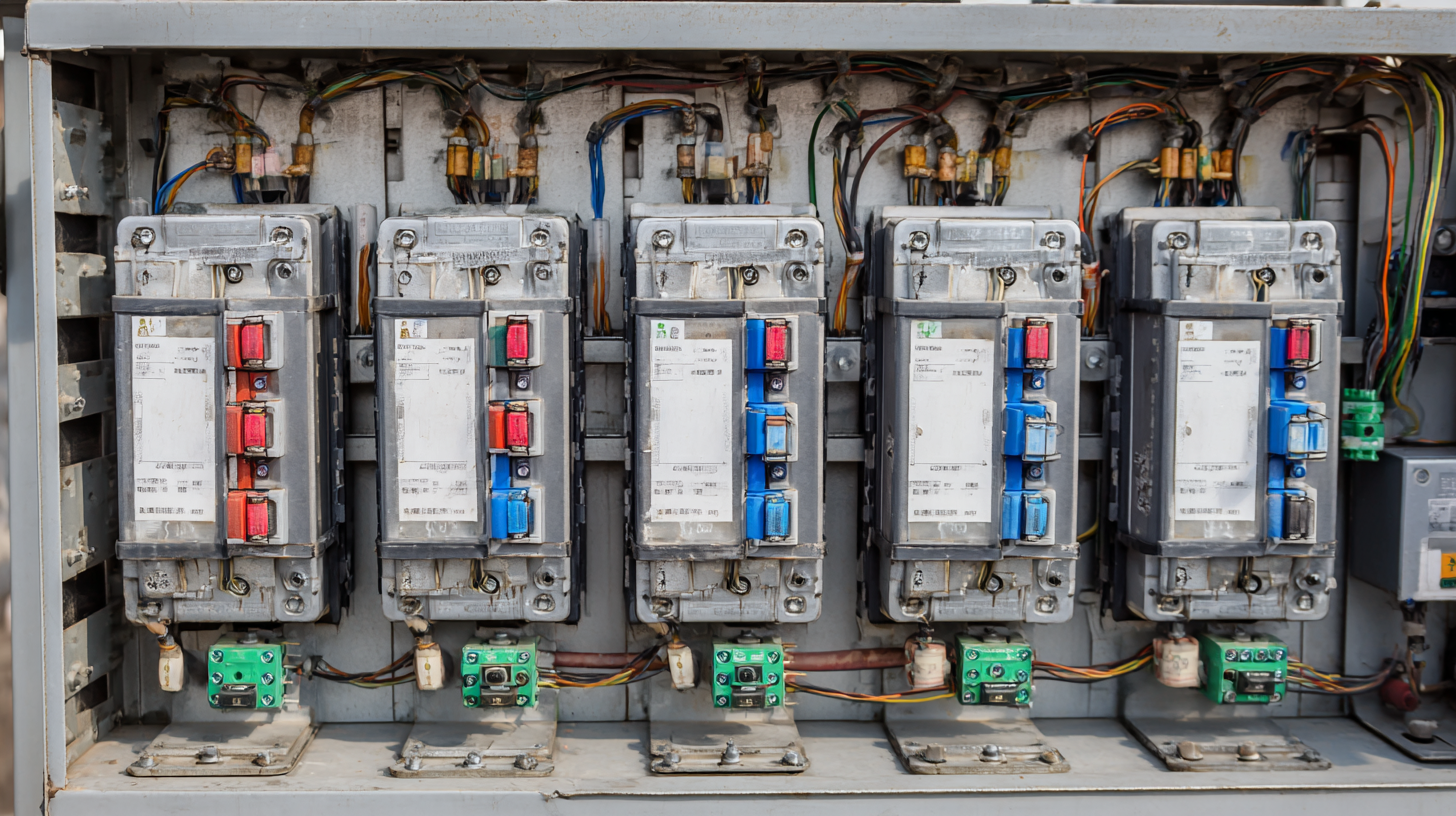
One of the big game changers right now are digital substations. They've really revolutionized things by offering better monitoring and control. Unlike the old-school methods, digital solutions give you real-time data analytics, which boosts reliability and makes preventive maintenance way easier. Plus, standards like IEC 61850 help different devices work together smoothly, making it easier to plug into existing setups. By taking advantage of these advancements, companies can really optimize their high voltage systems for top-notch safety and efficiency.
At Jiangxi Guoxiang, we take pride in providing full-service power solutions — from R&D and manufacturing to sales and engineering. We’re always pushing for innovation, so our clients stay ahead with the latest tech, all while ensuring safety and reliability are built into everything we do.
Cost-Benefit Analysis: Investing in Quality Distribution Boxes for Long-Term Savings
When you're looking into high voltage distribution boxes, it really pays to do a proper cost-benefit check. Sure, the upfront price might be a bit steeper, but investing in a quality model can save you a ton in the long run. These top-notch boxes tend to be more durable, come with better safety features, and just generally perform better, which means you won’t have to replace them as often. That all adds up to lower maintenance costs and fewer power outages—that’s a big win for keeping your operations running smoothly.
Here's a little tip: try to look at the bigger picture when calculating total costs. Think about installation, ongoing maintenance, and possible downtime. Sometimes those cheaper options end up costing you more in the end because of unexpected repairs or interruptions. The long-term savings from quality gear can really make a difference.
Plus, tough high voltage boxes with good features give you better protection against the elements and operational risks. This means your expensive equipment stays safer, and you avoid those costly repairs from system glitches or failures. Honestly, spending a bit more upfront can pay off by reducing the number of incidents and inspections over time.
And don’t forget—it's often a smart move to chat with industry pros about what features your specific setup really needs. Picking the right box for your operational demands can seriously maximize your investment and give you peace of mind.
Industry Standards and Regulations Impacting High Voltage Distribution Box Design
When it comes to designing high voltage distribution boxes, a lot depends on industry standards and regulations—these rules are really what keep everything safe and running smoothly. Organizations like the IEEE (Institute of Electrical and Electronics Engineers) and NEMA (National Electrical Manufacturers Association) set out guidelines that detail everything from what materials to use, insulation requirements, to the overall build quality. Following these standards isn’t just about compliance; it actually makes power systems more reliable and helps prevent accidents that could put people or equipment at risk.
Then there are the regulatory frameworks like the NEC (National Electrical Code), which play a big role in shaping these boxes’ features. They specify things like proper grounding and the right clearances to reduce the chances of electrical faults or hazards. Plus, as technology advances, standards are evolving too, encouraging manufacturers to add modern safety features—think digital monitoring or better insulation materials. Bottom line? By sticking to these guidelines, manufacturers can ensure their high voltage boxes are safe, efficient, and durable across different environments. It’s all about making sure everything works well and stays safe in the long run.
A Comprehensive Comparison of High Voltage Distribution Box Features and Benefits
| Feature | Description | Benefits | Industry Standards | Regulatory Compliance |
| Insulation Type | Materials used to prevent electrical breakdown. | Increases safety and system reliability. | IEC 60076 | Compliance with local electrical safety standards. |
| Short-Circuit Protection | Devices that prevent circuit damage during faults. | Minimizes downtime and repair costs. | IEC 61439 | Meets national and international safety codes. |
| Temperature Rating | Maximum operating temperature of the box. | Ensures durability and longevity in various environments. | IEEE C37.20.7 | Conforms to environmental adaptability standards. |
| Ingress Protection Rating | Level of protection against dust and moisture. | Extends operational life and reduces maintenance. | IEC 60529 | Ensures adherence to protective measures. |
| Remote Monitoring | Technology for real-time supervision and alerts. | Enhances operational efficiency and response times. | None specified | Promotes safety and proactive maintenance strategies. |
FAQS
: HVDBs ensure safe and efficient power management in modern electrical systems, playing a crucial role in delivering reliable energy solutions.
Key features include robust construction materials, advanced thermal management systems, scalability for various applications, and user-friendly interfaces.
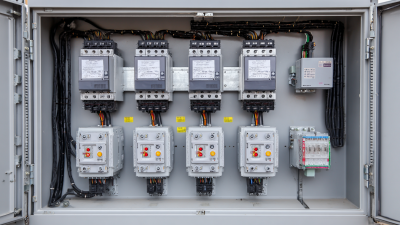
HVDBs incorporate integrated protection mechanisms such as overload and short-circuit protection, along with advanced monitoring systems to reduce risks associated with high voltage operations.
Yes, HVDBs can be tailored to meet the specific requirements of diverse applications, including renewable energy projects, commercial facilities, and heavy industrial operations.
HVDBs minimize energy loss by optimizing the distribution of electrical power, lowering resistive losses, and utilizing advanced materials that enhance conductivity.
Smart technology in HVDBs allows for real-time monitoring and management of energy flow, helping to identify inefficiencies, prevent overloading, and maintain balanced load distribution.
Enhanced safety protocols provide support for efficiency and reliability, help safeguard infrastructure and personnel, and reduce operational risks in high voltage environments.
The integration of renewable energy sources necessitates smarter management systems to ensure safety and efficiency, which is essential for modern energy networks.
Their feature-rich HVDBs support operational efficiency and align with global energy conservation goals, contributing to sustainability in industrial operations.
Developments in Industry 4.0 technologies, such as AI and machine learning, are enabling real-time data analysis to enhance safety standards and optimize performance in distribution systems.
Conclusion
So, in our latest blog titled "A Deep Dive into High Voltage Distribution Box Features and Benefits," we really get into what makes these crucial little components tick in today's electrical systems. We start off by taking a closer look at the key features of High Voltage Distribution Boxes, especially focusing on safety measures that protect both folks working on these systems and the equipment itself. Then, we chat about how these boxes actually help make things more efficient—like cutting down energy waste quite a bit.
We also compare different technologies out there for these boxes, and I explain the long-term benefits of investing in good quality gear—think of it as saving money in the long run. Toward the end, we touch on the industry standards and rules that influence how these systems are designed and built. All in all, we’re highlighting just how important reliable, efficient High Voltage Distribution Boxes are for creating smarter, more sustainable power solutions down the line.