inquiry
Inquiry
Form loading...
0%

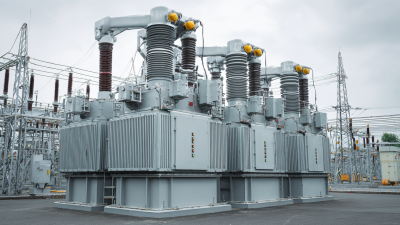
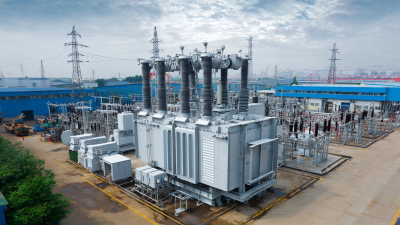
Picking the right type of Power Transformer really matters when it comes to meeting your energy needs. It’s something that can honestly make a big difference in how efficient and safe your setup is. There are several options out there, like theDry Type Power Transformer, which is actually becoming pretty popular these days.

Figuring out exactly what your application needs is super important. Every transformer has its pros and cons, and things like how much load it has to handle, where you plan to install it, and how it’s cooled all play a role in what you should choose.

Most companies offer a bunch of different options, but not every one will be the perfect fit for your situation. Take some time to really think about what you need now—and also what those needs might look like down the line. Remember, what works perfectly today might not cut it tomorrow. Striking the right balance between cost, quality, and getting the job done is key to making sure your system runs smoothly and efficiently.
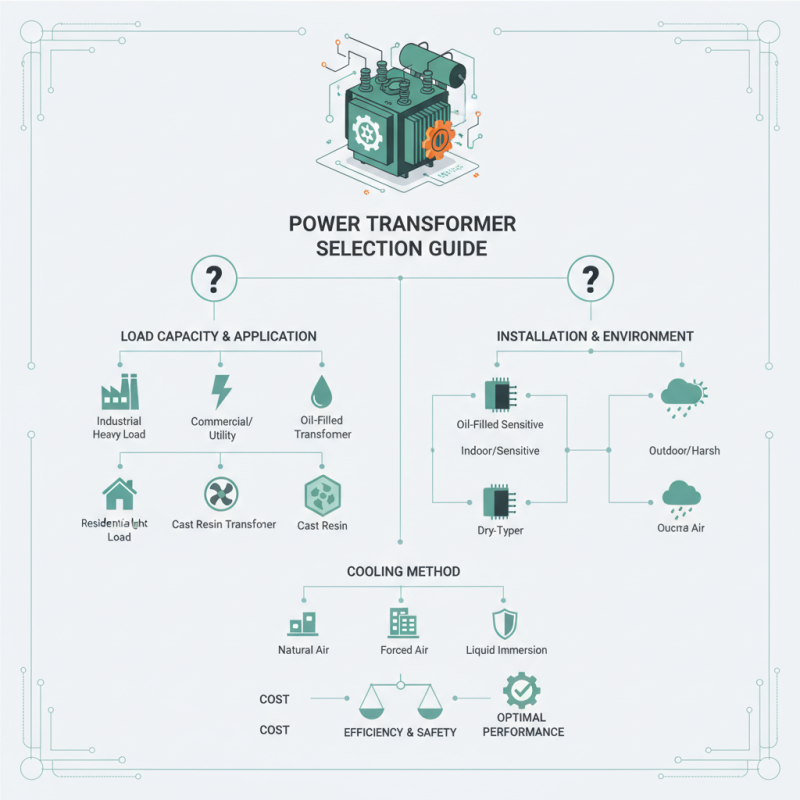
How to Choose the Right Power Transformer Type for Your Needs?

Understanding Power Transformers: Types and Functions

Power transformers play a crucial role in electrical systems. They are essential for adjusting voltage levels during power transmission. Understanding the different types of power transformers helps in choosing the right one for your needs. There are two main types: step-up and step-down transformers. Step-up transformers increase voltage for long-distance transmission, while step-down transformers lower voltage for consumer use.

When selecting a transformer, consider your power requirements. Calculate the wattage of your electrical devices. This ensures you choose a transformer that can handle the load without overheating. Choosing the right size is vital. An undersized transformer may fail, while an oversized one can be inefficient.

Tips: Always check the transformer's rating. Look for the voltage and wattage specifications. Don’t rush the decision-making process. Evaluate your options and compare features. You might notice some brands have confusing specifications. Take your time to understand them. Reflect on your long-term needs, as technology may evolve. Investing time in your choice can save money in the future.

Key Factors to Consider When Selecting a Power Transformer

When selecting the right Power Transformer Type for your project, several key factors come into play. Each project has unique demands. Understanding these needs is crucial for optimal performance. According to industry reports, over 70% of transformer failures are due to improper sizing. This statistic highlights the importance of thorough analysis.

Consider load requirements carefully. Power transformers are often rated in MVA. Know your peak demand and any potential fluctuations. It’s wise to account for future expansions, too. A transformer that meets today’s needs may fall short tomorrow. Think about location as well. Environmental factors can affect durability and efficiency. A transformer in a humid area needs different specifications than one in a dry climate.

Tips:Ensure you review your power quality requirements. Distortion can impact efficiency. Budget constraints also play a role in decision-making. Sometimes, the cheapest option may lead to higher long-term costs. Addressing these areas thoughtfully can guide you toward the right Power Transformer Type. Remember, investing time upfront can prevent issues later on. Always consult with experts if uncertain.

Comparing Different Types of Power Transformers

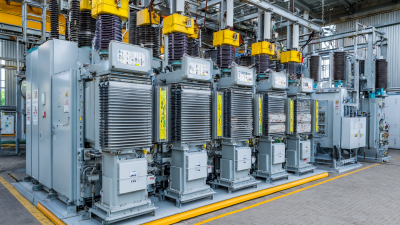
Choosing the right power transformer is crucial. Different types serve distinct needs. For instance, a Dry Type Transformer is often preferred for commercial settings. It minimizes fire risks and requires less maintenance. However, its cooling capacity is limited compared to oil-filled transformers.

On the other hand, oil-filled transformers offer superior cooling. They can handle high loads effectively. But, they need regular inspections for leaks. This adds to operational costs. Furthermore, they may not be ideal for indoor use due to safety concerns.

Smaller facilities might find that a Dry Type Transformer fits their budget better. Yet, the initial cost can be higher than anticipated. Assessing your electricity needs and environmental factors is vital. Making the right choice can be overwhelming without the right knowledge.

Power Transformer Type Comparison

Applications of Power Transformers in Various Industries

Power transformers play a crucial role in various industries. They manage voltage levels and ensure efficient power distribution. In manufacturing, these transformers are often used for heavy machinery. They protect equipment and enhance reliability.

In renewable energy, power transformers are essential. Wind farms and solar plants rely on them to convert and transmit energy. A 1000 Kva Dry Type Transformer, for example, is commonly employed in these setups. It is favored for its safety and minimal environmental impact.

Tips for choosing the right transformer include assessing your power needs. Check your equipment's voltage requirements and consider space limitations. Maintenance is another critical factor; make sure you understand maintenance needs to ensure longevity. Always plan for future expansion. Sometimes, you might underestimate your future needs. Remember to be realistic about your current and future power demands.

Evaluating Efficiency and Performance of Power Transformers

How to Choose the Right Power Transformer Type for Your Needs?

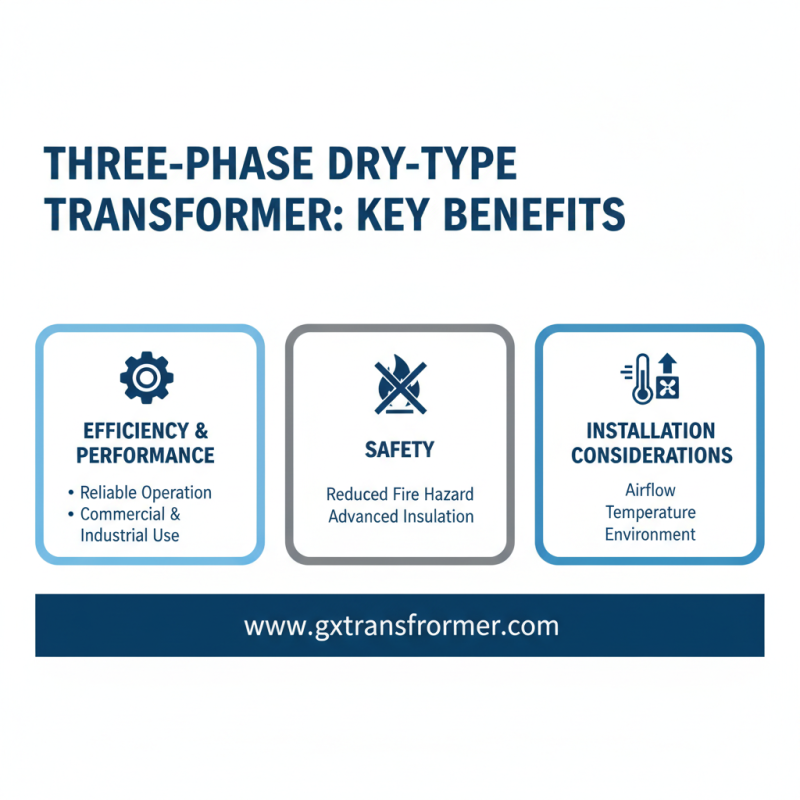
When selecting a power transformer, efficiency and performance are crucial factors. A Three Phase Dry Type Transformer stands out for its reliability. It operates well in both commercial and industrial settings. Its insulation helps reduce risks of fire hazards. This can be a significant advantage. However, consider the installation environment carefully. Airflow and temperature can affect performance.

Efficiency is often measured in voltage regulation and losses. A transformer that runs at high efficiency minimizes energy waste. Yet, many users overlook load management. Underloading or overloading a transformer can lead to inefficiencies. This might necessitate a reassessment of your usage patterns. Regular check-ups can preempt issues down the road, promoting longevity.

Performance also hinges on the right specifications. For instance, kVA ratings indicate the power capacity. If you choose incorrectly, it might result in inadequate performance. Many users mistakenly prioritize initial cost over long-term benefits. The cheaper option may cost more in repairs later. Understanding these nuances can enhance operational efficiency. Always reflect on the unique needs of your application.

Installation and Maintenance Considerations for Power Transformers

When it comes to power transformers, installation and maintenance can significantly impact performance. Proper installation is crucial for efficiency. According to a recent industry report, nearly 30% of operational issues stem from improper setup. This highlights the need for skilled technicians during installation. They should follow manufacturer specifications and local codes. Ensure adequate space around the transformer to allow for heat dissipation.

Maintenance plays a vital role in longevity. Regular inspections are essential. Studies show that proactive maintenance can extend transformer life by up to 20 years. Common tasks include checking insulation resistance and monitoring temperature levels. Ignoring minor issues can lead to major failures. For instance, a simple oil leak can cause short circuits. Operators must prioritize these checks to avoid costly repairs.

The environment also affects transformer performance. Extreme weather can influence temperature and humidity levels. Transformer's cooling systems should be inspected regularly, especially in harsh climates. A failure to maintain these systems can lead to overheating. This poses risks not only to the transformer but also to the connected equipment. Keeping detailed maintenance logs can help identify patterns, but many overlook this practice.

Cost Implications in Choosing the Right Power Transformer

Choosing the right power transformer type can significantly impact your project costs. A report by the International Energy Agency (IEA) highlighted that a well-selected transformer can reduce energy losses by up to 15%. However, the initial investment varies widely. For instance, standard transformers might cost you around $10,000, while specialized types can exceed $50,000.

Opting for a more efficient design may incur higher upfront costs. Nevertheless, this often leads to reduced operational expenses. The balance between cost and performance can be tricky. For projects with limited budgets, selecting a standard transformer might seem appealing. But keep in mind the potential long-term inefficiencies.

Tips: Consider your project's scale. Smaller projects may not require high-end transformers. Evaluate your energy requirements thoroughly. Also, factor in after-sale service costs, which can vary. Proper research can save you money.

Energy efficiency should be a priority. Reports indicate that inefficiencies in transformers can lead to significant losses over time. Reflecting on these aspects is essential. The choice can seem overwhelming. Finding a middle ground between cost and efficiency may feel challenging. But it is crucial for your success.

How to Choose the Right Power Transformer Type for Your Needs? - Cost Implications in Choosing the Right Power Transformer

Transformer Type Primary Application Typical Power Rating (kVA) Cost Range ($) Efficiency (%)
Step-Up Transformer Renewable Energy 50 - 1500 2000 - 8000 95 - 98
Step-Down Transformer Industrial Applications 75 - 2000 1500 - 7000 92 - 95
Isolation Transformer Sensitive Equipment 1 - 500 500 - 3000 90 - 97
Distribution Transformer Power Distribution 50 - 5000 2000 - 15000 95 - 99
Auto Transformer Voltage Regulation 10 - 3000 1000 - 6000 96 - 98

FAQS

: What is the main purpose of this product?

: This product aims to improve everyday convenience and efficiency. It simplifies tasks for users in various settings.

Who can benefit from using this product?

Anyone looking to enhance their daily routine can benefit. It is suitable for students, professionals, and homemakers alike.

How does this product function?

It operates using a straightforward interface. Users can easily navigate through different features and settings.

Are there any compatibility issues?

Some users may experience compatibility issues with older devices. Checking compatibility before purchase is recommended.

Can I use this product outdoors?

Yes, it can be used outdoors. However, extreme weather might affect its performance and durability.

What kind of maintenance does this product require?

Regular cleaning and occasional software updates are advised. Neglecting maintenance may lead to decreased efficiency over time.

Is customer support available for this product?

Yes, customer support is accessible through various channels. Yet, response times may vary, sometimes leading to delays.

Can I return the product if I’m not satisfied?

A return policy exists, allowing dissatisfied customers to return the product. Review return guidelines carefully to avoid issues.

Is there a warranty on this product?

Yes, a warranty covers manufacturing defects. Read the warranty terms closely to understand the coverage limits.

What if I encounter a problem while using it?

Users may face issues from time to time. Consulting the troubleshooting guide or seeking support can help resolve these problems.

Conclusion

Selecting the right power transformer type is crucial for optimizing electrical systems in various applications. Understanding the types and functions of power transformers is the first step in this process. Key factors to consider include voltage requirements, capacity, and the specific needs of your industry. Each type of power transformer offers distinct advantages, making it essential to compare their performance and efficiency.

In addition to technical specifications, installation and maintenance considerations can significantly impact the longevity and reliability of power transformers. Lastly, evaluating the cost implications associated with different power transformer types will help ensure that you make a financially sound decision for your operational needs. By carefully assessing these elements, users can choose a power transformer that best aligns with their requirements.

Isabella

Isabella

Isabella is a dedicated marketing professional at Jiangxi GUOXIANG Electric Power Equipment Co., Ltd., where she has been instrumental in shaping the company’s online presence since its establishment in 2016. With a deep understanding of the company's extensive range of integrated power solutions,......
Previous Maximizing Value with Exceptional After Sales Support for Best Distribution Transformers