In today's energy world, picking the right kind of power transformer is more important than ever. It’s not just about keeping things running smoothly; it’s also about hitting sustainability goals. You know, industry expert Dr. Emily Carter, who’s well-known for her deep research in electrical engineering at PowerTech Innovations, once said something that really sticks: "The choice of Power Transformer Type can really shake up how well energy systems perform and how reliable they are." Her insights just go to show how critical it is to make smart, informed decisions when it comes to selecting the right transformer specs.
Power transformers are basically the unsung heroes of our electrical network, making sure electricity flows seamlessly from power plants to our homes and businesses. As demand for energy keeps climbing, so does the need for transformers that can handle bigger loads without wasting too much energy. The kind of transformer you pick doesn’t just impact your operational costs; it also plays a big role in how reliable the grid is and what kind of environmental impact you’re making.
Figuring out which transformer is right isn’t just about technical stuff like voltage levels, efficiency, or specific application needs. It’s about understanding these factors and seeing the bigger picture. When you really get into the details of different Power Transformer Types and what they mean for our energy future, it’s pretty clear—making the right choice isn’t just a technical thing, it’s a key step toward a sustainable, resilient energy system down the road.
Understanding Power Transformers: Types and Their Functions
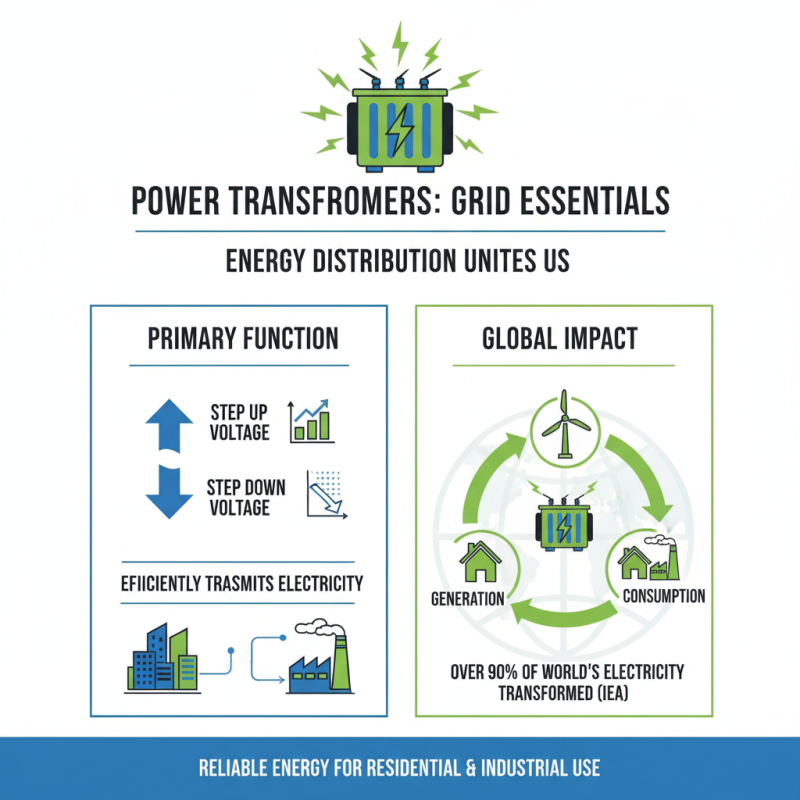
Power transformers are essential components in the electrical grid, playing a pivotal role in energy distribution. Their primary function is to step up or step down voltage levels, ensuring that electricity efficiently reaches residential and industrial users. According to the International Energy Agency (IEA), over 90% of the world’s electricity generation is transformed by various types of power transformers, which highlights their significance in energy infrastructure.
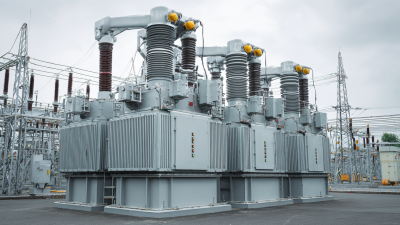
There are several types of power transformers, each designed to meet specific needs. For instance, Distribution Transformers are commonly used in urban areas, where they handle lower voltage levels, while power transformers are employed at substations to manage high voltage transmission. A report from the U.S. Department of Energy indicates that the average lifespan of a power transformer can exceed 30 years, making the choice of the right type critical for ensuring long-term reliability and efficiency. The optimal selection not only affects operational costs but also impacts overall grid stability and energy losses, which can amount to as much as 5% in inefficient systems. Understanding the distinct types and their functions is therefore essential for tailored energy solutions that align with both immediate and future energy demands.
The Role of Power Transformers in Energy Distribution Systems
Power transformers play a critical role in energy distribution systems, serving as vital components that adapt voltages for efficient transmission and distribution. In 2022, the International Energy Agency reported that approximately 70% of electrical losses in transmission can be attributed to the improper selection and use of transformers. This highlights the importance of choosing the right type of transformer to ensure minimal energy waste and optimal performance.
Different types of power transformers, such as oil-filled and dry-type transformers, offer various benefits and efficiencies depending on the application. For instance, according to a recent report by Transparency Market Research, the oil-filled transformer market is projected to grow at a CAGR of 5.2% between 2023 and 2031, driven by their superior cooling capabilities and efficiency in high voltage applications. Conversely, dry-type transformers are increasingly favored in urban and indoor settings due to their safety and environmental advantages. A thorough understanding of these characteristics is essential for stakeholders looking to minimize operational costs and enhance the reliability of their energy systems.
Key Factors in Selecting the Right Power Transformer Type
Selecting the right power transformer is critical for meeting your energy needs efficiently and safely. Understanding the key factors in choosing a transformer can make a significant difference in your power management strategy. Factors such as voltage specifications, power capacity, efficiency ratings, and installation requirements play a vital role in ensuring that you select the transformer that best fits your application. For businesses seeking reliable energy sources, investing in high-quality transformers tailored to specific requirements is essential.
Tips: When considering a power transformer, evaluate your future energy demands. Planning for growth can help avoid costly upgrades later. Additionally, pay attention to the efficiency ratings, as higher efficiency can lead to lower operating costs over time. It's also worthwhile to consult with professionals to ensure that your selection aligns with industry standards and safety regulations.
At Jiangxi Guoxiang Electric Power Equipment Co., Ltd., we specialize in providing integrated power solutions, including a range of power transformers designed for various applications. Our expertise in R&D and manufacturing ensures that we can meet your specific energy requirements while maintaining high-quality standards.
Power Transformer Types and Their Efficiency Ratings
Comparative Analysis of Transformer Types: Benefits and Drawbacks
When selecting a power transformer, understanding the benefits and drawbacks of different types is essential for meeting energy demands effectively. Oil-filled transformers, for instance, are known for their efficiency and durability, making them suitable for high-capacity applications. However, they may require more maintenance and environmental considerations due to potential oil leaks. Alternatively, dry-type transformers offer a safer option, especially for indoor installations, as they eliminate the risk of leaks. Yet, they may have a higher upfront cost and are generally less efficient over larger loads.
**Tip:** Always assess your specific energy requirements and environmental conditions when choosing the transformer type. This consideration will help in selecting the right model that balances cost and performance.
Another common type is the autotransformer, which is more compact and cost-effective for specific voltage applications. The drawback is the lack of electrical isolation, making it less suitable for some high-voltage scenarios. Understanding these nuances allows for an informed decision that aligns with safety and efficiency goals.
**Tip:** Consult with a transformer specialist to evaluate all potential types and their compatibility with your energy systems. This ensures you make an educated choice that will benefit your operational needs in the long run.
Impact of Transformer Selection on Energy Efficiency and Costs
When it comes to energy systems, the selection of the right power transformer can significantly influence both energy efficiency and operational costs. The type of transformer chosen determines how effectively energy is transferred, affecting overall performance. For example, using a high-efficiency transformer can reduce energy losses during conversion, leading to lower electricity bills and a smaller carbon footprint. It's essential to analyze your energy consumption patterns and requirements to choose a transformer that aligns with your needs.
Tips for Transformer Selection:
- Consider the load demands: Assess the maximum and average load requirements of your facility. This will help you select a transformer that can handle these variations without overloading or underperforming.
- Evaluate energy efficiency ratings: Look for transformers with high efficiency (generally above 98%) to minimize energy losses. This investment might have a higher upfront cost but will pay off through reduced energy expenses over time.
- Assess environmental conditions: Ensure the selected transformer is suitable for the location it will be installed. Factors like temperature, humidity, and potential contaminants should guide your decision to maximize lifespan and efficiency.
Maintenance Considerations for Different Transformer Types
When selecting a power transformer, understanding the maintenance considerations for different transformer types is essential. Each transformer type, whether it's a dry-type or liquid-filled transformer, comes with unique maintenance requirements that can significantly impact operational efficiency and longevity. For instance, dry-type transformers require less maintenance due to their non-toxic and non-flammable materials. Regular inspections focusing on dust accumulation and electrical connections can suffice, making them an ideal choice for indoor installations where space and safety are paramount.
Conversely, liquid-filled transformers necessitate more rigorous maintenance due to the presence of insulating oil. This type requires regular monitoring of oil levels, temperature, and quality to prevent leaks and ensure optimal performance. Additionally, the risk of contamination and the potential need for oil replacement can lead to higher maintenance costs and downtime. Understanding these differing maintenance needs allows organizations to make informed decisions on transformer selection, ultimately enhancing system reliability and reducing unexpected expenditures in the long run.
Future Trends in Power Transformer Technology and Usage
As the energy landscape evolves, the demand for efficient and reliable power transformer technology is more pressing than ever. Advanced technologies such as smart transformers are emerging, driven by the need to accommodate renewable energy sources and improve grid resilience. According to a report by the International Energy Agency (IEA), investments in smart grid technology are expected to reach $50 billion globally by 2025, indicating a significant trend towards incorporating more sophisticated power transformer solutions.
Furthermore, the shift towards sustainable energy production is reshaping transformer usage patterns. The global market for dry-type transformers, which are safer and more environmentally friendly than their oil-filled counterparts, is projected to grow at a CAGR of 7.2% from 2021 to 2026, according to a Market Research Future report. This shift not only enhances energy efficiency but also aligns with global efforts to reduce carbon emissions, which is vital as countries strive to meet their climate goals. The advancements in materials and design are also contributing to longer lifespans and reduced maintenance costs, creating a favorable outlook for the future of transformer technologies in an increasingly electrified world.
Why Choosing the Right Power Transformer Type is Crucial for Your Energy Needs - Future Trends in Power Transformer Technology and Usage
| Transformer Type | Efficiency (%) | Use Case | Future Trends |
| Oil-Immersed Transformer | 98.5 | High Voltage Transmission | Smart Grids |
| Dry-Type Transformer | 98.0 | Indoor Applications | Increased Safety Standards |
| Auto-Transformer | 97.5 | Voltage Regulation | Efficiency Optimization |
| Phase-Shifting Transformer | 99.0 | Load Balancing | Renewable Energy Integration |
| Isolation Transformer | 95.0 | Sensitive Equipment | Enhanced Protection Mechanisms |
Harnessing Energy Efficiency: Insights from the 2023 Global Transformer Market Report on SBH Series Oil Immersed Transformers
The 2023 Global Transformer Market Report highlights an urgent push towards energy efficiency driven by the rising demand for sustainable power solutions. The SBH Series Oil Immersed Transformers, particularly the SBH15/21/25-M Series, exemplifies this trend with its innovative use of amorphous alloy materials. Utilizing advanced isotropic soft magnetic properties, these transformers achieve significantly reduced no-load losses, which are critical for enhancing overall energy efficiency in power systems. This aligns with industry expectations, where energy losses from transformers can account for up to 40% of total consumption in electric grids.
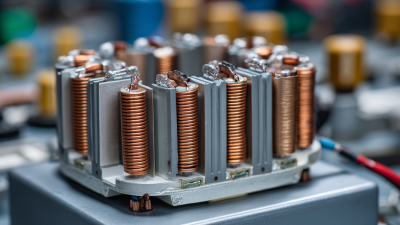
In addition to their advanced core materials, the SBH Series is equipped with precision-wound copper foil coils on the low-voltage side, enhancing their short-circuit withstand capability. This robust design not only improves operational resilience but also contributes to minimizing harmonic distortion. Reports indicate that managing harmonics can improve power quality by as much as 30%, thereby optimizing the performance of grid infrastructures tailored to accommodate renewable energy sources. The flexible connection groups offered—Dyn11 or Yyn0—further enable these transformers to perform efficiently across various power network configurations, making them ideal for urban grid modernization and renewable energy integration projects.
Furthermore, the vacuum degassing process employed in the manufacturing of the SBH Series ensures long-term dielectric stability, which is paramount in demanding operational environments. This commitment to reducing electromagnetic losses while ensuring durability positions the SBH Series as a reliable solution for operators aiming to enhance their energy efficiency strategies amid the ongoing transition to cleaner power sources. As the global transformer market continues to evolve, solutions like the SBH Series set a benchmark for performance and sustainability in the electrical industry.
FAQS
: Key factors include voltage specifications, power capacity, efficiency ratings, and installation requirements.
Planning for future energy demands helps avoid costly upgrades later and ensures the transformer can accommodate growth.
Oil-filled transformers are known for their efficiency and durability, making them suitable for high-capacity applications.
They may require more maintenance and present environmental concerns due to potential oil leaks.
Dry-type transformers provide a safer option for indoor installations since they eliminate the risk of oil leaks.
They may have a higher upfront cost and are generally less efficient over larger loads compared to oil-filled transformers.
Autotransformers are more compact and cost-effective for specific voltage applications.
They lack electrical isolation, which makes them less suitable for certain high-voltage applications.
The market for dry-type transformers is projected to grow at a CAGR of 7.2% from 2021 to 2026, driven by their safety and environmental benefits.
Smart transformers are gaining traction, driven by the need for renewable energy integration and improved grid resilience.
Conclusion
Choosing the right power transformer type is essential for optimizing energy distribution and achieving efficiency within power systems. This article outlines the various types of power transformers, their specific functions, and the critical role they play in energy distribution systems. Key factors to consider when selecting a transformer include operational requirements, cost implications, and maintenance needs, as well as a comparative analysis that highlights the benefits and drawbacks of different transformer types.
Furthermore, the selection of the appropriate power transformer type significantly impacts energy efficiency and operational costs. As reflected in the innovative approaches of companies like Jiangxi Guoxiang Electric Power Equipment Co., Ltd., understanding future trends in power transformer technology can guide informed decision-making for energy needs. With a focus on integrated power solutions and comprehensive services, selecting the right transformer is a strategic move towards enhanced energy management and sustainability.