Picking the right Power Circuit Box is pretty crucial if you wanna keep your electrical system safe and running smoothly, whether it’s at home or in a business. I read a report from the National Electrical Manufacturers Association (NEMA), and it turns out that more and more people are looking for quality electrical distribution solutions. Why? Well, with everyone relying more on tech and the push for energy-efficient setups, it’s no surprise. But if you end up with a circuit box that’s outdated or just not up to the job, you might run into problems — like inefficiencies, higher costs, or even safety hazards. That’s why it’s really important to pick a power circuit box that fits your specific needs.
Modern electrical systems are pretty complex these days, so it’s not just about grabbing any box and calling it a day. A study from the Electric Power Research Institute (EPRI) points out that if you choose a circuit box that's not the right size or isn’t configured properly, it can cause electrical failures which could mess up your operations or, worse, lead to safety issues. So, it’s a good idea to think about your power needs, stay within your local electrical codes, and keep in mind any future plans for expansion when you're shopping around for a circuit box. Making smart, informed choices like this can help ensure everything works efficiently and safely, and it’ll make your electrical system last longer and stay more reliable overall.
Understanding Power Circuit Boxes: Definitions and Functions
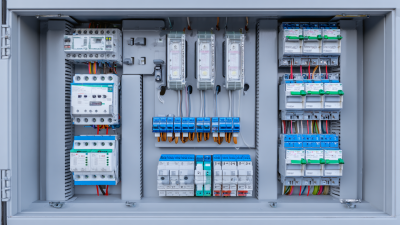
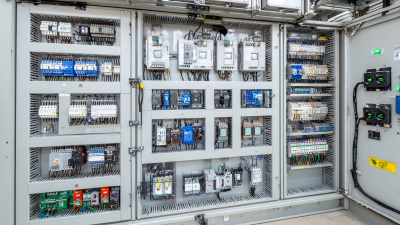
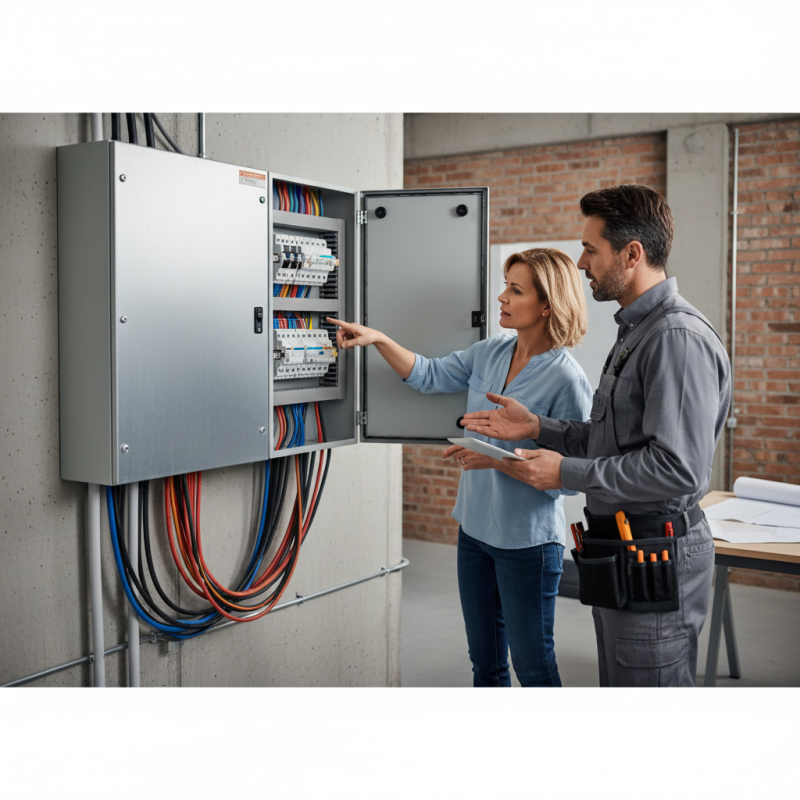
Power circuit boxes, also known as electrical panels or distribution boards, serve as crucial components in managing and distributing electrical power within a home or business. Their primary function is to divide the incoming electrical supply into subsidiary circuits while providing protective fuses or Circuit Breakers for each circuit. This division is essential for ensuring that the electrical system operates efficiently and safely, preventing overloads and potential hazards. Understanding the anatomy of apower circuit box, including its breakers, bus bar, and grounding mechanisms, allows users to recognize how electricity flows and how to maintain a safe environment.
In addition to distribution, power circuit boxes play a vital role in monitoring and controlling electrical usage. They house circuit breakers that can be manually shut off or trip automatically in case of faults, which helps prevent damage to appliances and reduces fire risks. Different types of circuit boxes are available, tailored to accommodate residential or commercial needs, ranging from simple configurations for smaller spaces to more complex setups capable of handling higher loads in larger facilities. By understanding the functions and features of power circuit boxes, individuals can make informed decisions on which type best suits their electrical requirements, ensuring efficient power management and safety.
Assessing Your Power Needs: Home vs. Business Requirements
When assessing your power needs, it's important to distinguish between the requirements of a home and those of a business. Residential properties typically have lower power demands, focusing on essential appliances, lighting, and electronic devices. In contrast, businesses often require a higher capacity to accommodate specialized equipment, larger lighting systems, and potentially heavier machinery. Understanding these differences is key in selecting the appropriate power circuit box.
**Tip:** Begin by evaluating the total wattage of all appliances and devices you plan to use. For homes, consider including items such as refrigerators, HVAC systems, and computers. For businesses, factor in operational machinery, office equipment, and any additional power requirements that may arise from daily operations.
Another critical aspect is future-proofing your choice. While your current needs might be manageable, it's prudent to anticipate future growth. Businesses often expand, requiring more power, while homeowners may add new appliances or systems down the line.
**Tip:** Opt for a power circuit box that provides some room for expansion. This can save you from costly upgrades and inconveniences in the future, ensuring your power supply remains adequate as your home or business evolves.
Types of Power Circuit Boxes: An Overview of Options Available
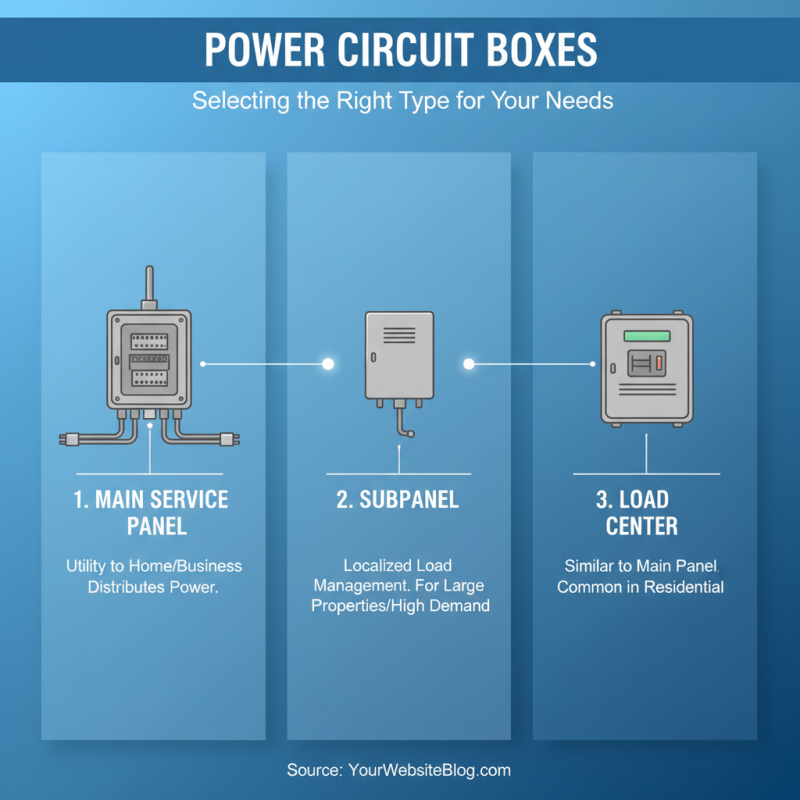
When selecting a power circuit box, it is essential to understand the various types available to ensure optimal functionality for your specific needs. Power circuit boxes, often referred to as electrical panels or breaker boxes, come in several configurations, including main service panels, subpanels, and load centers. Each type serves a distinct purpose: main service panels distribute power from the utility to various circuits in your home or business, while subpanels allow for localized management of electrical loads, making them ideal for larger properties or areas with high energy demands.
According to a report by the National Electrical Manufacturers Association (NEMA), as of 2021, about 50% of residential Power Systems are equipped with subpanels to manage additional circuits safely. This trend reflects an increasing demand for more specialized power management as smart home technologies and energy-efficient appliances proliferate. Furthermore, load centers are gaining popularity due to their ability to handle modern electrical loads more effectively, catering to the growing usage of renewable energy systems. Understanding these options enables homeowners and businesses to choose the right box that not only meets their current electrical needs but also provides the flexibility for future upgrades and expansions.
Key Features to Consider When Choosing a Circuit Box
When selecting the right power circuit box for your home or business, several key features should be considered to ensure efficiency and safety. The first crucial aspect is the amperage rating. It is essential to determine the total electrical load that your property will require. According to the National Electrical Code (NEC), a standard residential circuit typically operates at 15 to 20 amps, while commercial settings may require higher ratings depending on equipment and machinery in use. Ensuring your circuit box can handle these loads prevents overloads and potential safety hazards.
Another significant feature to evaluate is the number of circuits. A properly sized circuit box should not only meet your current needs but also accommodate future expansion. Industry reports indicate that many residential spaces require a minimum of 12 circuits, whereas commercial spaces may need upwards of 20. This foresight in planning will save you from costly upgrades later on.
Tip: Always consult with a licensed electrician to assess your specific power needs accurately and to ensure compliance with local electrical codes.
Lastly, consider the type of breakers included in the box. Dual-function GFCI breakers are increasingly recommended for areas exposed to moisture, as they provide an extra layer of safety by preventing electrical shock. For commercial applications, surge protection breakers can safeguard your equipment against voltage spikes.
Tip: Regularly inspect your circuit box and breakers to ensure they are functioning correctly and upgrade as necessary to maintain safety standards.
Sizing Your Circuit Box: Calculating Amperage and Voltage Requirements
When selecting the right power circuit box for your home or business, understanding your amperage and voltage requirements is crucial. Begin by assessing the total load of all electrical devices you plan to use simultaneously. This includes appliances, lighting, and other equipment. To calculate the amperage needed, you can use the formula: Amps = Watts / Volts. Make sure to consider both the peak usage and any potential future expansion you might want.
Tips: Always overestimate your amperage needs slightly to ensure that your circuit box can handle unexpected loads. A margin of safety can prevent overloads and ensure the longevity of your electrical system.
Furthermore, it is essential to determine the voltage requirements based on your location and specific application. In most residential settings, standard voltage is typically 120/240 volts, while commercial spaces may require higher voltages depending on the equipment used. Ensure that your circuit box can accommodate both current and future electrical demands by looking for options with extra capacity.
Tips: Consult with a licensed electrician during the sizing process to ensure compliance with local codes and to avoid any mishaps with electrical installations. Proper sizing is not just about current needs but also about planning for the future.
Compliance and Safety Standards for Residential and Commercial Use
Compliance and safety standards are crucial when choosing a power circuit box for your home or business. These standards ensure that electrical installations are safe, efficient, and reliable. For residential use, it is essential to select circuit boxes that meet the National Electrical Code (NEC) requirements, which outline the minimum safety standards for electrical systems. These codes are periodically updated to reflect new technologies and safety practices, so staying informed about the latest revisions is key. Ensuring that your circuit box complies not only protects your property but also minimizes the risk of fire hazards or electrical failures.
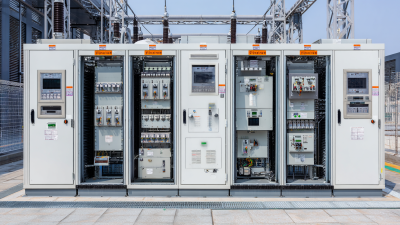
In a commercial setting, the stakes are even higher, as businesses often have larger and more complex electrical demands. Compliance with industry-specific regulations, such as those mandated by the Occupational Safety and Health Administration (OSHA), is essential. These regulations ensure the workplace remains safe for employees and customers alike. A power circuit box that adheres to these standards will typically include features such as overload protection, proper grounding, and clearly labeled circuits, which all contribute to a safer electrical environment. Selecting a circuit box that aligns with both local and national safety standards ultimately fosters a secure space for both residential and commercial activities.
Tips for Installation and Maintenance of Your Power Circuit Box
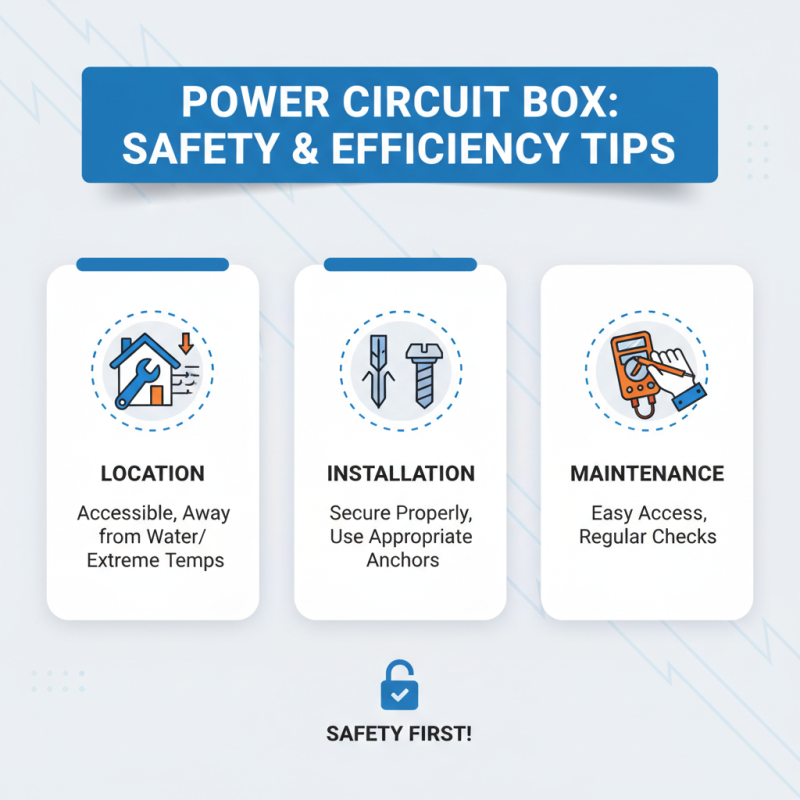
When it comes to installing and maintaining a power circuit box, there are several essential tips to ensure safety and efficiency. Firstly, consider the location where your circuit box will be installed. It should be easily accessible for maintenance but also placed away from potential hazards such as water sources or extreme temperature fluctuations. Using appropriate wall anchors and securing the box properly will also provide stability and minimize risks during operation.
Regular maintenance is crucial to keep your power circuit box functioning optimally. Periodically inspect for any signs of wear, corrosion, or loose connections. It is advisable to schedule these inspections every six months. Additionally, cleaning the box and surrounding area can help prevent dust accumulation, which may interfere with electrical connections. Employing a moisture-absorbing material within the box can further protect it from humidity-related damage.
Lastly, ensure that all your electrical work complies with local codes and regulations. This not only guarantees safety but also helps avoid potential fines or legal issues. Working with a qualified electrician for initial installation and any upgrades will provide peace of mind, as they can ensure that everything is up to standard and functioning efficiently.
Exploring the Benefits of SBH: Insights from 2023 Global Oil-Immersed Power Systems Market Trends and Analysis
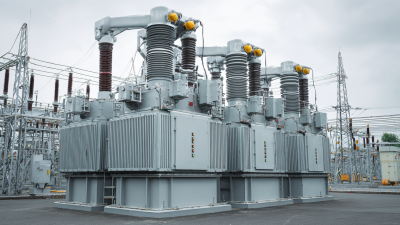
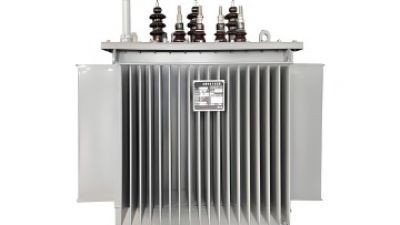
The exploration of the 2023 Global Oil-Immersed Power Systems Market reveals significant advantages of utilizing SBH Series Fully Sealed, Maintenance-Free Oil-Immersed Power Transformers in modern power distribution. With a robust, fully sealed design, these transformers are adept at providing complete isolation from detrimental external elements, such as moisture and dust. This structural integrity is achieved through advanced precision welding techniques, resulting in a product that not only minimizes environmental impacts but also combats issues like insulating oil aging and core corrosion, ultimately extending the service life of the equipment beyond 20 years.
Moreover, the integration of high-end components such as amorphous alloy cores and superior insulating materials alongside vacuum oil-filling technology significantly enhances operational efficiency. Notably, these transformers reduce no-load losses by 15%-20% compared to conventional models, positioning them as leaders in energy efficiency by meeting national Class I standards. With versatile voltage handling capabilities ranging from 10kV to 35kV and capacity spans from 50kVA to 2500kVA, these transformers are especially suitable for demanding environments, including urban distribution networks and high-rise buildings, where reliability and stability are paramount. The adoption of SBH transformers not only supports sustainable energy practices but also ensures a reliable power supply critical for contemporary infrastructure development.
FAQS
: The main types of power circuit boxes include main service panels, subpanels, and load centers. Each type has a specific function, with main service panels distributing power from the utility and subpanels allowing for localized management of electrical loads.
About 50% of residential power systems are now equipped with subpanels, reflecting a growing demand for localized power management to support additional circuits, particularly as smart home technologies and energy-efficient appliances become more common.
Important factors include choosing an easily accessible location away from hazards, securing the box with appropriate wall anchors, and ensuring the installation complies with local codes and regulations.
It is advisable to inspect your power circuit box every six months for signs of wear, corrosion, or loose connections to ensure it remains functional and safe.
Regularly cleaning the box and surrounding area, checking for signs of damage, and using moisture-absorbing materials can help prevent issues related to dust accumulation and humidity.
A qualified electrician can ensure that the installation complies with safety standards and local regulations, providing peace of mind and helping to avoid potential safety hazards or legal issues.
Load centers are popular because they can handle modern electrical loads more effectively, which is especially important for accommodating renewable energy systems and increasing energy demands.
The circuit box should be placed away from water sources and areas with extreme temperature fluctuations to minimize risks to safety and functionality.
The increasing integration of smart home technologies and energy-efficient appliances has led to a rise in the need for more specialized power management solutions, prompting higher usage of subpanels and load centers.
Compliance with local codes and regulations is crucial for ensuring safety, avoiding fines, and preventing potential legal issues related to electrical installations.
Conclusion
When selecting the right Power Circuit Box for your home or business, it is crucial to first understand the definitions and functions of these essential components. Evaluating your specific power needs—differentiating between residential and commercial requirements—is key to making an informed decision. This involves exploring the various types of Power Circuit Boxes available and considering their key features, such as safety ratings and material quality.
Sizing your circuit box appropriately requires careful calculations of amperage and voltage, ensuring it meets your power demands. Additionally, compliance with safety standards is essential for both residential and commercial applications. Finally, following best practices for installation and maintenance will help ensure the longevity and safety of your Power Circuit Box, providing peace of mind as you power your spaces.