inquiry
Inquiry
Form loading...
0%

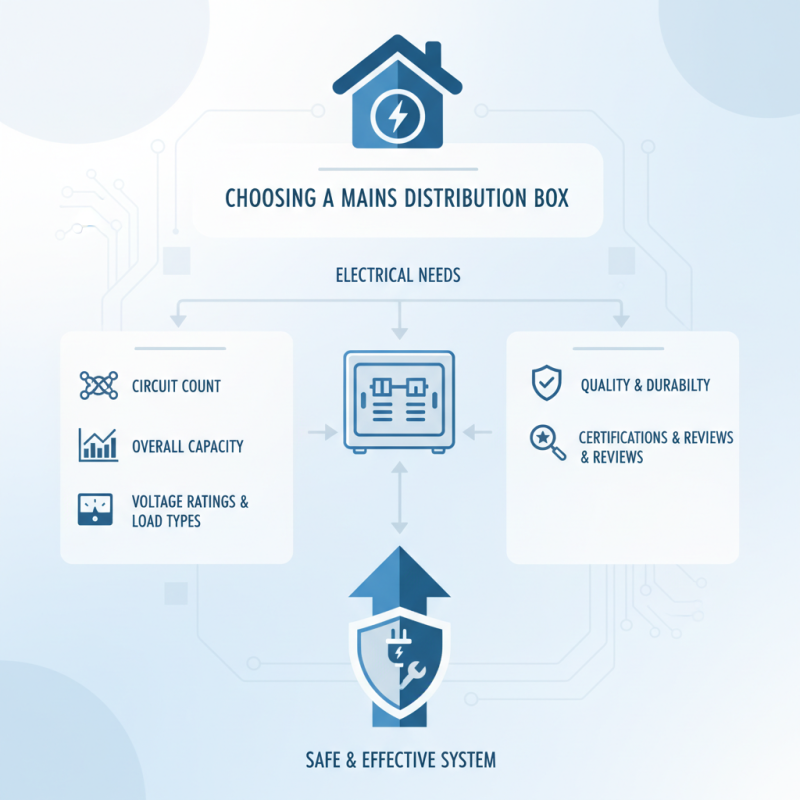
Picking the right Mains Distribution Box is pretty important when you're setting up your electrical system. Think of it as the main hub that spreads power to everything in your home or building. If you choose a good one, it’ll make things safer and more efficient overall.

When you’re on the hunt for a Mains Distribution Box, take a moment to think about what you really need. How many circuits do you need? What's the total capacity? A lot of folks forget to pay attention to the voltage ratings and what kind of loads it’s built to handle — but honestly, those details matter a lot if you want everything to run smoothly.

Also, don’t just go for the cheapest or easiest option. Make sure the box is high quality and sturdy enough to last. Checking certifications and reading some user reviews can save you from headaches later on. At the end of the day, doing a bit of homework upfront can stop costly mistakes and give you peace of mind, knowing your electrical setup is safe and reliable.
How to Choose the Right Mains Distribution Box for Your Electrical Needs

Understanding Mains Distribution Boxes and Their Importance in Electrical Systems

How to Choose the Right Mains Distribution Box for Your Electrical Needs

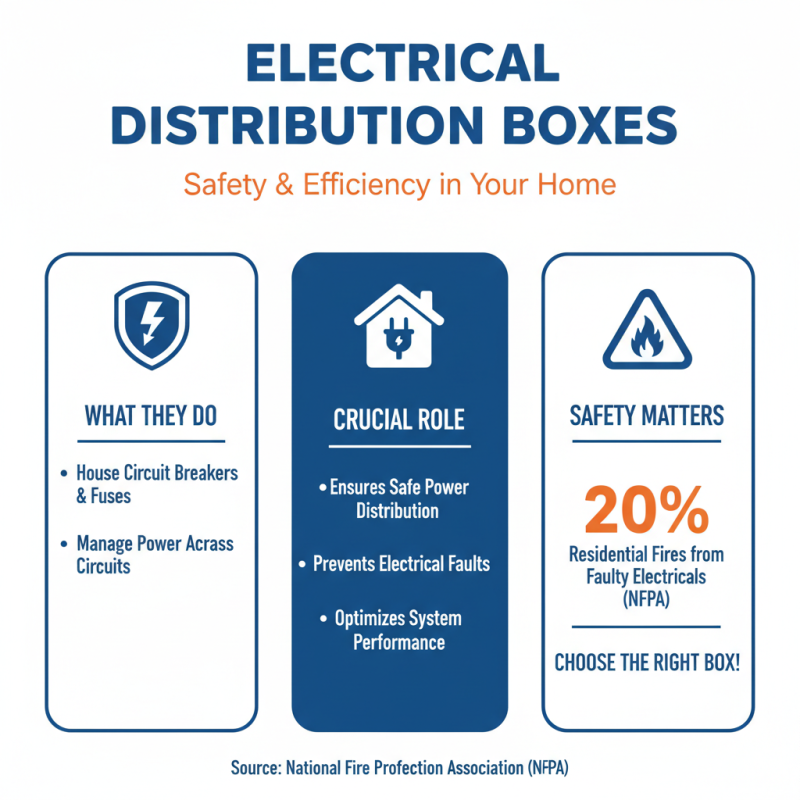
Mains distribution boxes play a crucial role in electrical systems. They house circuit breakers and fuses, managing Power Distribution across various circuits. The right distribution box ensures safety and efficiency. According to the National Fire Protection Association, faulty electrical distributions account for over 20% of reported residential fires. This statistic underscores the importance of selecting the appropriate box.

Choosing a mains distribution box involves understanding your power requirements. For instance, a typical household may need a box with 10 to 12 circuits. In contrast, larger installations, like commercial buildings, may require 24 circuits or more. Many users overlook the box's load capacity. Using a box that doesn’t meet the load can lead to overheating and potential fire hazards. A report from the Electrical Safety Foundation International suggests that close to 60% of electrical failures stem from incorrect installations or inadequate equipment.

Installation mistakes can create long-term issues. For instance, if the mains distribution box is oversized, it can lead to poor load balancing. This may cause one circuit to overload while others remain underutilized. Regular maintenance checks are often neglected, leading to untreated wear and tear. Ignoring these factors may compromise overall electrical system integrity, posing safety risks. Proper education on the subject is essential for effective power management.

Key Factors to Consider When Choosing a Mains Distribution Box

How to Choose the Right Mains Distribution Box for Your Electrical Needs

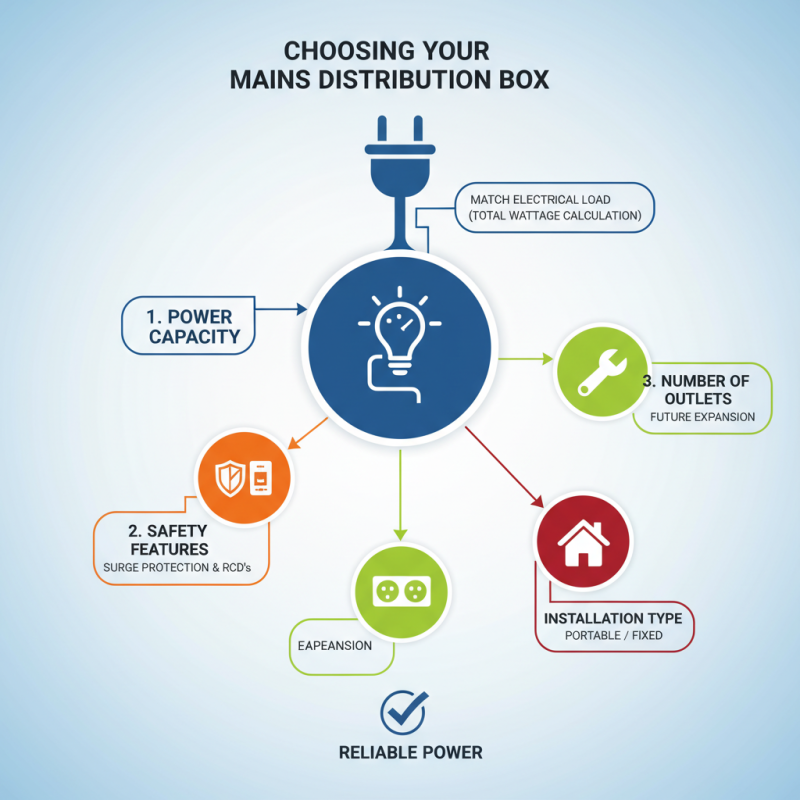
Choosing the right mains distribution box requires careful consideration. The first factor to think about is the power capacity. It needs to match your electrical load. Calculate the total wattage of all devices. This ensures you won’t overload the system.

Another important aspect is the number of circuits. You may need extra circuits for future expansion. Think about your plan for additional appliances. A box with more circuits allows flexibility. Pay attention to the type of protection as well. Surge protection is crucial for safety.

Material also matters. Distribution boxes come in various materials. Plastic boxes are lightweight but might not be as durable. Metal boxes offer better durability but can be heavier. Evaluate your environment. Is it humid? Then a corrosion-resistant option is wise. Reflect on these details. Small choices can have big consequences down the line.

Types of Mains Distribution Boxes: Features and Applications

When consideRing Mains distribution boxes, it's essential to understand the types available. Each type has unique features and applications. For residential use, consumer units are common. They distribute electricity to various circuits in a home. In commercial settings, modular distribution boxes are often preferred. They allow for flexibility and easy upgrades.

Another option is the weatherproof distribution box. This type protects connections from harsh conditions. It's ideal for outdoor setups or construction sites. Additionally, there are industrial distribution boxes. These handle heavy loads and are built for durability. Each type serves a specific purpose, so choosing wisely is crucial.

**Tips:** Check your power requirements before purchasing. Understand the load capacity needed for your appliances. Regular maintenance of your distribution box can prevent future issues. Inspect for signs of wear and tear. A little caution now can save a lot of trouble later. Make sure your selection aligns with your current and future electrical needs. Certain features may seem unnecessary but could benefit later expansions.

Assessing Power Load Requirements for Proper Distribution Box Selection

Choosing the right mains distribution box starts with assessing your power load requirements. Every electrical system has unique needs. You need to know how much power your devices demand. This knowledge helps in selecting a box that can handle the load properly.

Consider the total wattage of your appliances. Add up the power ratings of all devices you plan to use. Don't forget about future expansions. Many forget to account for additional devices they may buy later. It’s crucial to leave some room for growth. It’s a common oversight that can lead to overloading. Overloading can cause devices to fail or even create safety hazards.

Think about the layout of your space. Larger areas may require more outlets and distribution points. A well-planned distribution box layout prevents overloads and keeps things organized. You might want to sketch a simple diagram of your setup. This can clarify your needs. Reflection on these details leads to better choices. Failing to assess properly can lead to costly mistakes. It’s not just about fitting everything in; it’s about ensuring safety and efficiency.

Safety Standards and Certifications for Mains Distribution Boxes

When selecting a mains distribution box, safety standards and certifications play a crucial role. These boxes must comply with local regulations to ensure safe operation. Look for certifications such as CE or UL. These labels indicate that the product has undergone rigorous testing. Sometimes, labels can be misleading. Always verify claims to avoid potential hazards.

Each region may have different requirements. It’s essential to consult local codes before purchasing. For instance, in some areas, specific IP ratings are necessary to protect against dust and water. Ignoring these details can lead to costly consequences. Insufficient protection might affect your electrical system's performance.

Understanding the differences in materials is important too. Some boxes use cheaper plastics, which may not withstand harsh conditions. Other materials might offer enhanced durability but at a higher price. Evaluate what you really need. In some cases, we may prioritize cost over quality, which is regrettable in the long run. Aim for a balance between affordability and safety.

Cost Considerations: Budgeting for Your Electrical Needs

When budgeting for a mains distribution box, consider various factors. The box’s size, capacity, and features all impact costs. Standard models can range from affordable to premium prices. It’s essential to evaluate your electricity needs to avoid overspending. A box too large for your needs is unnecessary.

**Tips:** Begin by calculating your expected load. This includes appliances, lighting, and other devices. A smaller box may suffice, saving you money. Consult with a qualified electrician to ensure safety and compliance.

Don’t overlook installation costs. Professional installation fees can add to your budget. Some projects may appear simple but can become complex. It’s vital to weigh the cost of DIY versus hiring a pro. Often, a mistake can lead to additional expenses later.

**Tips:** Always factor in unforeseen expenses. Set aside a contingency budget for surprises. This can prevent financial strain during your project. Reflect on the trade-offs of each choice. A higher upfront cost may save you money over time with increased efficiency.

How to Choose the Right Mains Distribution Box for Your Electrical Needs - Cost Considerations: Budgeting for Your Electrical Needs

Feature Description Estimated Cost (USD) Considerations
Size Determines how many circuits can be installed $50 - $200 Choose based on current and future needs
Material Plastic vs Metal for durability and safety $30 - $150 Metal is typically more durable
Number of Circuits How many separate circuits you need to control $40 - $120 Consider future expansion
Type of Breaker Standard vs RCD/RCBO for safety $20 - $100 Safety features are crucial for high-risk areas
Installation Professional vs DIY $100 - $500 Hiring a qualified electrician is recommended

Common Mistakes to Avoid When Selecting a Mains Distribution Box

When selecting a mains distribution box, many make critical errors. A common mistake is underestimating electrical load requirements. According to industry studies, over 30% of electrical failures stem from insufficient load distribution. Not analyzing your specific power needs can lead to serious issues, including equipment damage.

Another frequent oversight is neglecting safety features. It's vital to choose a distribution box that meets local regulations and safety standards. Lack of proper circuit protection can pose risks, such as electrical shocks or fire hazards. A report by the Electrical Safety Foundation International indicates that improper setups account for over 25% of electrical fires.

Tips: Always consult a qualified electrician before making a purchase. They can provide insights based on current standards and your individual needs. Additionally, consider future expansions. Choosing a box that allows for upgrades or additional circuits can save you money and hassle later. Future-proofing is essential in today's rapidly changing electrical landscape.

Comprehensive Guide to Low Voltage Cable Branch Box DFX: Features, Applications, and Best Practices

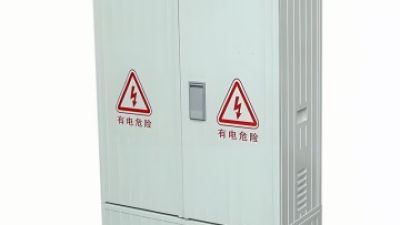
The DFX low-voltage cable distribution box is a state-of-the-art solution designed to cater to the increasing demands of modern electrical distribution systems. Made from SMC composite material through high-temperature compression, this box exhibits remarkable resilience against various environmental stresses, including impact, bending, and corrosion. Such durability is essential in ensuring long-term performance, especially when deployed in harsh outdoor settings—a critical factor supported by industry studies indicating that over 30% of electrical failures are attributed to environmental factors.

With advancements in electrical infrastructure, the DFX box has emerged as an ideal choice for several applications, including urban-rural grids, municipal projects, and high-rise buildings. Its compact design facilitates easy installation and maintenance, while its internal configurations—including knife-fuse switches, MCCBs, strip switches, and busbars—enhance operational efficiency by providing reliable dry cable branching and feeder protection. According to industry reports, the use of modern low-voltage distribution systems is expected to grow by over 5% annually, driven by urbanization and increased residential and commercial development.

Moreover, the safety features incorporated in the DFX box, such as high insulation and arc/flame resistance, align with the industry's push for safer electrical installations. The ability to effectively manage power distribution while minimizing the risk of electrical hazards aligns with the global emphasis on sustainability and safer building practices. As electrical systems continue to evolve, the adoption of advanced solutions like the DFX low-voltage cable distribution box will play a pivotal role in enhancing both the safety and reliability of electrical infrastructure.

FAQS

: What is the main purpose of the product?

: The product aims to enhance daily life and improve specific tasks efficiently.

Who can benefit from using it?

Anyone can benefit, especially those seeking convenience and efficiency in their routines.

Are there any common issues users face?

Some users report a learning curve. A few might find certain features confusing at first.

How often should it be used for best results?

Regular use is recommended, ideally daily, to experience maximum benefits and efficiency.

Is there a support system available for users?

Yes, a support team is available to assist with any questions or concerns users may have.

Can it be used alongside other tools or products?

Yes, it is designed to complement various tools, enhancing their overall effectiveness.

Are there any particular safety guidelines to follow?

Users should follow basic safety practices and avoid misuse to ensure the product lasts longer.

What is the typical lifespan of the product?

With proper care, it can last for years. However, some users may need replacements sooner.

How does it perform in various environments?

It works well in many settings, but extreme conditions can affect its efficiency.

Is feedback from users implemented in future updates?

Yes, user feedback is crucial. Changes are made to improve functionality based on suggestions.

Conclusion

Choosing the right Mains Distribution Box is crucial for ensuring a safe and efficient electrical system. Understanding the importance of these boxes, one should consider key factors such as power load requirements, safety standards, and certifications when making a selection. Different types of Mains Distribution Boxes come with varied features and applications, so assessing your specific electrical needs is essential to pick the right one.

Additionally, cost considerations play a significant role in budgeting for your electrical needs, and it's important to avoid common mistakes that can arise during the selection process. By keeping these factors in mind, you can ensure that your Mains Distribution Box not only meets safety regulations but also effectively supports your electrical demands.
Sophia

Sophia

Sophia is a dedicated marketing professional at Jiangxi GUOXIANG Electric Power Equipment Co., Ltd., a national high-tech enterprise established in 2016. With a strong background in integrated power solutions, she possesses in-depth knowledge of the company's innovative products and services.......
Previous Maximizing Value with Exceptional After Sales Support for Best Distribution Transformers