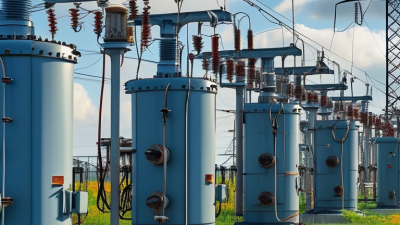
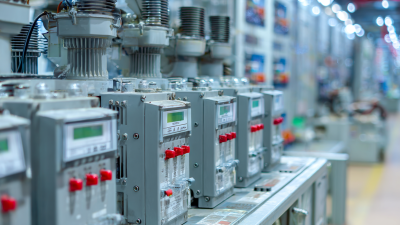
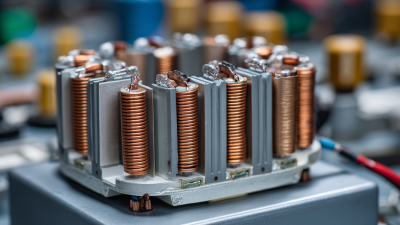
Picking the right Industrial Power Transformerfor what you need isn't always straightforward. There are quite a few things to consider—like how much power you require, the environment where it’ll operate, and what kind of load it’ll be handling. Recently, the International Energy Agency highlighted that the global market for Industrial Transformers is expected to keep growing at more than 5% each year up until 2025. That just shows how much more people are looking for efficient energy solutions these days.
I spoke with industry expert John Miller, a lead engineer over at PowerTech Solutions, and he summed it up pretty well: “Choosing the right transformer isn’t just about making sure it can handle the load; it actually affects the whole efficiency of your power system.” His point is spot on—if you pick a transformer that's way too big, you're wasting energy, but if it's too small, your system might fail when overloaded.
Getting a clear picture of your actual needs is super important. Think about things like harmonics, how efficient the transformer is, and how well it handles heat. The right Industrial Power Transformer can really boost your operational efficiency and save money in the long run. But at the same time, it’s easy to overlook some things—like long-term impacts. Making careful, well-informed choices now can save a lot of hassle down the line. Basically, every decision in selecting a transformer should be aligned with your current needs and future growth plans, ensuring your operation stays smooth and sustainable.
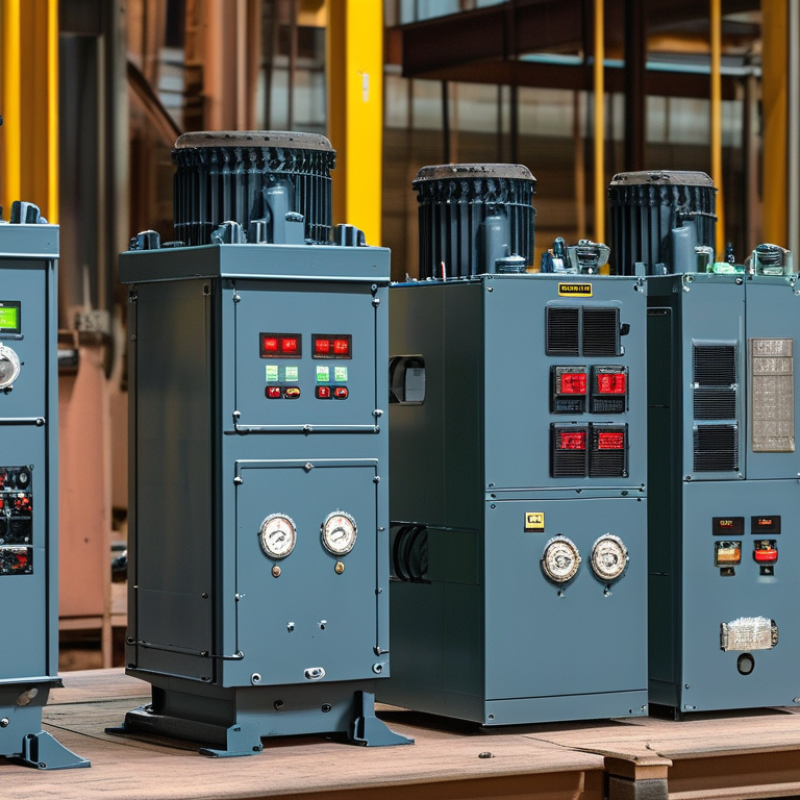
Understanding the Basics of Industrial Power Transformers and Their Types
Industrial power transformers are crucial for efficient energy distribution in various sectors. Understanding their basics helps in making informed choices. These transformers vary in size, voltage, and applications. Typically, they fall into categories such as step-up, step-down, isolation, and auto-transformers. Each type serves distinct operational needs and environments.
According to industry reports, nearly 15% of energy loss occurs due to improper transformer selection. Selecting the right type can significantly boost energy efficiency. For instance, a step-up transformer can increase voltage for long-distance transmission, reducing losses. Conversely, a step-down transformer is ideal for lowering voltage to usable levels in facilities. Awareness of these aspects is vital when integrating systems like an Industrial Power Distribution Panel.
Furthermore, selecting the proper transformer isn't just about specs. It requires careful consideration of environmental conditions, load requirements, and maintenance. Reflections on past installations highlight issues faced with under or over-sized units. Thus, research and expert consultation are paramount in navigating these challenges. It is essential to ensure reliability and long-term performance of power systems.
Assessing Your Power Requirements: Voltage, Current, and Frequency Needs
Choosing the right industrial power transformer requires a clear understanding of your power needs. Start by assessing voltage requirements. Ensure your transformer can handle peak voltage levels to avoid outages. Also, consider the type of load—whether it's resistive or inductive—as this affects transformer selection.
Current needs are another critical factor. Calculate the total amperage your systems will draw. Underestimating this can lead to transformer overload and premature failure. Always allow a buffer for future expansions.
Frequency requirements impact efficiency too. Most industrial processes run on standard frequencies like 50 Hz or 60 Hz. Verify compatibility with your equipment.
Tips: Always involve a qualified engineer for accurate assessments. Consider the installation environment and potential thermal conditions. Remember, even small fluctuations can create significant issues in electrical performance, leading to ongoing reflections on your approach to maintenance. Choose wisely; the right Industrial Transformer is crucial for long-term success.
Evaluating Transformer Ratings: kVA and Efficiency for Optimal Performance
Selecting the right industrial power transformer is critical for optimal performance. One key factor is the transformer rating, specifically kVA (kilovolt-amperes). This metric measures the transformer's capacity to handle electrical loads. For instance, a facility that requires 150 kVA should select a transformer rated slightly above this value to accommodate peak loads. Undersizing could lead to overheating or premature failure, while oversizing might reduce efficiency.
Efficiency is also pivotal. The efficiency rating of a transformer is the ratio of output power to input power. A transformer with 98% efficiency converts 98% of energy into usable power. The losses can be significant, so choosing a high-efficiency model can save costs over time. According to industry reports, even a small improvement in efficiency can lead to substantial energy savings.
Tips: When evaluating transformers, consider Low Noise Industrial Transformers if operational noise is a concern. They reduce sound levels, promoting a better work environment. Always analyze your specific needs, such as load type and environmental conditions. Collect data on your power requirements and consult with professionals to make informed decisions. Remember, selecting the right transformer goes beyond just kVA and efficiency; it involves understanding operational needs and long-term goals.
Key Features to Consider: Cooling Methods and Insulation Systems
When selecting an industrial power transformer, two key features to consider are cooling methods and insulation systems. Cooling methods directly impact transformer efficiency and lifespan.
Air-cooled transformers utilize ambient air for cooling, making them suitable for smaller loads. Liquid-filled transformers, on the other hand, offer superior cooling capabilities, especially in higher capacity units. According to industry reports, liquid-filled transformers can operate efficiently in high temperatures without compromising performance.
Insulation systems are vital to ensure safety and reliability. Solid insulation, like paper and resin, is durable and provides excellent performance in moderate environments. Gas-insulated systems, often used in high-voltage applications, ensure minimal maintenance and increased safety. A study by the International Electrotechnical Commission shows that transformers with superior insulation systems have a failure rate reduced by up to 30%.
Tip: Always consider environmental factors when choosing a cooling method. The right cooling system can enhance transformer efficiency significantly.
Tip: Regularly check the insulation integrity to avoid unplanned outages. Neglect in maintenance can lead to serious operational issues.
Exploring Transformer Configurations: Delta vs. Wye for Your Setup
Choosing between Delta and Wye configurations for industrial power transformers is crucial. Each has its advantages and limitations. Delta configuration is known for its robustness. It provides higher efficiency in three-phase systems. This setup is beneficial for industrial applications where heavy loads are common. Delta can handle unbalanced loads more effectively. However, it may require additional protective devices.
Wye configurations, on the other hand, are ideal for grounding. This setup offers a neutral point, which is essential for protecting against faults. Wye can support a wider voltage range and lower phase voltages. It often provides better voltage regulation. However, Wye may not manage heavy unbalanced loads as effectively as Delta does.
When reflected upon, consider your specific needs. Evaluate the types of loads you will be running. Think about the reliability and safety standards required for your setup. Understanding both configurations helps make an informed decision. Balancing efficiency with safety is key. Take your time in assessing your transformer options. Ensure you choose a configuration that best meets your requirements.
Industrial Power Transformer Configuration Comparison: Delta vs. Wye
Importance of Load Analysis: Estimating Future Growth and Capacity
Load analysis is crucial when selecting an industrial power transformer. Understanding your current load requirements and estimating future growth can prevent costly oversights. Many companies underestimate their increasing energy needs. This can lead to transformer overload and potential failures. A thorough load analysis allows for a more accurate assessment. It helps to define not just current usage but also anticipates future demands.
Consider performing a detailed examination of the machinery and equipment that require power. Document their energy consumption patterns. Gather data on peak usage times. It's essential to involve professionals in this process. They can provide insights that a layperson might miss. However, even expert assessments can have gaps. Regularly revisiting your analysis ensures you adapt to changes in your operations. A transformative approach involves understanding not only your immediate needs but also the long-term capacity to support growth.
Failure to account for future capacity can strain resources. A reactive approach to transformer capacity can lead to downtime and inefficiency. This situation often arises due to insufficient foresight. Providing room for scalability in your power requirements mitigates future risks. Balancing immediate needs with future projections can be challenging but is essential for long-term success.
Selecting a Reliable Manufacturer: Standards, Certifications, and Support
Selecting a reliable manufacturer for industrial power transformers is crucial. The right manufacturer should meet relevant industry standards and certifications. These benchmarks ensure that the transformers are safe, efficient, and suited to your specific needs. According to the International Electrotechnical Commission (IEC), compliance with their standards can differentiate a high-quality product from inferior ones.
Tips: Look for manufacturers with recognized certifications like ISO 9001. These certifications reflect a commitment to quality management and customer satisfaction. Additionally, consider manufacturers that receive positive feedback from industry peers.
Support from manufacturers is also vital. Reliable manufacturers often provide extensive documentation and technical assistance. Research shows that over 70% of customers value post-purchase support highly. Evaluate the availability of spare parts, warranty details, and service agreements.
When choosing Electric Transformer For Industrial Automation, align your selection with your operational goals. Seek manufacturers who demonstrate knowledge of recent technological advancements. However, don’t overlook the importance of personal assessments. Sometimes, onsite evaluations reveal what specifications are truly necessary for your unique environment.
FAQS
: Ensure the transformer can handle peak voltage levels. This prevents outages and optimizes performance.
Calculate total amperage. Underestimating can lead to overloads and loss of transformer lifespan.
Most industrial processes utilize standard frequencies. Verify compatibility with your equipment to ensure efficiency.
Air-cooled transformers are suitable for smaller loads and utilize ambient air for cooling. They may be less efficient for large applications.
Solid insulation is durable and performs well in moderate environments. Failure rates can reduce by up to 30% with superior insulation.
Delta handles unbalanced loads better but may need extra protection. Wye supports grounding and offers better voltage regulation.
The cooling method impacts efficiency and lifespan. Neglecting this can lead to performance issues in high-capacity units.
Yes, a qualified engineer ensures accurate assessments and avoids potential pitfalls related to your power needs.
Regularly check insulation integrity and cooling systems to prevent unplanned outages and operational issues.
Each setup is unique. Consider various factors to balance efficiency and safety for your specific requirements.
Conclusion
Choosing the right Industrial Power Transformer involves a comprehensive understanding of your specific needs and requirements. Start by grasping the basics of transformers and their various types, which can inform your decision. Assess your power requirements in terms of voltage, current, and frequency, and evaluate transformer ratings, particularly kVA and efficiency, to ensure optimal performance.
Consider key features such as cooling methods and insulation systems, as they play a critical role in the transformer's longevity and reliability. Additionally, explore transformer configurations like Delta versus Wye to find the best fit for your setup. Conducting a load analysis is essential for estimating future growth and capacity needs. Finally, selecting a reliable manufacturer with appropriate standards and certifications will provide the necessary support for your Industrial Power Transformer investment.