Inquiry
Form loading...
Choosing the right Electrical Transformeris pretty important for all kinds of applications. Did you know that back in 2021, the globAl Transformer market was worth around $36 billion? And it’s expected to grow by more than 6% each year! That just shows how much people are really needing more efficient ways to distribute power and incorporate renewable energy.
Picking out the right transformer isn’t just a shot in the dark, though. You’ve gotta think about stuff like power ratings, voltage requirements, and cooling methods. If you get it wrong, things can go south pretty quickly—like wasting money or ending up with a transformer that overheats or fails unexpectedly. For example, choosing something too big might mean higher operating costs, while a tiny one might overheat and break down.
Getting it right really matters. Industry big shots like Siemens and ABB stress the importance of reliability and efficiency. When you make an informed decision about your transformer, it can really boost your whole system’s performance. But let’s be honest, manufacturers aren’t always super clear—they often throw around a ton of technical jargon that can be confusing. So, it’s key for buyers to have clear guidance and know what to look for. Balancing budget and functionality isn’t always straightforward, but it’s definitely worth the effort to get it right.
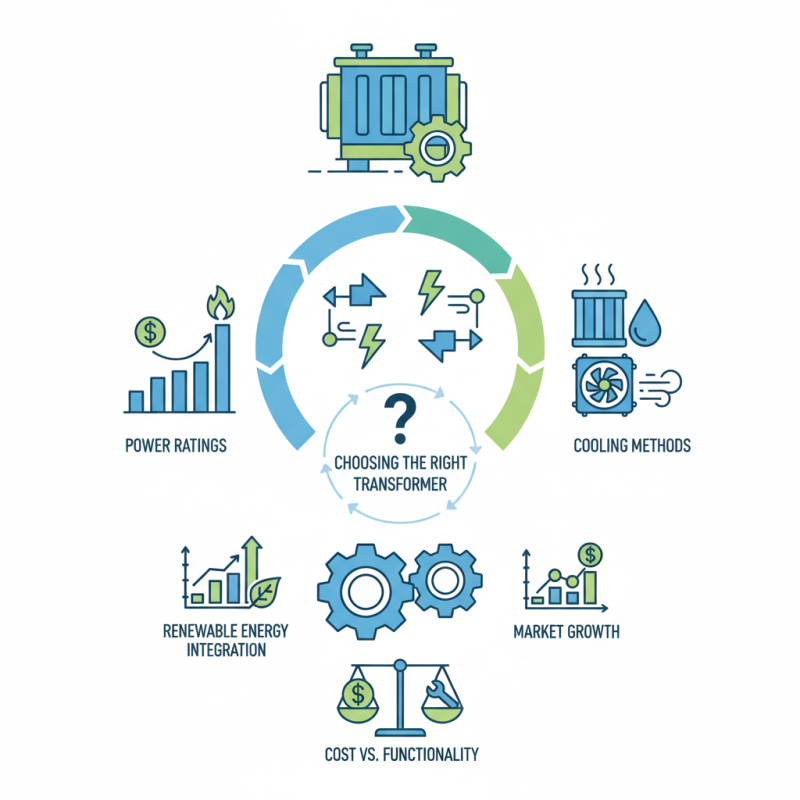
Electrical Transformers play a vital role in our energy systems. They adjust voltage levels to ensure efficient power distribution. Understanding how they function is key to selecting the appropriate transformer for your needs.
Transformers operate on the principle of electromagnetic induction. They convert electrical energy from one voltage level to another. A step-up transformer increases voltage, while a step-down transformer decreases it. This conversion is crucial for minimizing energy loss during transmission. Pay attention to your specific voltage requirements. An oversized transformer may lead to inefficiencies, while an undersized one can result in inadequate power supply.
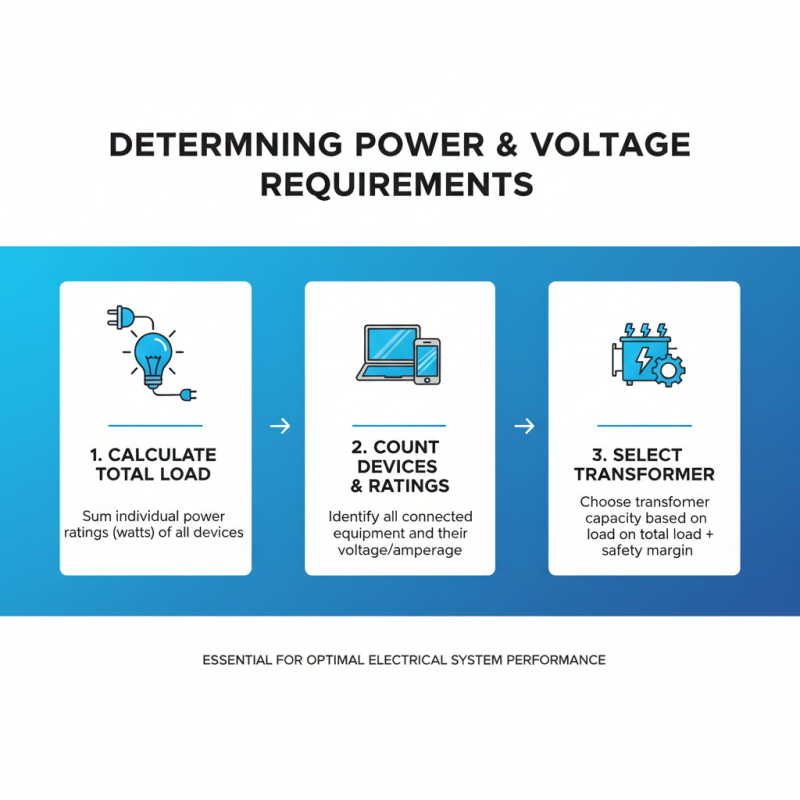
Tips for choosing the right transformer: Consider the load it needs to handle. Calculate the total wattage of your appliances. Look into the materials used in transformers. Quality materials improve longevity and performance. Remember, it is okay to seek advice. Consult with professionals to avoid costly mistakes. Sometimes, ignoring expert input can lead to frustrating issues down the line.
| Transformer Type | Primary Voltage (kV) | Secondary Voltage (kV) | Power Rating (kVA) | Cooling Method |
|---|---|---|---|---|
| Step Down Transformer | 11 | 0.4 | 100 | Oil-Cooled |
| Step Up Transformer | 0.4 | 10 | 150 | Air-Cooled |
| Isolation Transformer | 400 | 400 | 50 | Dry Type |
| Autotransformer | 220 | 110 | 200 | Oil-Cooled |
| Three-Phase Transformer | 33 | 11 | 500 | Oil-Cooled |
The pursuit of energy efficiency has become a paramount objective in the field of electrical power distribution. The SCBH Series 10kV three-phase dry-type amorphous transformers exemplify cutting-edge advancements in this domain, particularly through the utilization of amorphous alloy materials. Unlike traditional silicon steel transformers, which possess a higher magnetic loss, amorphous alloy transformers can achieve significant reductions in iron losses—often by as much as 70%. This characteristic not only leads to lower operational costs but also contributes to substantial energy savings.
The SCBH series is engineered to withstand severe environmental conditions, showcasing exceptional high-temperature resistance and robust mechanical strength. These qualities render them ideal for use in diverse and demanding applications, where reliability and performance are critical. Reports indicate that transformer losses can account for up to 30% of total energy losses in electrical systems; therefore, the integration of advanced transformers such as the SCBH series plays a vital role in optimizing energy consumption and enhancing system efficiency. According to industry studies, adopting dry-type amorphous transformers can lead to a potential decrease in carbon emissions—supporting sustainability efforts while improving grid stability.
As industries strive for enhanced energy efficiency and sustainability, innovation in transformer technology such as the SCBH series exemplifies a proactive approach to modern electrical distribution challenges. The growing emphasis on reducing energy consumption and improving operational durability positions these amorphous transformers as not only a technological advancement but also a crucial step towards more sustainable energy practices across various sectors.
: Energy losses in transformers primarily come from resistance and magnetic leakage. Around 5% to 10% of energy is typically lost.
Choose transformers with an efficiency rating above 98%. This choice can significantly lower energy costs.
Analyze system needs, check voltage ratings, and assess load demands. Overlooking these can result in inefficiencies.
Proper cooling extends transformer lifespan. It prevents overheating, which can lead to costly failures.
Regular inspections are crucial. Identifying small issues early can prevent bigger, costly problems later on.
Quality materials are essential for durability. Cheap components may save money initially but lead to higher long-term costs.
Improper installation creates strain on the transformer. Follow guidelines to ensure optimal performance and longevity.
Yes. Learning from real-world experiences can highlight potential issues you hadn’t considered before.
Absolutely. Maintaining appropriate temperatures is vital to prevent premature failure of components.
Ignoring maintenance can lead to poor performance and reduced lifespan of your electrical equipment, costing more in the long run.
When choosing the right electrical transformer, it is essential to understand its functionality and the different types available, each serving specific applications. Begin by determining your power and voltage requirements, which will guide you in selecting a transformer that meets your operational needs. Efficiency is also crucial; evaluate loss factors to ensure optimal performance.
Consider the physical size and installation space available for the transformer, as this can influence your choice significantly. Key features, such as insulation class and thermal performance, should not be overlooked in the selection process. Finally, factor in maintenance and longevity to ensure a reliable and durable transformer that will serve you well over time. Careful consideration of these aspects will lead to a successful selection that suits your requirements for an electrical transformer.