inquiry
Inquiry
Form loading...
0%

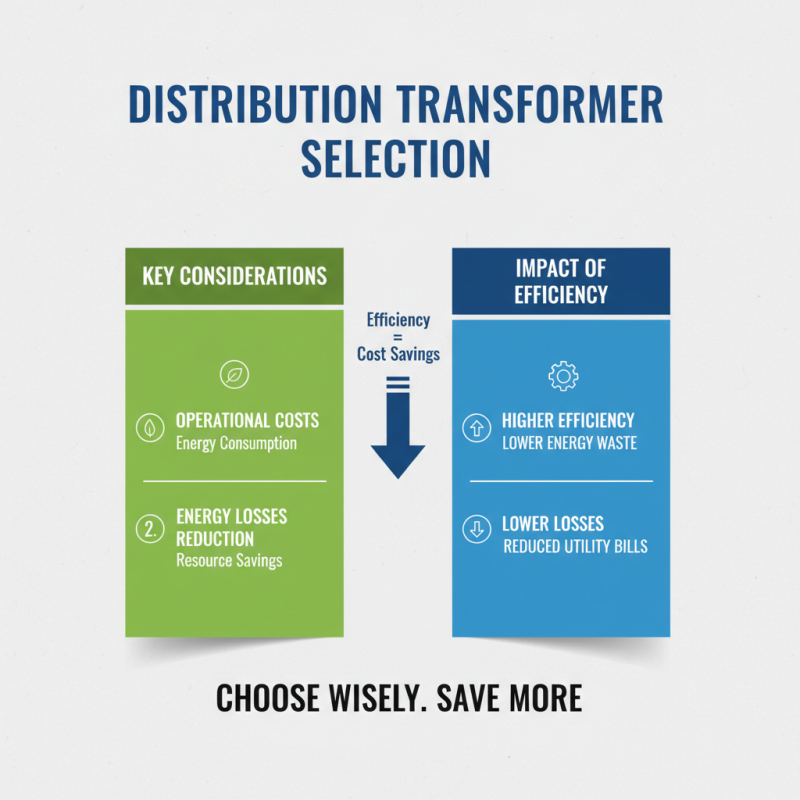
Picking the right Distribution Transformer is a pretty important step if you want things to run smoothly. Tom Johnson, who's a top expert over at PowerTech Solutions, mentions that “choosing the right transformer can really boost efficiency and help cut costs.” When you find that perfect match, it not only makes everything more reliable energy-wise, but it also means less maintenance hassles down the line.

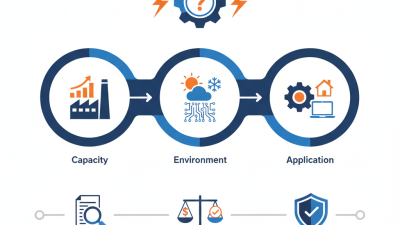
Distribution transformers are used in all kinds of settings—whether it’s a neighborhood or a huge industrial site. That makes choosing the right one a bit tricky. You really need to understand your voltage needs and capacity. Skipping the proper research can lead to mismatched equipment, which often results in inefficiencies and higher operational expenses.

Paying attention to the specs is super important—think about where you'll place it, how the environment might impact it, and if there are plans to grow in the future. Sadly, a lot of folks overlook these details, and that can cause headaches later on. Finding the right balance between power Transformer And Distribution transformer (you can check out morehere) is key to making sure everything goes smoothly. So, take the time to reflect on all these factors before you make your decision.
How to Choose the Right Distribution Transformer for Your Needs?

Understanding Distribution Transformers and Their Functions

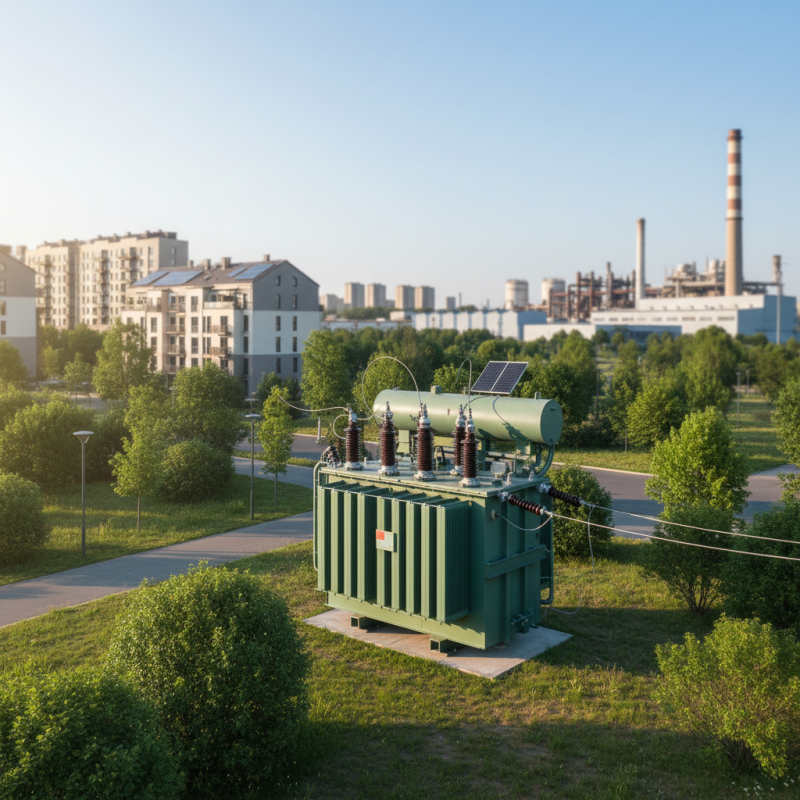
Distribution transformers are essential in the electrical grid. They play a vital role in stepping down voltage for commercial and residential use. Understanding their functions helps in choosing the right one for your needs.

Tips: Evaluate your power requirements carefully. Know your total load before selecting a transformer. A mismatch can lead to inefficiency.

Distribution transformers serve various applications, from street lighting to industrial machinery. They ensure that electricity reaches consumers safely. However, many users underestimate their importance. Power transformers handle High Voltage, while distribution transformers are designed for lower voltage. The distinction is crucial for optimal performance.

Tips: Consider the environment where the transformer will be installed. Factors like temperature and humidity affect lifespan. Placement matters significantly, too. A poorly placed transformer can lead to preventable maintenance issues.

How to Choose the Right Distribution Transformer for Your Needs?

Parameter Description Recommended Value
Power Rating (kVA) Determine the load requirements to select an appropriate power rating to avoid overloading. 25 - 500
Voltage Level (kV) Input and output voltage levels based on application or regional standards. 0.4 - 35
Phase Select between single-phase or three-phase based on the load and installation type. Single or Three-Phase
Cooling Method Defines the cooling system, crucial for thermal management and efficiency. Oil-Immersed or Dry Type
Impedance (%) Affects voltage regulation and short-circuit currents. 4 - 7
Noise Level (dB) Determines the acceptable noise level for residential or commercial areas. Less than 50
Regulatory Standards Compliance with local and international standards for safety and efficiency. IEC 60076, ANSI C57

Key Factors to Consider When Selecting a Distribution Transformer

Choosing the right distribution transformer involves several key factors. Power demands are crucial. Understand your typical load requirements. Calculate peak loads to ensure your transformer can handle them. If you underestimate, it may lead to overloading. This can damage equipment or cause service interruptions.

Another factor is the voltage rating. Ensure the transformer matches your system's voltage levels. Mismatched voltages can lead to inefficiencies. They may also cause safety hazards. Load balancing is often overlooked. Transformers must distribute power evenly across phases. Uneven loads can reduce efficiency and lifespan.

Consider environmental conditions too. High temperatures or humidity can affect performance. If your transformer is in a harsh environment, it may need additional protective features. Size matters as well. An oversized transformer may waste energy, while an undersized one can lead to failures. It's essential to strike a balance. Regularly review your needs, as they might change. This reflection can help maintain efficiency and reliability in your power system.

Determining the Load Requirements for Your Distribution Transformer

How to Choose the Right Distribution Transformer for Your Needs?

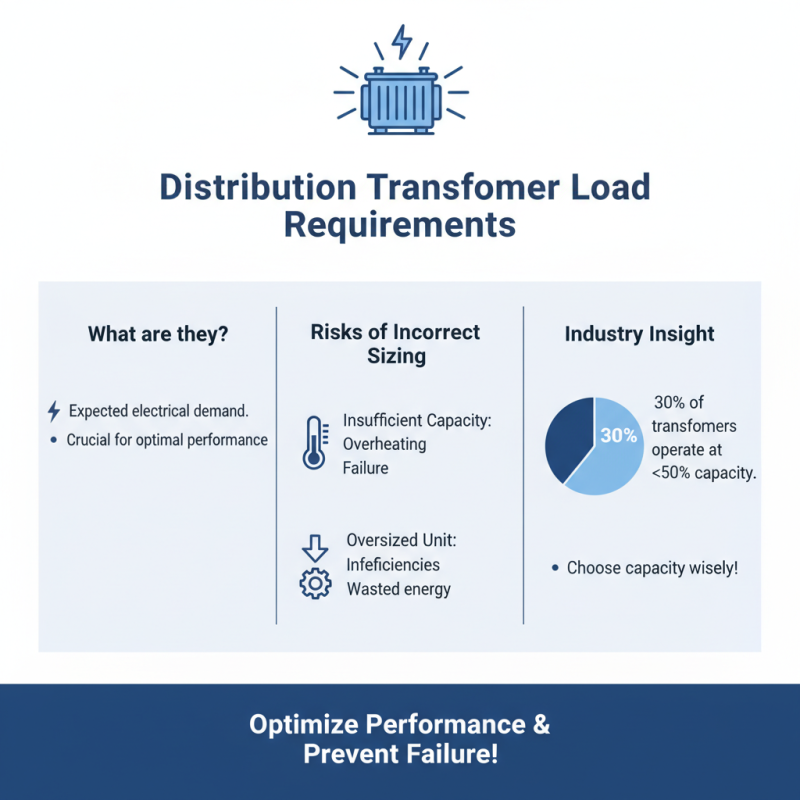
Determining the load requirements for a Distribution Transformer is crucial for optimal performance. Load requirements refer to the expected electrical demand on the transformer. Choosing a transformer with insufficient capacity can lead to overheating and failure. Conversely, an oversized unit can cause inefficiencies. According to industry reports, nearly 30% of transformers operate at less than 50% of their capacity.

Identifying the right size involves calculating both the peak and continuous loads. Take into account the combined load from all devices connected to the transformer. Also consider future expansions. Misjudging these figures could lead to overloading. A poorly matched distribution transformer may not operate effectively over time.

It's important to note that environmental factors also affect load requirements. Temperature and humidity levels can impact efficiency. As per a study by the Electric Power Research Institute, humidity can increase load on transformers by 15%. Understanding these nuances can help in making informed decisions. A detailed assessment of all factors is necessary to select the ideal distribution transformer.

Choosing the Right Transformer Rating and Voltage Levels

When selecting the right transformer rating, consider the load requirements. This involves understanding the total wattage needed for your application. Many users underestimate this. It can lead to equipment failures or inefficiencies. Choosing too low a rating may result in overheating and damage. Conversely, an oversized transformer can waste energy and incur higher costs.

Voltage levels are also critical. Transformers convert voltage levels from high to low or vice versa. The primary voltage should align with your local utility supply. Misalignment can create safety hazards. Always review the voltage ratings of your equipment. A mismatch can cause performance issues. In some cases, users may opt for a higher voltage to reduce current, which is beneficial.

However, this approach may not always be suitable. Higher voltage increases the risk of electric shock. Carefully weigh the benefits and drawbacks. Consider consulting a professional if unsure. A well-chosen transformer can enhance efficiency and safety in your operations. Don't rush this decision; it’s a vital step in your setup.

Distribution Transformer Ratings and Voltage Levels

This bar chart represents the ratings of various distribution transformers in kilovolt-amperes (kVA). When choosing the right distribution transformer, consider your specific load requirements and voltage levels typically used in your application.

Evaluating Transformer Efficiency and Losses for Optimal Performance

How to Choose the Right Distribution Transformer for Your Needs?

When selecting a distribution transformer, considering efficiency and losses is crucial. Transformer efficiency directly impacts operational costs and energy consumption. A more efficient transformer minimizes energy losses, ultimately saving resources.

Look for transformers with high efficiency ratings. Some may advertise misleading figures, so review the specifications closely. Many transformers operate optimally at specific loads. Deviating from these loads can result in increased losses. It's essential to understand your load profile before making a choice.

**Tip:** Measure your average load and peak load accurately. This data helps in determining the right transformer size.

Next, consider the types of losses: copper and iron. Copper losses occur due to resistance in windings, while iron losses arise from magnetization. Even with high efficiency, losses still exist.

**Tip:** Regular maintenance can reduce losses over time. Periodic checks can identify issues that may increase losses.

Choosing the right transformer isn't just about numbers. Reflect on how often you plan to replace or upgrade. Frequent changes can lead to unnecessary expenses. Proper planning can prevent setbacks and foster better decisions in the long run.

Exploring Different Types of Distribution Transformers Available

When exploring different types of distribution transformers, it's crucial to understand your specific power needs. Many facilities opt for Power Distribution Transformers due to their efficiency. In 2021, the global market for distribution transformers was valued at approximately $14 billion and is projected to grow steadily. This trend indicates a rising demand for efficient energy solutions.

There are several types of distribution transformers to consider. Conventional oil-immersed transformers are widely used, known for their resilience and longevity. However, they require regular maintenance and can pose environmental risks if leaks occur. On the other hand, dry-type transformers are also popular. They are safer and more environmentally friendly but typically have a lower insulation rating, making them less suited for high humidity.

It’s important to reflect on your long-term operational costs. For instance, while oil-immersed transformers might have a lower upfront cost, they often come with higher maintenance burdens over time. In contrast, dry-type transformers incur less but can be more expensive initially. By understanding these distinctions, you can choose a transformer that fits your facility's energy profile and environmental commitments.

Understanding Installation and Maintenance Requirements for Transformers

When selecting a distribution transformer, installation and maintenance requirements are crucial. Proper installation ensures safety and efficiency. According to the IEEE Standard 142, improper grounding can lead to significant safety hazards. It’s essential to adhere to the local codes. Many transformers need a level base, typically asphalt or concrete. Without a solid foundation, vibrations can create wear over time.

Maintenance is just as vital. The Electric Power Research Institute reports that regular inspections can extend equipment life by up to 25%. This includes checking for physical damage and heating. Oil analysis is recommended every six months. It can detect contamination and moisture levels, which are critical for reliable operation. Neglecting these checks may lead to unexpected failures.

Lastly, training personnel on maintenance protocols is often overlooked. A well-trained team can identify potential issues early. They can react appropriately, minimizing downtime. Investing in training fosters operational excellence. Ignoring these factors can result in avoidable costs and safety risks.

Innovative Solutions for Urban Power Needs: The Advantages of Noise-Free Sealed Underground S-Series Transformers

Urban areas are constantly evolving, and with this growth comes the pressing need for innovative solutions to meet power demands. One such advancement is the Noise-Free Sealed Underground S-Series Transformer, which stands out as an exceptional choice for underground power distribution. This transformer addresses the dual challenges of noise pollution and environmental protection by employing a fully sealed design that minimizes operational noise. Its oil-immersed structure not only defends against moisture-related corrosion but also ensures a quiet and efficient performance in bustling urban environments.

The S-Series Transformer adheres to stringent international standards, making it a reliable option for various underground applications. It offers multiple energy efficiency levels and incorporates flexible voltage regulation, allowing it to adapt to the dynamic energy needs of cities. Designed with safety, reliability, energy conservation, and economic efficiency in mind, this transformer provides a robust solution for urban power transmission. As cities continue to expand and evolve, the integration of such innovative technologies is crucial to sustainably power the future.

FAQS

: What types of activities can I do outdoors?

: You can hike, bike, or picnic in parks. Nature walks are enjoyable too. Each offers unique experiences.

How do I stay safe while exploring nature?

Always tell someone your plans. Wear proper gear and bring enough water. Trust your instincts in wild areas.

Are there common challenges when hiking?

Yes, you might face uneven trails, bad weather, or fatigue. Prepare accordingly and know your limits.

Can beginners participate in outdoor adventures?

Absolutely! Start with easy trails. Gradually increase difficulty. Enjoy the fresh air and learn at your own pace.

How can I connect with other outdoor enthusiasts?

Join local clubs or online groups. Attend outdoor events. Sharing experiences can lead to new friendships.

What are some eco-friendly practices I should follow outdoors?

Leave no trace behind. Follow designated trails and respect wildlife. Your choices impact the environment.

How do weather conditions affect outdoor plans?

Weather can change quickly. Check forecasts. Be flexible and adjust activities based on current conditions.

What should I pack for a day out?

Bring snacks, water, and a map. A first aid kit is wise. Dress in layers to handle changing temperatures.

Conclusion

Choosing the right Distribution Transformer is crucial for ensuring the efficient delivery of electricity in a variety of applications. Understanding the fundamental functions of distribution transformers helps in making informed decisions. Key factors to consider include load requirements, transformer ratings, and voltage levels, all of which impact performance. Evaluating efficiency and potential losses can optimize operational costs and prolong the lifespan of the transformer.

Additionally, it's important to explore different types of distribution transformers available in the market, each suited for specific applications. Lastly, understanding installation and maintenance requirements ensures the transformer operates reliably and meets the electrical demands safely. By carefully considering these aspects, one can select a distribution transformer that effectively meets their needs.
Isabella

Isabella

Isabella is a dedicated marketing professional at Jiangxi GUOXIANG Electric Power Equipment Co., Ltd., where she has been instrumental in shaping the company’s online presence since its establishment in 2016. With a deep understanding of the company's extensive range of integrated power solutions,......
Previous Maximizing Value with Exceptional After Sales Support for Best Distribution Transformers