Picking the right Copper Windingfor your project? Honestly, it can be pretty tricky sometimes. I mean, as John Smith, a senior engineer over at Copper Solutions Inc., puts it, "Getting the right Copper Winding can make or break the whole project." So yeah, really knowing what you need is super important.
Copper winding is a big deal in electrical work — it totally affects how efficient and reliable everything is. When you're choosing your wire, think about the gauge, the Insulation type, and the winding method. Every little choice can change the final result. Mess up on any of these, and you might end up with overheating problems or losing energy along the way.
Looking back at your past projects can actually be a great way to learn. Sometimes folks don't make the most of their resources or they overlook the small details — we've all been there. Making mistakes is part of the process, so try to learn from them. Take a good look at what your project demands, and this way, you’ll be more likely to end up with a winding that’s durable and performs well over time.
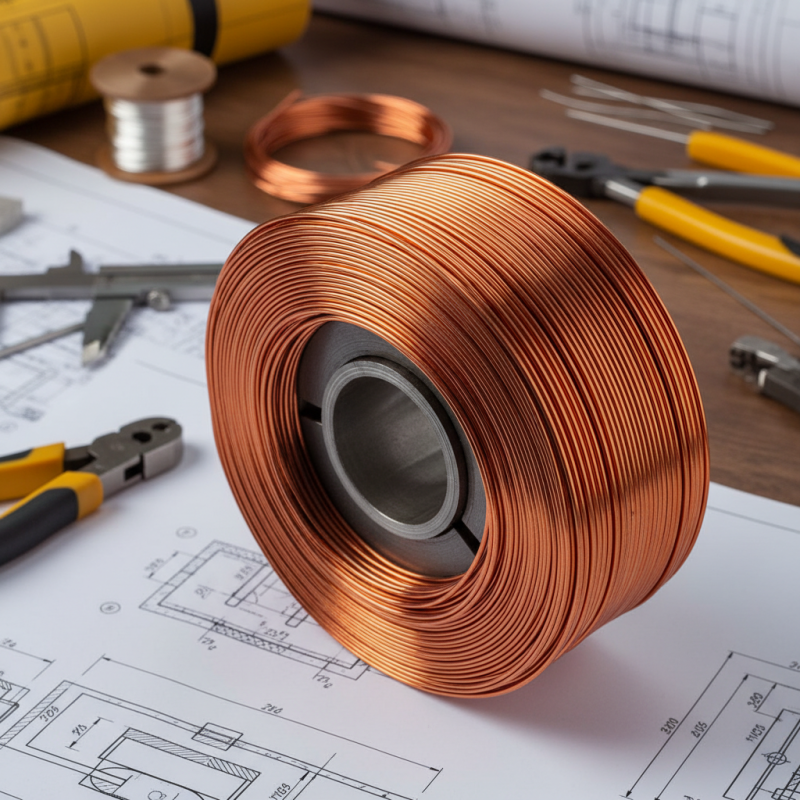
Copper winding plays a crucial role in electrical applications. Understanding its basics can guide you in making the right choice for your project. At its core, copper winding consists of insulated copper wire coiled around a core. This process generates electromagnetic fields, essential for motors, Transformers, and generators. The purity of the copper affects conductivity. Higher purity translates to better performance.
When selecting copper winding, consider wire gauge. Thicker wire can handle higher current. This is vital for applications needing efficiency. However, thicker wires are also heavier. Balancing weight and efficiency can be challenging. Sometimes, you may underestimate how much weight matters in your design.
Another aspect is insulation. The type of insulation impacts temperature resistance and electrical performance. Many options exist, making it hard to choose. Often, your project demands specific insulation characteristics, which can be confusing. It is crucial to research and test various options. Being aware of these details will lead to more informed decisions in your copper winding selection process.
| Winding Type | Wire Gauge (AWG) | Max Current (A) | Resistance (Ω/m) | Efficiency (%) |
|---|---|---|---|---|
| Random Wound | 18 | 10 | 0.021 | 88 |
| Layer Wound | 16 | 15 | 0.013 | 90 |
| Cone Wound | 14 | 20 | 0.008 | 92 |
| Disc Wound | 12 | 30 | 0.005 | 95 |
Choosing the right copper winding for your project involves assessing specific requirements thoroughly. Different projects require different specifications. For example, the gauge of wire used must correspond to the current load expected. Studies show that improper gauge selection can lead to efficiency losses, sometimes exceeding 10%. Understanding voltage requirementsis also crucial; High Voltages necessitate thicker windings to avoid breakdowns.
Tips: Always check your specifications against industry standards. This can save time and money.
Another factor is the operating environment. If your project is in a high-temperature area, select copper that can withstand such conditions. Some reports indicate that thermal stability is key to longevity. However, many overlook this aspect, leading to premature failures. Continuous research in material advancements is critical, but beware of unverified claims from suppliers.
Tips: Evaluate the material's thermal characteristics before making a purchase. This helps avoid potential pitfalls.
Selecting the right gauge for copper winding is crucial for your project. The gauge determines the wire's thickness and affects conductivity. A thicker wire handles more current but can be cumbersome. Thinner wire is lighter but may not support high loads. Take time to evaluate your project's power requirements.
A Copper Transformer often requires specific gauge sizes for optimal performance. Consider the resistance and heat generated by different gauges. Too thin a wire can lead to overheating. This increases energy loss and can damage components. Think carefully about your selections. Mistakes in gauge choice can lead to inefficiencies.
Keep in mind that environmental factors also play a role. For instance, outdoor applications might necessitate thicker gauges to endure weather conditions. Reflect on how the winding will be used. It might not be a one-size-fits-all approach. Gathering data and experimenting might help you make better choices. Don't be afraid to seek advice or test various options.
When selecting copper wire insulation, you need to consider various factors. The insulation material affects durability and performance. Common types include PVC, enamel, and polyurethane. Each type serves a unique purpose and environment. PVC insulation is affordable and resistant to abrasion. However, it may not endure high temperatures. Enamel provides excellent insulation but can be more fragile.
Copper Coilapplications also vary, so your choice should align with your project’s demands. For example, in electronics, the insulation must withstand heat and wear. In contrast, for general wiring, thicker insulation might not be necessary. Assess the environment where the Copper Coil will be used.Humidity, temperature, and exposure to chemicals can impact insulation choice.
It’s essential to reflect on the long-term implications of your insulation choice. Some types may be more sustainable but costlier upfront. Others might save money initially but lead to potential failures later. A careful evaluation ensures not just effectiveness, but also reliability. Balancing performance and cost requires thoughtful decision-making.
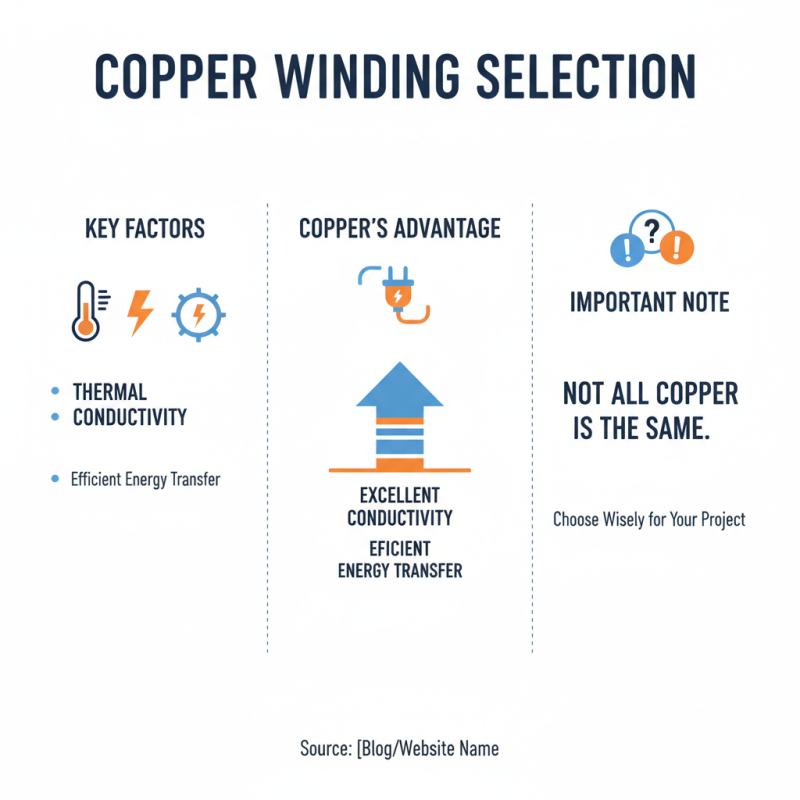
When selecting the right copper winding for your project, thermal and electrical conductivity are key factors. Copper’s excellent conductivity ensures efficient energy transfer. However, the choice isn't always straightforward. Not all copper is the same.
Conductivity can vary based on purity and treatment. Higher purity copper has better performance. Yet, this can also raise costs. Consider the balance between budget and efficiency. Weighing this can be tricky. For example, a lower grade might save money but affect overall efficiency.
**Tips:** Test the copper's conductivity level. This can guide your decision. Don’t overlook the environment where the winding will operate. Factors like temperature and humidity can impact performance. Check your specific project needs. Reflect on how changes in these factors may influence your choice. Every project has unique requirements, so a one-size-fits-all approach rarely works.
When budgeting for quality copper winding, precise cost analysis is crucial. According to a report from the International Copper Association, the global demand for copper is increasing annually by about 3.5%. This demand influences copper prices significantly. Currently, the average cost of high-quality copper wire hovers around $6,500 per ton. However, prices can spike based on market conditions, purity levels, and supply chain factors.
Investing in quality copper winding can lead to long-term savings. A study by the Electrical Engineering Department at Stanford University found that using premium copper winding can reduce energy losses by up to 30%. While the upfront cost may exceed that of lower-grade wires, the efficiency gains can offset the initial investment over time. Nonetheless, it’s important to assess your project's specific needs. Not all projects demand the highest quality copper. Sometimes, a cost-effective solution may suffice, depending on the application.
Choosing the right copper is not a straightforward decision. A miscalculation can result in overspending. Many projects fail to account for the total lifecycle cost of materials, potentially leading to regrets later on. Balancing initial costs with performance and longevity is key. Ask yourself if the project justifies the investment in top-tier materials. It's an essential consideration, especially if budget constraints are a concern.
Choosing the right copper winding for your project involves careful supplier selection. Start by identifying your specific needs. What is your project scale? What specifications do you require? These factors dictate the type of copper winding you need. It’s crucial to source from reliable suppliers who can meet your demands.
When comparing suppliers, consider their track record. Do they offer high-quality materials? Look for reviews and user experiences. Price is important, but don’t choose solely based on it. Sometimes, a lower price may mean compromised quality. Shortcomings in material can lead to issues down the line.
Engage with multiple suppliers. Ask questions about sourcing processes. Transparency is vital. Are they willing to share information? A reliable supplier should be open about their practices. Visiting the supplier can also be beneficial. Seeing the operation firsthand helps build trust and ensures quality.
: Copper winding consists of insulated copper wire coiled around a core, generating essential electromagnetic fields.
Higher purity increases conductivity, improving overall performance in electrical applications.
Thicker wire handles more current, which is important for efficiency but adds weight to the design.
Insulation type impacts temperature resistance and performance, so research specific characteristics for your project.
Conduct precise cost analysis, considering both upfront costs and potential long-term savings from quality materials.
Market conditions, purity levels, and supply chain factors significantly affect copper pricing.
Look for suppliers with a strong track record, quality materials, and transparency in their sourcing processes.
Engaging various suppliers helps you compare quality, materials, and pricing, ensuring the best choice for your needs.
Opting for cheaper materials can lead to issues and regrets later, affecting the project's performance.
The scale of your project dictates specific specifications needed for copper winding selection and sourcing.
Choosing the right copper winding for your project requires a clear understanding of its fundamental role in electrical applications. It's crucial to identify the specific requirements of your project, which can dictate the type and gauge of copper winding needed. Selecting the appropriate gauge ensures optimal performance and efficiency, while evaluating different types of insulation protects the wire from environmental factors and enhances durability.
Moreover, considering thermal and electrical conductivity is essential, as it directly impacts the effectiveness of the copper winding. Conducting a cost analysis helps in budgeting for the right materials without compromising on quality. Lastly, sourcing and comparing suppliers can provide insights into the best options available, ensuring that your project is equipped with reliable and efficient copper winding solutions.