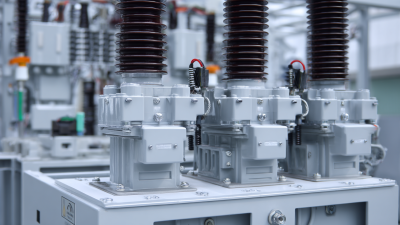
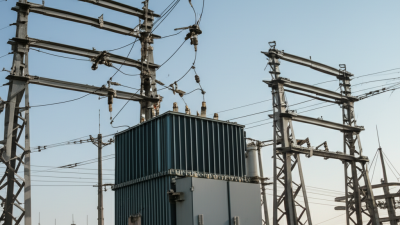
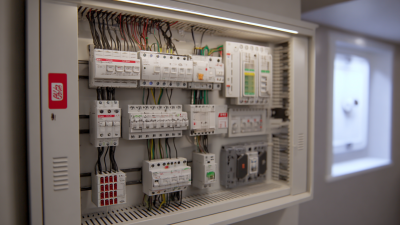
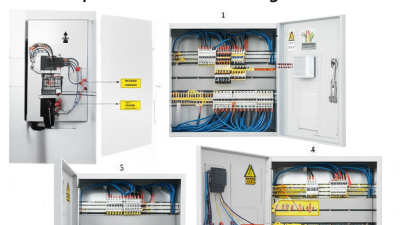
Picking the right Aluminum Transformer can really make a difference in how smoothly your operations go. They're pretty popular across different industries because they’re lightweight and efficient. When you're choosing one, it’s good to keep an eye on things like voltage ratings, capacity, and what exactly you’re gonna use it for.
Honestly, experience plays a big role here — talking to folks who know their stuff can really help you get a good sense of what’s a fit. But truthfully, not every option pans out as expected. Doing some quick homework on brands and reading customer reviews can give you a clearer picture of which ones are reliable.
Also, pay attention to the environment where you’ll be using it. Things like temperature swings and humidity can impact performance. It’s worth thinking about these factors before making a decision, so you don’t run into problems later on. And honestly, it's a good idea to prioritize quality over just saving a few bucks—that way, you’re set for the long haul.
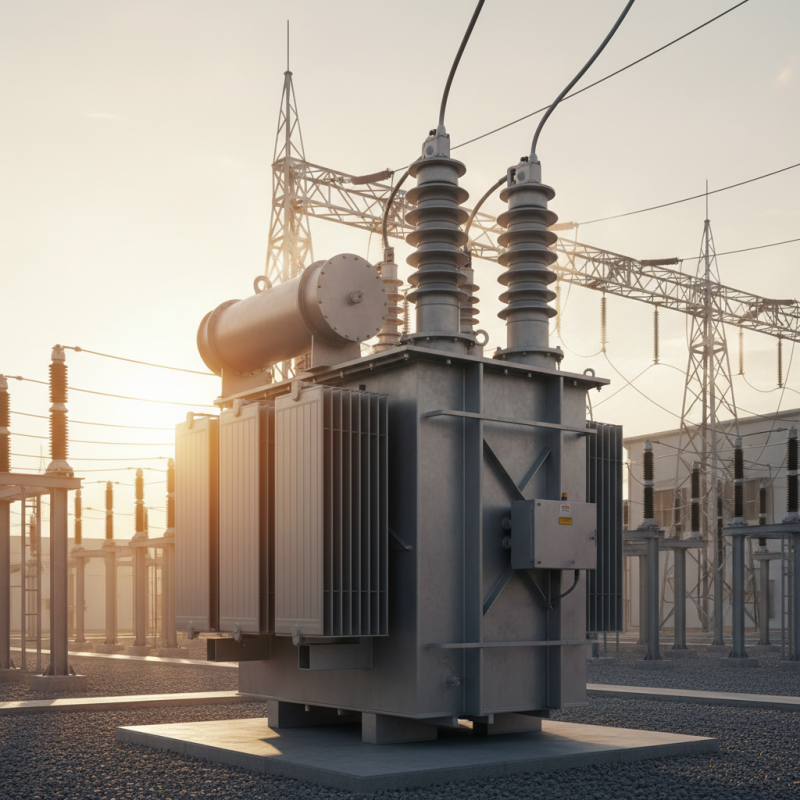
Aluminum Transformers play a crucial role in electrical systems. They convert voltage levels efficiently. Understanding their components is essential for effective selection. One key aspect is the Aluminum Coil. The coil's quality directly affects the transformer's performance. These coils can handle significant electrical loads when properly designed.
Material choice is vital. Aluminum is lighter and has good conductivity. This is beneficial in many applications. However, it can be less durable than copper. Users need to consider application-specific demands. For instance, in extreme environments, aluminum may corrode. This can lead to reliability issues.
Additionally, installation practices influence performance. Improperly connecting the Aluminum Coil can lead to overheating. Users should ensure correct voltage levels are maintained. Such oversights can result in inefficiencies or damage. A thorough understanding of these factors aids in making informed decisions.
Choosing the right aluminum transformer requires careful consideration of several key factors. One important aspect is the transformer's power rating. Understanding your specific voltage and current requirements will help you find a suitable model. It is essential to assess the load characteristics. Consider whether the load is constant or variable, and if it has any peak demands.
Another critical factor is the environmental conditions. Aluminum transformers are often used in outdoor settings. They may be exposed to moisture and heat. Selecting a transformer with adequate weatherproofing can enhance its reliability. Durability is equally vital. Be sure to look at the construction quality and materials used, as these impact longevity and performance.
Tips: Always check the transformer's specifications. Look for details about its efficiency ratings. A higher efficiency means lower energy loss, which is beneficial for long-term usage. Don't overlook the importance of certifications. Verify if the transformer meets industry standards. This adds a level of assurance regarding its performance. Make sure to consult with a knowledgeable professional, especially if uncertainty arises about your specific needs.
When evaluating power ratings for aluminum transformers, understanding load requirements is crucial. Loads vary greatly depending on the application. For industrial settings, transformers often need to handle large, continuous loads. Reports indicate that a transformer must operate at 80% of its rated capacity for optimal performance. Overloading a transformer can lead to overheating, reducing its lifespan.
For commercial applications, load profiles can be variable. Many businesses experience peak demands during specific hours. It is essential to assess both average and peak loads. Industry data suggests that transformers selected with a power rating exceeding 125% of expected peak loads help prevent disruptions. Power transformers and Distribution Transformers each serve unique roles in managing electrical distribution effectively.
Choosing the right transformer requires careful consideration of both power ratings and future load projections. Reflecting on potential growth in demand is vital. An undersized transformer can lead to energy inefficiency and unexpected failures. Similarly, oversized systems might incur higher initial costs. Therefore, a balanced approach to sizing transformers—factoring in both immediate and long-term requirements—ensures reliability and efficiency in power management.
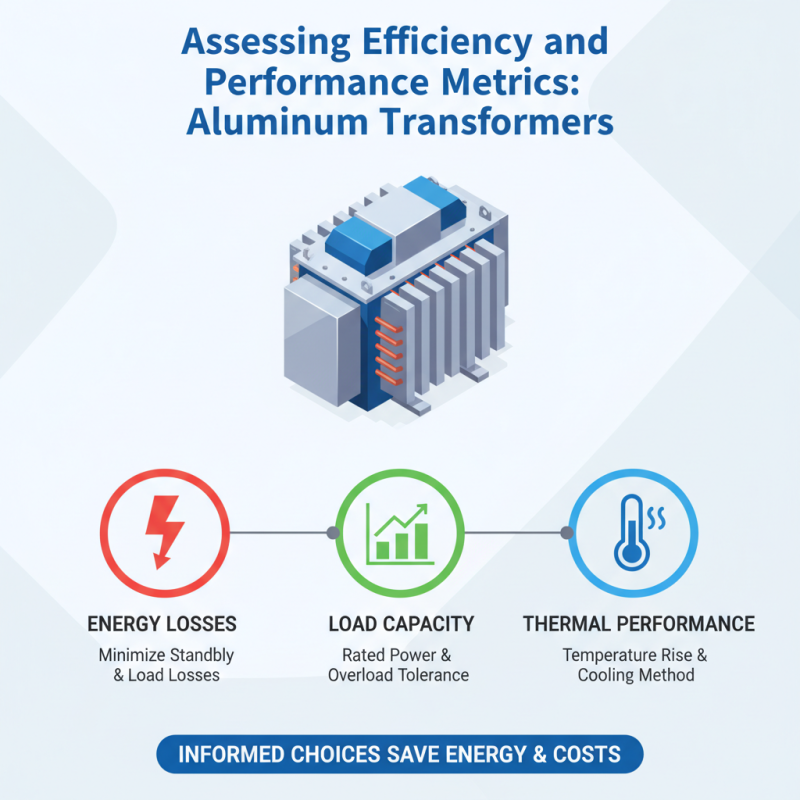
When selecting an aluminum transformer, efficiency and performance metrics are crucial. Understanding these metrics helps in making informed choices. The key factors include energy losses, load capacity, and thermal performance. Knowing how each transformer performs under different conditions can save energy and costs over time.
In efficiency assessments, consider both no-load and load losses. No-load losses occur while the transformer is energized but not delivering power. Load losses happen when current flows through the windings. It's essential to find a balance between these elements for optimal performance. Sometimes, higher efficiency means a higher upfront cost. Reflect on long-term savings versus immediate expenses.
Performance metrics also include voltage regulation and temperature rise. A transformer should maintain stable voltage under varying loads. Excessive heating can lead to failures. Monitoring these metrics ensures reliability. Testing can reveal weaknesses in components. While this process may seem tedious, it is vital for ensuring the transformer meets operational needs. The right aluminum transformer can greatly impact your system's efficiency, especially in applications like Distribution Transformer And Power Transformer setups.
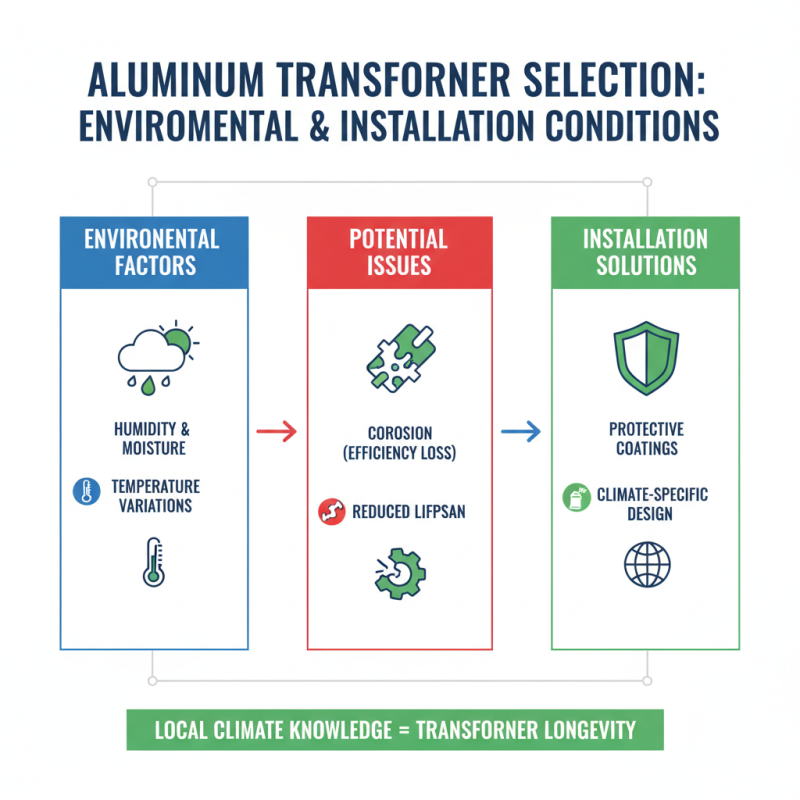
When selecting an aluminum transformer, environmental and installation conditions are crucial. Moisture levels and temperature variations can greatly affect its performance. For instance, areas with high humidity may require additional protective coatings on the transformer. Direct exposure to elements can lead to corrosion, affecting efficiency. Understanding local climate is vital for ensuring longevity.
Installation site characteristics also play a key role. If the transformer is situated in a dusty environment, filters or enclosed designs might be necessary. Noise levels are another factor to consider. Some transformers emit sound, which could be problematic in residential areas. Evaluating regulations for noise can help prevent future issues.
Finally, accessibility for maintenance is often overlooked. Ensure the chosen location allows easy access. Power Transformer Distribution Transformer designs vary in size and complexity. Having a clear understanding of site specifics can aid in selecting the right unit. A well-suited transformer will not only enhance performance but also reduce the need for frequent repairs or replacements.
When selecting the right aluminum transformer, cost and maintenance are vital considerations. Generally, aluminum transformers are less expensive than copper ones. Reports indicate that aluminum transformers can cost up to 30% less. However, the reduced cost may lead some to overlook the long-term maintenance expenses.
Routine maintenance is crucial for aluminum transformers. They require inspections to address issues like corrosion and loose connections. According to industry studies, proper upkeep can enhance the transformer's longevity by up to 20%. Neglecting maintenance may result in increased operational costs and potential downtime. The trade-off between initial savings and ongoing costs can be significant.
When selecting an aluminum transformer, expert reviews are invaluable. They provide insights into performance, efficiency, and durability. For instance, a comprehensive study by the Institute of Electrical and Electronics Engineers (IEEE) indicates that the right transformer can improve energy efficiency by up to 30%. This data emphasizes the importance of choosing wisely.
Customer reviews often point to factors like load capacity and thermal management. Analyzing these aspects pays off. A report from the International Energy Agency (IEA) states that poorly selected transformers can lead to overloading. This not only affects performance but increases maintenance costs significantly.
In the pursuit of reliability, consulting industry experts matters. Their experience can help navigate potential issues. Non-traditional sources, like forums and social media, also provide real-world user feedback. A balanced approach, blending expert recommendations with user experiences, often yields the best results. It's not just about specifications—but understanding how they perform in different environments.
| Transformer Type | Power Rating (kVA) | Primary Voltage (V) | Secondary Voltage (V) | Weight (kg) | Cooling Method | Efficiency (%) | User Rating (out of 5) |
|---|---|---|---|---|---|---|---|
| Single Phase | 10 | 230 | 115 | 50 | Air Cooled | 95 | 4.5 |
| Three Phase | 25 | 400 | 230 | 100 | Oil Cooled | 97 | 4.7 |
| Isolation | 15 | 480 | 120 | 60 | Air & Oil Cooled | 94 | 4.2 |
| Step Down | 30 | 600 | 240 | 150 | Air Cooled | 96 | 4.6 |
: These metrics help make informed choices, saving energy and costs over time.
No-load losses occur when the transformer is energized but not delivering power; load losses happen during current flow.
Balance no-load and load losses; reflect on long-term savings instead of just immediate expenses.
Voltage regulation and temperature rise are vital. They ensure stable operation under varying loads.
Routine inspections can enhance longevity by up to 20%. Neglect can increase operational costs.
They have higher thermal expansion rates, leading to mechanical stress if not installed correctly.
Yes, reduced costs might overlook long-term maintenance expenses, which can add up.
Schedule regular inspections to catch problems early and save money over time.
Poor installation can lead to unexpected costs and performance issues, impacting reliability.
Factors like humidity and temperature can affect the efficiency and longevity of the transformer.
Choosing the right Aluminum Transformer requires a comprehensive understanding of its various aspects. First, it’s essential to grasp the basic working principles and advantages of aluminum transformers compared to other materials. Key factors such as power ratings, load requirements, efficiency, and performance metrics must be closely evaluated to ensure the selected transformer meets the specific demands of your application.
Additionally, environmental considerations, installation conditions, and cost evaluations play a crucial role in the decision-making process. Maintenance requirements should also be taken into account to ensure long-term reliability. Lastly, seeking expert recommendations and user reviews can provide valuable insights, guiding you towards the most suitable Aluminum Transformer for your needs.