Picking out the right 500kVA Transformer can actually feel a bit overwhelming sometimes. There’s a lot to think about! To get it right, you really need to understand your specific power requirements—since different uses call for different specs and capacities.
A 500kva Transformer isn't just any piece of equipment; it’s used across a bunch of industries, and how well it performs can seriously impact your operations. When you're choosing one, it’s smart to consider what kind of loads you'll be running now and in the future, especially if you plan on expanding. Honestly, many folks overlook this and end up with inadequate power supply down the line, which is a total headache.
Reliability? That’s a big deal. A poor choice can lead to unexpected downtime and cost a lot more in the long run. So, teaming up with experienced professionals really pays off—they’ve got the know-how to help you make a smart, informed decision about your 500kVA transformer. And, before making your call, gathering all the right data upfront can make a huge difference. Trust me, paying attention to these details adds up over time and saves you a lot of trouble later on.
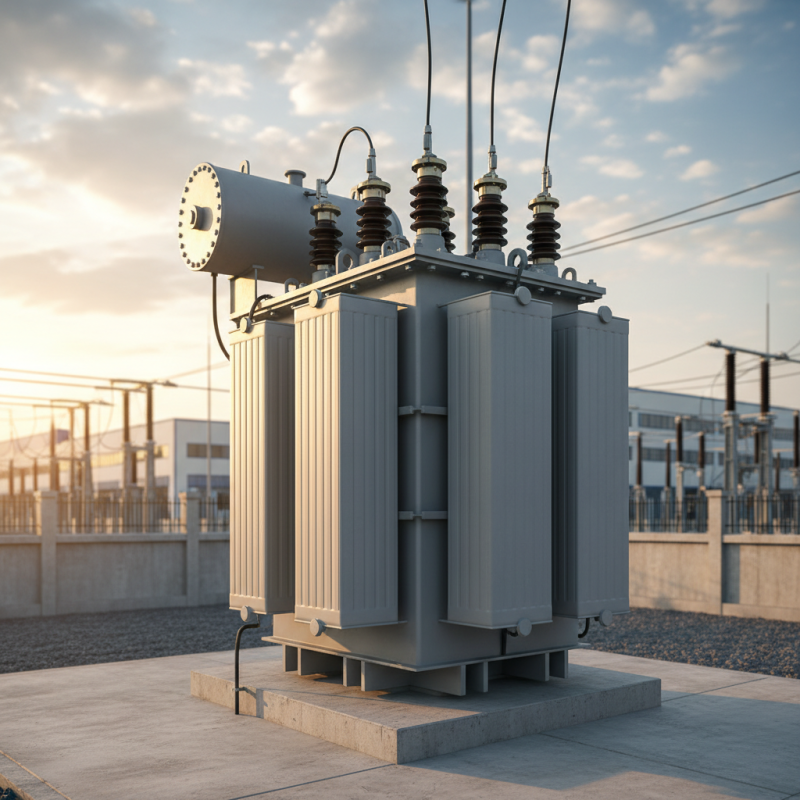
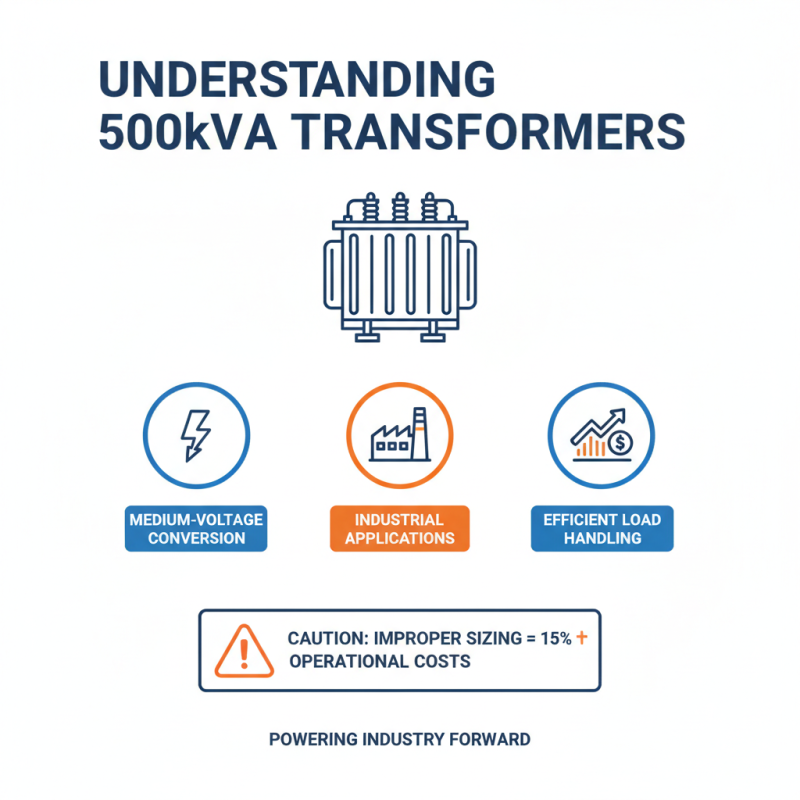
When selecting a 500kVA transformer, understanding its fundamentals is crucial. A 500kVA transformer converts electrical energy to serve medium-voltage applications, common in industrial settings. These Power Transformers are designed to handle significant load variations efficiently. Reports indicate that improper sizing can lead to a 15% increase in operational costs due to inefficiencies.
Efficiency ratings often differentiate between power transformers and Distribution Transformers. For example, modern 500kVA models boast efficiency ratings above 98%. However, the environmental impact of manufacturing and disposing of transformers requires careful consideration. It’s essential to evaluate not just performance but also long-term sustainability.
Installation plays a vital role in transformer performance. It's advised to choose an installation location that ensures adequate ventilation and access. Choosing a qualified technician for setup is equally important to avoid potential issues down the line. A poorly installed transformer can lead to increased wear and even forced outages, nullifying initial cost savings. Balancing efficiency with practical considerations can significantly affect your operational budget.
When evaluating your power requirements, consider the specific needs of your operation. Look closely at peak and continuous load demands. Your transformer must handle these loads efficiently. A detailed load analysis aids in selecting the right transformer. This should include all connected equipment. Identify both steady-state and transient loads.
Load types play a critical role in your decision. Different applications have varying impacts on transformer performance. For instance, inductive loads can cause higher inrush currents. This can lead to overheating if not properly accounted for. Assessing load diversity helps in understanding how loads fluctuate over time. This analysis can highlight potential issues early in the selection process.
The efficiency and reliability of your transformer depend heavily on accurate assessments. Overestimating power needs can lead to unnecessary costs. Underestimating can result in equipment failure. Take the time to evaluate your specific requirements carefully. Seek expert advice if needed. Each decision contributes to the overall effectiveness of your power system.
Selecting the right 500kVA transformer involves understanding efficiency and performance ratings. Efficiency is paramount. Reports indicate that transformers can achieve efficiencies as high as 98%. This means that only 2% of energy is wasted during the conversion process. For a 500kVA unit, this translates to significant savings in energy costs. In commercial settings, this can impact overall operational budgets favorably.
Another critical aspect is the performance rating like load stability. A distribution transformer is expected to perform efficiently under varying loads. Data shows that transformers designed for specific applications can deliver superior load management. However, not all transformers meet the same standards. Choosing a power transformer with an established testing protocol is essential. IEEE and IEC standards provide guidelines for evaluating performance. A transformer not aligned with these standards may lead to reduced efficiency and increased maintenance costs.
A point of reflection is the impact of ambient temperature on transformer performance. The efficiency can decrease significantly in extreme conditions. Transformers must be appropriately rated for the environmental factors they will face. Installing a transformer without considering these criteria may lead to operational inefficiencies. Ultimately, understanding these factors enables better decision-making.
When selecting a 500kVA transformer, understanding the differences between dry and oil-cooled types is crucial. Oil-cooled transformers are popular for larger installations due to their efficiency. They excel in heat dissipation, making them suitable for heavy loads. A 2009 industry study noted that oil-cooled transformers can handle temperatures better, which can extend their lifespan. However, they require more maintenance and have a complex installation process.
On the other hand, dry transformers are gaining traction for their safety and environmental benefits. They do not contain oil, reducing the risk of leaks. This feature is increasingly important as industries push for sustainability. According to the 2021 Global Transformer Market Report, the dry-type segment is expected to grow by 4.5% annually. They are less prone to fire hazards, making them ideal for indoor use or areas with strict regulations.
Choosing the right transformer depends on various factors. You must consider heat management and safety needs. In some cases, a hybrid approach could be beneficial. Reflecting on your specific requirements can lead to better long-term decisions. The choice between these transformers may also impact your operational costs. Balancing initial investment with future maintenance is essential for optimal performance.
This chart illustrates the efficiency and yearly maintenance costs for two types of 500kVA transformers: Dry Type and Oil-Cooled Type. The Dry Type transformer has an efficiency of 95% and a higher maintenance cost, while the Oil-Cooled Type boasts 98% efficiency with lower maintenance costs.
Choosing the right 500kVA transformer requires careful consideration of key features. Power efficiency is crucial. A transformer with high efficiency reduces energy losses, leading to lower operational costs. According to a recent industry report, transformers can waste up to 10% of energy if not selected properly. Investigating rated power, voltage levels, and frequency compatibility is essential for optimal performance.
Cooling methods also play a vital role. Oil-immersed transformers typically offer better cooling properties than air-cooled models. This affects both longevity and reliability. A study indicates that oil-cooled transformers can last around 30% longer than their air-cooled counterparts under similar conditions. Choose a unit that meets your specific environmental and load requirements.
Tips: Always consider maintenance access. Regular checks can prevent minor issues from turning into costly repairs. Also, be mindful of the installation process. Disturbances during this phase can impact the transformer's effectiveness and lifespan. Avoid shortcuts; invest in a proper installation for longevity and reliability.
When selecting a 500kVA Transformer, installation and maintenance are key factors that significantly impact performance. Proper installation affects efficiency and longevity. According to industry reports, inappropriate handling during installation can lead to overheating and reduce the lifespan of your transformer by up to 30%. Make sure that the installation site has adequate space and ventilation.
**Tip:** Always perform an on-site evaluation before installation to determine any potential environmental challenges.
Routine maintenance is essential for any transformer. Conducting regular inspections helps identify issues before they escalate. Industry data indicates that adopting a preventive maintenance schedule can improve reliability by 20%. Basic tasks include checking electrical connections and ensuring that cooling systems are working effectively.
**Tip:** Keep a detailed maintenance log to track inspections, repairs, and performance.
Careful consideration of both installation and maintenance practices can significantly enhance the reliability of your transformer. The right choices prevent costly downtimes and ensure optimal operation. Control your environment and follow maintenance recommendations diligently.
| Feature | Description | Importance |
|---|---|---|
| Voltage Rating | Select based on system voltage requirements (e.g., 11kV, 33kV). | Critical for compatibility and efficiency. |
| Cooling Method | Air-cooled, Oil-immersed, or Dry-type options available. | Affects performance and maintenance requirements. |
| Mounting Type | Pole-mounted, pad-mounted, or substation-mounted. | Influences installation complexity and location. |
| Efficiency Rating | Check for standards like DOE 2016 or IEC 60076. | Higher efficiency reduces operational costs. |
| Protection Features | IP ratings, surge protection, and grounding. | Essential for safety and longevity. |
| Maintenance Requirements | Routine checks, oil testing, and insulation monitoring. | Critical for reliable operation and lifespan. |
| Warranty | Length and coverage details from manufacturer. | Provides assurance and assistance in case of issues. |
Choosing the right 500kVA transformer requires careful attention to compliance with local and national electrical standards. These regulations ensure safety and efficiency in electrical installations. Failing to adhere to these standards can lead to serious consequences. Make sure to familiarize yourself with the National Electrical Code (NEC) and any local regulations that apply. This knowledge not only helps in compliance but also in project planning.
Tips: Always obtain local permits before installation. Ensure that your transformer meets efficiency levels to reduce energy costs. Consult with a licensed electrician to tackle any compliance issues.
Understanding electrical standards can be complex. Different regions may have varying requirements. Reach out to local authorities or professional consultants for guidance. Regular checks and maintenance of the transformer are crucial. These practices help in identifying any compliance issues early on. Reflect on what you learn from installations, as continuous improvement can be a significant asset. Every project presents unique challenges; addressing them enhances both knowledge and skill sets.
: Oil-cooled transformers are efficient and better at heat dissipation. Dry transformers prioritize safety and environmental sustainability.
They handle heavy loads well due to superior heat management. Their lifespan can be extended in high-temperature conditions.
They reduce the risk of leaks and are less prone to fire hazards. This makes them ideal for indoor settings.
Power efficiency, cooling methods, rated power, and safety needs are vital. These choices can impact operational costs significantly.
Regular maintenance checks can prevent minor issues from causing major problems. Neglecting this can lead to costly repairs.
Familiarity with local and national electrical standards is essential. Adhering to these ensures safety and efficiency across installations.
Oil-immersed transformers generally last longer than air-cooled types. Choose based on environmental and load requirements.
Ensure proper installation to avoid future issues. Shortcuts can decrease effectiveness and lifespan; invest in quality work.
Consulting local authorities and professional experts can clarify compliance issues. Continuous learning from installations improves skills.
Each project offers challenges that enhance knowledge. Reflecting on these can lead to better decisions in future installations.
Choosing the right 500kVA transformer involves several critical steps, starting with understanding the basics of transformer operations. It's essential to evaluate your specific power requirements and the types of loads the transformer will support. Consideration must also be given to the efficiency and performance ratings of potential transformers, as these factors significantly impact long-term operational costs.
Moreover, one must decide between different transformer types, such as dry or oil-cooled models, based on application needs. Key features, including size, weight, and cooling methods, are also crucial considerations. Finally, installation and maintenance aspects should not be overlooked, as proper adherence to local and national electrical standards ensures both compliance and safety. By carefully assessing these elements, you can select a 500kVA transformer that best meets your needs.