Hey there! In today's world, where Energy Efficiency and reliabilityare super important, picking the right kind of Power Transformer is crucial for anyone dealing with the intricate world of electrical infrastructure. A recent study byMarketsandMarketspredicts that the globAl Transformer market is going to jump from$35.6 billion in 2020 to $53 billion by 2025. That really shows how much the demand for efficient power solutions is ramping up!
At Jiangxi Guoxiang Electric Power Equipment Co., Ltd., founded back in 2016, we're proud to be right at the cutting edge of this shift. As a national high-tech enterprise, we specialize in providing integrated power solutions. We really focus on quality and are big fans of the phrase "Made in China, Exporting Globally." We go the extra mile to make sure our products not only meet but blow past international standards.
So, in this blog, we’re putting together a handy checklist to help global buyers like you make smart choices when it comes to different types of power transformers. That way, you can ensure your energy systems perform at their best and last longer too!
Key Trends in Power Transformer Technology for 2025
Looking ahead to 2025, we can expect some pretty exciting changes in the world of power transformer technology, all thanks to the ongoing push for sustainability and efficiency. One of the big trends we're seeing is the rise of smart grid capabilities. This means that transformers will have the ability to be monitored and managed in real-time, which is pretty cool! It not only makes energy distribution smoother but also boosts the overall reliability of our electrical systems. If you’re in the market for transformers, you might want to focus on those that come with these smart features—staying competitive in this changing energy landscape is key.
A little tip: When you're checking out potential transformers, keep an eye out for things like IoT compatibility and predictive maintenance systems. These add-ons can really help cut down on downtime and maintenance costs, all while ramping up efficiency, which is something we all care about!
Another trend worth mentioning is how manufacturers are really starting to prioritize eco-friendly materials and designs. With stricter regulations around emissions and performance now in play, many companies are stepping up their game and adopting more sustainable practices. This shift could mean we get transformers that not only use less energy but also help in cutting down carbon footprints. So, when you’re shopping for products, make sure to lean towards those that show they’re committed to green technology.
One last tip: Don’t forget to look into the manufacturer’s sustainability certifications and any eco-friendly initiatives they have going on. By choosing a transformer with solid environmental credentials, you're not just aligning with global standards but also boosting your corporate social responsibility image! That’s a win-win in my book!
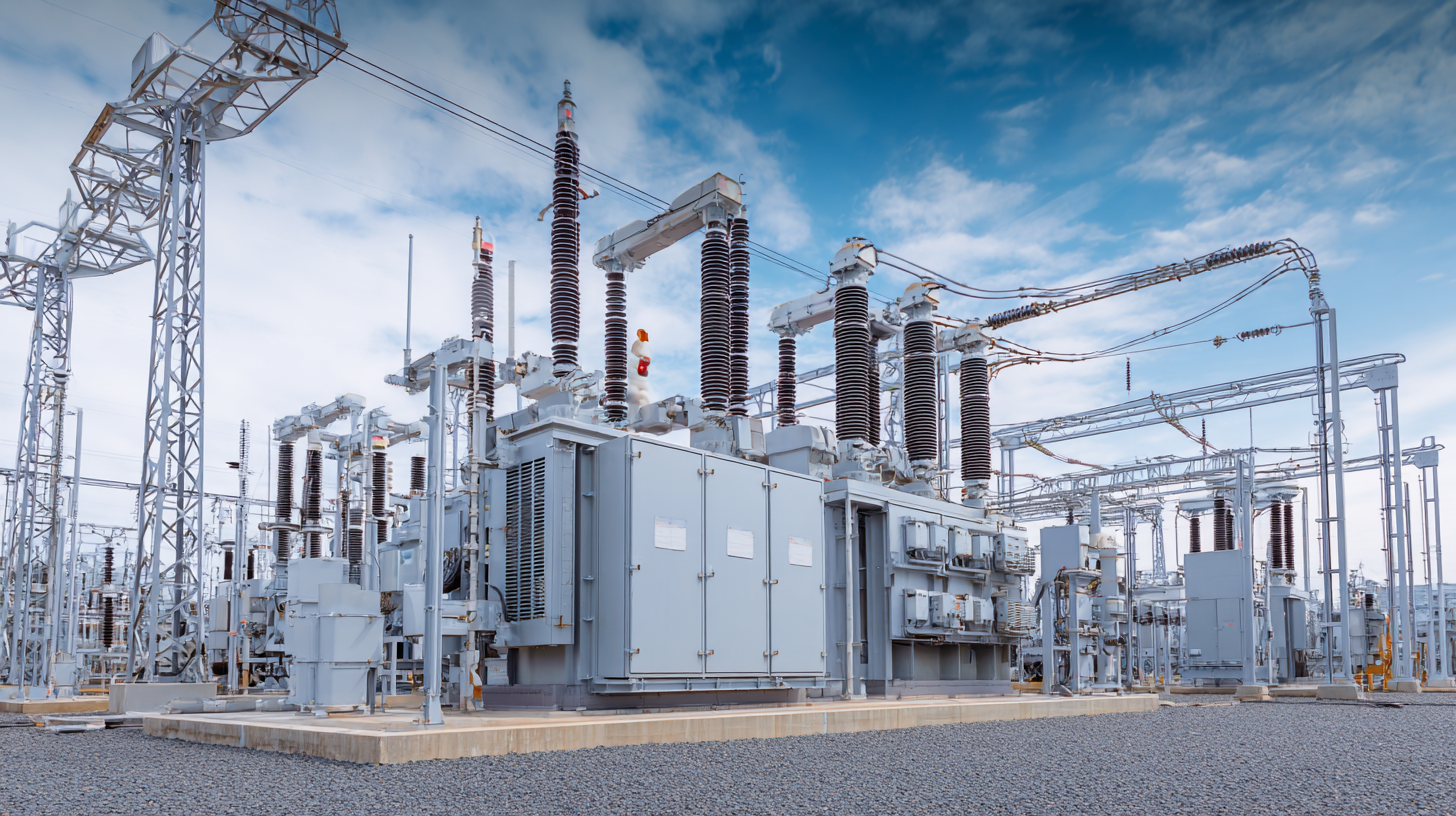
Comparative Analysis of Power Transformer Types: Benefits & Drawbacks
When it comes to selecting the best power transformer type, understanding the benefits and drawbacks of each option is crucial. Traditional oil-filled transformers offer excellent performance on a large scale, boasting high efficiency and durability. They are ideal for high voltage applications due to their robust design and long service life. However, they can be heavy and require significant maintenance, and their use raises safety concerns regarding environmental risks in case of leaks.
On the other hand, dry-type transformers have gained popularity for their safety and lower maintenance needs. They are compact, lighter, and do not pose any risk of environmental contamination, making them suitable for urban installations. The downside, however, is that they may have a lower voltage rating compared to their oil-filled counterparts and can be more expensive for high-power applications. Each type has its unique attributes, and the decision should be based on specific project requirements, installation environments, and performance expectations. Understanding these comparative aspects will guide global buyers in making informed choices for their transformer needs in 2025.
Critical Factors in Selecting the Right Transformer for Your Project
Choosing the right transformer for your project? It’s a big deal! You really need to think about key things like size, efficiency, and whether it’s suitable for your specific application, especially since the market is booming—it’s expected to hit USD 12.7 billion by 2034, growing at around 3.1% each year. And hey, let’s not forget about transformer cores; they play a huge role in how well everything runs and can really impact energy losses. Nowadays, manufacturers are leaning into advanced materials and designs, which is great because it helps them keep up with the demand for transformers that are not just efficient but also super reliable.
Now, if you're looking into specific applications like geothermal energy, there’s a little more to consider. For instance, getting the thermal conductivity of natural rock materials just right is a game-changer for making geothermal projects successful. Some of the latest studies are throwing out cool models like the LLE-transformer-lightGBM, which have been showing off great accuracy in thermal predictions. This kind of insight can seriously affect how viable and efficient your project is. So, when you're making your selections, it’s really important for global buyers to take a good hard look at what their projects need, along with keeping an eye on industry trends and the newest tech advancements.
Transformer Efficiency Comparison in 2025
Emerging Solutions in Power Transformer Efficiency and Sustainability
You know, the power transformation sector is really changing fast! It’s all about efficiency and sustainability now, whether you’re a major player or one of the fresh faces in the field. If we peek ahead to 2025, it’s clear that there’s a huge push for power transformers that are not only eco-friendly but also easy on the wallet, all thanks to global efforts aimed at cutting down carbon emissions. The International Energy Agency (IEA) even predicts that improving energy efficiency could slash our electricity demand by as much as 15% over the next decade. This really shows how crucial it is to pick transformers that meet these new standards.
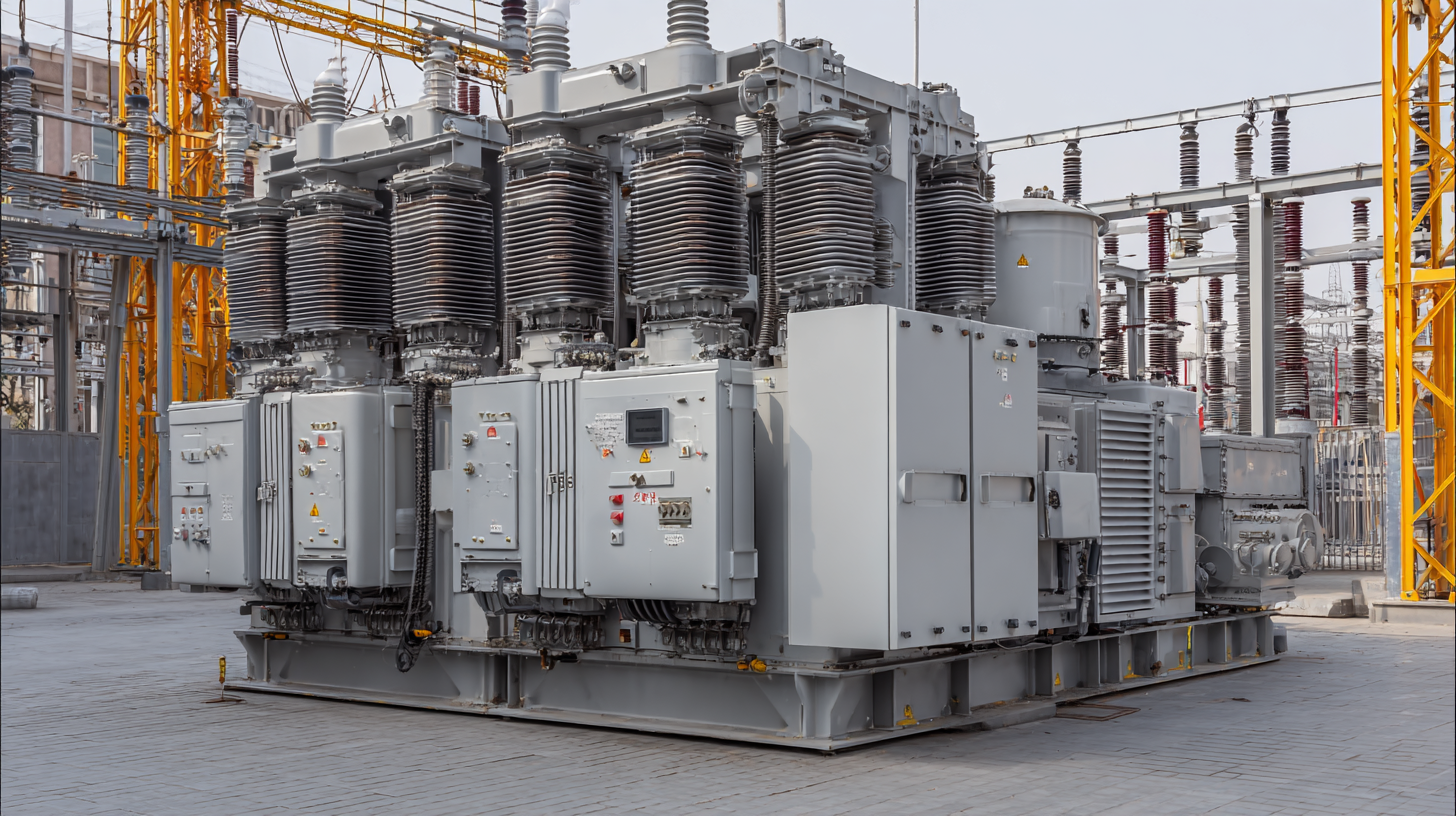
So, here’s a little advice for anyone in the market: look for transformers that come with advanced core materials and smart designs to minimize energy losses. You might want to check out amorphous steel cores, for example—they can cut down no-load losses by up to 60% when stacked against the traditional silicon steel options! And hey, while you’re at it, consider models with smart tech that provide real-time monitoring and optimization. Not only do they boost performance, but they can also extend the lifespan of your equipment, which is a win-win for sustainability.
Also, let’s not forget how important renewable energy sources have become in power generation. According to a report from the Global Wind Energy Council (GWEC), we’re expecting wind energy capacity to double by 2025. That means we’ll really need transformers that can seamlessly fit these renewable technologies into our existing power grids. As sustainability is becoming a must-have for our operational strategies, investing in the right power transformer isn’t just about meeting regulations; it’s also about being smart with those long-term operational costs.
Market Data Insights: Global Demand and Supply Dynamics in 2025
So, looking ahead to 2025, it’s pretty clear that the global demand for power transformers is going to be shaped by quite a few market forces. If you're in the market, you definitely want to keep an eye on the trends popping up in various reports, especially those from Deloitte. They really dive into how the big players in consumer retail are performing, and trust me, these performance indicators can make a big difference in the choices you make when it comes to selecting the right type of power transformer for your needs—especially with all the changes happening in industries due to shifting consumer behaviors.
**Tip 1:** First off, think about the energy efficiency of the transformers. These days, there’s a lot of pressure coming from regulations that are focusing on sustainability and how we impact the environment. So, it's wise to look for products that not only tick the boxes on current standards but also are geared up for future regulations as the energy landscape evolves.
**Tip 2:** Next, be sure to analyze the supply chain. With all the global market shifts going on, things like geopolitical tensions and changing trade policies could really mess with the availability of materials needed for transformer production. Keeping your supply chain secure and reliable is going to be key to making sure your operations run smoothly without any hiccups.
In short, staying in the loop with market insights and being flexible to adapt to what consumers want will really help buyers around the globe to tackle the tricky business of picking the best power transformer types.
How to Choose the Best Power Transformer Type in 2025 A Complete Buying Checklist for Global Buyers
| Transformer Type | Efficiency (%) | Cost (USD/kVA) | Maintenance Frequency (years) | Market Demand (Units) |
| Oil-Immersed Transformer | 98 | 50 | 5 | 1,200,000 |
| Dry Type Transformer | 97 | 60 | 3 | 850,000 |
| Cast Resin Transformer | 96 | 70 | 4 | 600,000 |
| Auto Transformer | 99 | 40 | 6 | 450,000 |
| Isolation Transformer | 95 | 75 | 7 | 300,000 |
Future Directions: Innovations Shaping the Power Transformer Industry
You know, the power transformer industry is really on the brink of some big changes, all thanks to cool innovations that are set to boost both efficiency and sustainability. A report from Markets and Markets suggests that by 2025, the global power transformer market could hit a whopping $44.37 billion, which is pretty impressive, with a growth rate of about 6.5% since 2020. A big part of this growth is due to smart grid technology getting some serious upgrades. It enables folks to monitor and manage power flows in real-time, making electrical networks perform way better.
What's really exciting are the new innovations coming to light, like incorporating IoT (Internet of Things) devices right into transformer designs. This shift not only amps up operational efficiency but also opens the door for predictive maintenance. I mean, who doesn't want to cut down on those frustrating downtimes by as much as 25%, am I right? The International Energy Agency certainly thinks so. Plus, with all the buzz around renewable energy, there's a real need for transformers that can handle fluctuating loads and keep the grid reliable.
Manufacturers are also stepping up by focusing on using eco-friendly materials and designs that meet tough sustainability standards. It's all about catering to a global market that's becoming increasingly mindful of its impact on the planet. These advancements are a sign of a commitment to better tech and a response to that urgent need for a greener energy sector.
FAQS
: The demand for more eco-friendly and cost-efficient power transformers is driven by global initiatives to reduce carbon emissions and the potential for energy efficiency improvements to significantly decrease electricity demand.
Energy loss can be minimized by selecting transformers with advanced core materials such as amorphous steel, which can reduce no-load losses by up to 60% compared to traditional silicon steel options.
Smart technologies enable real-time monitoring and optimization of transformers, which can enhance performance, extend lifespan, and improve sustainability.
The growth of renewable energy sources, such as wind energy, requires transformers that can efficiently integrate these technologies into existing power grids, influencing design and operational strategies.
Key innovations include the incorporation of IoT devices for enhancing operational efficiency and enabling predictive maintenance, as well as advancements in smart grid technology.
The global power transformer market is projected to reach $44.37 billion by 2025, growing at a CAGR of 6.5% from 2020 due to advancements in technology and sustainability efforts.
Predictive maintenance can reduce transformer downtime by up to 25%, improving overall reliability and efficiency of electrical networks.
Manufacturers are increasingly focusing on eco-friendly materials and designs that comply with stringent sustainability standards to meet the demands of a conscious global market.