Picking out the right Pad Mounted Transformer can actually be a bit tricky. There’s a lot to consider, and it’s easy to get overwhelmed. The key thing is really understanding what your specific power needs are—without that, it’s hard to make the right call.
These transformers are super important for smooth Power Distribution. You’ll find them used in commercial buildings, factories, and even residential areas. Honestly, the process of choosing one often uncovers gaps in what people know. It’s common for buyers to overlook stuff like where they’ll install it, how much load it needs to handle, and the voltage levels involved.
Doing your homework on different brands is really important. You want to go with reputable manufacturers—they tend to offer better quality and support. Sometimes, a company might look great at first glance, but it’s worth checking out reviews and reputation before making a decision. Chatting with industry pros can also give you some helpful insights. At the end of the day, choosing the right pad-mounted transformer means you’ll get reliable, efficient performance for years to come—and who doesn’t want that?

Understanding Pad Mounted Transformers and Their Functionality
Pad Mounted Transformersplay a vital role in electrical distribution systems. These transformers are commonly installed in outdoor locations, facilitating the transformation of High Voltage Electricity to usable levels for residential and commercial needs. They are designed to be durable and easy to maintain, providing reliable service for decades. According to theU.S. Energy Information Administration, approximately 6 million pad mounted transformers are currently in use across the United States, underscoring their significance in modern infrastructure.
Functionality is a key aspect to consider when selecting a pad mounted transformer. These devices not only provide voltage regulation but also contribute to enhanced safety. The National Electrical Manufacturers Association (NEMA) reports that pad mounted transformers can manage loads ranging up to 500 kVA efficiently. Their compact design allows for space-saving installations. However, improper sizing or placement can lead to inefficiencies and increase operational costs over time.
When choosing a pad mounted transformer, evaluating specific needs is essential. Factors like load requirements, environmental conditions, and accessibility for maintenance should be considered. Industry studies have shown that about 15% of transformer failures occur due to inadequate cooling or overloading. This highlights the importance of thorough planning before installation. Collecting data on potential loads can help in making informed decisions, ensuring optimal performance and longevity.
Key Factors to Consider When Selecting a Pad Mounted Transformer
When selecting a pad mounted transformer, several key factors demand attention. Understanding the specific power requirements of your application is crucial. According to industry reports, a standard pad mounted transformer typically provides voltage ratings between 5 kV to 36 kV. Knowing your needed capacity helps avoid overloading and ensures optimal performance.
Another important consideration is the environment where the transformer will be installed. Weather conditions, such as extreme temperatures or humidity, may impact the transformer's longevity and efficiency. In some cases, specialized enclosure types are recommended to withstand harsh conditions. Additionally, while the choice between different transformer types may seem straightforward, many overlook critical elements like maintenance ease and accessibility.
It's also worthwhile to consider the type of insulation used in the transformer. This factor directly affects both efficiency and safety. Many professionals suggest opting for transformers with higher insulation ratings to ensure reliability. For example, a Single Phase Pole Mounted Power Transformer might be suitable for fewer load conditions, but your decision should be based on load calculations. Reflecting on these aspects can lead to better long-term investments and operational efficiency.
Determining Your Power Requirements for Transformer Sizing
Choosing the right pad mounted transformer starts with understanding your power requirements. Accurate sizing is crucial to ensure efficient operation. According to the Electric Power Research Institute, over 40% of transformers are either undersized or oversized, leading to energy losses and increased costs. Proper planning helps avoid these pitfalls.
To determine your needs, assess your total load. Factor in both peak and average usage. Consider future growth as well. The National Electrical Manufacturers Association emphasizes the importance of load calculations. Ideally, your transformer should handle peak demands comfortably, while remaining efficient during regular operation. This balance can save up to 15% on energy costs.
Another aspect is selecting between pad mounted and Pole-Mounted Power Transformers. Each serves different applications. For example, pad mounted transformers provide a more robust solution in urban settings. However, pole-mounted transformers can be cost-effective for rural areas. Analyze the environment and accessibility when making your decision. Properly sizing your transformer can ultimately enhance performance and extend its lifespan.
Evaluating Environmental Considerations for Transformer Placement
When selecting a pad-mounted transformer, environmental considerations play a crucial role. Many factors affect the transformer’s placement. The location should minimize disruption to local wildlife and preserve green spaces. According to a study by the U.S. Department of Energy, over 40% of new transformers are incorrectly sited, leading to excessive landscape degradation.
Transformers generate heat and require airflow for cooling. Therefore, proper spacing from buildings and vegetation is necessary. The National Renewable Energy Laboratory suggests maintaining a buffer zone of at least 10 feet around the unit. This can prevent overheating and ensure efficient operation.
Soil and groundwater quality must also be evaluated during the placement process. The Environmental Protection Agency highlights that leaks can occur if transformers are not installed in suitable areas. An estimated 25% of transformers in the field risk potential leaks affecting local ecosystems. It’s crucial to conduct thorough assessments before installation. This way, environmental impact is minimized while meeting operational needs effectively.
2026 How to Choose the Right Pad Mounted Transformer for Your Needs? - Evaluating Environmental Considerations for Transformer Placement
| Transformer Type | Power Rating (kVA) | Cooling Method | Noise Level (dB) | Environmental Impact |
| Single-phase | 25 | Oil Cooling | 60 | Low |
| Three-phase | 75 | Dry Type | 55 | Moderate |
| Special Application | 100 | Oil Cooling | 65 | High |
| Compact Design | 50 | Dry Type | 50 | Low |
Comparing Different Types and Features of Pad Mounted Transformers
When selecting the right pad mounted transformer, understanding the various types and features is crucial. Pad mounted transformers are designed for outdoor applications, serving both residential and commercial needs. They can come in single-phase and three-phase configurations, with the former often being used for smaller loads.
Consider the power capacity you require. Most pad mounted transformers range from 25 kVA to 750 kVA. This range can accommodate diverse applications, from light residential use to more demanding commercial requirements. Pay attention to the voltage ratings, as they significantly impact performance. A careful match between the transformer’s specifications and your project’s requirements ensures energy efficiency and reliability.
Tips: Always assess the environment where the transformer will be installed. Factors like temperature, humidity, and nearby vegetation can affect transformer performance. Regular maintenance is also key. Studies show that well-maintained transformers can have a lifespan exceeding 25 years.
When comparing features, look for advanced protection mechanisms. Some models offer enhanced safety features such as fault protection and overvoltage defenses. Additionally, evaluating aesthetic considerations is essential in residential areas. A well-designed transformer blends with the surroundings while performing optimally.
For more specialized applications, you might want to consider a Single Phase Pole Mounted Transformer. These transformers are excellent for areas with limited space or specific load requirements. They provide flexibility without compromising performance.
2026 Pad Mounted Transformer Features Comparison
Budgeting for Purchase and Maintenance of Transformers
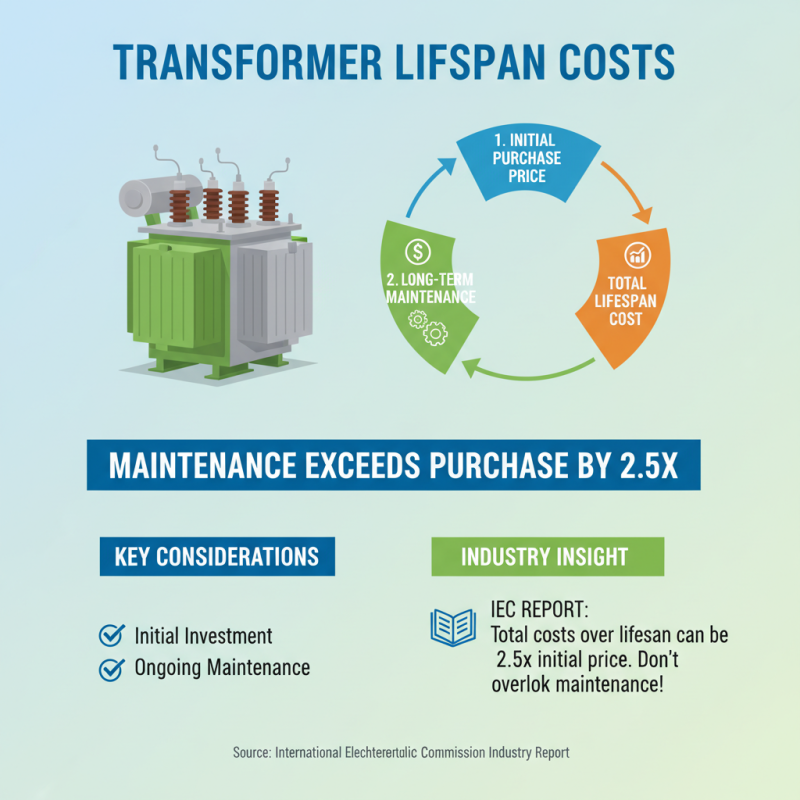
When budgeting for pad mounted transformers, it's crucial to consider both initial costs and long-term maintenance expenses. According to a recent industry report by the International Electrotechnical Commission, the total costs over the lifespan of a transformer can exceed initial purchase price by 2.5 times. This highlights the importance of not overlooking maintenance budgets during planning.
Routine maintenance can prevent costly outages. However, only about 30% of organizations allocate sufficient funds for ongoing support, as indicated by a survey from the IEEE. A well-maintained transformer ensures optimal performance and longevity, preventing abrupt failures. Integrating a Pole Mounted Circuit Breaker can enhance protection, reducing repair costs. Still, upfront investment in such technology should be planned carefully, as it might strain initial budgets.
Consider that the cost of emergency repairs can be significant. Reports show that unplanned downtime could cost facilities upwards of $200,000 per hour. Therefore, establishing a realistic budget is essential. An inadequate budget leads to compromises in quality and reliability. This demand for quality often clashes with budget limitations, creating a gap that organizations need to address strategically.
Consulting Professionals for Installation and Compliance Issues
Choosing the right pad mounted transformer can be overwhelming. Engaging professionals for installation and compliance is essential. Experts bring valuable understanding of local regulations. They can ensure that your transformer meets safety standards and performance requirements. Consulting with seasoned electricians helps you avoid costly mistakes.
Tips: Always ask about their experience with similar projects. Request references from past clients to gauge reliability. A good contractor should provide transparency on installation timelines and costs.
Ignoring compliance can lead to serious issues. Local codes may dictate how installations should be conducted. Make sure your transformer meets the specifications outlined by regulatory bodies. It’s better to invest in professional help than to face potential fines or operational failures.
Consideration of future needs is important too. Conversations with professionals can shed light on potential expansion or upgrades. This foresight aids in selecting the right transformer for longevity. Ensure the decisions made today will not hinder your progress tomorrow.
Enhancing Electrical Distribution: Insights from Recent Reports on the ZW32-12/630-20 12kV Intelligent Pole-Mounted Circuit Breaker
The ZW32-12/630-20 12kV Intelligent Pole-Mounted Circuit Breaker represents a significant advancement in enhancing electrical distribution systems. Recent industry reports indicate a growing trend towards more integrated and intelligent systems in power distribution, with the demand for reliable, efficient, and safe solutions. The high voltage series product, featuring a three-phase pillar-type vacuum arc-quenching structure, stands at the forefront of this trend. Its design not only supports reliable operation but also integrates features that facilitate real-time monitoring of voltage and current signals on both inlet and outlet sides, thereby enhancing overall system intelligence.
The integrated design of the solid-insulated pole offers an IP68 protection class, making it ideal for deployment in complex outdoor environments. This resilience to harsh conditions ensures longevity and operational stability. Moreover, the miniaturized spring operating mechanism allows for flexible operational modes, accommodating manual, electric, and remote switching. Enhanced safety is a key aspect of the design, featuring an external three-phase interlocking disconnector, which safeguards against misoperation during the circuit's operation. Industry data shows that such safety features significantly reduce the risk of electrical failures, providing peace of mind to operators and improving the reliability of the electrical distribution network.
Overall, the ZW32-12/630-20 is a pivotal product in the ongoing modernization of energy distribution infrastructure, underpinned by advancements in technology that promote increased efficiency, safety, and intelligent monitoring capabilities. As utilities seek to enhance their systems to meet growing demands, products like these will play an essential role in shaping the future of electrical distribution.
FAQS
: Correct sizing prevents energy losses and reduces costs. Over 40% of transformers are not optimally sized.
Assess total load, considering peak and average usage. Factor in future growth for accuracy.
Pad mounted and pole-mounted transformers serve different needs. Choose based on environment and accessibility.
Experts understand local regulations and safety standards, ensuring compliance and reducing mistakes.
Inquire about their experience with similar projects. Request references to assess reliability and competence.
Non-compliance can lead to fines and operational failures. Meeting local codes is crucial for safety.
Discussing future needs with professionals can guide you in selecting a transformer for long-term use.
Poor installation can lead to inefficiencies and reduce the transformer’s lifespan, requiring costly repairs.
Your transformer should handle peak loads without overworking, optimizing energy use and saving costs.
Yes, professional help minimizes risks and avoids potential costly mistakes related to compliance and performance.
Conclusion
When selecting the right Pad Mounted Transformer for your needs, it's crucial to understand their functionality and the various factors influencing your decision. Key considerations include determining your power requirements to ensure proper sizing, as well as evaluating environmental factors for optimal placement. It's also important to compare different types and features of Pad Mounted Transformers to find the best fit for your specific application.
Additionally, budgeting for both the initial purchase and ongoing maintenance is essential for long-term satisfaction. Engaging professionals for installation and addressing compliance issues can help ensure that your transformer operates safely and efficiently in your desired environment. By carefully assessing these factors, you can make an informed choice that meets your energy needs.