Picking the right industrial power transformer isn’t just a simple choice – it’s actually pretty important for businesses that want reliable and efficient power. As industries keep changing, the need for high-performance transformers that fit specific operational needs get more and more complex. Jiangxi Guoxiang Electric Power Equipment Co., Ltd., which was established back in 2016 and is based in Jiangxi Province, really stands out as a high-tech enterprise committed to offering complete power solutions. They do a bit of everything – from research and development to manufacturing, sales, and engineering support – which makes it easier for businesses to find a transformer that’s just right for their particular situation. In this article, we’ll go over some key things to think about when choosing an industrial power transformer, so you can make a smarter decision that boosts your operational efficiency and helps you hit your business goals.
Understanding the Key Specifications of Industrial Power Transformers for Optimal Performance
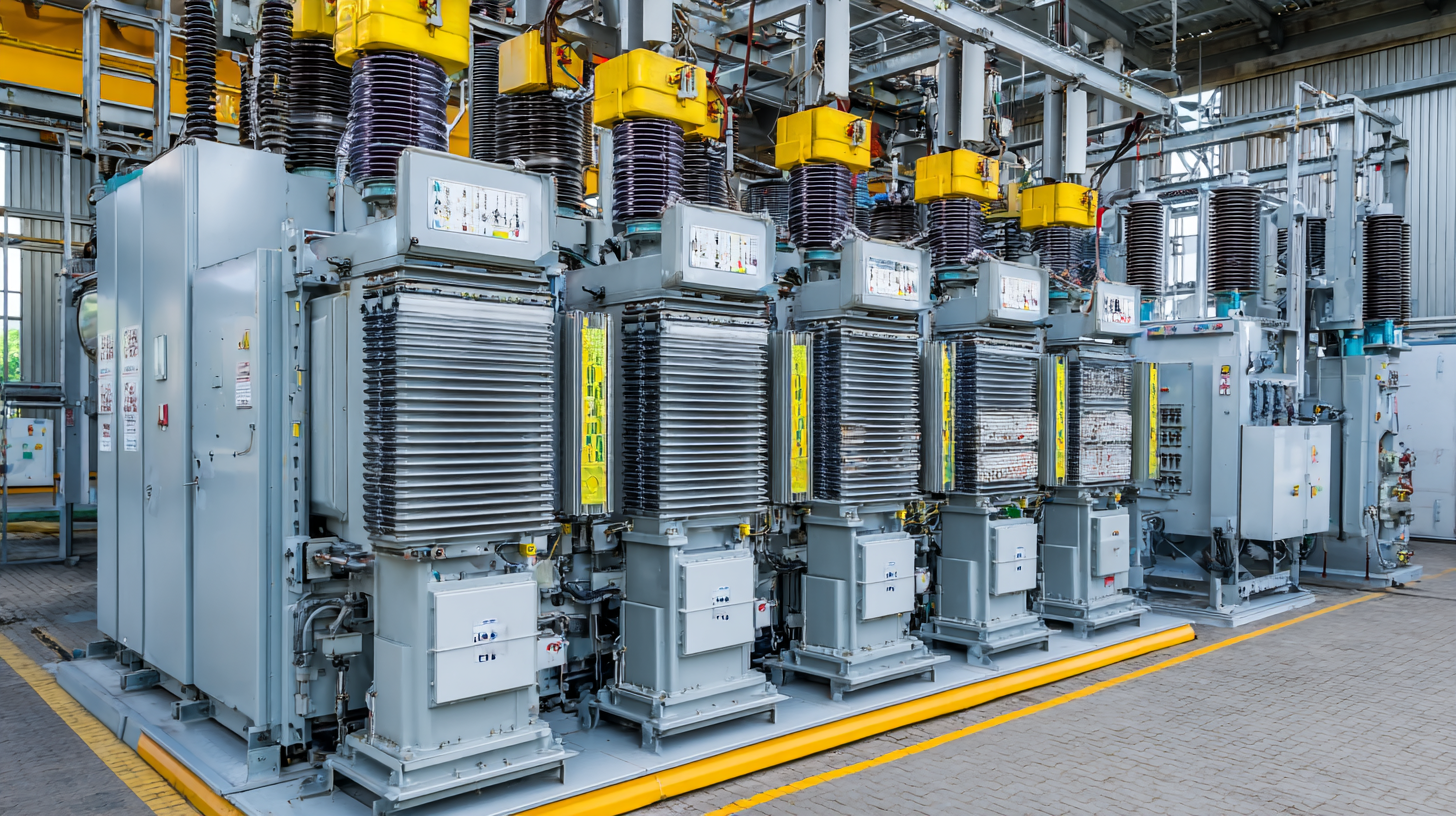
When you're choosing the right industrial power transformer for your business, it’s really important to understand some key specs to make sure everything runs smoothly. Things like voltage ratings, power capacity, efficiency, and cooling methodsall need to match what your facility actually needs. Picking a transformer that fits well doesn’t just ensure Reliable Power distribution—it can also help save energy and cut down on costs in the long run.
Here at Jiangxi Guoxiang Electric Power Equipment Co., Ltd., we know how critical these details are. As a high-tech enterprise, we focus on providing complete solutions—from R&D and manufacturing to sales and engineering support. Our team works hard to make sure every transformer we produce meets tough industry standards and is tailored to your specific needs. We’re all about quality and performance because we want to give our clients dependable transformers that really form the backbone of their energy systems.
Evaluating Load Requirements: How to Match Transformer Ratings with Business Demands
Picking the right industrial power transformer for your business isn't just about guesswork — it really comes down to understanding your load needs. You want to make sure you're selecting something that can handle your operations now, but also has room to grow in the future. Think about your peak loads, steady demands, and where your business might be headed down the line. If you choose a transformer that’s too small or too big for your needs, it could lead to wasted energy, higher costs, or even kind of risky equipment issues. Getting a good grip on these details helps you pick a transformer that works perfectly today and can scale up as your business expands.
Over here at Jiangxi Guoxiang Electric Power Equipment Co., Ltd., we’re all about offering tailored power solutions that fit just right. We kicked off in 2016, and since then, we’ve built up solid expertise in R&D, manufacturing, sales, and engineering. That means we’re well-equipped to help you find the perfect transformer for your specific setup. By tapping into our know-how and resources, your business can enjoy a stable power supply, boost efficiency, and steer clear of the headaches that come with mismatched or insufficient power systems.
Load Requirements for Industrial Power Transformers
This bar chart illustrates various transformer load requirements in kVA. The data demonstrates typical load demands that may be encountered in business applications, assisting in the selection of the appropriate transformer rating.
Assessing Transformer Efficiency: Impact on Operational Costs and Energy Savings
When you're choosing an industrial power transformer, it's really important to think about how efficient it is. I mean, that directly impacts your running costs and how much energy you can save in the long run. Typically, high-efficiency transformers don’t lose as much energy as heat, which is a big plus. Over time, this can save a lot of money, especially if your facility runs non-stop or uses a ton of energy. So, investing in a more efficient transformer isn’t just good for the environment—it can also seriously help cut down those electricity bills and boost your overall energy management.
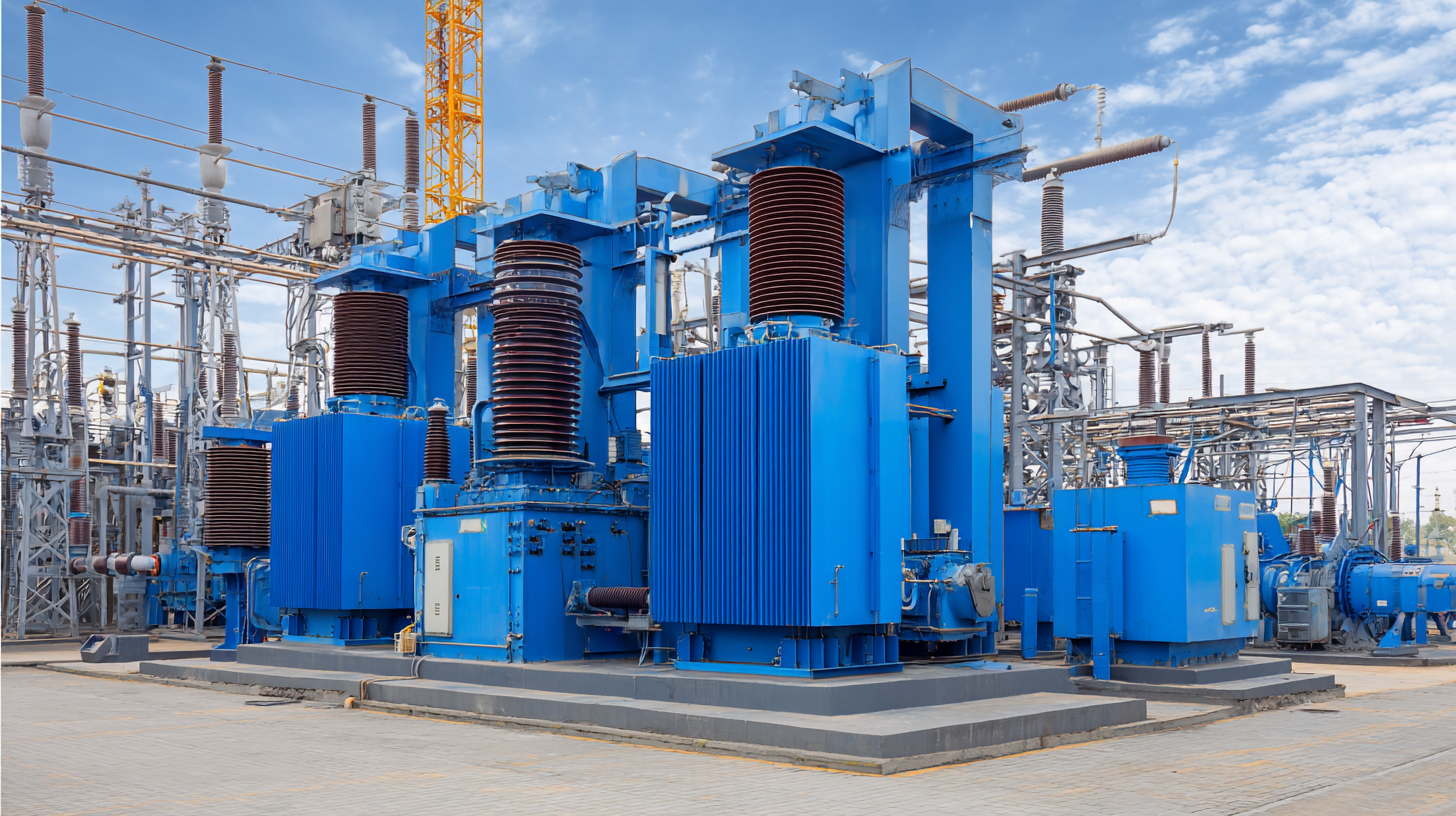
Plus, energy-efficient transformers play a part in helping companies hit their sustainability targets. Lower energy use means a smaller carbon footprint, which is pretty much a win-win. Not to mention, many utility companies actually offer incentives or discounts if you upgrade to high-efficiency gear, so that’s definitely an extra perk. All in all, taking a close look at how efficient your transformer is – it’s a smart move that can save you money and help you be a bit greener at the same time.
Navigating Voltage Regulation and Its Importance for Equipment Longevity
When you're choosing an industrial power transformer, voltage regulation is honestly one of those things you really shouldn’t overlook. It’s a big deal because it directly affects how long your equipment will last and how reliably it runs day-to-day. The U.S. Department of Energy points out that if voltage isn’t regulated properly, you can end up wasting quite a bit of energy — somewhere around 2 to 8% of what you’re using in industrial setups. That might not sound huge at first, but over time, those losses add up. Plus, it can cause your machinery to wear out faster, leading to unexpected breakdowns and costly downtime – nobody wants that, right?
Now, practically speaking, if you're working with sensitive electronics, it’s a good idea to go for transformers that can maintain voltage within ±5% or better. The Electrical Power Research Institute (EPRI) even says doing so can extend the lifespan of your electronic gadgets by quite a bit — like up to 30%. But, here's a little more to think about: keep an eye on the total harmonic distortion (THD) your transformers might introduce. High THD can make voltage regulation issues worse and put added stress on your equipment. So, picking the right transformer — one with solid voltage regulation — isn’t just about performance; it’s about safeguarding your entire operation in the long run.
Choosing Between Different Transformer Types: Dry-Type vs. Oil-Immersed Solutions
Picking out the right industrial power transformer for your business isn’t always straightforward, so it helps to understand the main differences between dry-type and oil-immersed options. Dry-type transformers are usually housed in solid insulation and typically sit indoors. They're popular because they don't require a lot of maintenance, are safer for the environment, and can handle higher altitudes where air cooling works well. Plus, their small, compact size makes them perfect for retail shops or commercial spaces where every inch counts.
Now, on the flip side, oil-immersed transformers are generally used for bigger power needs. They’re pretty efficient and good at dealing with heat, thanks to the oil that acts both as an insulator and a coolant. That means they can run heavy loads without breaking a sweat. But, they do require a bit more care when it comes to installation, especially around safety and environmental factors—leaking oil isn’t something you want to take lightly.
Ultimately, deciding between dry-type and oil-immersed comes down to what your operation actually needs—stuff like space restrictions, safety rules, and how much power you’re pulling. It’s all about matching the right tech to your specific situation.
How to Choose the Right Industrial Power Transformer for Your Business Needs
| Transformer Type | Advantages | Disadvantages | Best Applications | Estimated Cost (USD) |
| Dry-Type Transformer | - No flammable fluids
- Easier maintenance
- Lower installation cost | - Higher cooling needs
- Limited high power applications | - Indoor use
- Commercial buildings
- Low to medium voltage applications | $5,000 - $15,000 |
| Oil-Immersed Transformer | - Excellent cooling efficiency
- Suitable for high power loads
- Proven reliability | - Requires more maintenance
- Risk of oil leaks
- Higher upfront costs | - Outdoor use
- Utilities and substations
- High voltage applications | $10,000 - $50,000 |
Analyzing Industry Standards and Compliance for Safe Transformer Selection
So, when you're choosing an industrial power transformer, it's really important to make sure it meets industry standards. I mean, you don’t want to cut corners here. The IEEE, you know, the folks who set electrical standards, have guidelines like IEEE C57.12.00, which lays out what performance to expect and how to test these transformers. Sticking to these rules can make a big difference—like, it helps prevent those nasty transformer failures. According to a report from the Electric Power Research Institute (EPRI), when transformers fail, it can lead to unnecessary downtime and some pretty costly repairs. Trust me, nobody wants that headache!
And don’t forget about the National Electrical Code (NEC)—it’s essential to understand those regs, especially for installation and maintenance. The NEC basically acts as a safety roadmap for electrical setups, making sure everything runs smoothly and safely where you’re working. Interestingly, a survey by the American National Standards Institute (ANSI) showed that businesses following these standards saw about a 25% drop in electrical accidents. So, taking the time to get familiar with all these compliance rules? Totally worth it. It not only boosts safety but also helps keep things running efficiently, no matter what industry you’re in.
FAQS
: When evaluating load requirements, consider factors such as peak load, continuous operating load, and potential future growth, as mismatches in transformer ratings can lead to inefficiencies and equipment failures.
High-efficiency transformers lower energy losses, resulting in significant cost savings over time, especially for facilities with high energy demands. They also contribute to sustainability goals by reducing the carbon footprint.
Investing in energy-efficient transformers reduces electricity bills and improves overall energy management, leading to lower operational costs for businesses.
Compliance with industry standards, such as those set by the IEEE, ensures safety and reliability, helping to mitigate risks associated with transformer failures that can result in downtime and costly repairs.
The NEC provides regulations for electrical installations, ensuring that transformers operate safely within their designated environments, which is vital for compliance and safety.
Understanding compliance measures can enhance safety, support operational efficiency, and potentially lead to a reduction in electrical accidents, as reported by surveys conducted by organizations like ANSI.
Assessing specific demands is crucial to ensure that transformers meet current operational demands and are scalable for future growth, thus preventing inefficiencies.
Many utility companies offer incentives for upgrading to higher-efficiency equipment, providing financial benefits to businesses seeking to improve energy efficiency.
The company specializes in integrated power solutions, guiding clients in selecting optimal transformers aligned with their operational requirements through their manufacturing and engineering services.
Transformer failures can lead to unnecessary downtime and expensive repairs, making adherence to industry standards and compliance critical for reliable operations.
Conclusion
Picking the right Industrial Power Transformer for your business isn’t just about guessing. You really want to get a good handle on the key specs—like, what are your load requirements? It’s pretty important to match the transformer’s ratings to what your business actually needs. And don’t forget about efficiency! Choosing a transformer that runs smoothly can save you a good chunk of money on energy bills. Plus, good voltage regulation isn’t just a fancy term; it helps your equipment last longer and run more reliably. When it comes to types, between dry-type and oil-immersed transformers, each one has its own pros and cons that can affect how well everything works out in the long run.
On top of that, you want to make sure you’re ticking all the boxes in terms of industry standards and safety requirements. Luckily, if you’re working with Jiangxi Guoxiang Electric Power Equipment Co., Ltd.—who’s been in the game since 2016—you’re in good hands. They’ve got tons of experience in R&D, manufacturing, and engineering. Basically, they know how to help you pick the perfect industrial transformer that fits your specific needs and keeps your operations running smoothly.